This is an automated email from the ASF dual-hosted git repository.

qiaojialin pushed a commit to branch main
in repository https://gitbox.apache.org/repos/asf/iotdb-docs.git
The following commit(s) were added to refs/heads/main by this push:
new 6f97323 Fix the introduction doc img of English version (#179)
6f97323 is described below
commit 6f97323324357a01bae63c61e2d6f3147fc49701
Author: wanghui42 <[email protected]>
AuthorDate: Thu Mar 7 12:01:20 2024 +0800
Fix the introduction doc img of English version (#179)
---
src/UserGuide/Master/IoTDB-Introduction/Scenario.md | 10 +++++-----
src/UserGuide/V1.2.x/IoTDB-Introduction/Scenario.md | 10 +++++-----
src/UserGuide/latest/IoTDB-Introduction/Scenario.md | 10 +++++-----
3 files changed, 15 insertions(+), 15 deletions(-)
diff --git a/src/UserGuide/Master/IoTDB-Introduction/Scenario.md
b/src/UserGuide/Master/IoTDB-Introduction/Scenario.md
index 469e8b2..60bbc09 100644
--- a/src/UserGuide/Master/IoTDB-Introduction/Scenario.md
+++ b/src/UserGuide/Master/IoTDB-Introduction/Scenario.md
@@ -36,7 +36,7 @@ In the original architecture, the HBase cluster was used as
the storage database
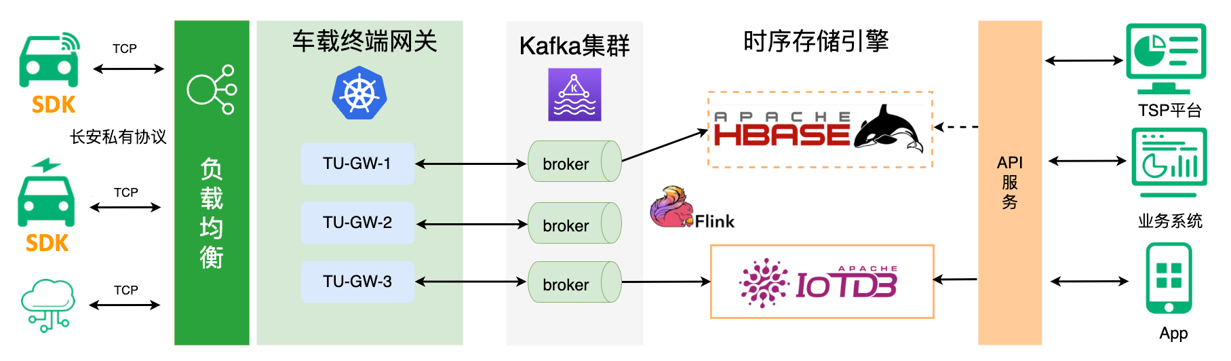
The data management architecture of the car company using IoTDB as the
time-series data storage engine is shown in the figure below.
-
+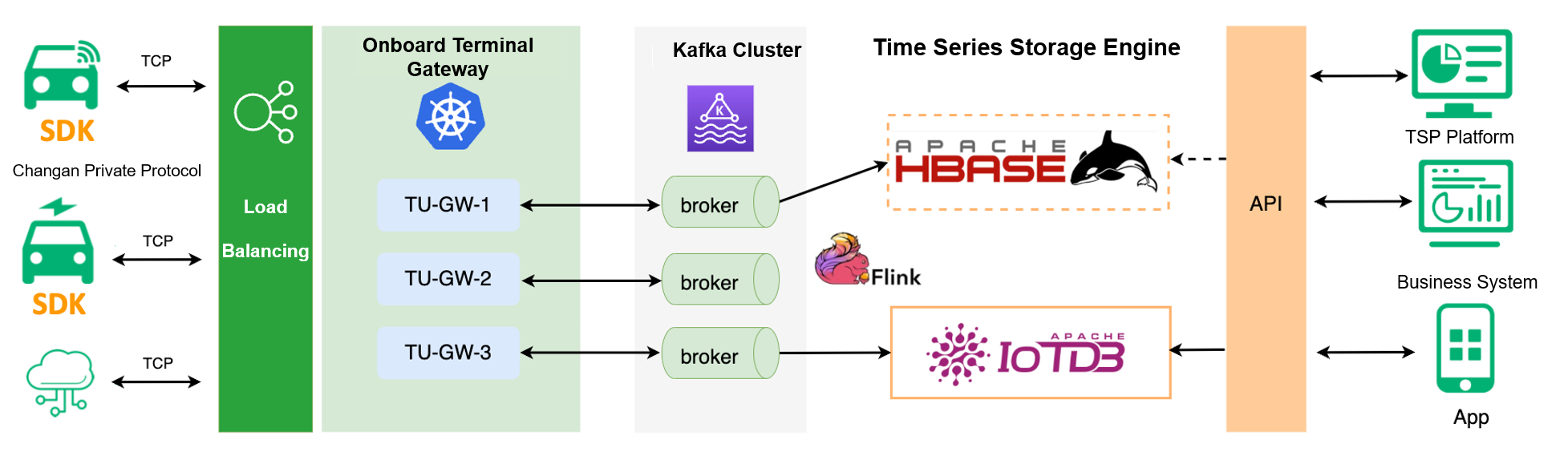
The vehicle data is encoded based on TCP and industrial protocols and sent to
the edge gateway, and the gateway sends the data to the message queue Kafka
cluster, decoupling the two ends of production and consumption. Kafka sends
data to Flink for real-time processing, and the processed data is written into
IoTDB. Both historical data and latest data are queried in IoTDB, and finally
the data flows into the visualization platform through API for application.
@@ -59,7 +59,7 @@ After selecting IoTDB as the storage database of the
intelligent operation and m
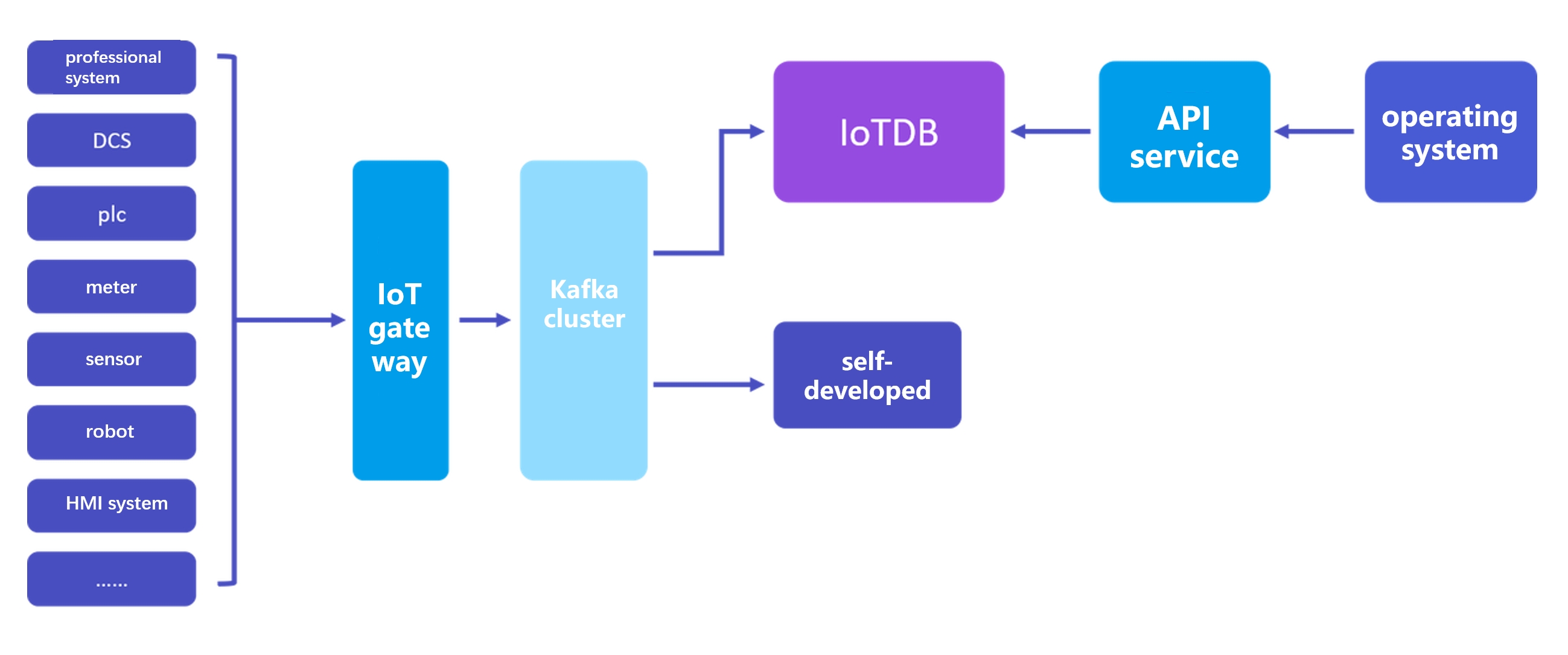
The figure below shows the architecture design of the intelligent operation
and maintenance platform of the steel plant.
-.PNG)
+
## Application 3: Smart Factory
@@ -73,7 +73,7 @@ A cigarette factory hopes to upgrade from a "traditional
factory" to a "high-end
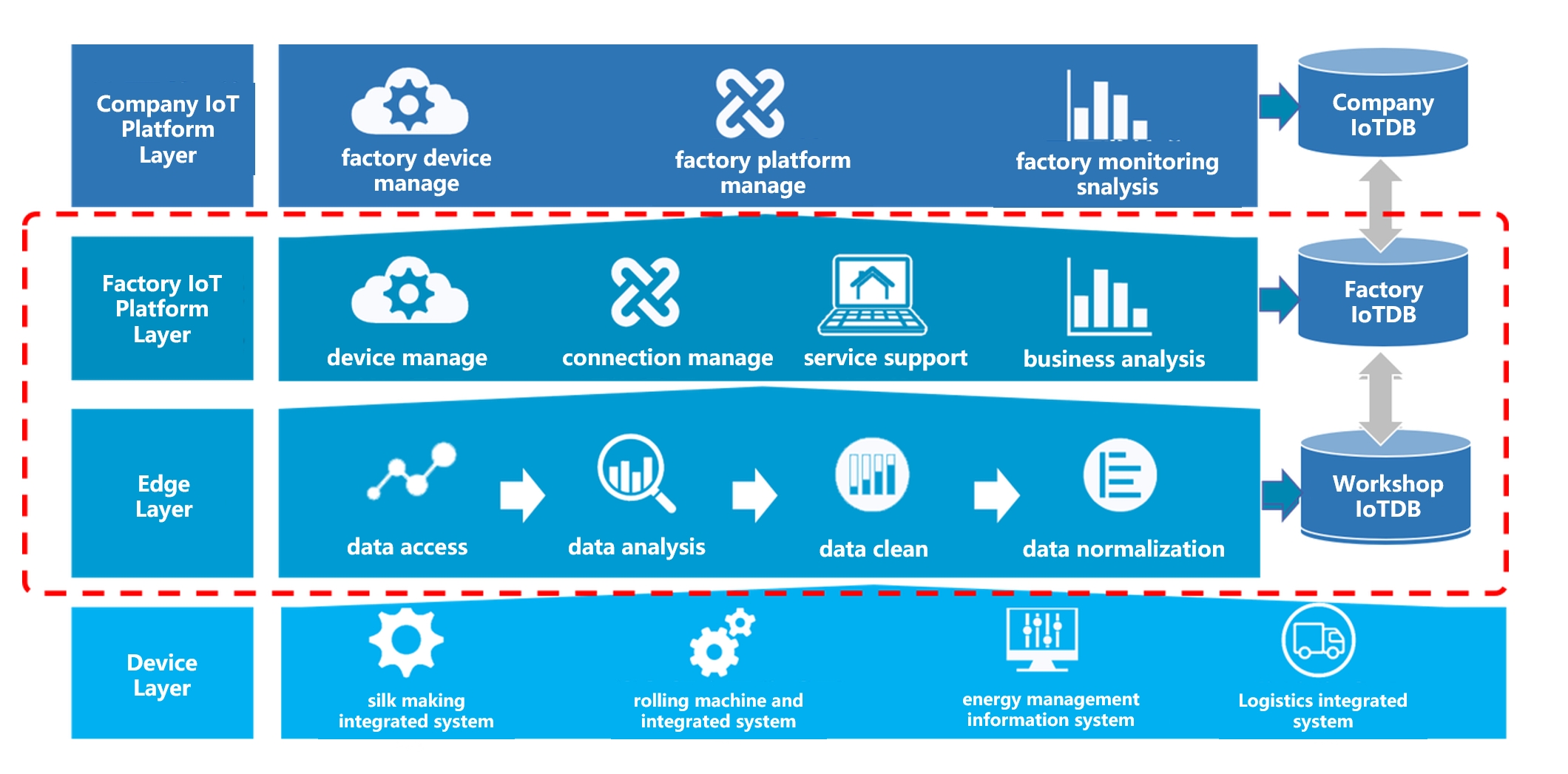
The figure below shows the factory's IoT system architecture. IoTDB runs
through the three-level IoT platform of the company, factory, and workshop to
realize unified joint debugging and joint control of equipment. The data at the
workshop level is collected, processed and stored in real time through the
IoTDB at the edge layer, and a series of analysis tasks are realized. The
preprocessed data is sent to the IoTDB at the platform layer for data
governance at the business level, such as [...]
-.PNG)
+
## Application 4: Condition monitoring
@@ -84,11 +84,11 @@ The figure below shows the factory's IoT system
architecture. IoTDB runs through
A power plant needs to monitor tens of thousands of measuring points of main
and auxiliary equipment such as fan boiler equipment, generators, and
substation equipment. In the previous heating process, there was a lack of
prediction of the heat supply in the next stage, resulting in ineffective
heating, overheating, and insufficient heating.
-After using IoTDB as the storage and analysis engine, combined with
meteorological data, building control data, household control data, heat
exchange station data, official website data, heat source side data, etc., all
data are time-aligned in IoTDB to provide reliable data basis to realize smart
heating. At the same time, it also solves the problem of monitoring the working
conditions of various important components in the relevant heating process,
such as on-demand billing and pipe ne [...]
+After using IoTDB as the storage and analysis engine, combined with
meteorological data, building control data, household control data, heat
exchange station data, official website data, heat source side data, etc., all
data are time-aligned in IoTDB to provide reliable data basis to realize smart
heating. At the same time, it also solves the problem of monitoring the working
conditions of various important components in the relevant heating process,
such as on-demand billing and pipe ne [...]
### Architecture
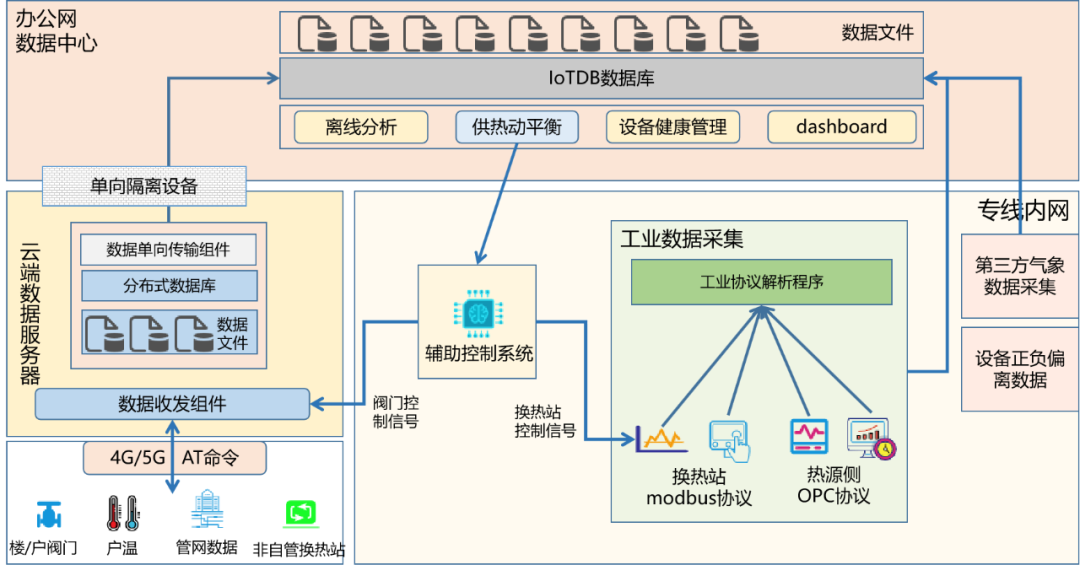
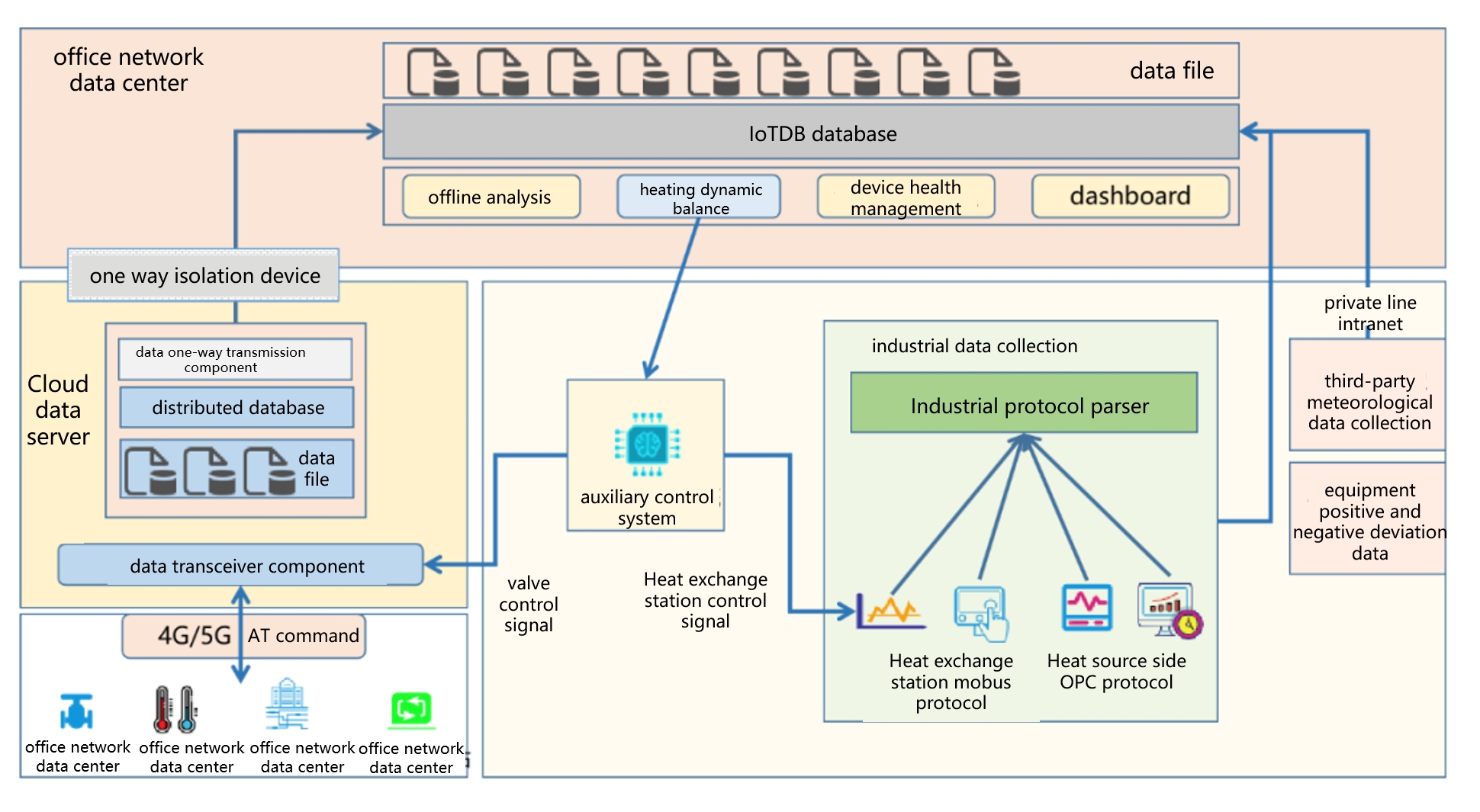
The figure below shows the data management architecture of the power plant in
the heating scene.
-
+
diff --git a/src/UserGuide/V1.2.x/IoTDB-Introduction/Scenario.md
b/src/UserGuide/V1.2.x/IoTDB-Introduction/Scenario.md
index 469e8b2..60bbc09 100644
--- a/src/UserGuide/V1.2.x/IoTDB-Introduction/Scenario.md
+++ b/src/UserGuide/V1.2.x/IoTDB-Introduction/Scenario.md
@@ -36,7 +36,7 @@ In the original architecture, the HBase cluster was used as
the storage database
The data management architecture of the car company using IoTDB as the
time-series data storage engine is shown in the figure below.
-
+
The vehicle data is encoded based on TCP and industrial protocols and sent to
the edge gateway, and the gateway sends the data to the message queue Kafka
cluster, decoupling the two ends of production and consumption. Kafka sends
data to Flink for real-time processing, and the processed data is written into
IoTDB. Both historical data and latest data are queried in IoTDB, and finally
the data flows into the visualization platform through API for application.
@@ -59,7 +59,7 @@ After selecting IoTDB as the storage database of the
intelligent operation and m
The figure below shows the architecture design of the intelligent operation
and maintenance platform of the steel plant.
-.PNG)
+
## Application 3: Smart Factory
@@ -73,7 +73,7 @@ A cigarette factory hopes to upgrade from a "traditional
factory" to a "high-end
The figure below shows the factory's IoT system architecture. IoTDB runs
through the three-level IoT platform of the company, factory, and workshop to
realize unified joint debugging and joint control of equipment. The data at the
workshop level is collected, processed and stored in real time through the
IoTDB at the edge layer, and a series of analysis tasks are realized. The
preprocessed data is sent to the IoTDB at the platform layer for data
governance at the business level, such as [...]
-.PNG)
+
## Application 4: Condition monitoring
@@ -84,11 +84,11 @@ The figure below shows the factory's IoT system
architecture. IoTDB runs through
A power plant needs to monitor tens of thousands of measuring points of main
and auxiliary equipment such as fan boiler equipment, generators, and
substation equipment. In the previous heating process, there was a lack of
prediction of the heat supply in the next stage, resulting in ineffective
heating, overheating, and insufficient heating.
-After using IoTDB as the storage and analysis engine, combined with
meteorological data, building control data, household control data, heat
exchange station data, official website data, heat source side data, etc., all
data are time-aligned in IoTDB to provide reliable data basis to realize smart
heating. At the same time, it also solves the problem of monitoring the working
conditions of various important components in the relevant heating process,
such as on-demand billing and pipe ne [...]
+After using IoTDB as the storage and analysis engine, combined with
meteorological data, building control data, household control data, heat
exchange station data, official website data, heat source side data, etc., all
data are time-aligned in IoTDB to provide reliable data basis to realize smart
heating. At the same time, it also solves the problem of monitoring the working
conditions of various important components in the relevant heating process,
such as on-demand billing and pipe ne [...]
### Architecture
The figure below shows the data management architecture of the power plant in
the heating scene.
-
+
diff --git a/src/UserGuide/latest/IoTDB-Introduction/Scenario.md
b/src/UserGuide/latest/IoTDB-Introduction/Scenario.md
index 469e8b2..6ba8e38 100644
--- a/src/UserGuide/latest/IoTDB-Introduction/Scenario.md
+++ b/src/UserGuide/latest/IoTDB-Introduction/Scenario.md
@@ -36,7 +36,7 @@ In the original architecture, the HBase cluster was used as
the storage database
The data management architecture of the car company using IoTDB as the
time-series data storage engine is shown in the figure below.
-
+
The vehicle data is encoded based on TCP and industrial protocols and sent to
the edge gateway, and the gateway sends the data to the message queue Kafka
cluster, decoupling the two ends of production and consumption. Kafka sends
data to Flink for real-time processing, and the processed data is written into
IoTDB. Both historical data and latest data are queried in IoTDB, and finally
the data flows into the visualization platform through API for application.
@@ -59,7 +59,7 @@ After selecting IoTDB as the storage database of the
intelligent operation and m
The figure below shows the architecture design of the intelligent operation
and maintenance platform of the steel plant.
-.PNG)
+
## Application 3: Smart Factory
@@ -73,7 +73,7 @@ A cigarette factory hopes to upgrade from a "traditional
factory" to a "high-end
The figure below shows the factory's IoT system architecture. IoTDB runs
through the three-level IoT platform of the company, factory, and workshop to
realize unified joint debugging and joint control of equipment. The data at the
workshop level is collected, processed and stored in real time through the
IoTDB at the edge layer, and a series of analysis tasks are realized. The
preprocessed data is sent to the IoTDB at the platform layer for data
governance at the business level, such as [...]
-.PNG)
+
## Application 4: Condition monitoring
@@ -84,11 +84,11 @@ The figure below shows the factory's IoT system
architecture. IoTDB runs through
A power plant needs to monitor tens of thousands of measuring points of main
and auxiliary equipment such as fan boiler equipment, generators, and
substation equipment. In the previous heating process, there was a lack of
prediction of the heat supply in the next stage, resulting in ineffective
heating, overheating, and insufficient heating.
-After using IoTDB as the storage and analysis engine, combined with
meteorological data, building control data, household control data, heat
exchange station data, official website data, heat source side data, etc., all
data are time-aligned in IoTDB to provide reliable data basis to realize smart
heating. At the same time, it also solves the problem of monitoring the working
conditions of various important components in the relevant heating process,
such as on-demand billing and pipe ne [...]
+After using IoTDB as the storage and analysis engine, combined with
meteorological data, building control data, household control data, heat
exchange station data, official website data, heat source side data, etc., all
data are time-aligned in IoTDB to provide reliable data basis to realize smart
heating. At the same time, it also solves the problem of monitoring the working
conditions of various important components in the relevant heating process,
such as on-demand billing and pipe ne [...]
### Architecture
The figure below shows the data management architecture of the power plant in
the heating scene.
-
+






