Hi @sandeep-paliwal, thanks for suggestion.
I think the big difference between tag and log is timestamp; as you mentioned,
the tag is much easier to search for a specific span, or make it explicit on
what's going on.
I've tried [capturing errors guidance in open tracing data model standard]( https://github.com/opentracing/specification/blob/master/semantic_conventions.md#captured-errors). This is not that useful to know that what's really going on in Jaegar. Some code snippet: ```Scala private def setErrorTags(span: Span, message: => String): Unit = { span.log(Map("event" -> "error", "message" -> message).asJava) } ``` Snapshot: 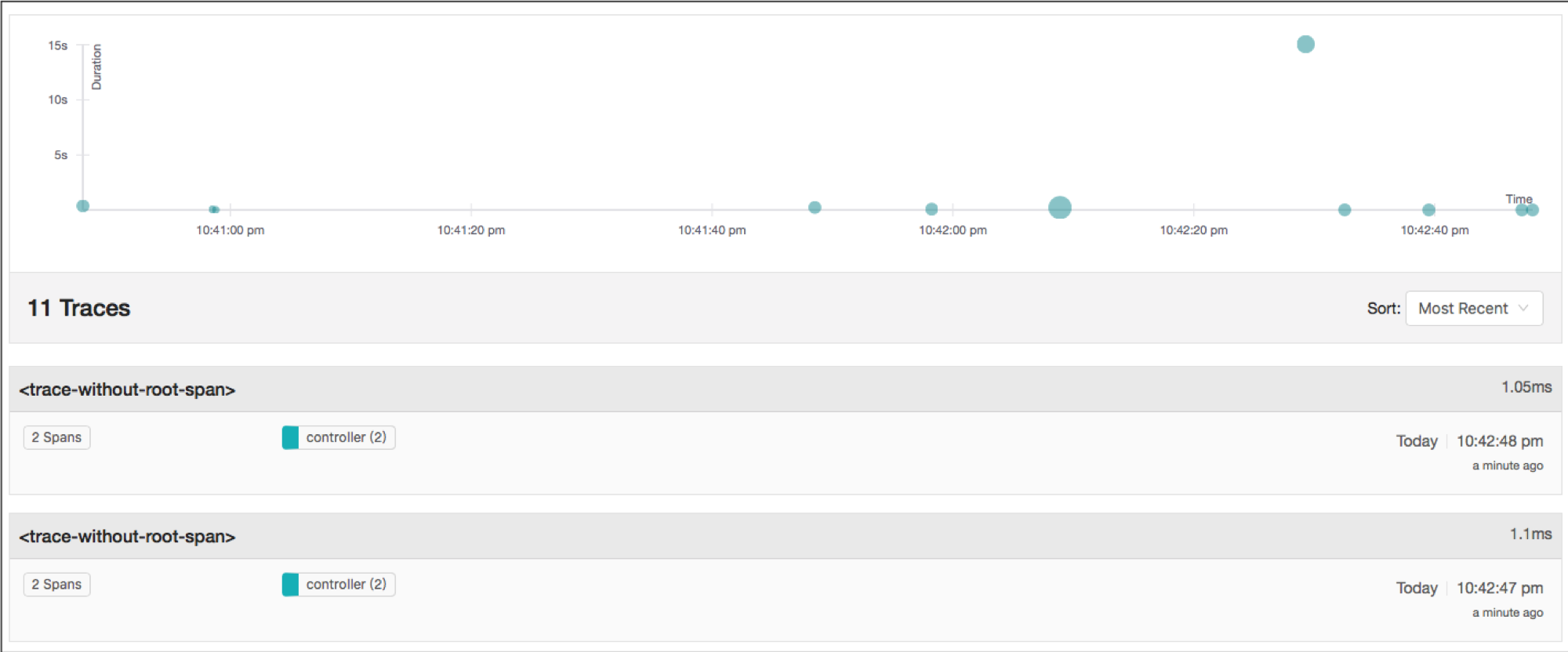 The error is not explicit. 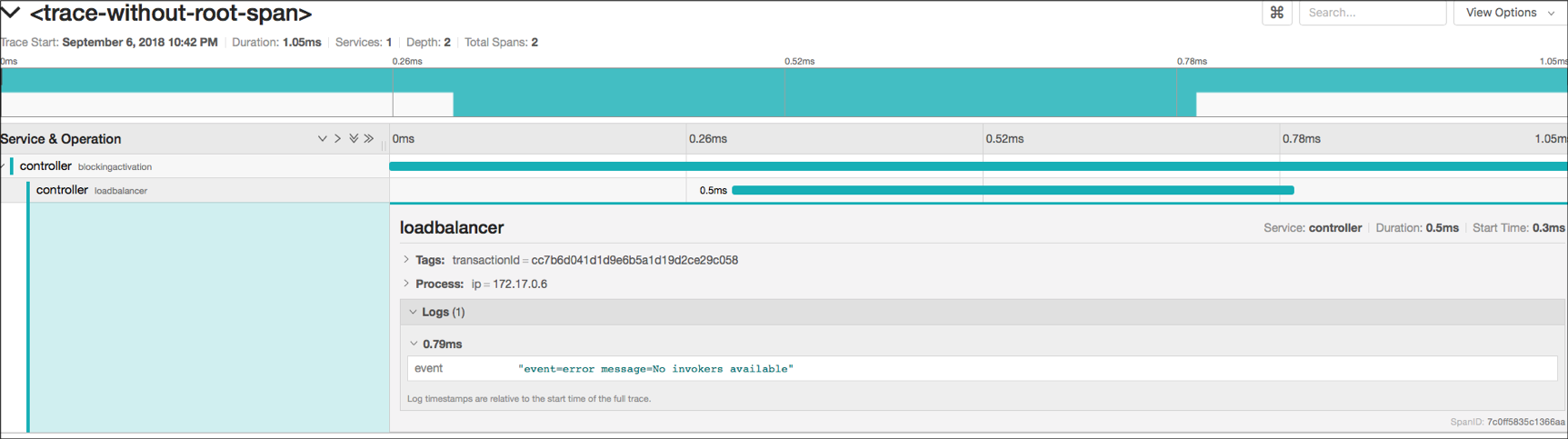 Am I missing something? If not, I think an alternative way is still use error as tag, and attach the log that we can eliminate the message tag field, if this is necessary. WDYT? i.e. ```Scala private def setErrorTags(span: Span, message: => String): Unit = { span.setTag("error", true) span.log(Map("event" -> "error", "message" -> message).asJava) } ``` [ Full content available at: https://github.com/apache/incubator-openwhisk/pull/4000 ] This message was relayed via gitbox.apache.org for [email protected]


