The issues with ground water depletion, top soil loss and nitrogen
fertilizer run off causing the very sizable oxygen depleted 'dead zone'
in the Gulf of Mexico should be factored in when considering any
biofuel.
As for the economic issues with corn based ethanol, it is important to
include NAFTA's impact of pushing a great number of small corn farmer
out of business in Mexico.  Taken one reasonable step further this has
increased the immigration pressure up from Mexico.

The likely best course of action is investing in reducing energy
consumption which in many cases costs the same or less per unit of
measure then adding additional capacity.    I don't have the specific
numbers at hand, but broadly speaking the numbers showed the energy
consumption in the United States, including electricity and
liquid/gaseous fossils fuel usage, being roughly double that of Western
Europe.

+ Jeremy O'Leary

> Isn't the US already producing excess corn, at considerable expense to
> taxpayers? And isn't corn an environmentally challenging crop, in terms of
> both soil and water depletion and the energy cost of producing it (ammonium
> nitrate, pesticides, and so on)? I've seen a lot of debate about this, some
> on this list, and I really wonder whether corn is the biofuel we want.
>
> Bill Silvert
>
> ----- Original Message -----
> From: "Paul Cherubini" <[EMAIL PROTECTED]>
> To: <[email protected]>
> Sent: Friday, March 23, 2007 2:25 PM
> Subject: Re: ethanol competing directly with world food supply / driving up
> prices
>
>
> > stan moore wrote:
> >
> >> How much additional wildland will be put into grain production,
> >> at the cost of habitat for wild flora and fauna?  How many
> >> forests will be cut down? How sustainable can this transition be?
> >
> > In the upper Midwest USA, according to some agricultural economists
> > at Iowa State University, "the most likely source of new corn
> > acreage will come from shifts in crop rotation from soybeans to corn."
> > http://www.card.iastate.edu/iowa_ag_review/fall_06/article2.aspx
> > http://www.card.iastate.edu/iowa_ag_review/fall_06/article3.aspx
> >
> > Example: instead of a traditional corn/soybean/corn/ annual
> > crop rotation schedule, Midwestern farmers could implement a
> > corn/corn/ soybean rotation schedule.  I've seen evidence of this
> > already happening :
> >
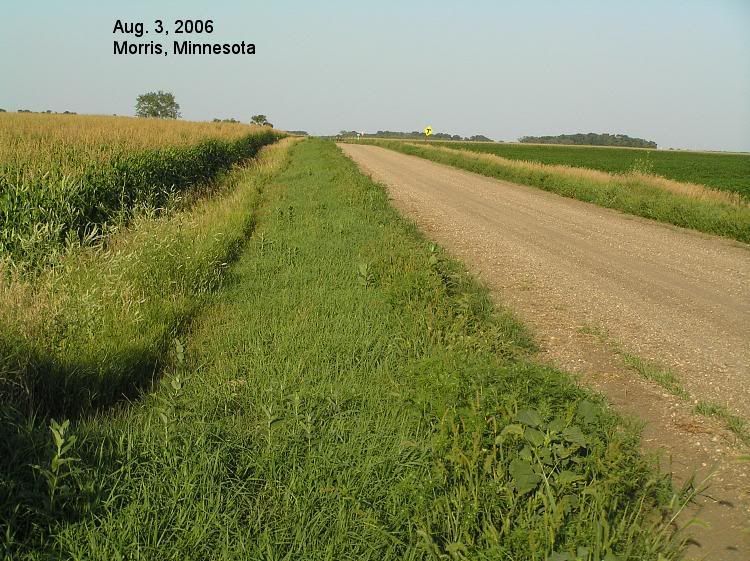
> > 2006 photo of corn fields on both sides of a farm road in
> > southwestern Minnesota:
> > http://i85.photobucket.com/albums/k75/4af/mori06.jpg
> >
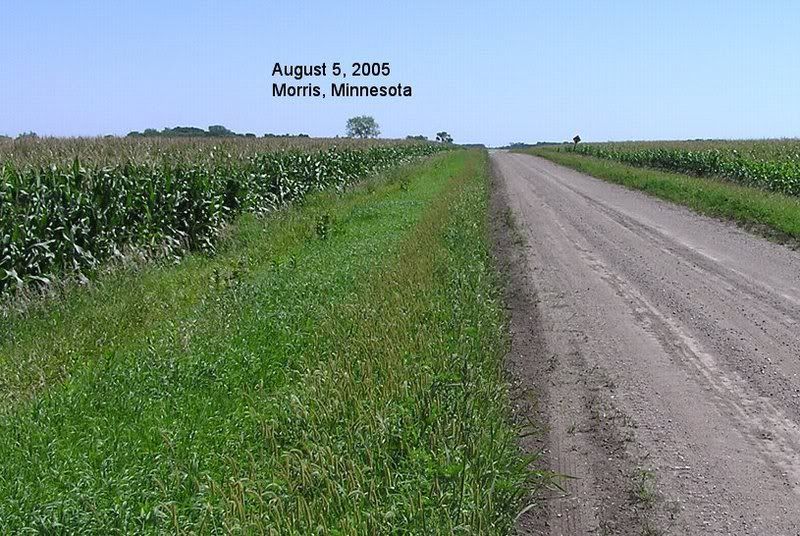
> > 2005 photo of the same exact farm road where you can see
> > (left side of photo) corn was growing on the same piece of
> > ground where it had been growing in 2006:
> > http://i85.photobucket.com/albums/k75/4af/mor05.jpg
> >
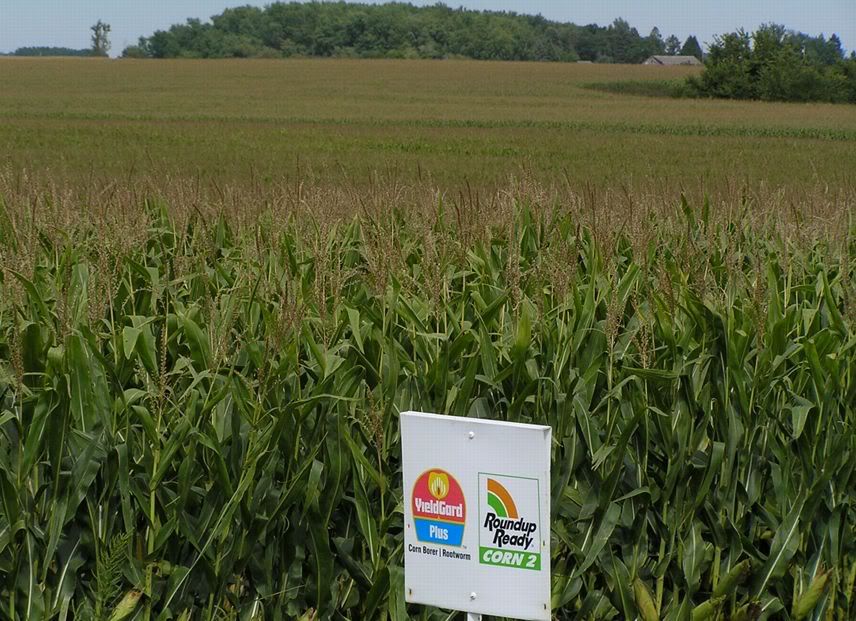
> > Another source of additional corn could come from the continually
> > increasing yields that GMO biotech corn has been generating
> > (e.g Roundup Ready Bt corn
> > http://i85.photobucket.com/albums/k75/4af/rr.jpg).
> >
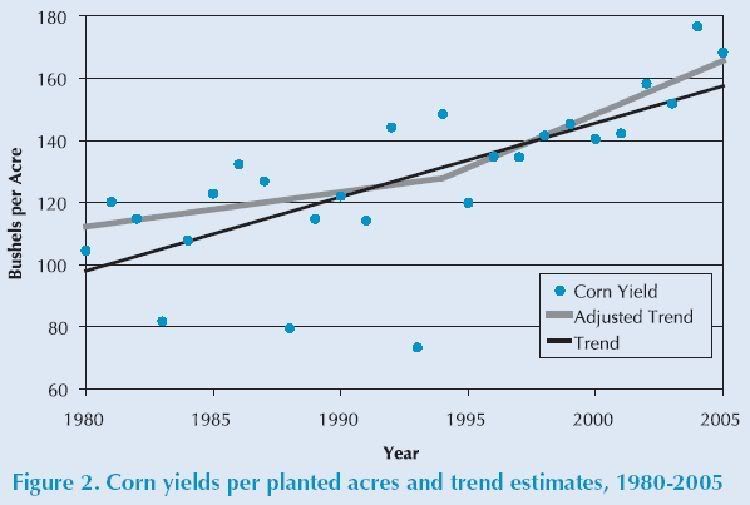
> > Here's a graph of Iowa corn yields per planted acre over the
> > 1980 to 2005 crop years and you can see how yields rose
> > especially fast after the introduction of GMO crops in 1996
> > http://i85.photobucket.com/albums/k75/4af/corngra.jpg
> >
> > Paul Cherubini
> > El Dorado, Calif.
> >
> >