http://www.utdailybeacon.com/news/article_ed390516-5b49-11e5-a1c0-d3a7c50bf253.html
Unplugged: Electric car owner’s frustration sparks upgrade search
Heidi Hill •  September 15, 2015
[image  / Tanner Hancock
http://bloximages.chicago2.vip.townnews.com/utdailybeacon.com/content/tncms/assets/v3/editorial/b/a7/ba7bfe70-5b40-11e5-b72b-1f39b704177d/55f766658b5f1.image.jpg
Electric Car Ports  The electric car charging stations located around campus
are operated by the Blink network.
]

A day can be ruined if an iPhone, iPad or laptop won't charge. But when it
comes to cars, a zero percent battery could bring life skidding to a halt.

This is the current dilemma faced by Paul Leimieux, a graduate assistant in
library & information sciences.

After noticing that all campus EV stations, designed to charge electric cars
like his Nissan Leaf, had been offline since June, Leimieux is forced to
charge his vehicle at a nearby Nissan dealership or at the Whole Foods off
Papermill Drive.

“It really sucked because that was one of the primary factors of buying a
electric car was being able to charge it on campus, and we haven't had that
since June,” Leimieux said.

Following his discovery of the non-functional stations, Leimeux contacted
Facilities Services as instructed by an “out of order” sign placed over the
BLINK charging port, but was given unclear answers as to why they were
suddenly taken offline.

“I didn't really pursue it anymore until August, because school was about to
start and they were still broken,” he said. “That's when I really started to
get antsy.”

With the stations still offline, the EV spots are used as overflow staff
parking, preventing Leimeux from parking in a spot that his specialized
permit allows for.

According to records provided by UT Parking & Transit Services,
approximately 10 permits are in effect for electric car owners, who in the
past could recharge their vehicles’ batteries in 17 EV locations on campus,
most notably in stations behind the Natalie L. Haslam Music Center.

Preston Jacobsen, director at the UT Office of Sustainability, said all
green-energy components are under the department’s management as subset the
greater Facilities Services umbrella.

The stations’ offline status, he said, is attributed to the fact that all
stations, run under the BLINK network, were no longer producing punctual
data in the early summer months.

“They were taken offline not necessarily by choice, but the components
inside the chargers had expired their life of safe usage,” Jacobsen said.
“We thought we could get a better, more efficient charge by switching out,
and save costs for people when they do charge their cars.”

Since last week, Jacobsen said Facilities Services has been working on a
plan to locate a new source to resurrect all electric carports still offline
across campus, but there is currently no timeline available.

Though it is not ideal for electric car owners to commute downtown to an EV
station, Jacobsen said this is the best option for people like Leimeux — at
least while university ports remain unavailable.

“It's not a deal breaker because (my car) gets about 90 miles per charge, so
I won't be stranded on the side of the road,” he said.

“It's just very inconvenient because I have to find other places to charge
it when I'm here everyday.”

Knoxville’s electric car charging stations are also operated by the BLINK
network, compromising a select number of spaces in parking garages near the
Civic Auditorium, State Street, Market Square, Jackson Street, Magnolia
Avenue and a private lot next to the Tennessee Valley Authority office.

Erin Gill, city of Knoxville's sustainability director, reported 24 total
stations available for Knoxville residents, noting that upkeep can cost up
to $4,320 per year.

Like the prototype program that created EV stations on campus, the city
received a grant from the U.S. Department of Energy in 2012 to build
electric car ports in Knoxville as a way to promote sustainable
transportation.

After a collectively positive response, Gill said the city opted to keep the
ports available to electric car owners after the grant expired in 2013. Yet,
some of these spots, she said, now require fixed rates — $5 per session — to
ensure upkeep and availability for residents.

“We want to keep our services going because it is very costly, and we're
trying to keep the ones that we have and keep them running as long as
possible,” she said.

Though the city and UT both utilize the BLINK network to run the charging
stations, Gill said the move to upgrade relatively new car charging stations
is not unusual, given the “premium parking” status on campus.

“I think that EV and its infrastructure is very new, so I think everyone (at
UT) is having to evaluate the intent and look at particular spots,” Gill
said.

Leimeux, however, isn't convinced that the offline status is solely based on
the need to upgrade technology — especially since both UT's and the city's
EV stations were funded from grants of the same source.

“I've got a feeling when the city chargers stopped being free, that UT was
supposed to stop being free,” he said. “Maybe it was a computer glitch, but
they kept being free and then when that glitch was finally realized, they
shut it off.”

Facilities Services' failure to renew a contract with BLINK combined with
the grant's expiration, he explained, may be the real reason behind charging
station inaccessibility.

Within the last week, Leimeux said his complaint reached the ears of
Facilities Services administration, who, in turn, asked for suggestions for
future vendors who could put EV stations back online.

A representative from Facilities Services was not available for comment, but
there has been no official bid for a new entity to take over management of
UT's car charging stations.

Still, Jacobsen remains optimistic about electric cars as a “growing
industry,” citing its ability to achieve goals outlined by the 2010 Climate
Action Initiative — a national campaign designed to create sustainable
transportation among American universities.

Such initiatives like car charging ports, he said, aim to help the
university reach its goal to become “carbon neutral” by 2051 and reduce the
university's green house gas emission, also known as a “carbon footprint.”

“It all comes down to economics, and we are now in the position where we are
able to do that more now than ever before,” Jacobsen said.
[© utdailybeacon.com]
...
http://connection.ebscohost.com/c/articles/9501244163/battery-stupid
It's the battery, stupid!
Brown, Stuart F.  February 1995
...
www.utk.edu
University of Tennessee (UT)  Knoxville, TN 37996  (865) 974-1000
...
[dated]
https://www.google.com/?gws_rd=ssl#q=blink+charger+problems
blink charger problems
https://www.google.com/?gws_rd=ssl#q=blink+evse+problems
...
http://www.plugincars.com/ultimate-guide-electric-car-charging-networks-126530.html
The Ultimate Guide to Electric Car Charging Networks
By Brad Berman · November 25, 2014


For EVLN posts use:
http://evdl.org/evln/

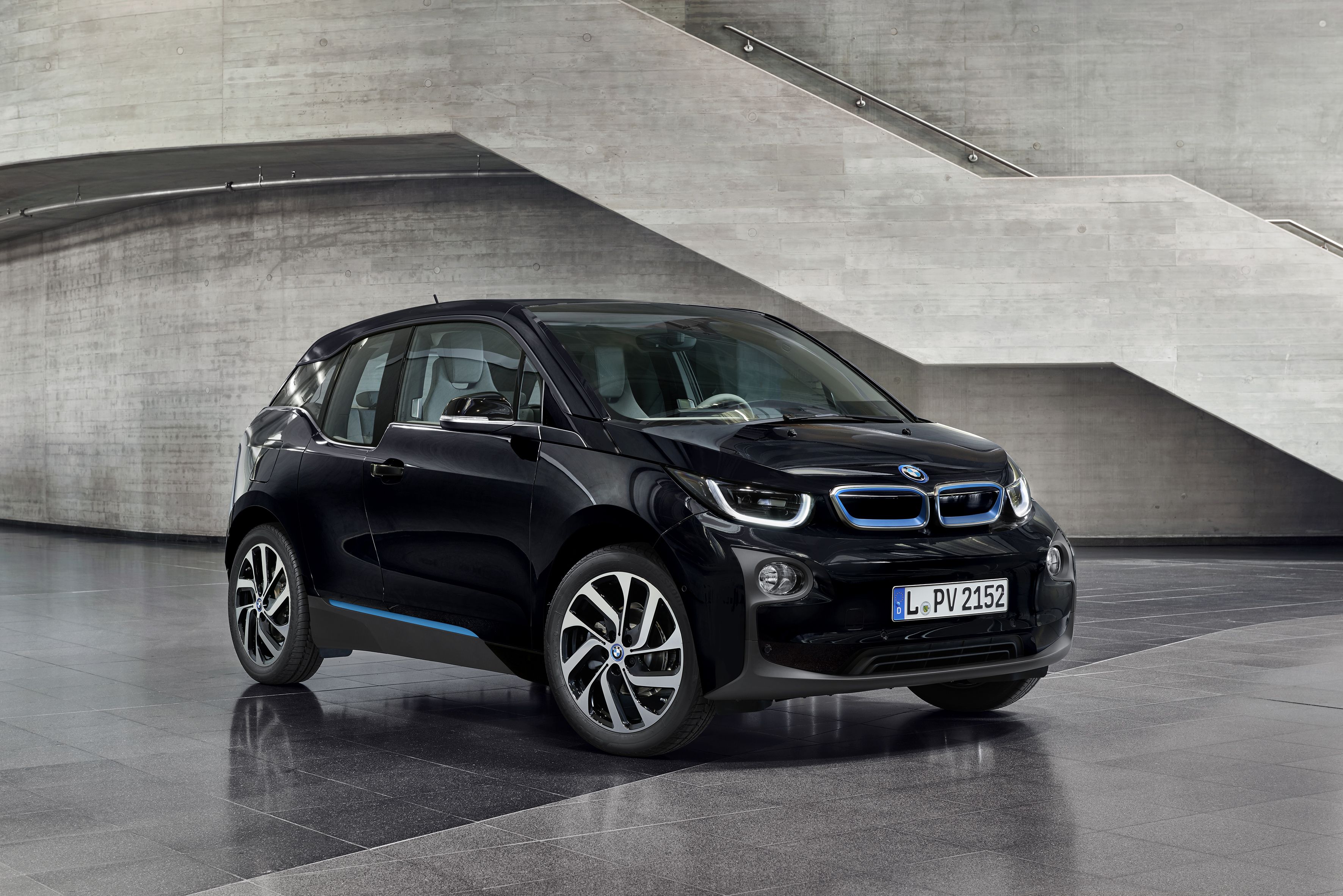
http://www.bmwblog.com/2015/09/05/bmw-i3-gets-a-new-color-fluid-black/
i3 EV's new Fluid Black color w/ elements of Frozen Grey & BMW i blue
http://cdn.bmwblog.com/wp-content/uploads/2015/09/bmw-i3-fluid-black.jpg

http://www.ngtnews.com/e107_plugins/content/content.php?content.11100#.VfG2SqOVueU
5 L2 EVSE @NJ Hospital under Utility pseg.com Pilot Program
+
EVLN: LAPD-CA's pLAn> to evaluate Tesla-S P85D And i3 EVs


{brucedp.150m.com}

--
View this message in context:
http://electric-vehicle-discussion-list.413529.n4.nabble.com/EVLN-It-s-the-EVSE-brand-stupid-more-ccg-Blink-headaches-tp4677649.html
Sent from the Electric Vehicle Discussion List mailing list archive at
Nabble.com.
_______________________________________________
UNSUBSCRIBE: http://www.evdl.org/help/index.html#usub
http://lists.evdl.org/listinfo.cgi/ev-evdl.org
Read EVAngel's EV News at http://evdl.org/evln/
Please discuss EV drag racing at NEDRA (http://groups.yahoo.com/group/NEDRA)