https://www.torquenews.com/7893/3-reasons-chevy-bolt-ev-already-outdated-and-what-gm-can-do-fix-it
3 Reasons the Chevy Bolt EV is Already Outdated (and What GM Can Do to Fix
It)
Jun 13 2019  Steve Birkett
[image
https://www.torquenews.com/sites/default/files/styles/news/public/images/bolt-ev-improvements-min.jpg


videos
https://youtu.be/3FgvtKnOgAc
Tesla Leads US EV Sales By Brand from 2012-2019, Who Comes Next

https://youtu.be/eSd6OxDWfmc
Bolt EV Range on a Single Charge? Reaching the 300 Mile Club
]

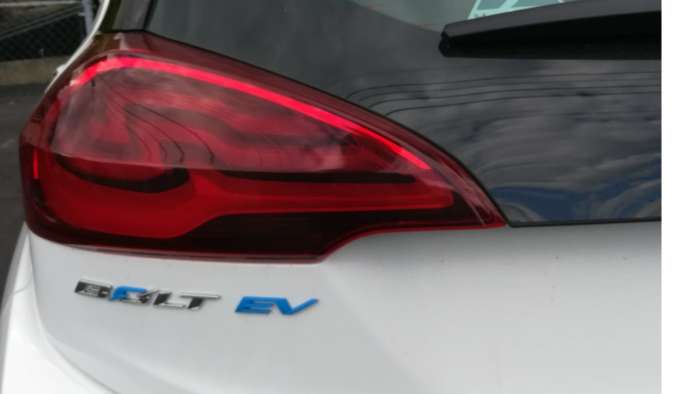
Ah, General Motors... love them or loathe them, EV enthusiasts and Bolt
owners must admit that with the Chevy Bolt, GM was able to make a great
electric car.

GM unveiled the award-winning Chevrolet Bolt EV at the Consumer Electronics
Show (CES) back in 2016, starting production later that year and beating
even Tesla to market with an affordable long-range EV.

Since then, the Bolt EV has sold in steady volumes and built up a cult
following among early adopters (and those who simply couldn’t hold on for
the Tesla Model 3.)

However, the EV market moves quickly and is unforgiving. As a result, the
Bolt EV is already outdated in 2019 and ready for the same kind of mid-cycle
refresh that revitalized the Chevy Volt plug-in hybrid back in 2015.

Here are 3 areas that make the Bolt EV feel outdated compared to the
competition:

1. Slow DC Fast Charging Speed.
2. Limited OTA Software Updates.
3. Low Tech Interior.

Let’s examine each of these more closely and see what GM can do to bring its
first pure-electric car back to the future.

1. Quicker DC Fast Charging
When the Bolt EV was released, the North American charging infrastructure
was limited, to say the least. DC fast charging units were typically rated
50kW at best and limited to coastal routes or major metropolitan areas. With
the ability to hit 55kW on a capable charge unit, the Bolt EV’s maximum
charge rate seemed rather spritely.
Fast forward three years and all that has changed.

Established charging networks like EVgo and ChargePoint are rolling out
equipment rated for 150kW charging and above. At the same time, the
Electrify America network, funded by VW as its penance for Dieselgate, is
future-proofed to the tune of 350kW charging and installing sites
coast-to-coast. Competing electric vehicles like the Tesla Model 3 will soon
charge at up to 200kW and even direct compact hatchback competitors, such as
the Hyundai Kona Electric or Kia Niro EV, will outperform the Bolt at around
75kW charging.

Attention electric car owners: here is an update on choices for EV public
charging options.

Based on the latest EV sales figures, the Bolt has some catching up to do.
(Please subscribe to Torque News Youtube Channel for daily automotive news
and analysis).

To catch up, GM must do two things:

First: increase the Bolt’s maximum charge speed to reach closer to 100kW.

Second: move the current taper point at 55% closer to 80%. The latter, which
refers to the state-of-charge at which the car tells the station to reduce
power for battery conservation, is arguably as important as the former.

Both steps would reduce the overall time that Bolt EV drivers spend charging
and make longer road trips more achievable for prospective owners.

2. Accept That Over-The-Air (OTA) Updates Are the Future.

Visit Torque News homepage for more stories.
If any non-Tesla EV owner tells you they are not jealous of OTA software
updates, that person is either lying or doesn’t know what they are. One of
the joys of owning a Tesla is that you can go to sleep and wake up to find
your car has been upgraded overnight, without visiting a dealership or
paying a dime.

In early 2019, for example, Model 3 LR owners were excited to learn that
Tesla’s latest software update had increased their range from 310 to 325
miles per charge. All through the magic of regular OTA updates. By the way,
OTA software updates are one of the top 10 reasons why Tesla Model 3 will be
remembered like iPhone.

The reality for Bolt EV owners is not nearly as exciting. Although the car
can receive updates in this way, software enhancements from GM have been few
and far between. Getting a slightly larger screen for Android Auto one year
ago just isn’t in the same league as what Tesla, a company forged in the
UX-obsessed fires of Silicon Valley, can provide.

In fairness, this isn’t a challenge facing General Motors alone. Every
legacy car manufacturer typically keeps its latest software for the next
model year. It's simply not the norm for a car that has already been sold to
see a software upgrade. GM could be the first of them to break this tired
old mold and every Bolt EV produced, present or future, would be the better
for it.

3. Enhance the Interior.
Some elements of the Bolt EV’s interior could be described as tech-forward,
such as the relatively large touchscreen or the multiple camera angles for
parking assistance, but there are many modern car conveniences that it
lacks. Also see this Chevy Bolt vs 2018 Nissan Leaf comparison where Bolt's
interior is discussed as well.

Let’s start with the Bolt's seats.

No, not the divisive issue of their body-hugging (dis)comfort, which some
owners lament and others kind of love. In this case, we’re looking at the
manual controls to adjust the front seats which, in the age of electronic
everything and even preset driver profiles for Tesla owners, feels decidedly
last decade.

Seats are "one of the primary complaints some Bolt owners have.".

From there, work your way around the cabin and there are things that make
the Bolt EV feel ready for a refresh. The mixture of physical buttons and
touch screen controls is a little off, for example, with dead space in some
places and cluttered digital controls in others. Then we have the hard
plastics, which although they’re to be expected in an affordable compact
car, should never deliver the blinding glare of the lighter color interior
options.

Although these might seem like minor quibbles for some, electric vehicles
are supposed to feel like the future and the Bolt EV has enough dated
interior design elements to detract from that excitement.

GM’s remit here is simple enough: listen to feedback from owners of the
Bolt’s first three model years. We’re a dedicated bunch who can help the
company address 90% of what needs improvement in the car’s cabin. It doesn’t
need to reach Model 3 levels of minimalism, just a few tweaks that will
create a more compelling interior.

The Bolt EV is an excellent electric car that still holds its own in the
absurdly dynamic marketplace that it helped to develop three years ago. With
improvements in these three key areas and some other minor enhancements, GM
can ensure that the 2020 Bolt EV no longer feels outdated and will continue
to hold its own as more competitors enter the market.
[© torquenews.com]


+
https://www.honestjohn.co.uk/news/green-motoring/2019-06/ultra-fast-electric-car-chargers-to-be-installed-at-petrol-stations/
Ultra-fast electric car chargers to be installed at petrol stations
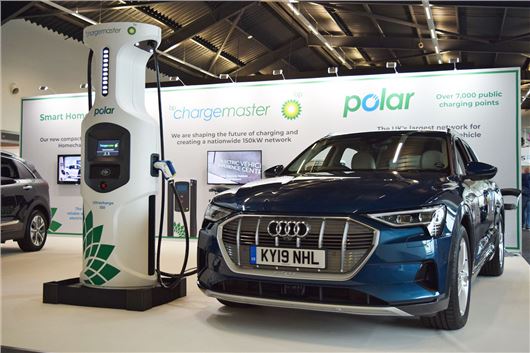
07 June 2019  It'll be the fastest electric car charger currently accessible
to UK electric vehicle drivers, with the firm pledging to install 100 of
them across 50 BP forecourts ...
https://images.honestjohn.co.uk/imagecache/file/width/530/media/15180475/chargemaster.jpg


For EVLN EV-newswire posts use:
 http://evdl.org/archive/


{brucedp.neocities.org}

--
Sent from: http://electric-vehicle-discussion-list.413529.n4.nabble.com/
_______________________________________________
UNSUBSCRIBE: http://www.evdl.org/help/index.html#usub
http://lists.evdl.org/listinfo.cgi/ev-evdl.org
Please discuss EV drag racing at NEDRA (http://groups.yahoo.com/group/NEDRA)