https://www.wuwm.com/post/eye-toward-lower-emissions-clean-air-travel-gets-ground
With An Eye Toward Lower Emissions, Clean Air Travel Gets Off The Ground
Jul 29, 2019  Ari Shapiro
[image
https://mediad.publicbroadcasting.net/p/shared/npr/styles/placed_wide/nprshared/201907/746351155.jpg
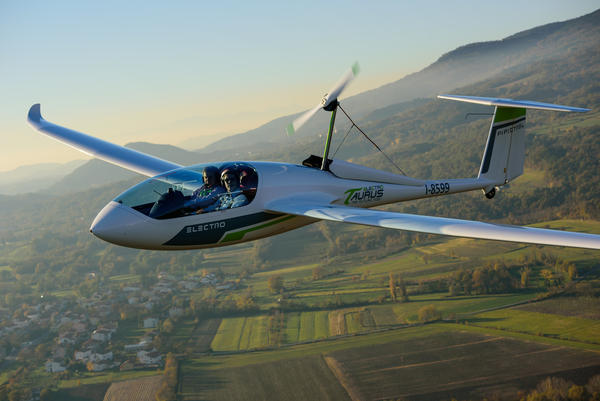
A Pipistrel Taurus Electro electric two-seat airplane flies above
Ajdovscina, Slovenia  / Jure Makovec / AFP/Getty Images


audio
https://ondemand.npr.org/npr-mp4/npr/atc/2019/07/20190729_atc_with_an_eye_toward_lower_emissions_clean_air_travel_gets_off_the_ground.mp4?orgId=1&topicId=1019&aggIds=735519565&d=252&p=2&story=746275123&ft=nprml&f=746275123
Originally published on July 30, 2019 2:00 pm
]

Electric cars are all over the roads these days. But what about electric
planes?

Air travel currently accounts for only about 2% of global carbon emissions.
But it's expected to grow in the next century, and clean air travel is seen
as a key part of slowing global warming.

"We're expecting to see massive growth," says Umair Irfan, who writes about
climate change, energy and the environment for Vox. "The International Civil
Aviation Organization projects upward of 700 percent growth by the middle of
the century. So while it is small, it is going to be a larger and larger
share."

This interview has been edited lightly for clarity and length.

You've written that we need electric airplanes. Why?

We need to be able to counteract that (growth in air travel) somehow.
Electrifying air travel is one key option, particularly for shorter flights,
and we're already seeing at least a couple airlines experimenting with it.
(Harbour Air) in the Pacific Northwest aims to electrify its whole fleet,
but it only flies routes (shorter) than 100 miles.

Right now, that's where the technology is. It can basically support small
aircraft going short distances, but you absolutely need something that's
going to decarbonize air travel to some extent because it is going to be a
large and growing share of the problem.

Are any airlines already using them to carry passengers?

Not right now. One of the big issues is that the Federal Aviation
Administration hasn't approved electric aircraft for passenger air travel.
The regulations are actually a big hang-up right now because much of the
rules are structured around conventional aircraft, and now they need a new
set of rules to deal with battery electric aircraft. That's also going to be
challenged in the coming years.

Considering where technology stands today, how far are we from having an
electric airplane that could cross the Atlantic Ocean?

The key problem right now is that jet fuel is extremely energy dense and
batteries are not. And in an airplane, space is at a premium and so is
weight. And so you want to pack as much power into a smaller space as
possible. Batteries are improving, but not fast enough right now. They need
to be able to store much more energy in a much smaller space.

Some airlines are experimenting with biofuels. Is that helpful?

Biofuels are a big part of it as well. The idea is that if you use a crop
that takes CO2 from the air and you burn that instead, effectively it's
carbon neutral. That's a little bit tricky to pull off, though, because you
want to make sure you get more energy out of the fuel than you expend to
grow it in the first place.

Biofuels are also a little bit more expensive than conventional fuels. And
so you have to make sort of an economic argument. Right now, airlines are
experimenting with it, but it's more expensive than conventional fuels and
so we need a really substantial price drop in order to make inroads.

For people who want to do something about their flight-related carbon
emissions now, is buying carbon offsets really the only option?

The biggest impact option would be just to fly less, and there's a global
movement that's kind of sprung up to try to encourage people to do that. I
think the estimate is that each leg of a journey on a roundtrip flight
across the Atlantic emits about a ton of CO2. So that's 2 tons of CO2, and
that's roughly enough to melt about 30 square feet of Arctic ice. So that's
a very direct relationship between your actions and your impact on the
environment. And for some people that's been a pretty startling revelation.

Do you think the airlines feel the urgency to get an electric plane up in
the air?

There is some pressure on the airlines right now because of a global "flying
shame" movement (making people feel guilty for the carbon emissions caused
by their flights) that's kind of taken off. The Swedes have even coined a
word for it. They call it flygskam.

Customers are now increasing pressure on the airlines. They want to assuage
their guilt for flying. Many people see it as necessary, but they want to
see more heavy lifting coming from the airlines themselves in terms of
getting more fuel efficient or coming up with better offsetting schemes or
mitigating greenhouse gas emissions in other ways.
Copyright 2019 NPR. To see more, visit https://www.npr.org.


[transcript]
ARI SHAPIRO, HOST:

Electric cars are all over the roads these days. On this week's All Tech
Considered, we're talking about the potential for electric planes.

(SOUNDBITE OF MUSIC)

SHAPIRO: Air travel accounts for about 2% of global carbon emissions. And
people see clean air travel as a key part of slowing global warming. To
explain why and what is being done about it, we are joined by Umair Irfan.
He writes about climate change energy and the environment for Vox. Welcome
to the studio.

UMAIR IRFAN: Thanks for having me.

SHAPIRO: Why focus on air travel when it accounts for just 2%, I mean, a
much smaller share of carbon emissions than cars?

IRFAN: Well, air travel is going to grow in the coming century. We're
expecting to see massive growth. The International Civil Aviation
Organization projects upward of 700% growth by the middle of the century. So
while it is small, it is going to be a larger and larger share. And the
other side of the problem is that air travel is really hard to decarbonize.

SHAPIRO: You've written that we need electric airplanes. Why?

IRFAN: Well, with that growth, we need to be able to counteract that
somehow. Electrifying air travel is one key option, particularly for shorter
flights. And we're already seeing at least a couple airlines experimenting
with it. There's one in the Pacific Northwest that aims to electrify its
whole fleet, but it only flies routes smaller than 100 miles.

And so right now that's where the technology is. It can basically support
small aircraft going short distances. But you absolutely need something
that's going to decarbonize air travel to some extent because it is going to
be a large and growing share of the problem.

SHAPIRO: Are any of the small airlines in the air carrying passengers
already?

IRFAN: Not right now. One of the big issues is that the Federal Aviation
Administration hasn't approved electric aircraft for passenger air travel.
The regulations are actually a big hangup right now because much of the
rules are structured around conventional aircraft. And now they need a new
set of rules to deal with battery electric aircraft. That's also going to be
challenged in the coming years.

SHAPIRO: When you look at where the technology stands today, how far are we
from having an electric airplane that could cross the Atlantic Ocean?

IRFAN: Well, the key problem right now is that jet fuel is extremely energy
dense and batteries are not. And in an airplane, space, as you may have
noticed, is at a premium, and so is weight. And so you want to pack as much
power into as small a space as possible. Batteries are improving but not
fast enough right now. They need to be able to store much more energy in a
much smaller space.

SHAPIRO: I think some airlines are experimenting with biofuels. Is that
helpful?

IRFAN: Yeah. Biofuels are a big part of it as well. The idea is that if you
use a crop that takes CO2 from the air and you burn that instead,
effectively it's carbon neutral. That's a little bit tricky to pull off,
though, because you want to make sure you get more energy out of the fuel
than you expend to grow it in the first place.

Biofuels are also a little bit more expensive than conventional fuels. And
so you have to make sort of an economic argument. Right now, airlines are
experimenting with it, but it's more expensive than conventional fuels. And
so we need a really substantial price drop in order to make inroads.

SHAPIRO: For people who want to do something about their flight-related
carbon emissions now, is buying carbon offsets really the only option?

IRFAN: Well, the biggest option - the biggest impact option would be just to
fly less. And there's a global movement that's kind of sprung up to try to
encourage people to do that. I think the estimate is that each leg of a
journey on a roundtrip flight across the Atlantic emits about a ton of CO2.
So that's 2 tons of CO2. And that's roughly enough to melt about 30 square
feet of Arctic ice. So that's a very direct relationship between your
actions and your impact on the environment, and for some, people that's been
a pretty startling revelation.

SHAPIRO: Do you think the airlines feel the urgency? Is there really a race
to get an electric plane up in the air?

IRFAN: There is some pressure on the airlines right now because of this
global flying shame movement that's kind of taken off. There are - there is
some pressure...

SHAPIRO: Global flying shame, meaning make people feel guilty for the fact
that their flights are causing all of these carbon emissions?

IRFAN: That's right. The Swedes have even coined a word for it. They call it
flygskam. For some reason, Sweden is the epicenter for this movement.

SHAPIRO: That's flying shame.

IRFAN: Flying shame, right. And yeah, their customers are now increasing
pressure on the airlines. They want to sort of assuage their guilt for
flying. Many people see it as necessary, but they want to see more heavy
lifting coming from the airlines themselves in terms of getting more fuel
efficient or coming up with better offsetting schemes or mitigating
greenhouse gas emissions in other ways.

SHAPIRO: Umair Irfan is a staff writer at Vox.

Thanks for coming in.

IRFAN: Thanks for having me. Transcript provided by NPR, Copyright NPR.
[© wuwm.com]


+
https://www.sgcarmart.com/news/article.php?AID=21634
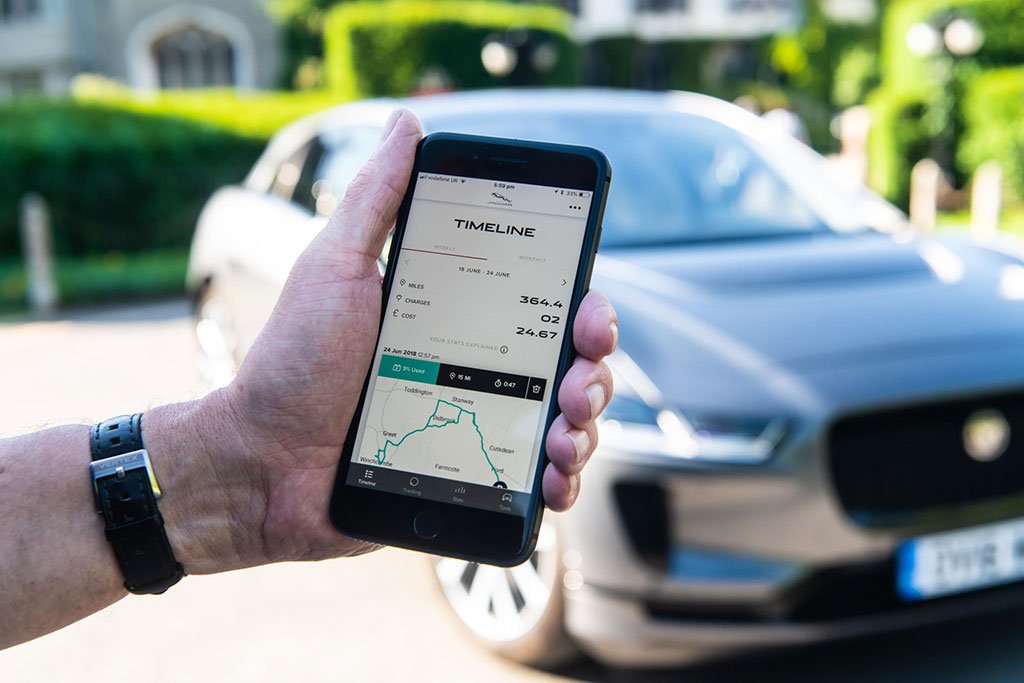
New online calculator and app make owning an electric I-PACE even easier
04 Aug 2019  Potential buyers can also use the app to understand how the
I-PACE would fit into their lives, and to calculate potential cost savings
and charging needs ...
https://i.i-sgcm.com/news/article_news/2019/21634_2_l.jpg


For EVLN EV-newswire posts use:
 http://evdl.org/archive/


{brucedp.neocities.org}

--
Sent from: http://electric-vehicle-discussion-list.413529.n4.nabble.com/
_______________________________________________
UNSUBSCRIBE: http://www.evdl.org/help/index.html#usub
http://lists.evdl.org/listinfo.cgi/ev-evdl.org
Please discuss EV drag racing at NEDRA (http://groups.yahoo.com/group/NEDRA)