Even Cooling the Planet May Not Save Your Coffee, Wine, and Chocolate
*scitechdaily.com*
/even-cooling-the-planet-may-not-save-your-coffee-wine-and-chocolate
<https://scitechdaily.com/even-cooling-the-planet-may-not-save-your-coffee-wine-and-chocolate/>
Vincent L
November 27, 2025
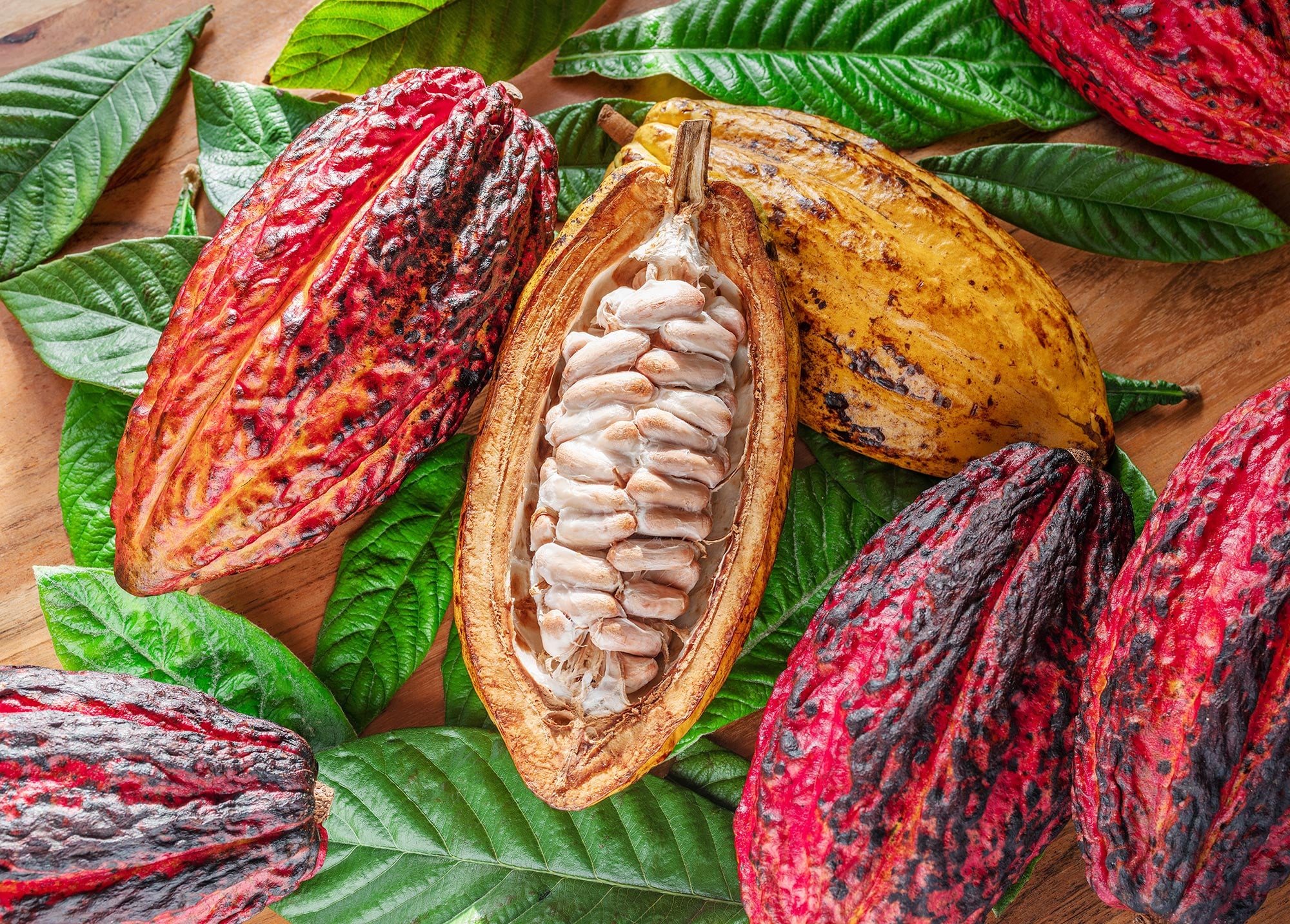
<https://scitechdaily.com/images/Fresh-Cocoa-Fruits-Green-Leaves.jpg>
*Researchers found that SAI cools the surface but cannot control rainfall
and humidity, leaving key luxury crops vulnerable to climate instability.*

A new study <https://iopscience.iop.org/article/10.1088/1748-9326/adfbff>
published in *Environmental Research Letters
<https://iopscience.iop.org/journal/1748-9326>* finds that even ambitious
climate intervention strategies may fall short of protecting wine grapes,
coffee and cacao. These crops support major global industries and the
livelihoods of millions of farmers, yet they are becoming increasingly
vulnerable to climate change. Rising temperatures and shifting rainfall
patterns are causing sharp swings in annual yields, making it harder for
farmers to depend on stable harvests.
Testing stratospheric aerosol injection as a climate fix

The research team evaluated whether Stratospheric Aerosol Injection (SAI)
could help counter climate impacts in leading grape, coffee and cacao
regions across western Europe, South America and West Africa. SAI is a
proposed solar geoengineering approach that cools the planet by releasing
reflective particles into the stratosphere, similar to the cooling that
follows major volcanic eruptions.

To test its potential, the scientists used climate simulations to explore
growing conditions from 2036 to 2045 in 18 key regions. They assessed crop
suitability by examining temperature, rainfall, humidity, and disease risk.
Although SAI lowered surface temperatures, it did not reliably maintain the
environmental conditions these crops need. Only six of the 18 regions
showed consistent improvement compared to scenarios without SAI.
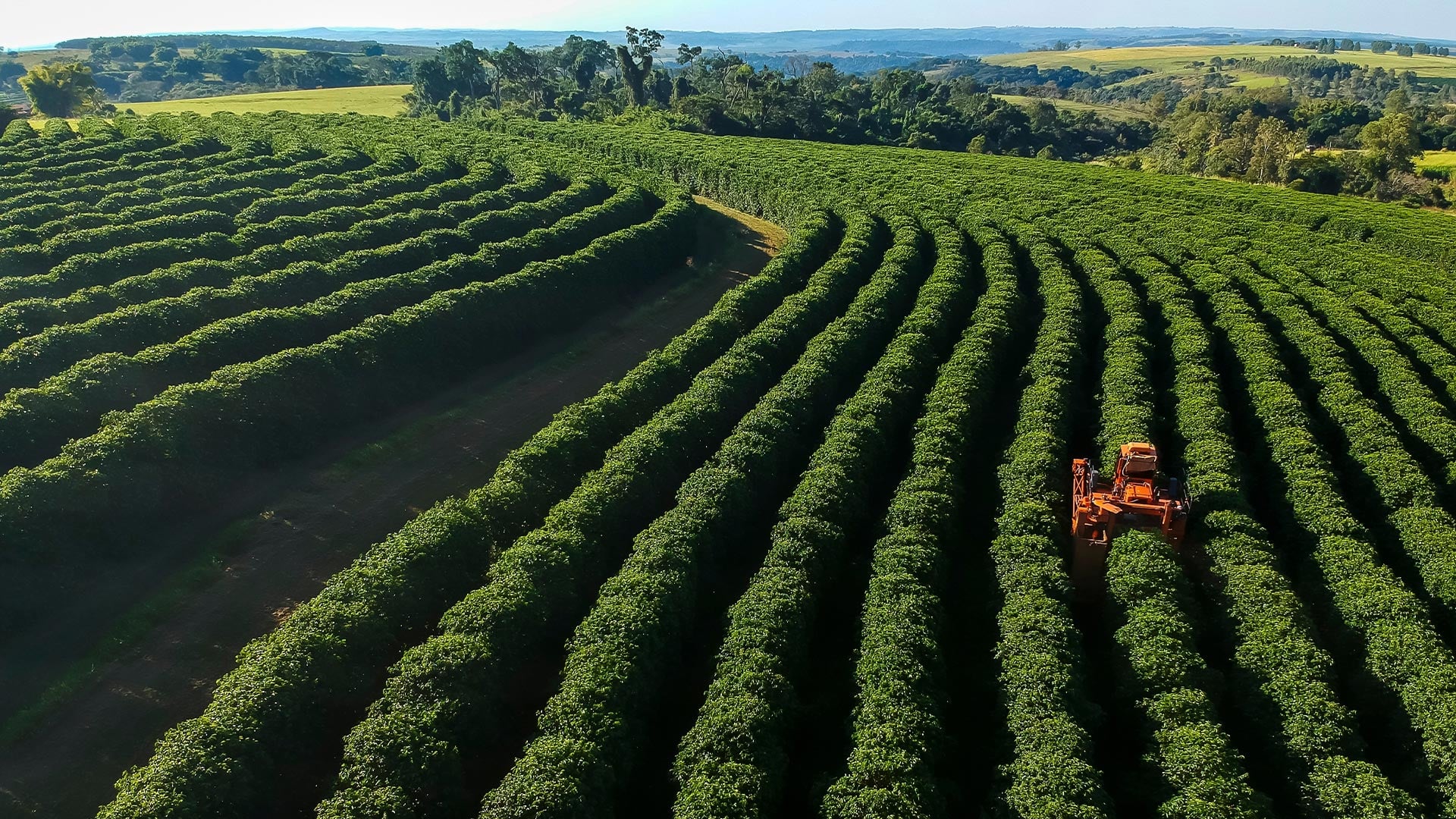
<https://scitechdaily.com/images/Coffee-Plantation-Field-With-Harvester.jpg>Why
cooling alone cannot protect crop yields

The study found that unpredictable rainfall and humidity played a major
role in undermining SAI’s effectiveness. Although SAI could bring down
temperatures, it may not reliably manage floods and humidity, leading to
inconsistent outcomes in crop yield and projected revenue.

“Reducing temperature with SAI alone isn’t enough,” said co-author Dr.
Ariel Morrison. “For instance, cacao species, while more tolerant of hot
temperatures than coffee and grapes, are highly susceptible to pests and
diseases caused by a combination of high temperatures, rainfall, and
humidity. Natural climate variability also cannot be ignored – it leads to
a wide range of outcomes under the same SAI scenario that could affect the
livelihoods of farmers growing cacao, coffee, and grapes.”

”SAI climate intervention may offer temporary relief from rising
temperatures in some regions, but it is not a guaranteed fix for the
challenges facing luxury crop farming. Adaptation strategies tailored to
local conditions, investment in resilient agricultural practices, and
global cooperation are essential to saving these crops and the communities
that depend on them,” adds Dr. Morrison.

Reference: “Macroclimate growing conditions for luxury crops after
stratospheric aerosol injection” by Ariel L Morrison, Elizabeth A Barnes,
James W Hurrell and Daniel M Hueholt, 4 November 2025, *Environmental
Research Letters*.
DOI: 10.1088/1748-9326/adfbff <https://doi.org/10.1088/1748-9326/adfbff>


Le mer. 5 nov. 2025 à 12:13, Geoengineering News <
[email protected]> a écrit :

> https://iopscience.iop.org/article/10.1088/1748-9326/adfbff
>
> *Authors: *Ariel L Morrison, Elizabeth A Barnes, James W Hurrell and
> Daniel M Hueholt
>
> *04 November 2025*
>
> DOI 10.1088/1748-9326/adfbff
>
> *Abstract*
> Luxury crops such as grapes, coffee, and cacao have immense economic and
> cultural importance in many regions. Climate change is affecting growing
> conditions across the globe. Natural climate variability may exacerbate the
> impact of increasing temperature and shifting precipitation patterns,
> leading to large interannual variations in yields, potentially resulting in
> revenue loss. Stratospheric aerosol injection (SAI), a form of solar
> climate intervention, has been proposed to potentially slow or reduce
> future surface temperature increases. Few studies have assessed how SAI may
> affect luxury crop growing conditions; none have done so in the context of
> natural variability. We compare daily and monthly output from two 10-member
> SAI simulations with a non-SAI simulation to assess how luxury crop growing
> conditions may change with and without SAI. For each year from 2036–2045 we
> use a composite of agroclimatic indices to determine whether a year has
> suitable conditions. We find that these SAI scenarios do not robustly
> preserve luxury crop growing conditions, despite stabilizing or reducing
> surface temperature increases compared to a scenario without SAI. Natural
> variability leads to a large spread in outcomes across ensemble members,
> due in large part to highly variable precipitation and humidity responses
> to SAI between members. In only six of the 18 regions assessed here do
> growing conditions improve in all climate realizations under SAI compared
> to the non-SAI scenario. Here, reducing disease risk is a key way that SAI
> improves luxury crop growing conditions. There is also a large
> inter-ensemble member spread in 2036–2045 revenue under SAI, underscoring
> the importance of including natural variability when assessing SAI’s
> potential influence on luxury crops. The signal is strongest in the SAI
> scenario with a lower temperature target, highlighting that scenario choice
> is also crucial in determining suitability for growing luxury crops under
> SAI.
>
> *Source: IOP SCIENCE *
>
> --
> You received this message because you are subscribed to the Google Groups
> "geoengineering" group.
> To unsubscribe from this group and stop receiving emails from it, send an
> email to [email protected].
> To view this discussion visit
> https://groups.google.com/d/msgid/geoengineering/CAHJsh9-%2B-uFgedMXbuF_7AmSow1CLCA3jvSc3RMdz5Oj0Xzp%2BA%40mail.gmail.com
> <https://groups.google.com/d/msgid/geoengineering/CAHJsh9-%2B-uFgedMXbuF_7AmSow1CLCA3jvSc3RMdz5Oj0Xzp%2BA%40mail.gmail.com?utm_medium=email&utm_source=footer>
> .
>

--
You received this message because you are subscribed to the Google Groups
"geoengineering" group.
To unsubscribe from this group and stop receiving emails from it, send an email
to [email protected].
To view this discussion visit
https://groups.google.com/d/msgid/geoengineering/CAHodn98b970uaaPRtFHW82bAu1PRGN32Q%2Bc%2B6vD5Jmb5ZAONAA%40mail.gmail.com.