<https://lh3.googleusercontent.com/-cv1WpSUMS7U/T2_ztuV9HaI/AAAAAAAAAEI/jjoCDkqPBLw/s1600/Knockaway+Tree+-+Leaf.jpg>
<https://lh5.googleusercontent.com/-IdCfEJFYR3c/T2_zx0JyLvI/AAAAAAAAAEU/y_kxujeZHPM/s1600/Knockaway+Tree+-+Fruit.jpg>

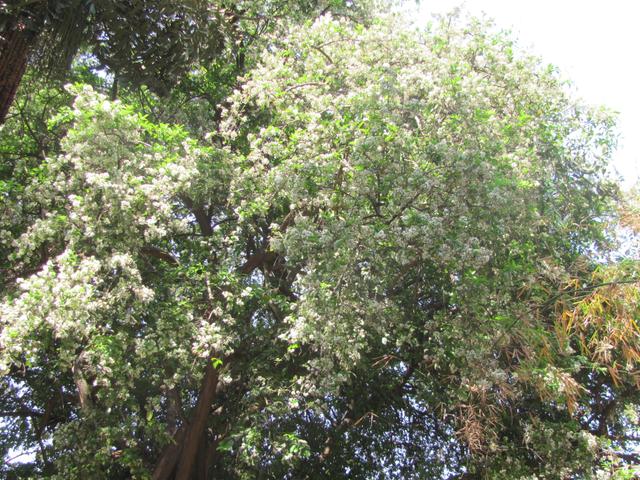
<https://lh6.googleusercontent.com/-MT8peSb80vI/T2_z3aMFDtI/AAAAAAAAAEg/7IjodauAopI/s1600/Knockaway+Tree+-+Canopy.jpg>

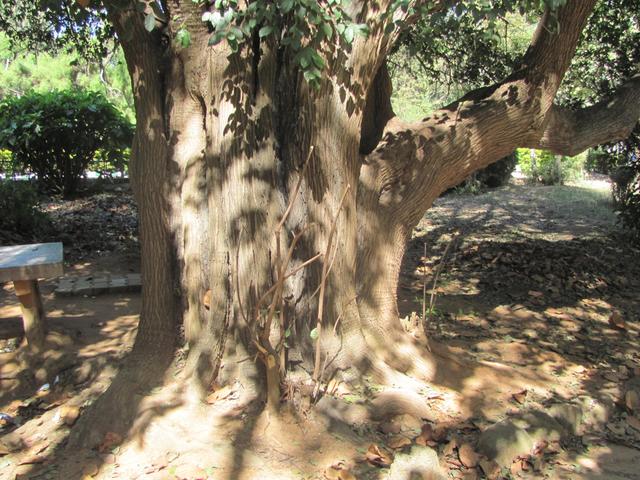
<https://lh4.googleusercontent.com/-V-eUI5mp2II/T2_z8rHiEvI/AAAAAAAAAEs/xUwSplECNkQ/s1600/Knockaway+Tree+-+Bark.jpg>

<https://lh5.googleusercontent.com/-gtsAODIS-Z0/T2_0A-vWECI/AAAAAAAAAE4/j4ZiqBtK5Zs/s1600/Knockaway+Tree+-+0006.jpg>

<https://lh3.googleusercontent.com/-ID8rKgLssYg/T2_zn9WsVyI/AAAAAAAAAD8/-j0gg4gHDLA/s1600/Knockaway+Tree+-+Flower.jpg>
Anacua reaches a height of 20–45 ft (6.1–14 m)[2] and a diameter of 0.3
m (0.98 ft),[4] often producing suckers or multiple trunks.[2] The bark is
reddish-brown to gray with narrow furrows and peeling scales. The dark
green leaves are 3–8 cm (1.2–3.1 in) and 2–4 cm (0.79–1.6 in) wide
and elliptical or ovate. Their upper surfaces are remarkably rough, feeling
like low-grade sandpaper.[4] Anacua is a partial evergreen, replacing some
of the leaves in early spring. Abundant white flowers[2] form in panicles
or cymes[5] 5–7.5 cm (2.0–3.0 in) in length at the ends of twigs,[4]
making trees appear to be covered in snow when in bloom from spring to
summer.[2] Flowers are 8 mm (0.31 in) wide and have 5 corolla lobes. The
fruits are spherical[4] drupes[6] 8 mm in diameter and yellowish-orange.[4]
The drupes contain two stones, each with two seeds.[4] In addition to being
edible by humans, the drupes are eaten by mammals and birds[2] such as the
Clay-colored Thrush.[7] The lifespan of an Anacua is at least 50 years.

Raman