Dear All,

Please, ignore this message.
One useful link -
http://www.scirp.org/journal/PaperInformation.aspx?paperID=8738

Regards,

surajit


On Tuesday, 8 May 2012 12:28:32 UTC+5:30, surajit koley wrote:
>
> Sir / Madam,
>
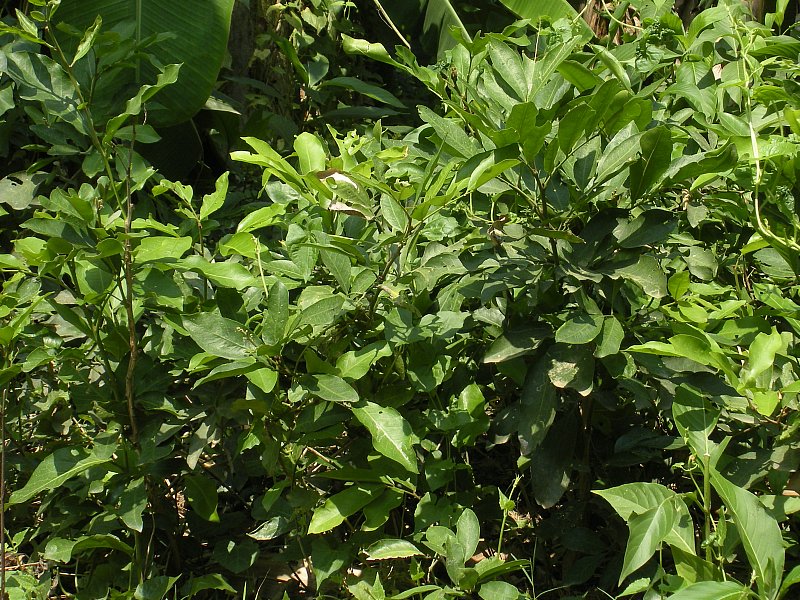
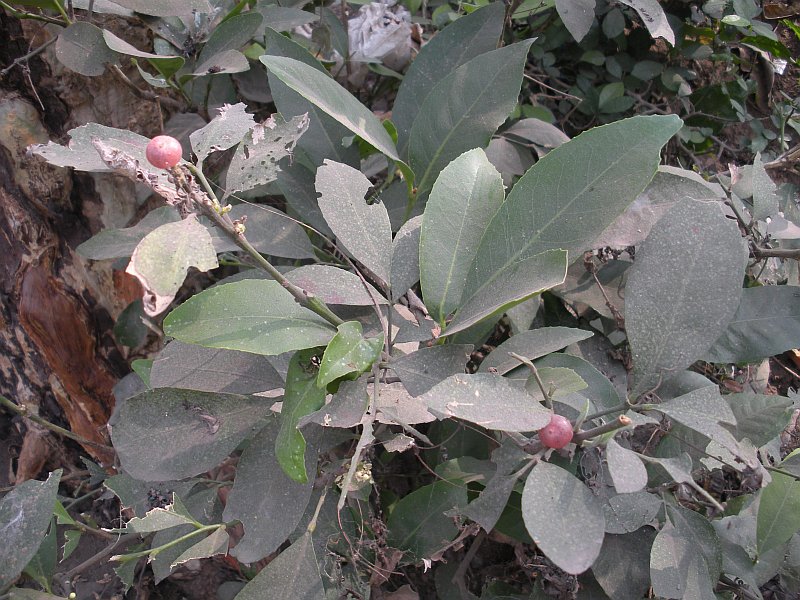
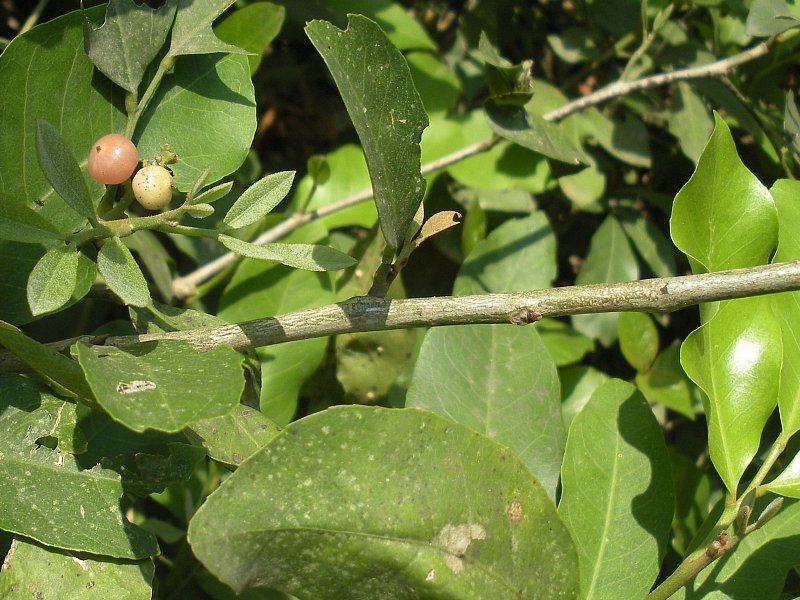
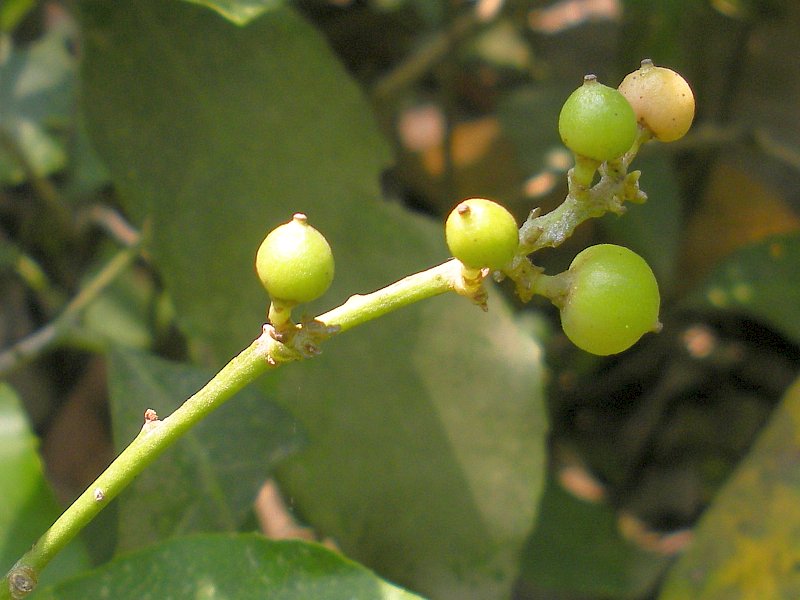
> One of the most common wild shrub in villages in Hooghly is AASH-SHYAORA
> (ASH-SHEORA). Usually these shrubs are under 3 ft height and can be termed
> as undershrub, but they can grow as high 6 ft. The importance of this plant
> is given in a nutshell under some selected photographs.
>
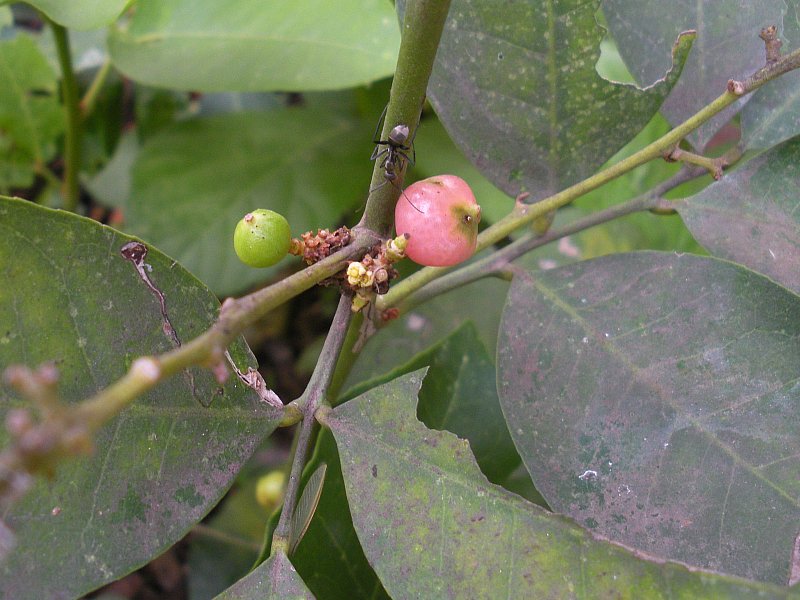
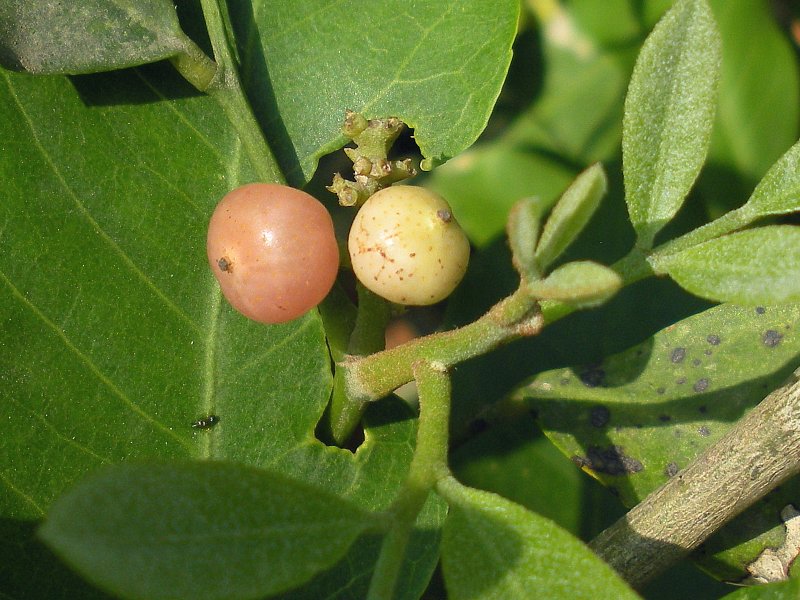
> Species : *Glycosmis pentaphylla* (Retz.) DC. (syn. *Limonia pentaphylla*
>  Retz.)
> Habit & Habitat : wild shrub, roadside, uncultivated area
> Date : 08-05-12 (today), Nov, 2011 to Jan. 2012 (butterflies)
> Place : Nalikul (Hooghly), WB
> ID help : 1)
> http://www.biotik.org/india/species/g/glycpent/glycpent_en.html 2)
> http://www.ars-grin.gov/cgi-bin/npgs/html/taxon.pl?22266
>
>
> <https://lh6.googleusercontent.com/-yyu79F_0dDQ/T6i-I7l2aiI/AAAAAAAAD1Y/r7P-hN3nGQA/s1600/DSCN3461.jpg>
>
> *hedges are used as fuel*
>
>
> <https://lh5.googleusercontent.com/-AQLoPOR2VOE/T6i-WCSExZI/AAAAAAAAD1g/QCvba091CjQ/s1600/DSCN0400.jpg>
>
>
> <https://lh5.googleusercontent.com/-8DVWrudP5Pk/T6i-dmHG_AI/AAAAAAAAD1o/tCyJIRdMIu8/s1600/DSCN0401.jpg>
>
>
> <https://lh5.googleusercontent.com/-7fU1Fyc87SI/T6i-kCyMiBI/AAAAAAAAD1w/KOoAGSnOSK4/s1600/DSCN3452.jpg>
>
>
> <https://lh5.googleusercontent.com/-JCpm0q0uL1E/T6i-sE6sqRI/AAAAAAAAD14/6qMgPf7gjrE/s1600/DSCN3453.jpg>
>
> *host of various insects*
>
>
> <https://lh6.googleusercontent.com/-XIUev1g0KFs/T6i-0uunQ3I/AAAAAAAAD2A/RV4JnOPqln0/s1600/DSCN3456.jpg>
>
>
> <https://lh5.googleusercontent.com/-Cy_RPyMdq9I/T6i-7DcsEaI/AAAAAAAAD2I/yvT33HnINjc/s1600/DSCN3457.jpg>
> *even until 1980s the young stems were used as toothbrush cum toothpaste
> by majority of the villagers (NEEM also served the same purpose)*
> *
> *
> *
> *
>
>
> <https://lh5.googleusercontent.com/-ZsnOlvVMEoA/T6jAI06BWaI/AAAAAAAAD2Q/aX77JFfcdMw/s1600/DSCN3459.jpg>
> *
> *
>
>
> <https://lh6.googleusercontent.com/-P39MAHsr17c/T6jAuovPDMI/AAAAAAAAD2Y/XCMxe-wU_ZE/s1600/butr_Neopithecops_zalmora_VSCN3822.jpg>
>
>
> <https://lh3.googleusercontent.com/-xuJ8nPOSv_s/T6jA1xMDpnI/AAAAAAAAD2g/2cXAB8IN7h8/s1600/butr_Neopithecops_zalmora_VSCN4034.jpg>
>
>
> <https://lh5.googleusercontent.com/-5YoHKUf7Ejs/T6jA68Xx4PI/AAAAAAAAD2o/CM7iINUfSrM/s1600/butr_quaker_VSCN6678.jpg>
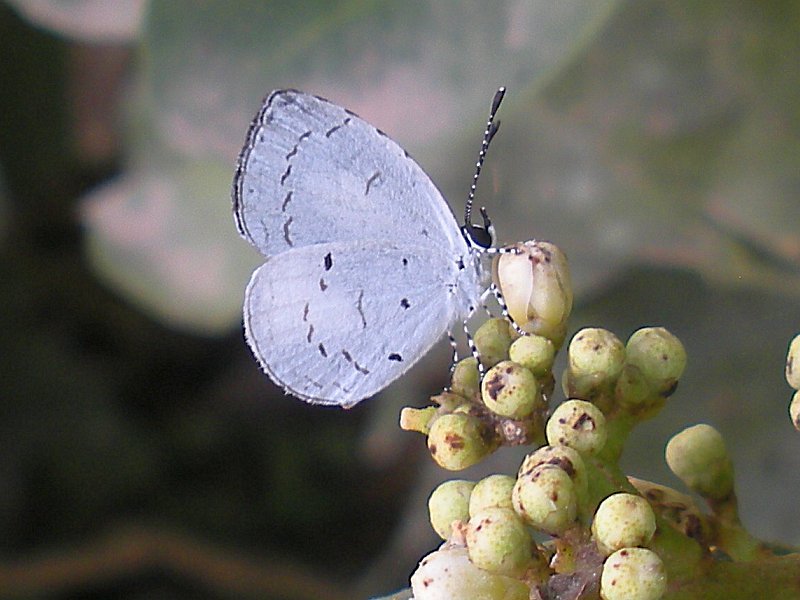
> *LF plant of Quaker
> butterfly<http://en.wikipedia.org/wiki/Neopithecops_zalmora>
> *
>
> *
> *
>
>
> <https://lh4.googleusercontent.com/-5xEshzayoX4/T6jBrQYWsgI/AAAAAAAAD2w/OIHT0mAkau4/s1600/butr_skipper_Telicota_ancilla_DSCN5735.jpg>
>
>
> <https://lh5.googleusercontent.com/-PPr3RQC1weM/T6jB5LxMGsI/AAAAAAAAD3A/iFI8l8yz2VM/s1600/butr_skipper_Telicota_ancilla_DSCN5743.jpg>
>
>
> <https://lh3.googleusercontent.com/-JzB90bZFOYM/T6jBymIw9CI/AAAAAAAAD24/9kej2KkwfZE/s1600/butr_skipper_Telicota_ancilla_DSCN5738.jpg>
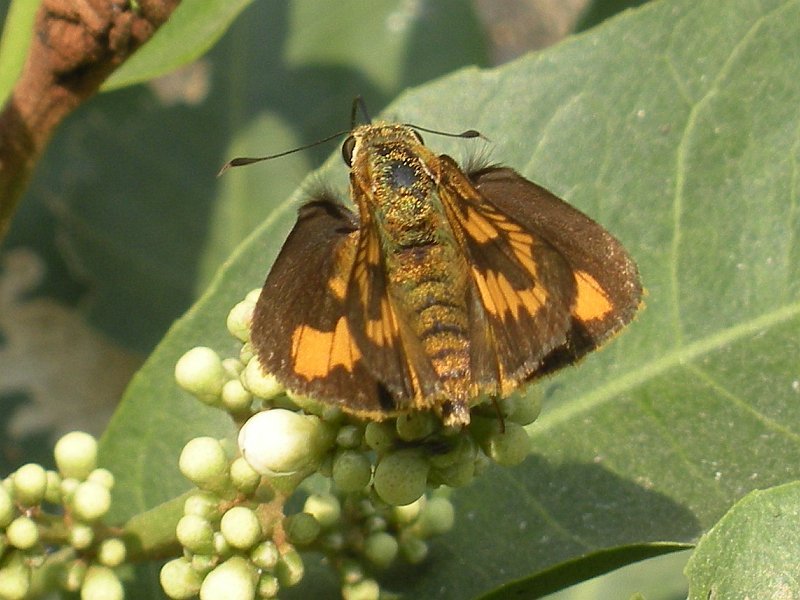
> *nectar plant for many skippers like Dark Palm
> Dart<http://en.wikipedia.org/wiki/Telicota_ancilla>(ID by Dr. Kalesh from
> ButterflyIndia)
> *
> *
> *
> *
> *
> *
> *
>
>
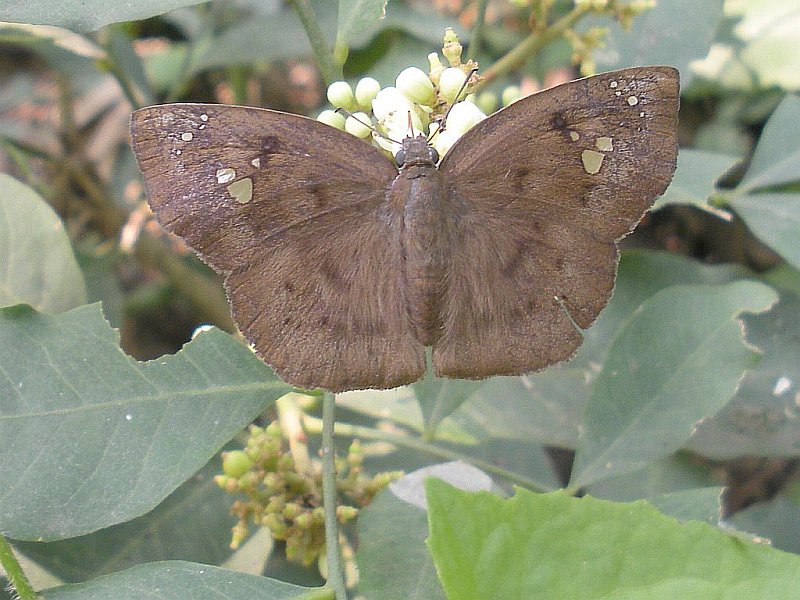
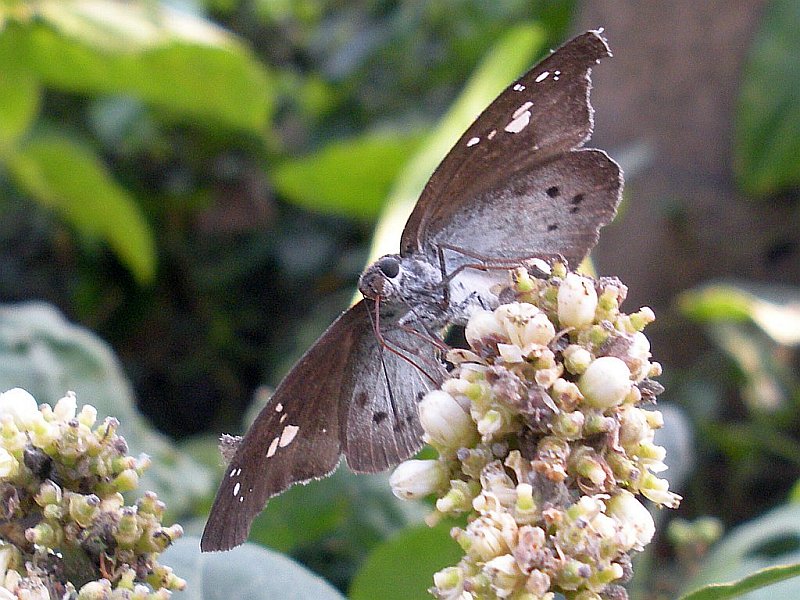
> <https://lh4.googleusercontent.com/-QWRlWCtpX60/T6jCxwpQKNI/AAAAAAAAD3I/MuJ1tftpcGU/s1600/butr_Tagiades_+japetus_VSCN4764.jpg>
>
>
> <https://lh4.googleusercontent.com/-zfJQjdypSEg/T6jC3XHuByI/AAAAAAAAD3Q/dpZ_jOyZTq4/s1600/butr_Tagiades_japetus_VSCN5053.jpg>
> *nectar plant for common snow
> flat<http://ifoundbutterflies.org/37-pyrginae/tagiades-japetus>
> *
>
>
>
> <https://lh3.googleusercontent.com/-EvUG1n8pIrQ/T6jDRHfOkBI/AAAAAAAAD3Y/4V1GXcpzYTY/s1600/butr_Ypthima_baldus_DSCN4915.jpg>
>
>
> <https://lh6.googleusercontent.com/-j5t_2nZO_i0/T6jDXMtN9SI/AAAAAAAAD3g/sEKu2h4PYE8/s1600/butr_Ypthima_baldus_DSCN4916.jpg>
> *nectar plant for many more butterflies like this one, common five
> ring<http://en.wikipedia.org/wiki/Ypthima_baldus>
> *
> *
> *
> *
> *
> *
> *
> *
> *
>
> Thank you & Regards,
>
> Surajit Koley
>