Further research...

Taking the tube apart I think I found something...

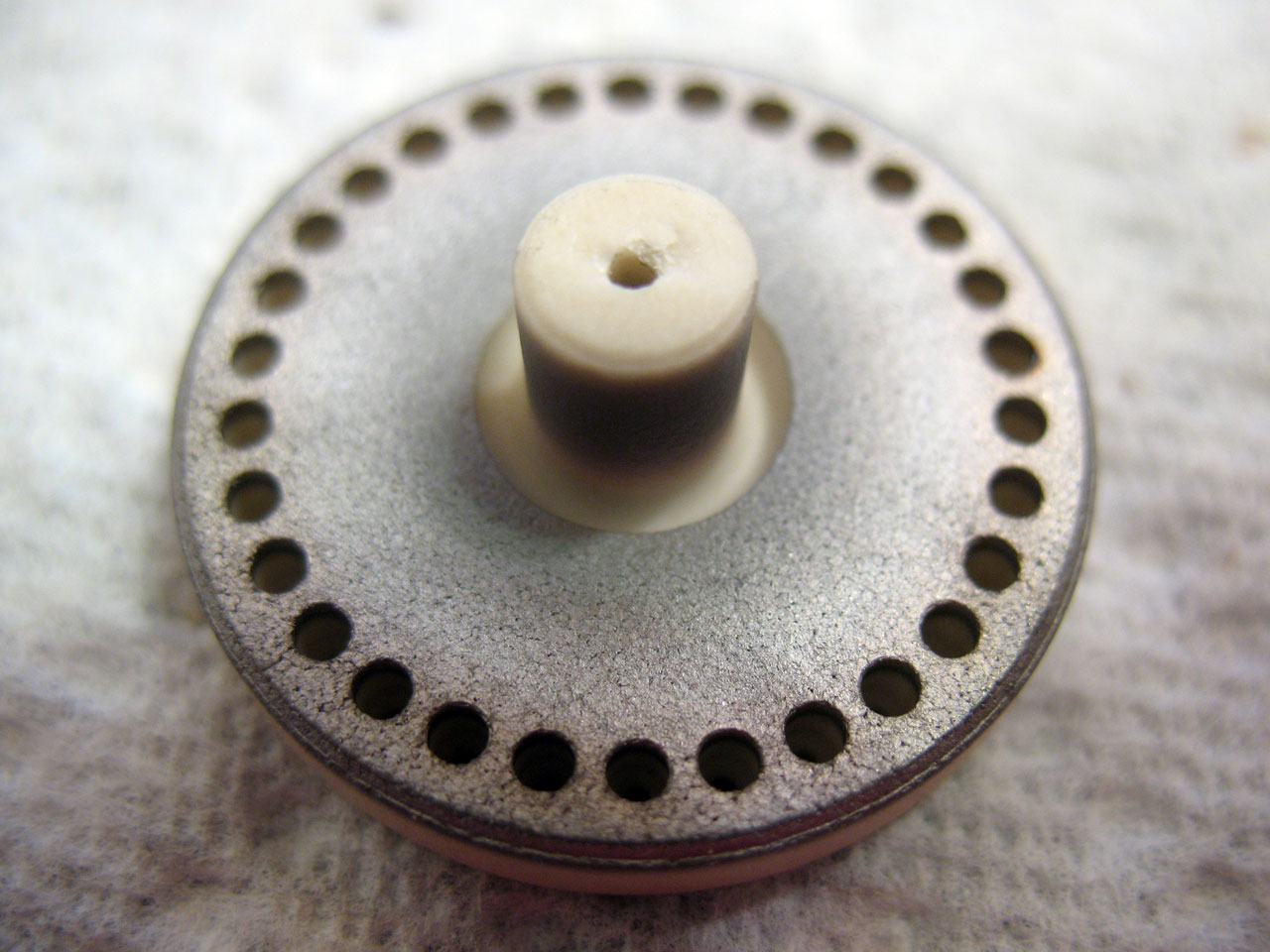
The ceramic spacer that separates the pins has a odd coating on the top
side. Its conductive. Like a thin film resistor. Its 1 Mohm from side to
side across any section of it. Its some thin metalized film deposited on
the ceramic. This seems odd to me considering the nature of whats going on
here with the pins being rather electrified. But if you look none of the
pins actually touch this part of the ceramic spacer. But the entire surface
has a conductive coating of some kind. This also appears true on the 6802's
as well.

http://www.xymox1.com/Misc/Dekatron/IMG_0306a.jpg

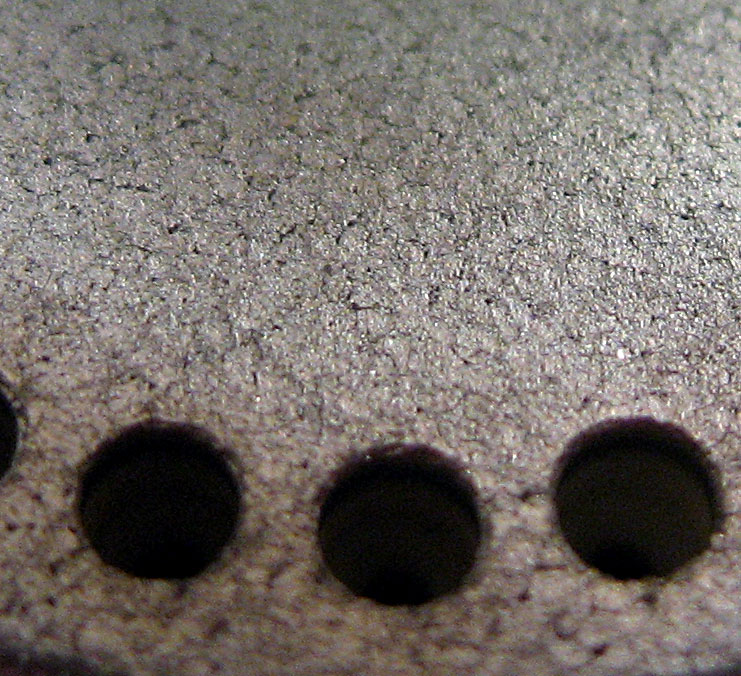
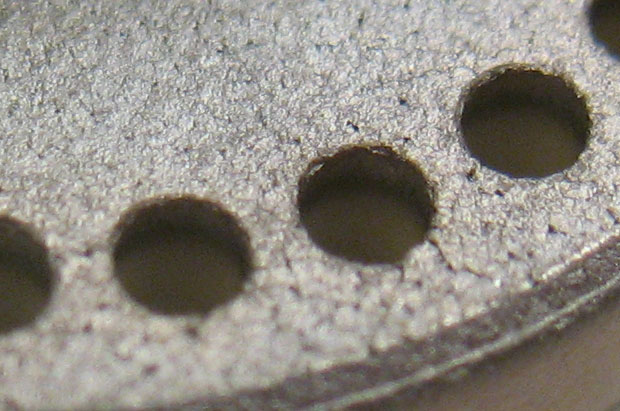
Now the interesting part is the film seems to be decaying or changing.. Its
got a crackly surface while the ceramic is super smooth. You can see that
in the above image. In fact the new 6909 I have has FAR less of this
crackly surface. Much smoother.

Close up http://www.xymox1.com/Misc/Dekatron/IMG_0306.jpg  close up 2
http://www.xymox1.com/Misc/Dekatron/IMG_0311.jpg

After trying quite hard i could not scrape any off. So its very well
deposited onto the ceramic. Its not flaking off so these crackly patterns
are not caused by that.

So im thinking maybe a few things..

1. The gases are interacting with the thin film and maybe then when the
tube is powered this surface gets some type of charge and some very fine
dust from the corrosion of the thin film mixes into the gas. Maybe even
there is some small amount of air movement inside the tube when its
operating and this moves this conductive dust around. Then maybe this
accumulates someplace and causes the tube to not work.

2. Maybe something in this material is becoming vaoprized by the electrical
currents flowing thru the film as the counter dot spins around creating
very tiny arcs inside the film and over time these vaoprize this material
and again there is some deposition on something else and this causes the
tube to fail.

Looking at the other failed tube I can see FAR more crackly surface then on
this one. This tube was worse performance. So the crackly surface might
indicate its decay state. I also noticed much more pronounced and longer
connected cracks in the crackly surface. Thet started from pins and went
radially outwards. Like arcs would away from a pin. There is no doubt some
current must end up in this film from each pin. So maybe the current takes
the same path over the years and etches out these cracks in the surface all
the while vaoprizing the conductive material that then mixes with the gas
and moves around the inside of the tube ending up in the wrong places.
Using the tube and electrifying it might cause a vast amplification of this
process and a few days of settling later might cause the tube to not work.

These are of course just gueses..

All the other parts of the tube look fine. I doubt the mica spacers are a
issue and the metal bits dont seem likely to cause a issue.

I suppose the ceramics might be absorbing something or outgassing something
but this does not explain the very short period of operation i saw.
Vaporizing this conductive film in use and then having it move around and
redeposit might well explain what i saw..

So... MAYBE I can measure something on the remaining tube that might show
more then normal conductivity.. But I dont have a easy tester of
conductivity at high voltages..


--
You received this message because you are subscribed to the Google Groups
"neonixie-l" group.
To unsubscribe from this group and stop receiving emails from it, send an email
to [email protected].
To post to this group, send an email to [email protected].
To view this discussion on the web, visit
https://groups.google.com/d/msgid/neonixie-l/2d25f2da-108a-495e-8324-9c23f0468971%40googlegroups.com.
For more options, visit https://groups.google.com/groups/opt_out.