kayx23 commented on code in PR #12727:
URL: https://github.com/apache/apisix/pull/12727#discussion_r2497167527
########## docs/zh/latest/tutorials/manage-api-consumers.md: ########## @@ -0,0 +1,290 @@ +--- +title: 管理 API 消费者 +keywords: + - API 网关 + - Apache APISIX + - Rate Limit + - Consumer + - Consumer Group +description: This tutorial explains how to manage your single or multiple API consumers with Apache APISIX. +--- + +<!-- +# + +# Licensed to the Apache Software Foundation (ASF) under one or more +# contributor license agreements. See the NOTICE file distributed with +# this work for additional information regarding copyright ownership. +# The ASF licenses this file to You under the Apache License, Version 2.0 +# (the "License"); you may not use this file except in compliance with +# the License. You may obtain a copy of the License at +# +# http://www.apache.org/licenses/LICENSE-2.0 +# +# Unless required by applicable law or agreed to in writing, software +# distributed under the License is distributed on an "AS IS" BASIS, +# WITHOUT WARRANTIES OR CONDITIONS OF ANY KIND, either express or implied. +# See the License for the specific language governing permissions and +# limitations under the License. +# +--> + +本教程介绍了如何使用 Apache APISIX 管理单个或多个 API 消费者(API Consumers)。 + +如今,[API](https://en.wikipedia.org/wiki/API) 使得多个系统、内部服务以及第三方应用能够轻松且安全地互联。API 消费者(API consumers)对于 API 提供方来说是最重要的利益相关者之一,因为他们与 API 及开发者门户的交互最为频繁。本文将介绍如何使用开源 API 管理解决方案 [Apache APISIX](https://apisix.apache.org/) 来管理单个或多个 API 消费者。 + +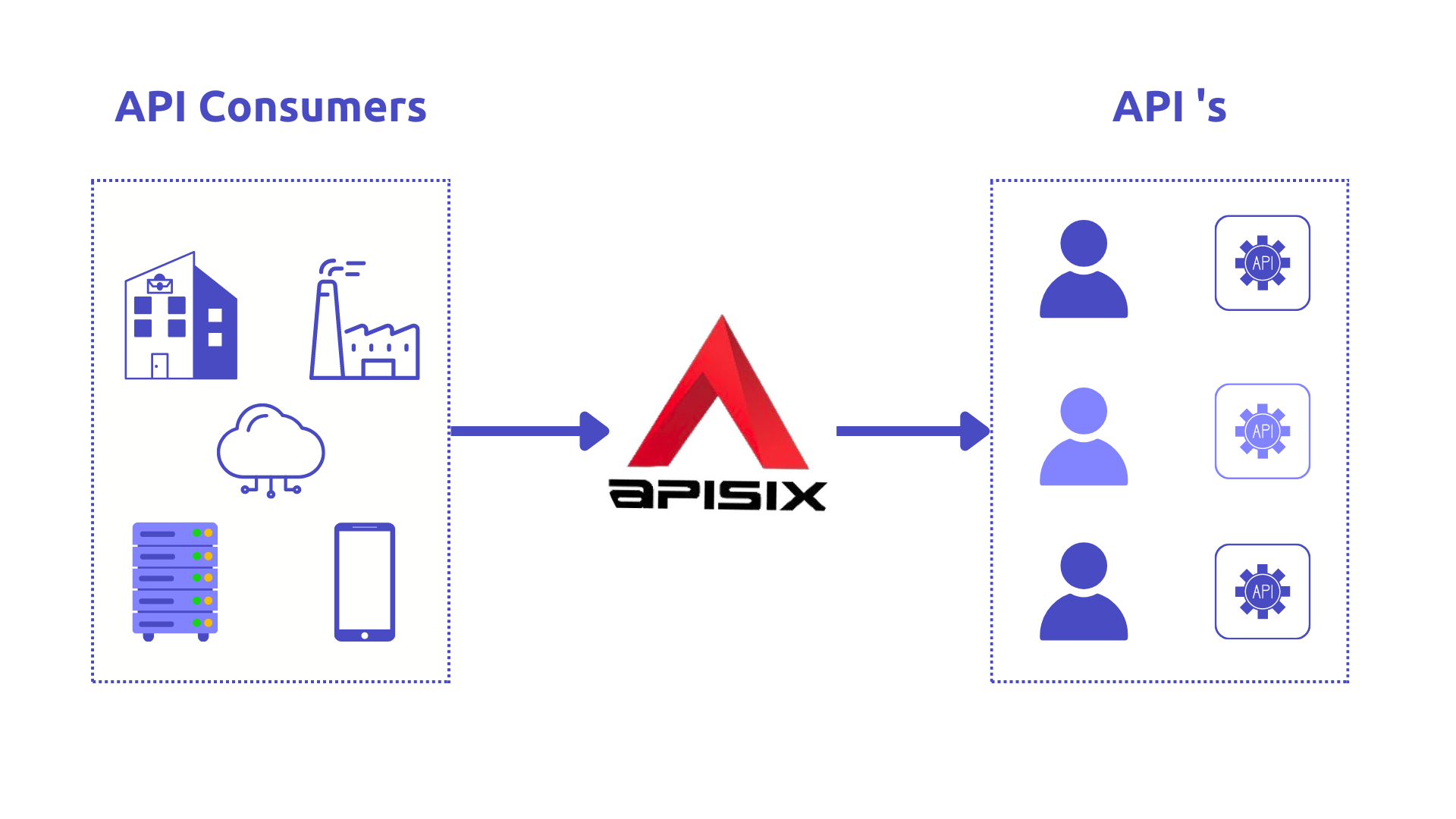 + +## API 消费者(API Consumers) + +API 消费者是指使用某个 API 的用户,但他们并不会专门为该 API 开发应用。换句话说,API 消费者就是 API 的使用者。 +例如,市场部门可能会使用 [Facebook API](https://developers.facebook.com/docs/) 来分析社交媒体上对特定活动的反馈,他们会在需要时向提供的 API 发送独立且不定期的请求。 + +一个 [API 管理](https://en.wikipedia.org/wiki/API_management) 解决方案需要能够识别谁是 API 的消费者,以便针对不同的消费者配置不同的规则。 + +## Apache APISIX 中的消费者(Consumers) + +在 Apache APISIX 中,[Consumer 对象](https://apisix.apache.org/zh/docs/apisix/terminology/consumer/) 是 API 消费者访问通过 [API 网关(API Gateway)](https://apisix.apache.org/zh/docs/apisix/terminology/api-gateway/) 发布的 API 的主要方式。 +当不同的消费者请求同一个 API,而你需要针对不同消费者执行不同的 [插件(Plugin)](https://apisix.apache.org/zh/docs/apisix/terminology/plugin/) 或 [上游(Upstream)](https://apisix.apache.org/zh/docs/apisix/terminology/upstream/) 配置时,Consumer 概念会非常有用。 + +通过 Apache APISIX API 网关发布 API 后,可以轻松使用消费者密钥(consumer key,也称订阅密钥 subscription key)来保护 API 访问。 +需要使用已发布 API 的开发者必须在调用这些 API 的 `HTTP` 请求中包含有效的订阅密钥。若订阅密钥无效,API 网关会立即拒绝请求,而不会将其转发到后端服务。 + +消费者可以关联不同的作用范围:按插件、所有 API 或单个 API。 +在 API 网关中,结合插件使用消费者对象可以实现多种场景: + +1. 为不同消费者启用不同的认证方式。 + 当消费者尝试通过不同认证机制(如 [API key](https://apisix.apache.org/zh/docs/apisix/plugins/key-auth/)、[Basic](https://apisix.apache.org/zh/docs/apisix/plugins/basic-auth/)、或基于 [JWT](https://apisix.apache.org/zh/docs/apisix/plugins/jwt-auth/) 的认证)访问 API 时,这种机制非常有用。 +2. 限制特定消费者对 API 资源的访问。 +3. 根据消费者将请求路由到相应的后端服务。 +4. 定义数据消费的速率限制。 +5. 分析单个消费者或消费者子集的数据使用情况。 + +## Apache APISIX Consumer 示例 + +下面我们来看一个示例,演示如何结合 [key-auth](https://apisix.apache.org/zh/docs/apisix/plugins/key-auth/) 认证插件(API Key)与 [limit-count](https://apisix.apache.org/zh/docs/apisix/plugins/limit-count/) 插件,为单个消费者或一组消费者配置限流策略。 + +在本示例中,我们将使用一个基于 [ASP.NET Core Web API](https://learn.microsoft.com/en-us/aspnet/core/?view=aspnetcore-7.0) 的 [示例项目](https://github.com/Boburmirzo/apisix-api-consumers-management),该项目包含一个简单的 `GET` 接口,用于获取商品列表。 +项目的运行方式可在其 [README 文件](https://github.com/Boburmirzo/apisix-api-consumers-management#readme) 中找到详细说明。 + +--- + +### 为单个消费者启用限流(Rate Limiting) + +假设此时示例项目已经启动运行。 +要将消费者对象与上述两个插件配合使用,我们需要执行以下步骤: + +1. 创建一个新的 **Consumer(消费者)**。 +2. 为该消费者配置认证插件 `key-auth` 和限流插件 `limit-count`。 +3. 创建新的 **Route(路由)**,并设置路由规则(如有需要)。 +4. 为该路由启用 `key-auth` 插件配置。 + +以上步骤只需通过两条 [curl 命令](https://en.wikipedia.org/wiki/CURL) 调用 APISIX 的 [Admin API](https://apisix.apache.org/zh/docs/apisix/admin-api/) 即可完成。 + +--- + +第一条命令创建一个启用了 API Key 认证的 **新消费者**,并配置限流规则: +该消费者在 60 秒内最多只能调用产品 API 两次。 + +```shell +curl http://127.0.0.1:9180/apisix/admin/consumers -H "X-API-KEY: $admin_key" -X PUT -d ' +{ + "username":"consumer1", + "plugins":{ + "key-auth":{ + "key":"auth-one" + }, + "limit-count":{ + "count":2, + "time_window":60, + "rejected_code":403, + "rejected_msg":"Requests are too many, please try again later or upgrade your subscription plan.", + "key":"remote_addr" + } + } +}' +``` + +--- + +接下来,我们定义一个新的 **Route(路由)** 与 **Upstream(上游)**, +使得所有到达网关端点 `/api/products` 的请求在通过认证后,都会被转发到示例项目的产品服务。 + +```shell +curl http://127.0.0.1:9180/apisix/admin/routes/1 -H "X-API-KEY: $admin_key" -X PUT -d ' +{ + "name": "Route for consumer request rate limiting", + "methods": [ + "GET" + ], + "uri": "/api/products", + "plugins": { + "key-auth": {} + }, + "upstream": { + "type": "roundrobin", + "nodes": { + "productapi:80": 1 + } + } +}' +``` + +在此配置下,Apache APISIX 将正常处理前两次请求, +但在相同的 60 秒时间窗口内的 **第三次请求** 将返回一个 `403` HTTP 状态码。 + +```shell +curl http://127.0.0.1:9080/api/products -H 'apikey: auth-one' -i +``` + +如果在 60 秒内连续调用三次接口,示例输出如下: + +```shell +HTTP/1.1 403 Forbidden +Content-Type: text/plain; charset=utf-8 +Transfer-Encoding: chunked +Connection: keep-alive +Server: APISIX/2.13.1 + +{"error_msg":"Requests are too many, please try again later or upgrade your subscription plan."} +``` + +当请求次数达到阈值后,APISIX 将拒绝后续请求。 + +--- Review Comment: why use `---` here? -- This is an automated message from the Apache Git Service. To respond to the message, please log on to GitHub and use the URL above to go to the specific comment. To unsubscribe, e-mail: [email protected] For queries about this service, please contact Infrastructure at: [email protected]

