This is an automated email from the ASF dual-hosted git repository.

juzhiyuan pushed a commit to branch master
in repository https://gitbox.apache.org/repos/asf/apisix-website.git
The following commit(s) were added to refs/heads/master by this push:
new 901b516 docs: add UPYUN public gateway usecase blog (#848)
901b516 is described below
commit 901b516bd3c705c5ee8674ce16d0ff0f78d0b09d
Author: Sylvia <[email protected]>
AuthorDate: Thu Jan 20 15:17:20 2022 +0800
docs: add UPYUN public gateway usecase blog (#848)
---
.../2022/01/20/upyun-public-gateway-usecase.md | 124 +++++++++++++++++++++
.../2022/01/20/upyun-public-gateway-usecase.md | 123 ++++++++++++++++++++
2 files changed, 247 insertions(+)
diff --git a/website/blog/2022/01/20/upyun-public-gateway-usecase.md
b/website/blog/2022/01/20/upyun-public-gateway-usecase.md
new file mode 100644
index 0000000..98c6c78
--- /dev/null
+++ b/website/blog/2022/01/20/upyun-public-gateway-usecase.md
@@ -0,0 +1,124 @@
+---
+title: "The Practice of Public Gateway in CDN Scenario from UPYUN"
+author: "Sylvia"
+authorURL: "https://github.com/SylviaBABY";
+authorImageURL: "https://avatars.githubusercontent.com/u/39793568?v=4";
+keywords:
+- UPYUN
+- CDN
+- Apache APISIX
+- Gateway
+- Open Source
+description: In the previous sharing, we brought you the application of cloud
at the Ingress level. This time, we will introduce you to the current cloud
application examples under the public network gateway scenario, hoping to bring
you some practical Apache APISIX scenarios to share in the cloud storage
industry.
+tags: [User Case]
+---
+
+> In the previous sharing, we brought you the application of cloud at the
Ingress level. This time, we will introduce you to the current cloud
application examples under the public network gateway scenario, hoping to bring
you some practical Apache APISIX scenarios to share in the cloud storage
industry.
+
+<!--truncate-->
+
+## Overview
+
+[UPYUN](https://www.upyun.com/) is one of the users who have deployed Apache
APISIX in their business scenarios. With scenario-based CDN as its core
business, UPYUN provides customers with cloud storage, cloud processing, cloud
security, traffic marketing and other services to help users achieve
accelerated content distribution, accelerated product development and
accelerated business growth.
+
+At present, Apache APISIX has been used and deployed in two business
scenarios: "Public Gateway" and "Ingress Gateway". The community has previously
published a [use case sharing about the use of Apache APISIX Ingress in
UPYUN](https://apisix.apache.org/blog/2021/09/24/youpaicloud-usercase/) and
this time we will introduce you some current application examples in the
"public gateway" scenario, hoping to bring you some practical Apache APISIX
scenarios in the "cloud storage" industry.
+
+## Scenario Use Case
+
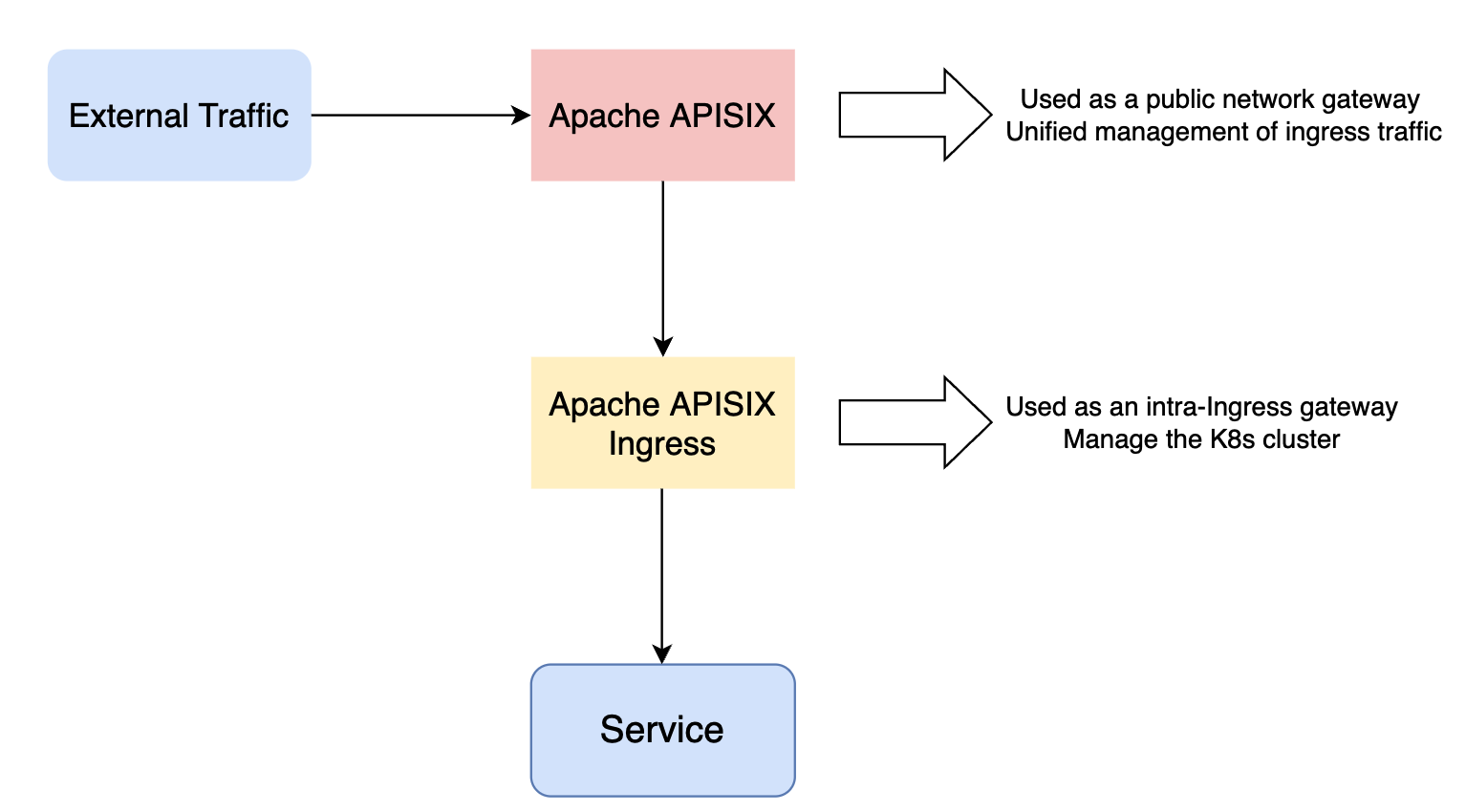
+The current internal gateway architecture is shown in the figure below. The
external traffic is transferred to the internal through Apache APISIX, and then
the traffic is transferred to APISIX Ingress through Apache APISIX, and finally
reaches the back-end service for subsequent business processing.
+
+
+
+As the first gateway for external traffic, the public gateway has to take up
the heavy responsibility to control all the external traffic into the internal
data center.
+
+The original public gateway deployment is Kong, but now Kong has been slowly
migrated to Apache APISIX. Currently, 30% of the traffic handled by Kong has
been migrated to APISIX, and the migration is still in progress.
+
+The reason for switching from Kong to APISIX is that the Kong architecture
requires a connection to a PostgreSQL database. When adding routes or
restarting routes, there are thousands and thousands of connections to Postgre,
and once they are updated or restarted, there is no way to control the set of
connections, even with a proxy on the front side, especially the more routes
there are.
+
+Based on this, Apache APISIX began to gradually take over the public network
gateway function of the cloud, and is currently mainly used in the following
business scenarios services:
+
+1. Processing API access of CDN edge nodes through APISIX gateway, mainly for
subsequent traffic management
+2. Handle static pages and technical support related traffic through APISIX
+
+Since the full migration is not yet completed, Apache APISIX is currently
connected to only 3 internal data centers with about 20 machines. In terms of
traffic processing, Apache APISIX has done a good job in backing up and
carrying traffic.
+
+As a public network gateway, Apache APISIX not only provides unified traffic
management at the entrance, but also provides different functions for user
login and other scenarios at the data level.
+
+### Plug-in scenario: Login to internal platform
+
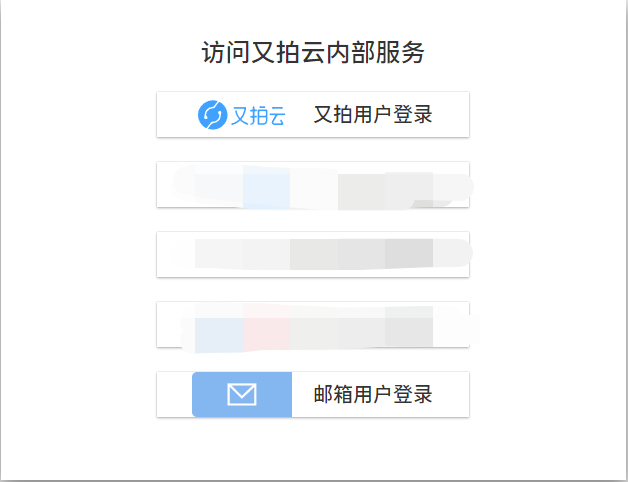
+At present, within the company, employees need to log in to the internal
platform through email and Fishu and other related authentication for access.
+
+Specific code examples are as follows.
+
+```json
+ "openid-connect": {
+ "access_token_in_authorization_header": false,
+ "bearer_only": false,
+ "client_id": "upyun-oauth",
+ "client_secret": "xxxx",
+ "disable": false,
+ "discovery":
"https://xxxx.upyun.com/oauth2/.well-known/openid-configuration";,
+ "introspection_endpoint_auth_method": "client_secret_basic",
+ "logout_path": "/logout",
+ "realm": "apisix",
+ "redirect_uri": "/upyun-oauth",
+ "scope": "openid email profile offline_access",
+ "session_contents": {
+ "access_token": true,
+ "user": true
+ },
+ "set_access_token_header": false,
+ "set_id_token_header": false,
+ "set_userinfo_header": true,
+ "timeout": 15
+ },
+```
+
+Using the `openid-connect` plugin of Apache APISIX, you can easily interface
with the above platforms for employee authentication, and then unify the login
to the management platform of UPYUN.
+
+
+
+### Plug-in scenario: linkage with Feishu task reminder
+
+In a more detailed application scenario, FeiShu's application is also linked
with the openid-connect plug-in and serverless-post-function plug-in.
+
+Through the cooperation of the above plug-ins, relevant user information
(username, email or unique user identification within the Fishu application)
can be transmitted to the services behind the public network gateway. The
gateway gets the relevant identification information and forwards it to the
server to complete the linkage function such as Fishu reminder or @.
+
+```c
+return function(config, ctx)
+ local core = require('apisix.core');
+ local user = ngx.req.get_headers()['X-Userinfo'];
+....
+ if name then
+ if not ctx.consumer_name then
+ ctx.consumer_name = name;
+ end;
+ core.request.set_header(ctx, 'X-Forwarded-Username', name)
+ end;
+ if user_id then
+ core.request.set_header(ctx, 'X-Forwarded-UserID', user_id)
+ end;
+end
+```
+
+Of course, you can also use the `consumer-restriction` plugin to restrict the
Consumer's permissions in this process.
+
+## Key factors affecting gateway selection under CDN business
+
+As an enterprise user of Apache APISIX, and a business scenario of
scenario-based CDN for cloud storage and multi-line processing, YapiCloud also
shares some of their criteria for gateway product selection.
+
+### Stability
+
+As the external distribution of business on the cloud, the first thing that
matters is stability. A stable gateway business products, in addition to ensure
the external user experience, but also to ensure that the company's internal
business deployment of operation and maintenance costs can be effectively
controlled. Especially for some companies that are small or have few O&M team
members, stability is the key factor to be considered first.
+
+### Open source and scalability
+
+For the technical team, open source or not also becomes an important factor in
gateway selection. Thanks to the active nature of the community, the first
feedback to the community when a bug appears is usually responded to quickly.
Unlike closed-source software, if a bug appears, you may not know how long you
have to wait to receive a new version with bug fixes after feedback through
official channels. Especially for the cloud business processing situation, the
response speed is directly [...]
+
+At the same time, the high scalability of open source also brings developers
more convenient adaptation and integration. Multi-language extensions such as
Apache APISIX facilitate the development of more features based on APISIX for
their business scenarios. While reducing development costs, it also improves
the convenience for subsequent feature iterations and maintenance.
+
+## Summary
+
+We hope that this series of user cases will provide some ideas and directions
for you in the process of gateway selection.We hope that this series of user
cases will provide some ideas and directions for you in the gateway selection
process.
+
+At the same time, Apache APISIX also welcomes users who are using APISIX to
actively participate in sharing related user cases and practices, and feel free
to start discussions in [GitHub
Discussions](https://github.com/apache/apisix/discussions) or communicate via
[mailing list](https://apisix.apache.org/zh/docs/general/subscribe-guide).
diff --git
a/website/i18n/zh/docusaurus-plugin-content-blog/2022/01/20/upyun-public-gateway-usecase.md
b/website/i18n/zh/docusaurus-plugin-content-blog/2022/01/20/upyun-public-gateway-usecase.md
new file mode 100644
index 0000000..034c579
--- /dev/null
+++
b/website/i18n/zh/docusaurus-plugin-content-blog/2022/01/20/upyun-public-gateway-usecase.md
@@ -0,0 +1,123 @@
+---
+title: "CDN 业务场景下,又拍云的公网网关场景实践"
+author: "苏钰"
+authorURL: "https://github.com/SylviaBABY";
+authorImageURL: "https://avatars.githubusercontent.com/u/39793568?v=4";
+keywords:
+- 又拍云
+- CDN
+- Apache APISIX
+- 公网网关
+- 开源
+description: 在之前的分享中,我们为大家带来了又拍云在 Ingress
层面的应用。而这次我们会在公网网关场景下,给大家介绍目前又拍云的应用实例,希望能在云存储行业领域,给大家带来一些实用的 Apache APISIX 场景分享。
+tags: [User Case]
+---
+
+> 在之前的分享中,我们为大家带来了又拍云在 Ingress
层面的应用。而这次我们会在公网网关场景下,给大家介绍目前又拍云的应用实例,希望能在云存储行业领域,给大家带来一些实用的 Apache APISIX 场景分享。
+
+<!--truncate-->
+
+## 业务场景概览
+
+[又拍云](https://www.upyun.com/)是目前在业务场景中已部署 Apache APISIX 的用户之一。又拍云以场景化 CDN
为核心业务,为客户提供云存储、云处理、云安全、流量营销等服务,帮助用户实现内容分发加速、产品研发加速、业务成长加速。
+
+目前 Apache APISIX 已在又拍云内部用于「公网网关」和「Ingress
网关」两种业务场景进行使用与部署。社区内之前已经发布了一篇关于[又拍云使用 Apache APISIX Ingress
的相关用例分享](https://apisix.apache.org/zh/blog/2021/09/24/youpaicloud-usercase/),而这次我们会在「公网网关」场景下,给大家介绍一些目前又拍云的应用实例,希望能在云存储行业领域,给大家带来一些实用的
Apache APISIX 场景分享。
+
+## 场景用例展示
+
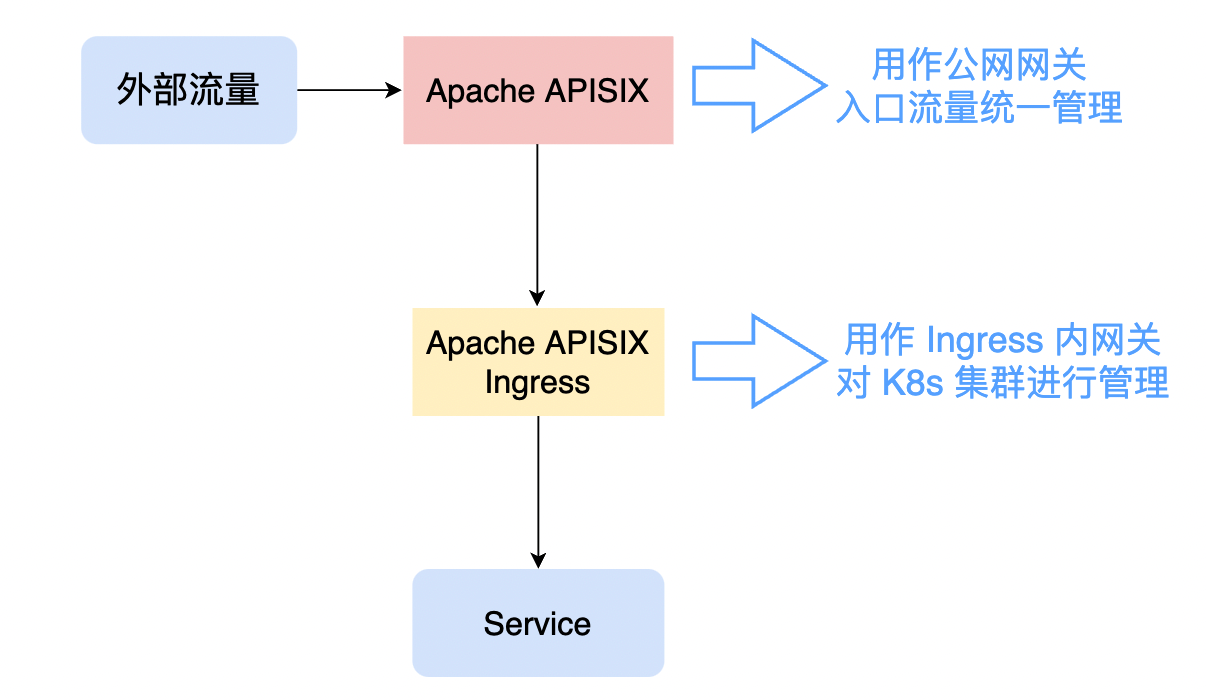
+目前又拍云内部的网关架构如下图所示。外部流量通过 Apache APISIX 传输到内部,之后再将流量通过 Apache APISIX 传输到 APISIX
Ingress,最后到达后端服务进行后续业务处理。
+
+
+
+而作为外部流量的入口第一关,公网网关则要担起重任,将外部进入内部数据中心的流量全部控制起来。
+
+又拍云原本的公网网关部署是 Kong,现在已将 Kong 慢慢迁移到 Apache APISIX 中。目前已将之前 Kong 处理流量的 30% 迁移到了
APISIX 中,迁移工作还在逐步进行。
+
+之所以将 Kong 切换为 APISIX 是因为,Kong 架构中需要连接 PostgreSQL
数据库。在添加路由或重启路由的情况下,会出现几千上万个连接链到
Postgre。而此时一旦进行更新或重启,即便在前侧加了代理也无法控制这套连接,尤其是路由越多这种情况越麻烦。
+
+基于此,Apache APISIX 开始逐步接手又拍云的公网网关功能,目前主要应用于以下业务场景服务:
+
+1. 通过 APISIX 网关处理 CDN 边缘节点的 API 访问,主要用于后续流量管理
+2. 通过 APISIX 处理官网静态页面和技术支持相关的流量
+
+由于目前还未全面迁移完毕,目前 Apache APISIX 仅对接了内部 3 个数据中心,大概 20 台机器。在流量处理方面,Apache APISIX
很出色地完成了备份与流量承载方面的需求。
+
+而作为又拍云的公网网关,Apache APISIX 除了要在入口进行统一的流量管理,还在数据层面对用户登录等场景进行了一些不同功能的使用。
+
+### 插件场景:登录内部平台
+
+目前在又拍云公司内部,员工登录内部平台需要通过邮箱和飞书等相关认证进行接入。
+具体代码示例如下:
+
+```json
+ "openid-connect": {
+ "access_token_in_authorization_header": false,
+ "bearer_only": false,
+ "client_id": "upyun-oauth",
+ "client_secret": "xxxx",
+ "disable": false,
+ "discovery":
"https://xxxx.upyun.com/oauth2/.well-known/openid-configuration";,
+ "introspection_endpoint_auth_method": "client_secret_basic",
+ "logout_path": "/logout",
+ "realm": "apisix",
+ "redirect_uri": "/upyun-oauth",
+ "scope": "openid email profile offline_access",
+ "session_contents": {
+ "access_token": true,
+ "user": true
+ },
+ "set_access_token_header": false,
+ "set_id_token_header": false,
+ "set_userinfo_header": true,
+ "timeout": 15
+ },
+```
+
+利用 Apache APISIX 的 `openid-connect` 插件,可以非常方便地对接上述平台进行员工身份认证,进而统一登录到又拍云的管理平台。
+
+
+
+### 插件场景:联动飞书任务提醒
+
+而在更细节的应用场景下,又拍云内部也通过 `openid-connect` 插件配合 `serverless-post-function`
插件完成了与飞书应用的联动。
+
+通过以上插件的配合,可以将相关用户信息(username、email
或者用户在飞书有应用内的唯一标识)等传输给公网网关后的服务。网关获取到相关标识信息后转发给服务端,完成飞书提醒或者@等联动功能。
+
+```c
+return function(config, ctx)
+ local core = require('apisix.core');
+ local user = ngx.req.get_headers()['X-Userinfo'];
+....
+ if name then
+ if not ctx.consumer_name then
+ ctx.consumer_name = name;
+ end;
+ core.request.set_header(ctx, 'X-Forwarded-Username', name)
+ end;
+ if user_id then
+ core.request.set_header(ctx, 'X-Forwarded-UserID', user_id)
+ end;
+end
+```
+
+当然,在此过程中也可以利用 `consumer-restriction` 插件对 Consumer 进行一些权限限制。
+
+## CDN 业务下,影响网关选型的关键因素
+
+作为 Apache APISIX 的企业用户,又拍云这种以场景化 CDN 进行云存储与多线处理的业务场景,在网关产品的选型上也分享了他们的一些标准。
+
+### 稳定性
+
+作为云上业务的对外分发,首先看重的必然是稳定性。一个具有稳定性的网关业务产品,除了能保证对外用户侧的使用体验外,还能保证公司内部业务部署的运维成本得到有效可控。尤其是对于一些公司规模不大或者是运维团队人员不多的情况下,稳定性是其首要考虑的关键因素。
+
+### 开源与扩展性
+
+对于又拍云技术团队而言,开源与否也成为网关选型的重要因素。得益于社区的活跃属性,通常在出现 Bug
的第一时间反馈给社区就会很快得到回应。不同于闭源软件,如果出现 Bug,通过官方渠道反馈后可能还不知道要等多久才能收到官方推送带修复 Bug
的新版本。尤其是对于又拍云这种云上业务处理情况,响应速度直接关系着公司业务。
+
+同时开源的高扩展性也是给开发人员带来了更方便的适配与集成。像是 Apache APISIX 的多语言扩展,方便了又拍云在业务扩展场景下,基于 APISIX
去开发更多适用于他们业务场景的功能。在减轻开发成本的同时,也为后续的功能迭代和维护提高了便利性。
+
+## 总结
+
+又拍云作为 CDN 云上处理业务方,已经逐渐在公网网关和 Ingress 层面深度使用 Apache
APISIX。希望通过这一系列的用户案例分享,能为大家在网关选型的过程中提供一些思路与方向。
+
+同时,Apache APISIX 也欢迎正在使用 APISIX 的企业用户积极参与分享相关用户案例实践,也欢迎随时在 [GitHub
Discussions](https://github.com/apache/apisix/discussions)
中发起讨论,或通过[邮件列表](https://apisix.apache.org/zh/docs/general/subscribe-guide)进行交流。



