This is an automated email from the ASF dual-hosted git repository.

menghaoran pushed a commit to branch master
in repository https://gitbox.apache.org/repos/asf/shardingsphere.git
The following commit(s) were added to refs/heads/master by this push:
new 46c8fd3 Fix images 404 in blogs (#15174)
46c8fd3 is described below
commit 46c8fd3821d3bd2f2349b38988df88e1c53d4ab3
Author: 吴伟杰 <[email protected]>
AuthorDate: Sat Jan 29 12:12:02 2022 +0800
Fix images 404 in blogs (#15174)
---
...he_ShardingSphere_Enterprise_Applications.en.md | 16 +++++-----
..._Solution_Based_on_PostgreSQL_&_openGauss.en.md | 16 +++++-----
...ed_SQL_Statement_in_Apache_ShardingSphere.en.md | 36 +++++++++++-----------
...0_The_Ideal_Database_Management_Ecosystem.en.md | 6 ++--
...Sharding_Strategy_Based_on_Apache_ShardingS.md" | 34 ++++++++++----------
...ingSphere_Shadow_Database_Feature_Upgrade.en.md | 22 ++++++-------
...RDINGSPHERE\342\200\231S_OPERATING_MODES.en.md" | 14 ++++-----
docs/blog/content/material/Nov_22_5.0.0_New.en.md | 16 +++++-----
.../Nov_23_1_Integrate_SCTL_into_RAL.en.md | 26 ++++++++--------
...re\342\200\231s_Metadata_Loading_Process.cn.md" | 2 +-
...re\342\200\231s_Metadata_Loading_Process.en.md" | 4 +--
...ts_Participate_in_Open_Source_Communities.en.md | 4 +--
...inute_Quick_Start_Guide_to_ShardingSphere.cn.md | 4 +--
...inute_Quick_Start_Guide_to_ShardingSphere.en.md | 6 ++--
...phere_Hulu_Story_Data_Processing_Shortcut.cn.md | 2 +-
...r_Butler-Like_Sharding_Configuration_Tool.cn.md | 8 ++---
...r_Butler_Like_Sharding_Configuration_Tool.en.md | 10 +++---
...ere_One_of_the_Top_Distribution_Solutions.cn.md | 4 +--
...ere_One_of_the_Top_Distribution_Solutions.en.md | 2 +-
...dents_How_Was_Your_Open_Source_Experience.cn.md | 8 ++---
...dents_How_Was_Your_Open_Source_Experience.en.md | 10 +++---
...aitiao_Story_of_an_Implementation_Journey.cn.md | 6 ++--
...aitiao_Story_of_an_Implementation_Journey.en.md | 6 ++--
23 files changed, 131 insertions(+), 131 deletions(-)
diff --git
a/docs/blog/content/material/Jan_28_Blog_Apache_ShardingSphere_Enterprise_Applications.en.md
b/docs/blog/content/material/Jan_28_Blog_Apache_ShardingSphere_Enterprise_Applications.en.md
index 10f8470..3867156 100644
---
a/docs/blog/content/material/Jan_28_Blog_Apache_ShardingSphere_Enterprise_Applications.en.md
+++
b/docs/blog/content/material/Jan_28_Blog_Apache_ShardingSphere_Enterprise_Applications.en.md
@@ -15,11 +15,11 @@ Way back in 2018, Keep had already deployed ShardingSphere
capabilities such as
With the release of Apache ShardingSphere 5.0, the concept of Database Plus
and pluggable architecture has to some extent, reshaped the ShardingSphere
ecosystem. During our visit, we conducted in-depth exchanges and discussions
with our counterparts at Keep.
-
+
Keep engineers expressed great interest in Apache ShardingSphere 5.0. At the
event, Juan Pan, Apache ShardingSphere PMC and SphereEx CTO, presented a full
overview of the initial ShardingSphere architecture, user-end access, community
building and the [Database Plus
concept](https://www.infoq.com/articles/next-evolution-of-database-sharding-architecture/).
-
+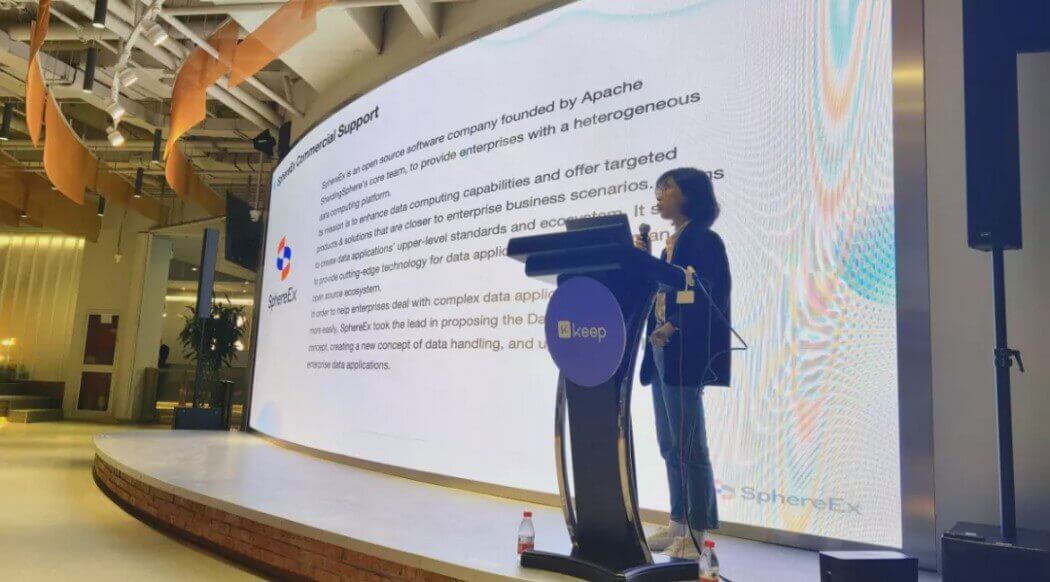
<center>Apache SahrdingSphere PMC, Pan Juan</center>
## Database Plus: Freeing DBAs and Developers
@@ -39,14 +39,14 @@ DBAs are responsible for running the whole business and
data system, including d
If the middle layer can meet transaction traffic and understand the request,
DBAs can modify the request accordingly and then more operations can be
performed. Therefore, we need to strike a balance between the two sides of
demand to carry transaction traffic and support database capacity building,
thus creating an efficient, collaborative ecosystem between the two sides.
Following the version 5.0 release, the sharding function is no longer at the
core of Apache ShardingSphere. Actually, sharding has been “downgraded” to a
secondary function in the ShardingSphere ecosystem. Following the Database Plus
concept, Apache ShardingSphere has built a pluggable architecture ecosystem,
enabling the middle layer to achieve more value-added capabilities.
-
+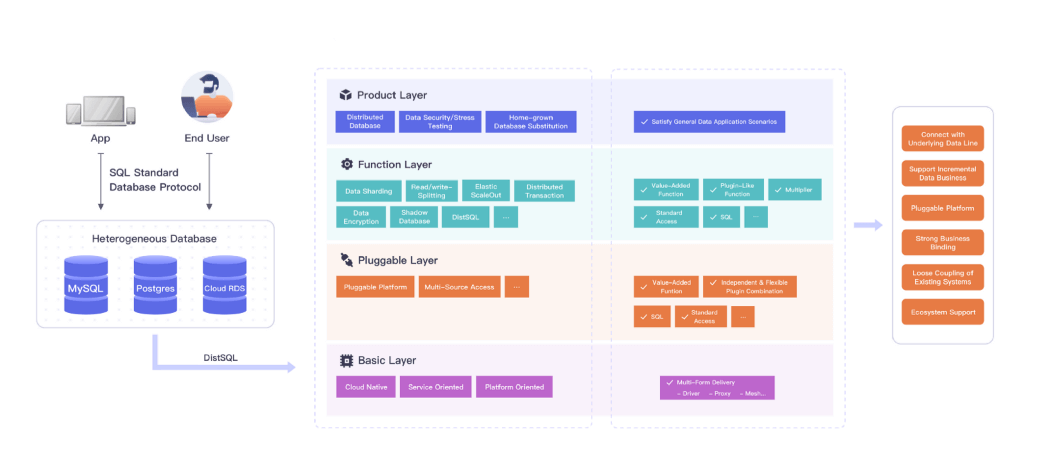
<center>ShardingSphere’s Database Plus Architecture</center>
Taking data encryption and decryption as an example, we can see how they are
generally done at the business layer because [MySQL](https://www.mysql.com/)
and other databases do not support encrypted algorithms themselves. This means
encryption & decryption is only be achievable at application and business
layers. However, this poses a problem if we consider complex online businesses
that face considerable tasks when they upgrade their encryption algorithms.
The best solution to this problem is to encrypt and decrypt data at the middle
layer.
[ShardingSphere-Proxy](https://shardingsphere.apache.org/document/current/en/user-manual/shardingsphere-proxy/)
can be directly bound to databases, be placed at the middle layer between
applications and underlying databases. ShardingSphere-proxy will feel “DB-like”
by taking advantage of protocols that are compatible with different databases,
thus deciding which node the SQL quest will fall on, letting [...]
-
+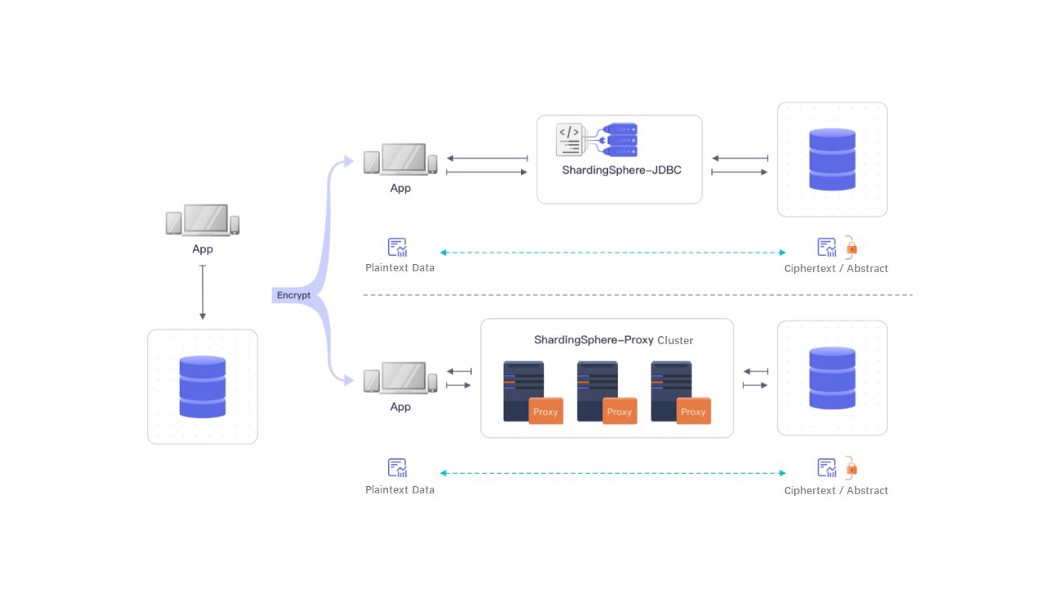
<center>ShardingSphere Encryption & Decryption Capability</center>
As such, the ShardingSphere encryption and decryption process can be separated
from the existing system of applications and databases and can be linked with
special encryption algorithms, especially in the cases where a cipher machine
is involved. ShardingSphere capabilities such as encryption can free
significant amounts of DBAs’ and developers’ time, allowing them to focus more
on businesses.
@@ -57,7 +57,7 @@ As such, the ShardingSphere encryption and decryption process
can be separated f
In November 2021, a team from the ShardingSphere community visited iQiyi the
innovation center of iQiyi for in-depth interactions and discussions with their
counterparts from Beijing and Shanghai. During the meetup, Zhang Liang, Apache
ShardingSphere PMC Chair and SphereEx Founder, provided details on the latest
Apache ShardingSphere community initiatives, its future development and
Database Mesh.
-
+
During the meetup, iQiyi was especially interested in the capabilities and
future plans of ShardingSphere and Database Mesh. here are some key takeaway
questions from the visit:
@@ -111,14 +111,14 @@ Facing diverse users' needs and increasingly diversified
products in the databas
By creating upper-level standards and ecosystems for heterogeneous databases,
Apache ShardingSphere provides diversified functions that can precisely meet
enterprise needs. As an ecosystem consisting of multiple adapters, by using a
hybrid deployment model of ShardingSphere-JDBC and ShardingSphere-Proxy, Apache
ShardingSphere enables users to configure sharding strategies through one
console and to flexibly create application systems that suit the needs in
different scenarios. This allow [...]
-
+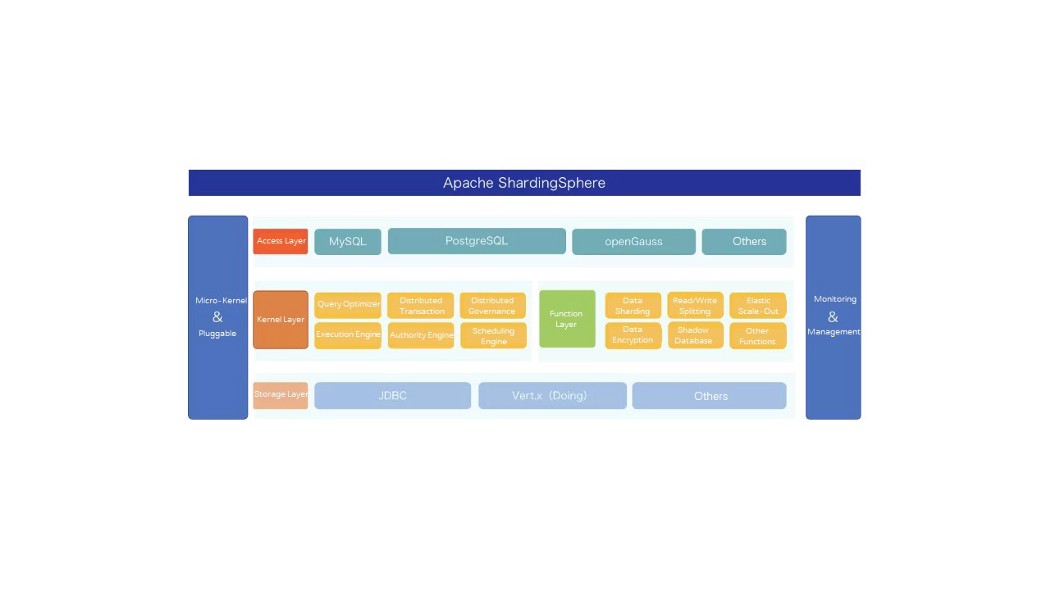
<center>ShardingSphere’s Deployment Architecture</center>
Centering around connections, incremental and pluggable features, and based on
a pluggable architecture, Apache ShardingSphere creates a powerful kernel
architecture in the form of micro-kernel.
Based on its powerful kernel capabilities, Apache ShardingSphere products can
provide users with ideal solutions for distributed database, data security,
database gateway and [full-link stress
testing](https://blog.devgenius.io/full-link-online-stress-testing-for-production-database-apache-shardingsphere-shadow-database-84f7cba56f99),
helping increase the efficiency of enterprises and users.
-
+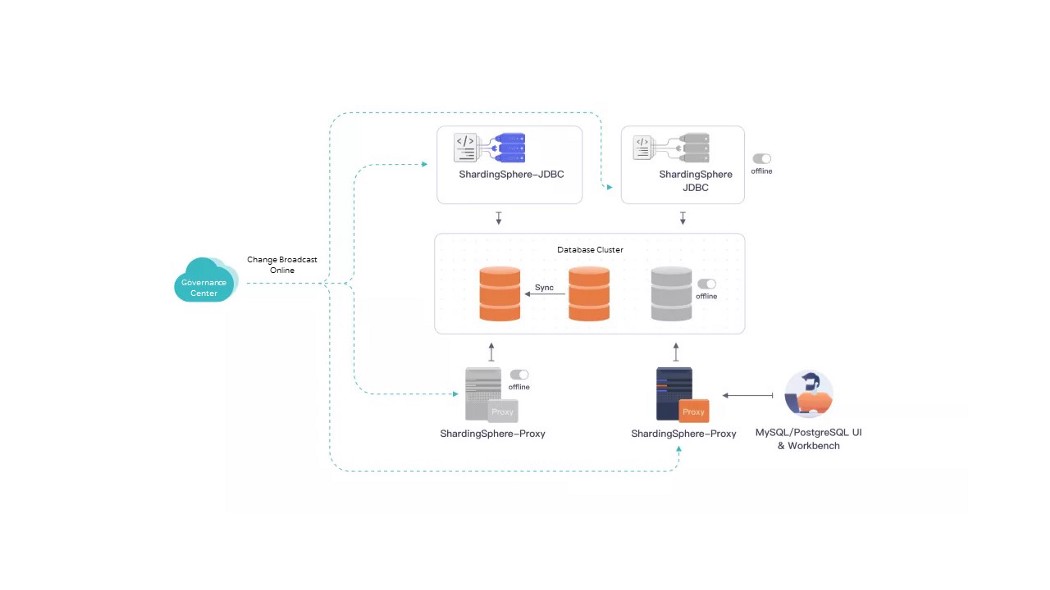
<center>Overview of Apache ShardingSphere’s Functions</center>
When it comes to future optimization, Pan believes that some deficiencies
remain in Apache ShardingSphere’s performance and this is particularly true for
ShardingSphere-Proxy’s adaptor. In the future, the community will double down
on improving its kernel, minimizing business and data performance loss of the
Proxy, improving routing and rewriting logic, reducing creating database
objects, and avoiding excess young GC.
@@ -141,7 +141,7 @@ Apache ShardingSphere Contributor
Passionate about technology and innovation, Yacine moved to Beijing to pursue
his Ph.D. in Business Administration, and fell in awe of the local startup and
tech scene. His career path has so far been shaped by opportunities at the
intersection of technology and business. Recently he took on a keen interest in
the development of the ShardingSphere database middleware ecosystem and
Open-Source community building.
-
+
diff --git
a/docs/blog/content/material/Jan_28_Blog_PG_Create_a_Distributed_Database_Solution_Based_on_PostgreSQL_&_openGauss.en.md
b/docs/blog/content/material/Jan_28_Blog_PG_Create_a_Distributed_Database_Solution_Based_on_PostgreSQL_&_openGauss.en.md
index b85b400..07310ac 100644
---
a/docs/blog/content/material/Jan_28_Blog_PG_Create_a_Distributed_Database_Solution_Based_on_PostgreSQL_&_openGauss.en.md
+++
b/docs/blog/content/material/Jan_28_Blog_PG_Create_a_Distributed_Database_Solution_Based_on_PostgreSQL_&_openGauss.en.md
@@ -20,7 +20,7 @@ This article will introduce improvements to the
ShardingSphere-Proxy 5.0.0 built
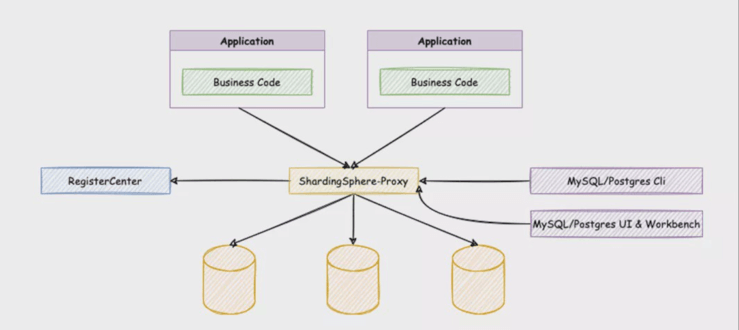
ShardingSphere-Proxy is an adapter in the ShardingSphere ecosystem and is
positioned as a transparent database proxy to users. ShardingSphere Proxy is
not limited to Java. Instead, it realizes MySQL and PostgreSQL database
protocols, and users can use various clients compatible with MySQL / PostgreSQL
protocols to access and manipulate data.
-
+
| | ShardingSphere-JDBC | ShardingSphere-Proxy |
@@ -43,7 +43,7 @@ However, since ShardingSphere-Proxy has an extra layer of
network interaction co
## ShardingSphere-Proxy and PostgreSQL Ecosystem Integration
-
+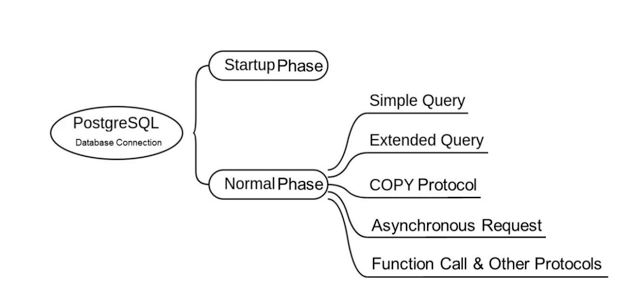
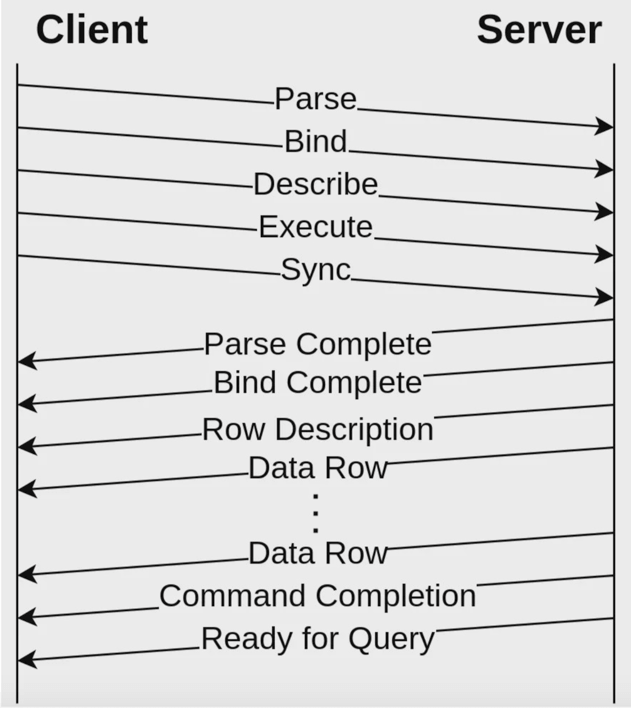
Simple Query and Extended Query are the most common protocols for most users
using PostgreSQL. For instance, when using the following command line tool
`psql` to connect PostgreSQL for CRUD operation, the Simple Query is often used
to interact with the database.
@@ -58,7 +58,7 @@ postgres=# select id, name from person where age < 35;
The protocol interaction diagram of Simple Query is as follows:
-
+
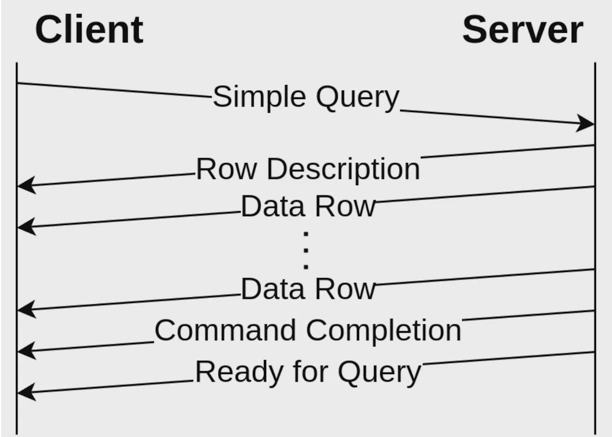
When using PostgreSQL JDBC Driver and other drivers, code is as follows
PreparedStatement, which corresponds to the Extended Query protocol in default.
@@ -69,7 +69,7 @@ ResultSet resultSet = ps.executeQuery();`
The protocol interaction diagram of Extended Query is as follows:
-
+
Currently, ShardingSphere PostgreSQL Proxy realizes protocols of Simple Query
with the most Extended Query. However, since database client end and driver
have encapsulated API for users to use, users do not need to worry about
database protocols.
@@ -109,11 +109,11 @@ At the PostgreSQL protocol layer, `Bind` can transfer one
set of parameters to f
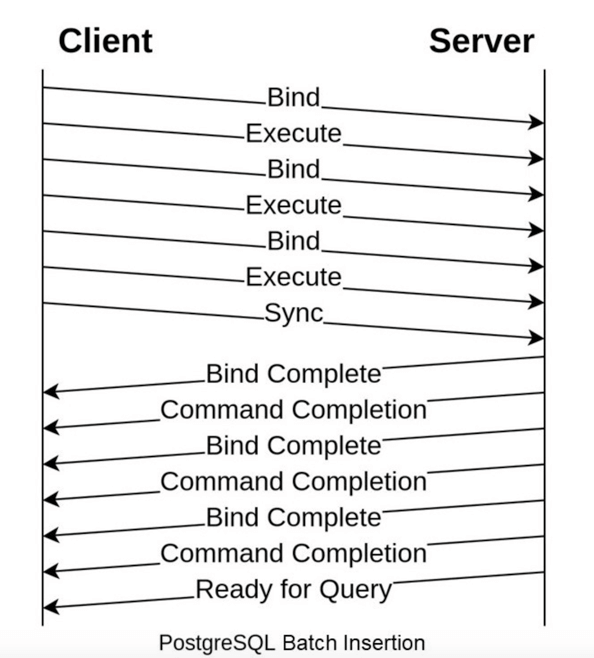
Batch insertion could be realized through the repetition of `Bind` and
`Execute`. The protocol interaction diagram is as follows:
-
+
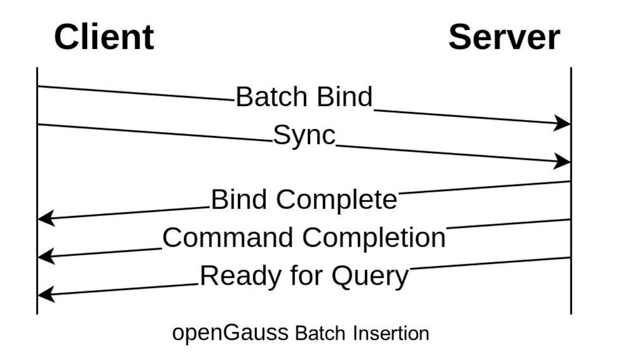
`Batch Bind` is a message exclusive to openGauss. Compared with `Bind`, `Batch
Bind` can transfer multiple sets of parameters at a time. The protocol
interaction diagram using `Batch Bind` to perform batch insertion is as follows:
-
+
ShardingSphere-Proxy openGauss supports Batch Bind protocol, meaning that
**users could use the openGauss client end or driver to perform batch insertion
of the ShardingSphere Proxy.**
@@ -125,7 +125,7 @@ ShardingSphere-Proxy is a transparent database proxy, which
means that users do
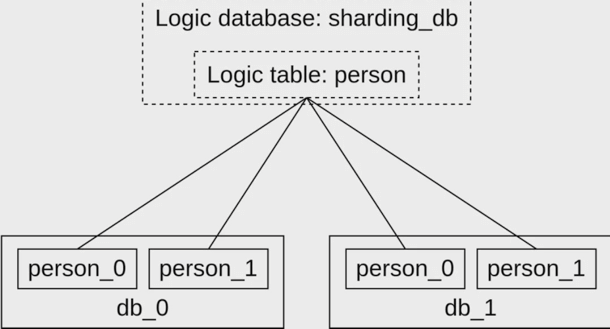
In the picture below, when configuring logic database `sharding_db` and logic
table `person` ShardingSphere-Proxy, there are four tables in two databases
behind Proxy.
-
+
Currently, when executing `show schemas` and `show tables` languages in
ShardingSphere MySQL Proxy, the query results are listed as logic database
`sharding_db` and logic table `person`.
@@ -173,4 +173,4 @@ GitHub: https://github.com/apache/shardingsphere
>Apache ShardingSphere Committer & Middleware Engineer at SphereEx.
>Contributed to the development of Apache ShardingSphere and Apache
>ShardingSphere ElasticJob.
-
+
diff --git a/docs/blog/content/material/Jan_28_Blog_X_How_to
Develop_Your_Distributed_SQL_Statement_in_Apache_ShardingSphere.en.md
b/docs/blog/content/material/Jan_28_Blog_X_How_to
Develop_Your_Distributed_SQL_Statement_in_Apache_ShardingSphere.en.md
index aab5c40..552e60c 100644
--- a/docs/blog/content/material/Jan_28_Blog_X_How_to
Develop_Your_Distributed_SQL_Statement_in_Apache_ShardingSphere.en.md
+++ b/docs/blog/content/material/Jan_28_Blog_X_How_to
Develop_Your_Distributed_SQL_Statement_in_Apache_ShardingSphere.en.md
@@ -34,17 +34,17 @@ Therefore, DistSQL provides a syntax structure and syntax
validation system simi
+ First, choose the right Test Rule:
-
+
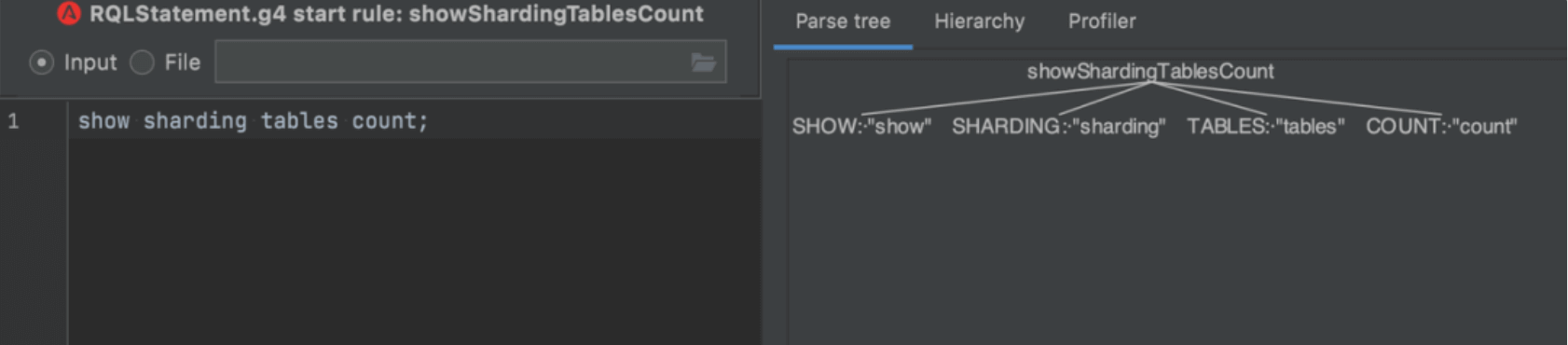
+ Input the statement to be verified in ANTLR Preview:
-
+
You need to know the DistSQL execution process as well as the basics of
synatics and plug-ins. The complete DistSQL execution process is truly
complicated, but the awesome architecture of ShardingSphere allows developers
to develop DistSQL features without having to pay attention to the whole
process.
However, you still need to take care of the following core procedures:
-
+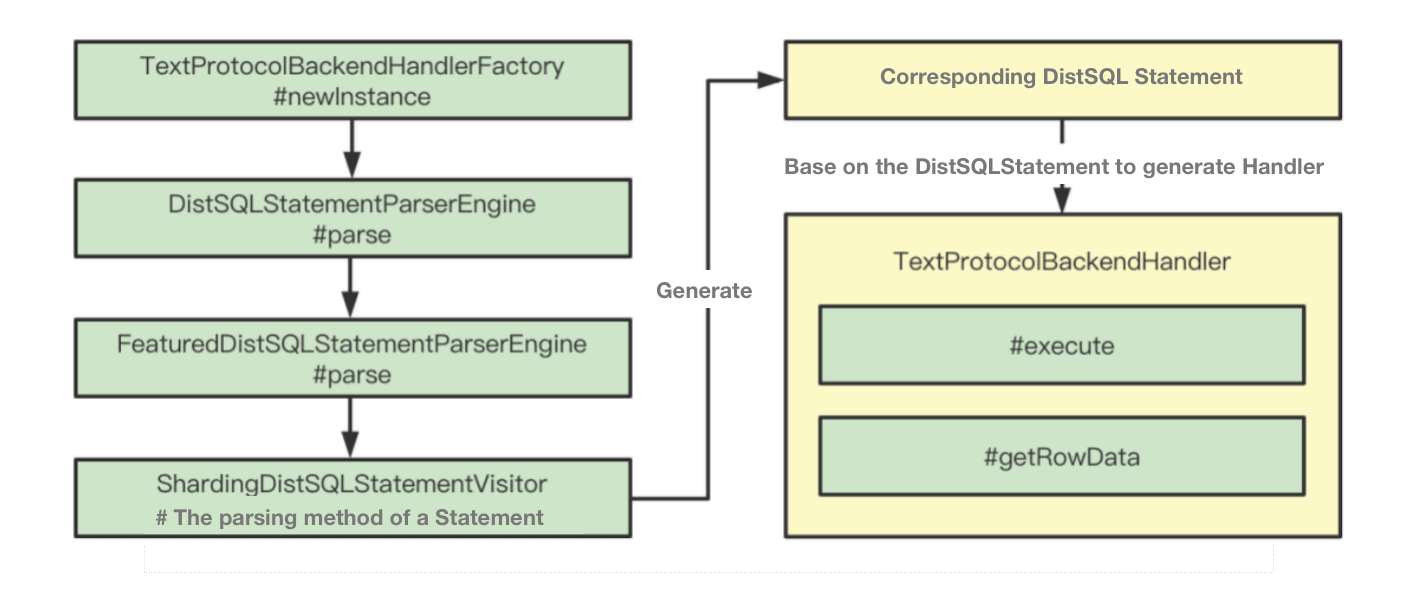
_Note: Here, we take data sharding as an example. Be aware that different
features have different visitors._
@@ -74,13 +74,13 @@ show sharding tables count [from schema] ;
Add the following statement definition into the file
`src/main/antlr4/imports/sharding/RQLStatement.g4`. When it’s done, you can use
ANTLR v4 to test it.
-
+
Please ensure that all keywords in that statement are defined. For example,
`COUNT` is an undefined statement here, so you need to define it in
`src/main/antlr4/imports/sharding/Keyword.g4'`.
After you define the statement, you also need to add it into the file
`ShardingDistSQLStatement.g4`. It's for the parsing router.
-
+
Now, it’s time to use `shardingsphere-sharding-distsql-parser` to compile and
generate the relevant objects.
@@ -88,11 +88,11 @@ Now, it’s time to use
`shardingsphere-sharding-distsql-parser` to compile and
Then you also need to add a DistSQLStatement object of the definition in
`shardingsphere-distsql-statement` to save the variable attributes of the
statement. For example, the `schemaName` of the statement definition needs to
be saved to the object `DistSQLStatement`.
-
+
Since ShardingSphere uses ANTLR’s Visitor mode, in terms of definition
handling, it is required to rewrite `visitShowShardingTableCount` in
`ShardingDistSQLStatementVisitor`. The purpose of this method is to create a
`ShowShardingTablesCountStatement` object and save the related variable
attributes to the object `DistSQLStatement`.
-
+
`shardingsphere-distsql-statement` actually depends on
`shardingsphere-sharding-distsql-parser`, so it's necessary to compile
`shardingsphere-distsql-statement`.
@@ -102,13 +102,13 @@ Data handling is managed by the `execute`method of
`Handler` or `Executor`, and
Show the execution method and the `DistSQLResultSet` as shown in the below
image:
-
+
-
+
In `ShardingTablesCountResultSet`, `init` gets and assembles data, and
`getRowData` returna row data. `getType` is also obviously in the class. The
method belongs to the `TypedSPI` interface, so `ShardingTablesCountResultSet`
also needs to add
`org.apache.shardingsphere.infra.distsql.query.DistSQLResultSet` into the
directory `src/main/resources/META-INF/services` of the current module to
complete the SPI injection. The path and content are as follows:
-
+
Now, you have successfully developed the feature of this statement definition.
@@ -117,33 +117,33 @@ Now, you have successfully developed the feature of this
statement definition.
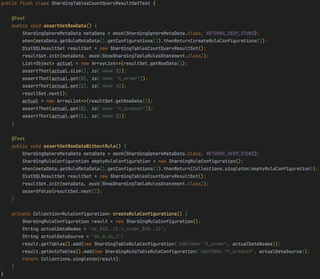
When you complete the basic feature development, to ensure its continuous
usability, you need to add test cases to the new class or method, and to
complete parse tests for the new syntax. The following code block is the unit
test of
`ShardingTablesCountResultSet`.
-
+
In addition to the unit test, you are also required to complete a parsing test
for the grammar definition in `shardingsphere-parser-test`. The purpose is to
parse the input DistSQL into a `DistSQLStatement` and then compare the parsed
statement with your expected `TestCase` object. The steps are as follows:
a. Add the SQL you want to test in
`src/main/resources/sql/supported/rql/show.xml`;
-
+
b. Add a test case in `src/main/resources/case/rql/show.xml`;
-
+
c. Add a `TestCase` object whose function is to save the result defined in the
case
-
+
d. Use the `SQLParserTestCases` class to load `TestCase`;
-
+
e. Add the right `Assert` object to the `ShowRulesStatementAssert` judgment
-
+
f. Execute the test method in `DistSQLParserParameterizedTest`. Now,the test
comes to an end.
-
+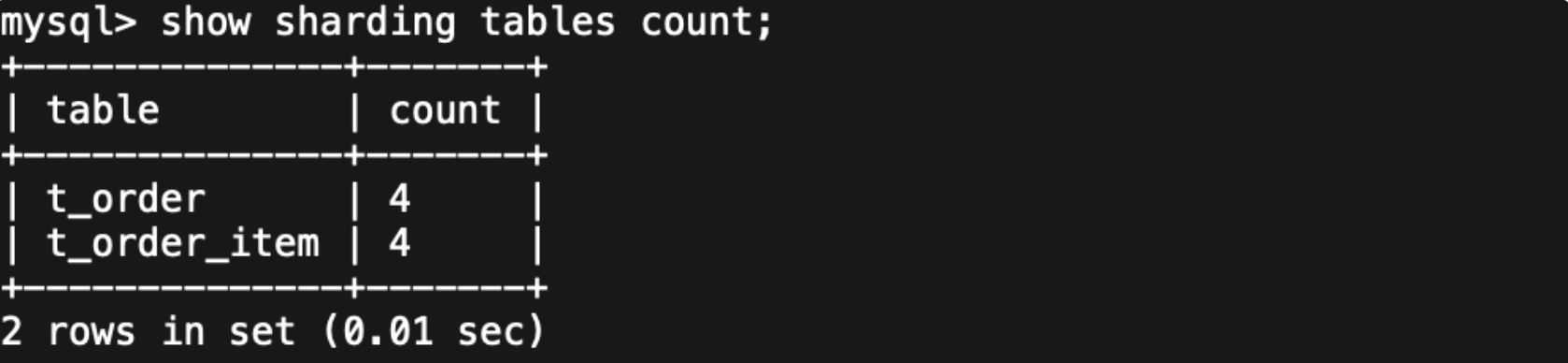
Finally, you can execute the developed DistSQL verification function by using
command line tools.
@@ -156,7 +156,7 @@ If you’re interested, you are welcome to develop the
grammar system or provide
Lan Chengxiang
-
+
> SphereEx Middleware Development Engineer & Apache ShardingSphere
> Contributor. He focuses on designing and developing DistSQL.
diff --git
a/docs/blog/content/material/Jan_28_Blog_X_Kernel_Optimizations_&_Upgrade_Guide_for_Apache_ShardingSphere_5.0.0_The_Ideal_Database_Management_Ecosystem.en.md
b/docs/blog/content/material/Jan_28_Blog_X_Kernel_Optimizations_&_Upgrade_Guide_for_Apache_ShardingSphere_5.0.0_The_Ideal_Database_Management_Ecosystem.en.md
index 5e26825..b3ed21e 100644
---
a/docs/blog/content/material/Jan_28_Blog_X_Kernel_Optimizations_&_Upgrade_Guide_for_Apache_ShardingSphere_5.0.0_The_Ideal_Database_Management_Ecosystem.en.md
+++
b/docs/blog/content/material/Jan_28_Blog_X_Kernel_Optimizations_&_Upgrade_Guide_for_Apache_ShardingSphere_5.0.0_The_Ideal_Database_Management_Ecosystem.en.md
@@ -29,7 +29,7 @@ ShardingSphere can provide users with management services and
enhanced features
The emergence of the Database Plus concept indicates that ShardingSphere has
evolved from a middleware into an innovative distributed database ecosystem.
Since we set Database Plus as our new direction and there are many extension
points in our pluggable system, having a pluggable kernel was a given. The
figure below illustrates the new pluggable Kernel:
-
+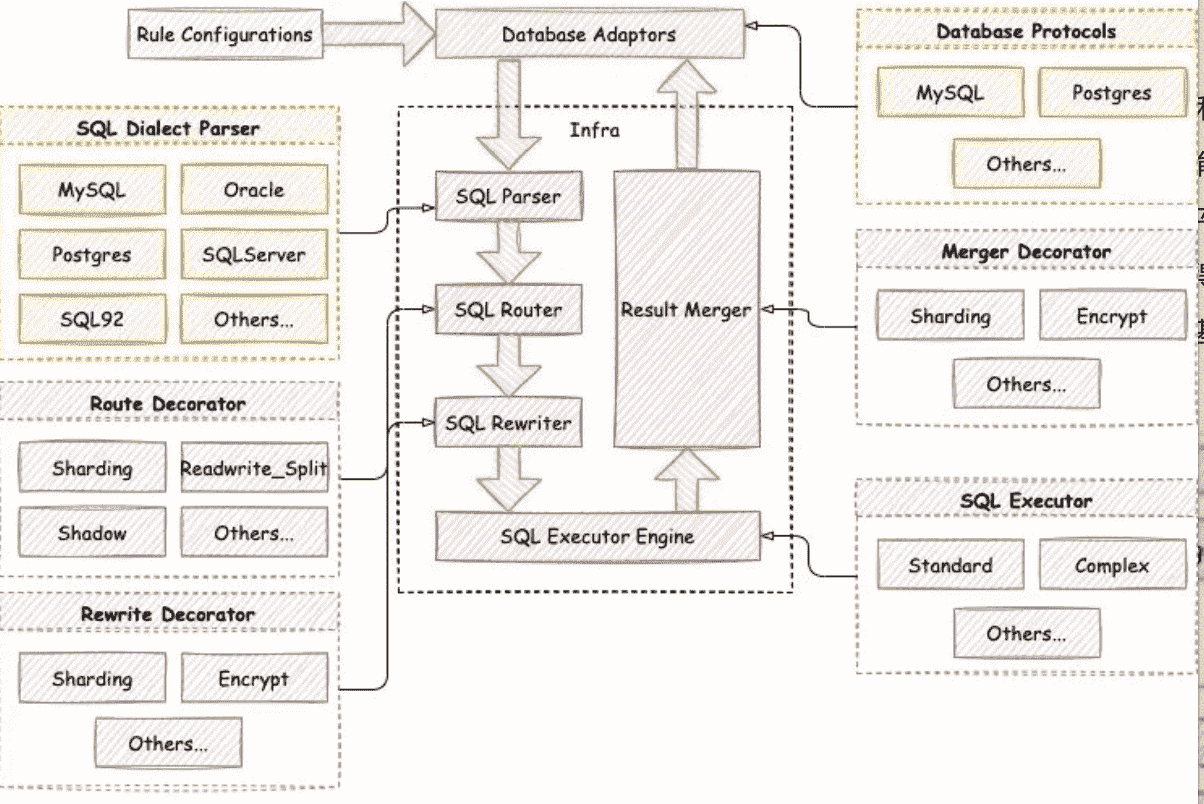
All of Apache ShardingSphere kernel’s processes (i.e. metadata loader, SQL
parser, SQL router, SQL rewriter, and SQL executor & result merger) provide
extension points on which ShardingSphere implements default features such as
data sharding, read/write splitting, encryption & decryption, shadow database
stress testing, and high availability.
@@ -78,7 +78,7 @@ In this article, we’d like to showcase some practical
examples and showcase ho
Federation Execution Engine is another spotlight of the 5.0.0 GA version’s
kernel. We aim to support distributed query statements that don’t work in the
4.1.1 GA version, such as cross-database instances related queries and
subqueries. Thanks to the Federation Execution Engine, developers no longer
need to worry about the usage scope of SQLs, and they can concentrate on their
business function development, reducing function limitations at the business
level.
-
+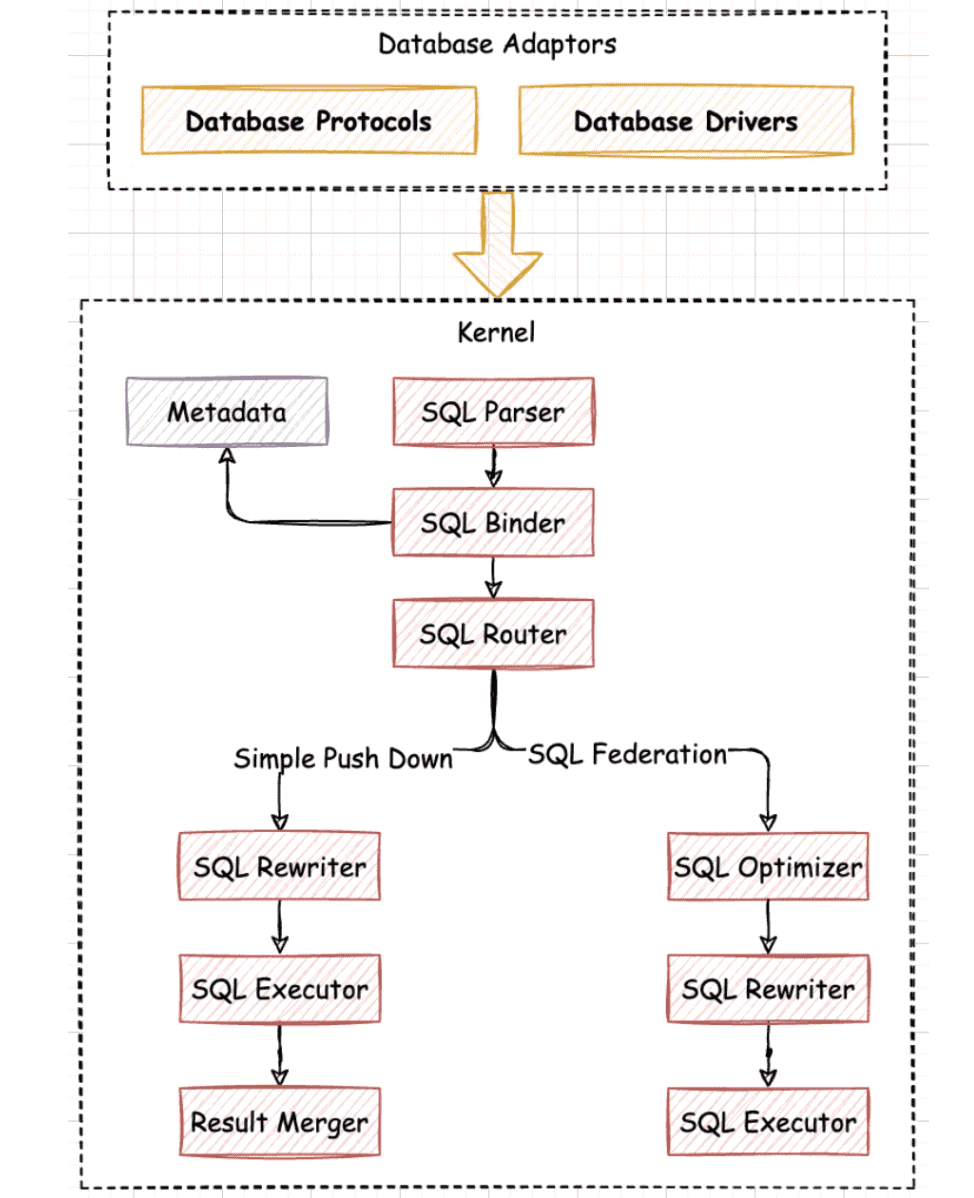
The figure above illustrates the flow of the Federation Execution Engine. In
general, the flow still follows the sequence: SQL Parser, SQL Router, SQL
Rewriter, and then SQL Executor. The only different step is the additional SQL
Optimizer used in the Federation Execution Engine. The optimizer contains RBO
(Rule-Based Optimizer) and CBO (Cost-Based Optimizer) to optimize distributed
query statements and get the execution plan with minimal cost. In the SQL
Router, the router engine analyz [...]
@@ -710,7 +710,7 @@ Contributor
Guide:https://shardingsphere.apache.org/community/cn/contribute/
**Duan Zhengqiang**
-
+
> SphereEx Senior Middleware Development Engineer & Apache ShardingSphere
> Committer
diff --git
"a/docs/blog/content/material/Jan_28_F6_Automobile_Technology\342\200\231s_Multimillion_Rows_of_Data_Sharding_Strategy_Based_on_Apache_ShardingS.md"
"b/docs/blog/content/material/Jan_28_F6_Automobile_Technology\342\200\231s_Multimillion_Rows_of_Data_Sharding_Strategy_Based_on_Apache_ShardingS.md"
index f6f93ac..59b148a 100644
---
"a/docs/blog/content/material/Jan_28_F6_Automobile_Technology\342\200\231s_Multimillion_Rows_of_Data_Sharding_Strategy_Based_on_Apache_ShardingS.md"
+++
"b/docs/blog/content/material/Jan_28_F6_Automobile_Technology\342\200\231s_Multimillion_Rows_of_Data_Sharding_Strategy_Based_on_Apache_ShardingS.md"
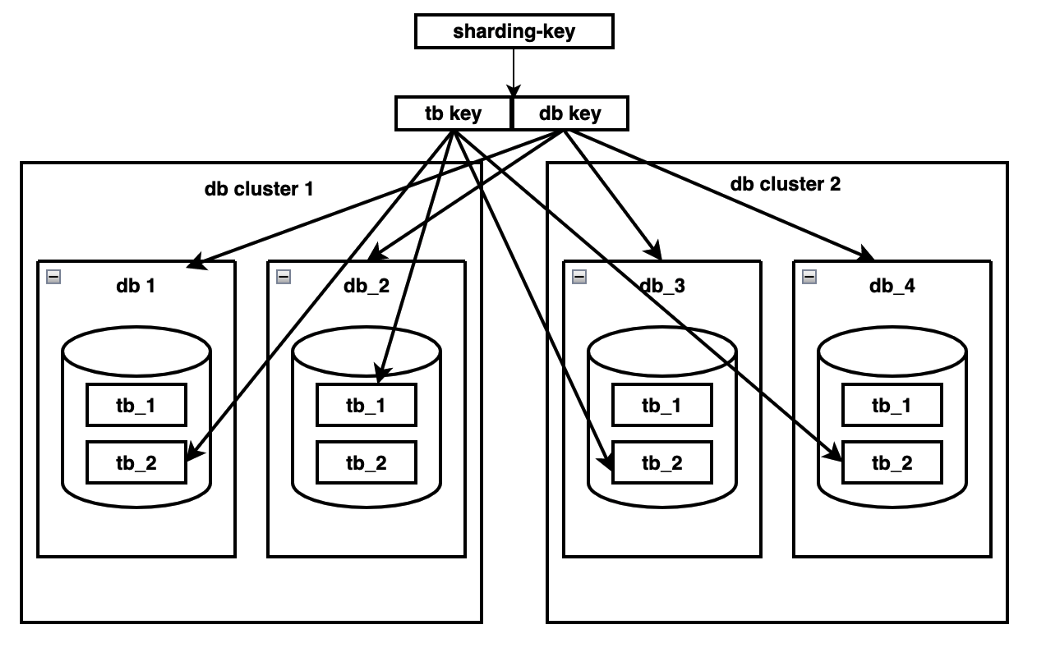
@@ -72,7 +72,7 @@ Table sharding uid value % 32 database sharding uid value % 1`
The last two digits (i.e. 83) are used for database sharding, of which
temporary data is only sharded into the library f6xxx, so the remainder is 0.
Later, increasing data volume can be expanded to multiple libraries. The
remaining value 105450559179996689 is used for table sharding. At first time,
it is divided into 32 single tables so the modulo remainders correspond to the
specific sharding table subscripts are 0~31.
-
+
Given that the business system is growing and we adopt rapid iteration method
to develop features step by step, we plan to shard tables first and then do
database sharding.
@@ -107,7 +107,7 @@ Plan 1: Use other keys such as snowflake
Plan 2: Implement an incremental component (database or Redis) all by ourselves
-
+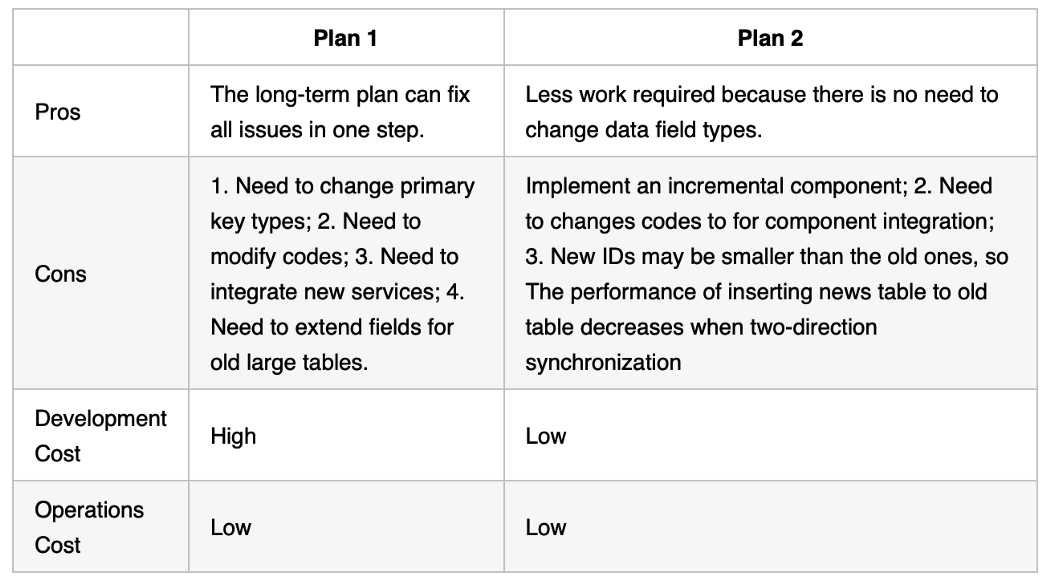
After comparing the two solutions and the business condition, we decided to
choose Plan 2 and concurrently, provided a new comprehensive table-level ID
generator solution.
@@ -134,13 +134,13 @@ In order to ensure quick roll-back when problems caused
by new feature releases
**Plan 1:** Maintain two sets of Mapper interfaces: one uses Sharding-JDBC
data sources to connect to databases while the other uses JDBC data sources to
connect to databases. At the service layer, it’s necessary to select one of the
two interfaces based on the decision workflow diagram below:
-
+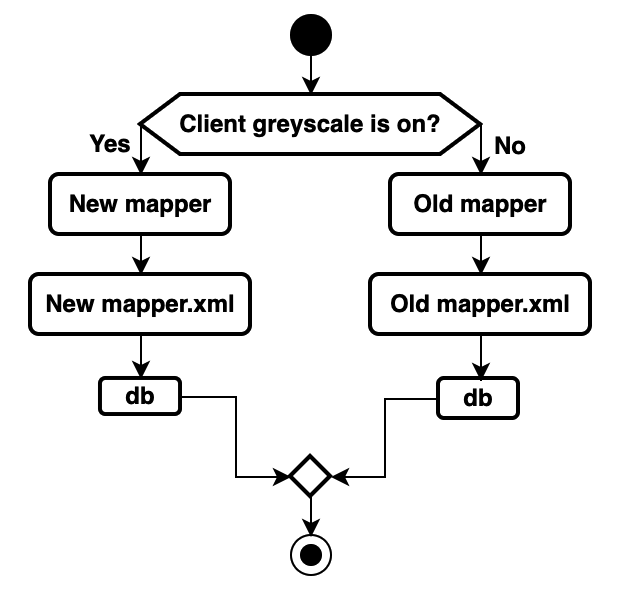
However, the solution causes another problem: all codes visiting the Mapper
layer have an if else branch, resulting in major business code changes,
potential code intrusion, and harder code maintenance. Therefore, we found
another solution and we call it Plan 2.
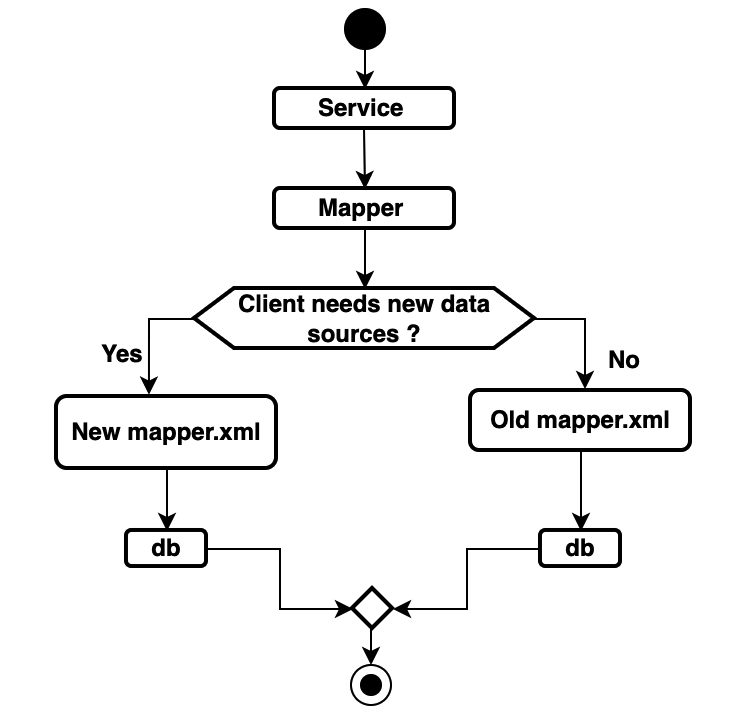
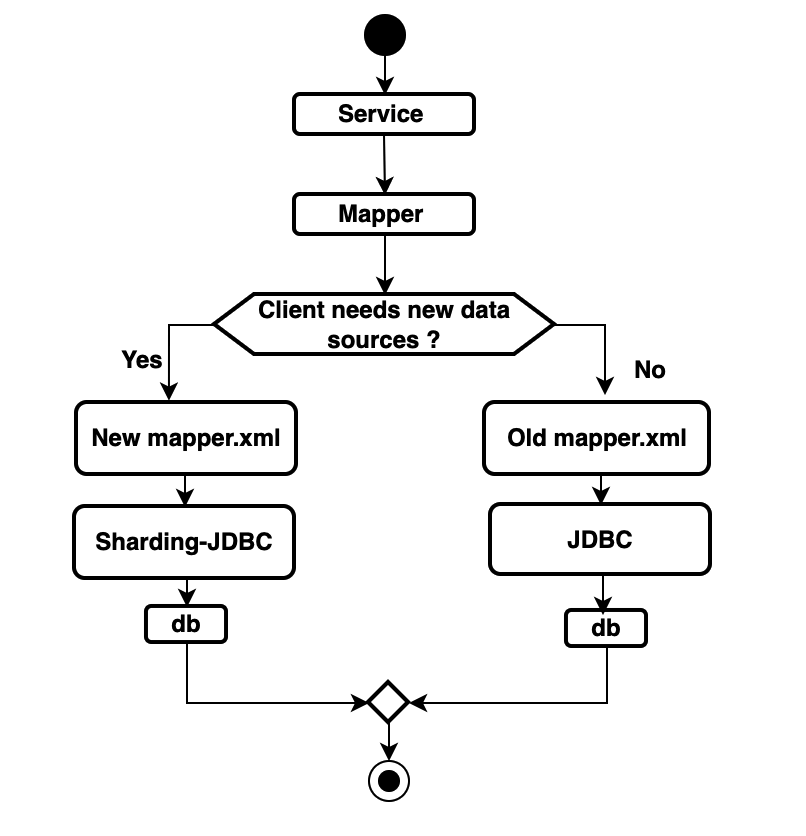
**Plan 2 — Adaptive Mapper Selection Plan:** one set of Mapper interface is
with two data sources and two sets of implementations. Based on the grayscale
configuration, different client requests will go through different Mapper
implementations, and one service corresponds to two data sources and two sets
of transaction managers, and based on the grayscale configuration, different
clients’ requests go to different transaction managers. Accordingly, we
leverage multiple Mapper scanners of [...]
-
+
***Data Source Connection Switch***
@@ -154,7 +154,7 @@ Apache ShardingSphere already lists some grammars currently
not supported by Sha
- No such statement for batch updates.
- Even if `UNION ALL` does not support the grayscale release plan, we only
need to copy a set of mapper.xml, and modify it based on the syntax of
Sharding-JDBC before release.
-
+
***Historical Data Sync***
@@ -162,7 +162,7 @@ Apache ShardingSphere already lists some grammars currently
not supported by Sha
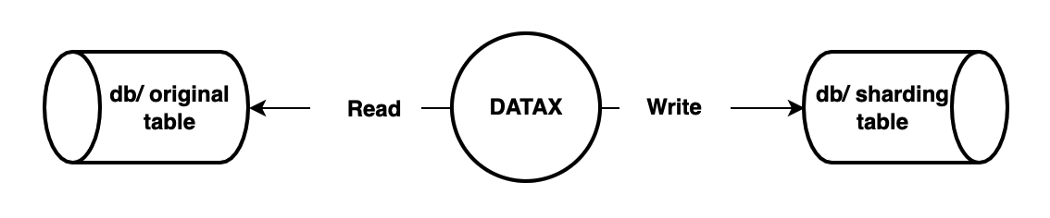
The data synchronization framework DataX can abstract the synchronization of
different data sources as a Reader Plugin that reads data from the data source,
and then as a Writer Plugin that writes data to the target. In theory, the
DataX framework can support data synchronization of all data source types.
Additionally, the DataX plugin ecosystem can allow every newly-added data
source to immediately interact with the old data sources.
-
+
***Verify Data Synchronization***
@@ -189,11 +189,11 @@ Note: the execution results of `show master status` of
master and slave may be d
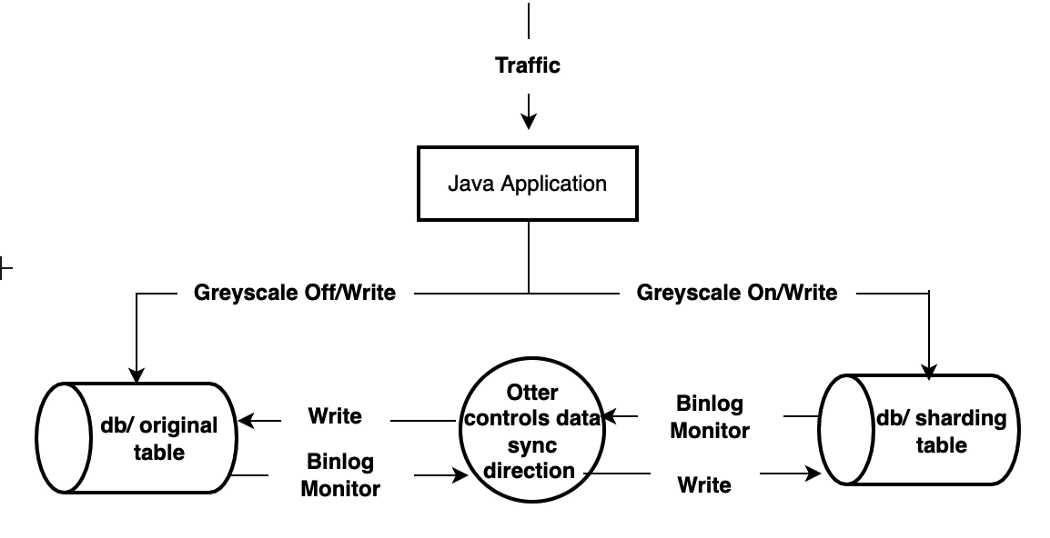
Our greyscale switch plan is shown below:
-
+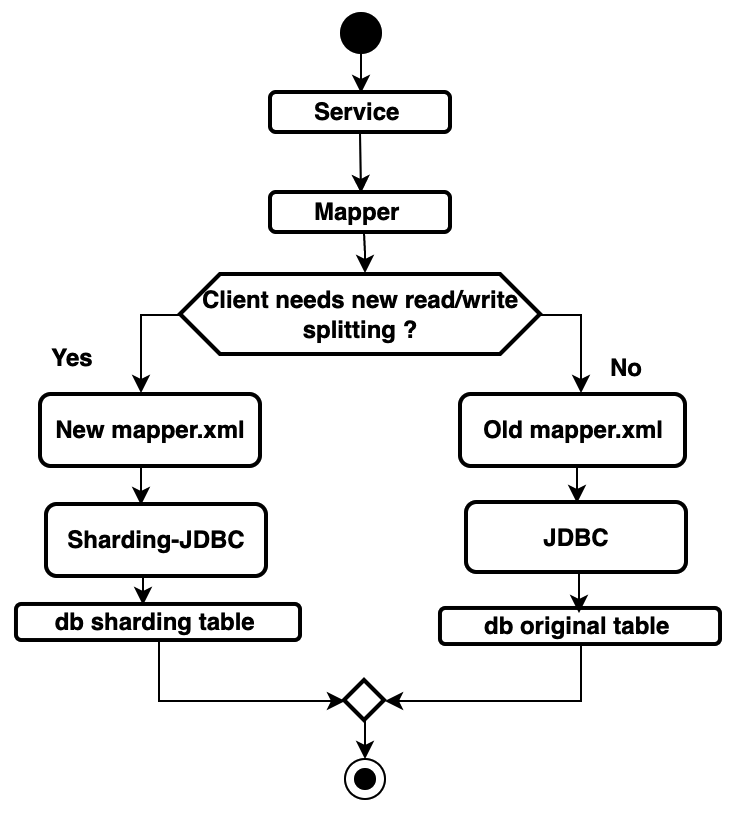
We chose the grayscale release solution, which means it was necessary to
ensure real-time data updates in both subtables and parent tables. Therefore,
all data was synchronized in two directions: for clients with grayscale release
being on, reads and writes went to subtables and the data was synchronized to
parent tables in real time via Otter, while for clients with grayscale release
being off, reads and writes went to parent tables and the data is synchronized
to subtables in real time [...]
-
+
**Database Sharding Details**
@@ -220,27 +220,27 @@ To avoid potential performance and compatibility
problems, database change plan
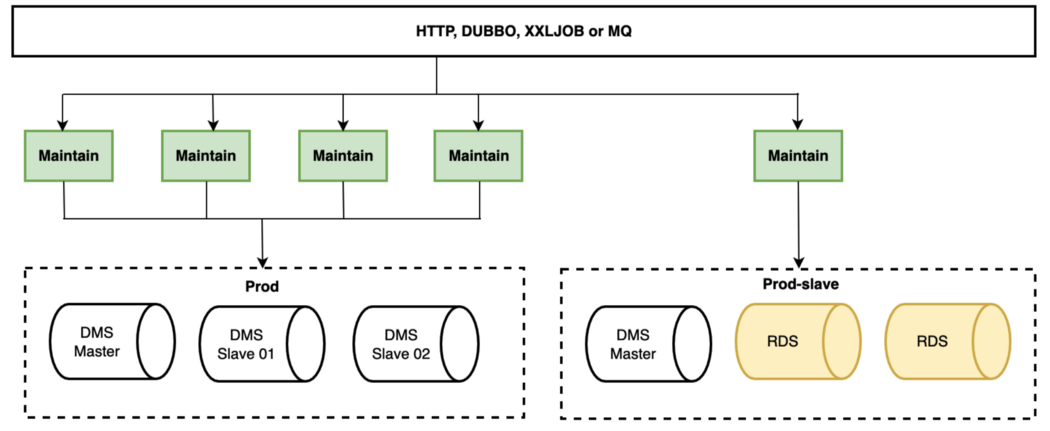
**Status Quo:** four application instances +one master db and two slave db
-
+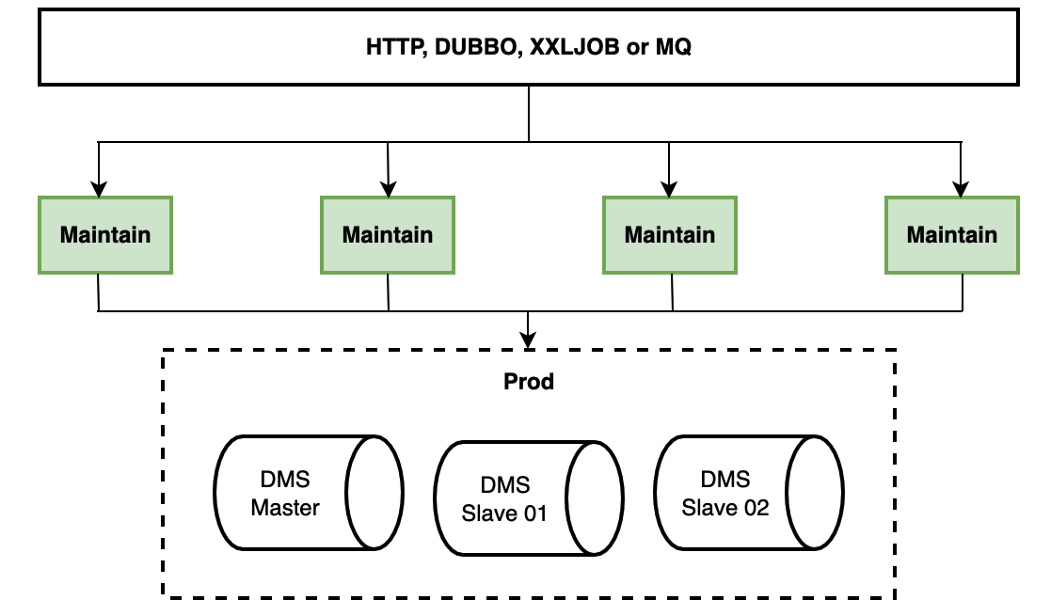
**Step 1:** add a new application instance and switch it to RDS, write into or
pass dms master database, and the data in dms master database will be synced to
rds in real time
-
+
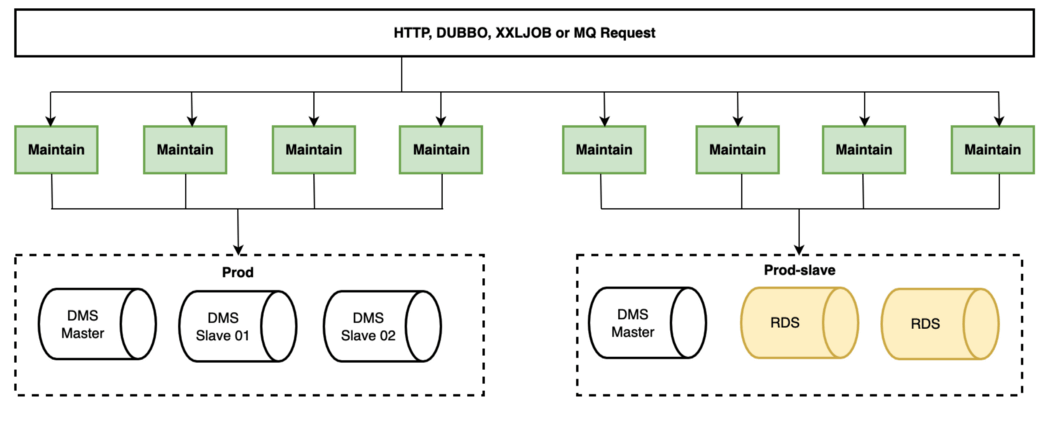
**Step 2:** add three more application instances, and cut 50% of the data to
write into rds database
-
+
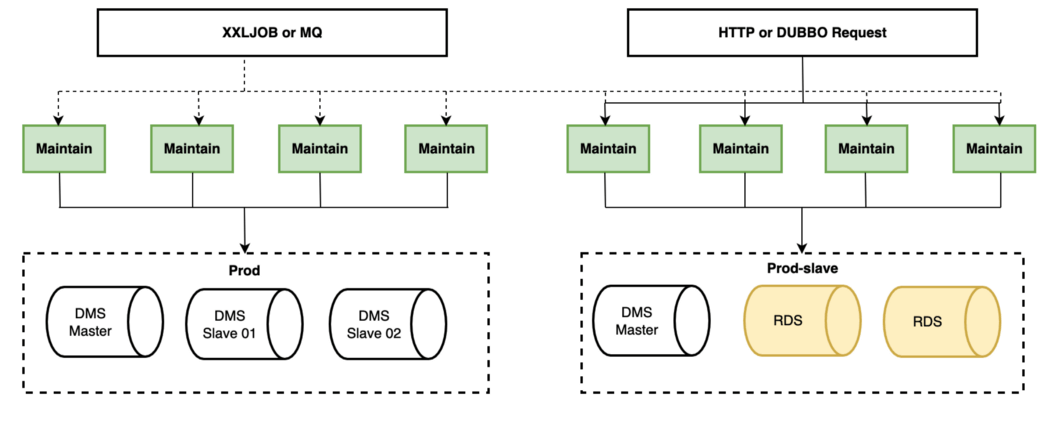
**Step 3:** remove the four original instance traffic, and read them into rds
instances while writing still goes into dms master database
-
+
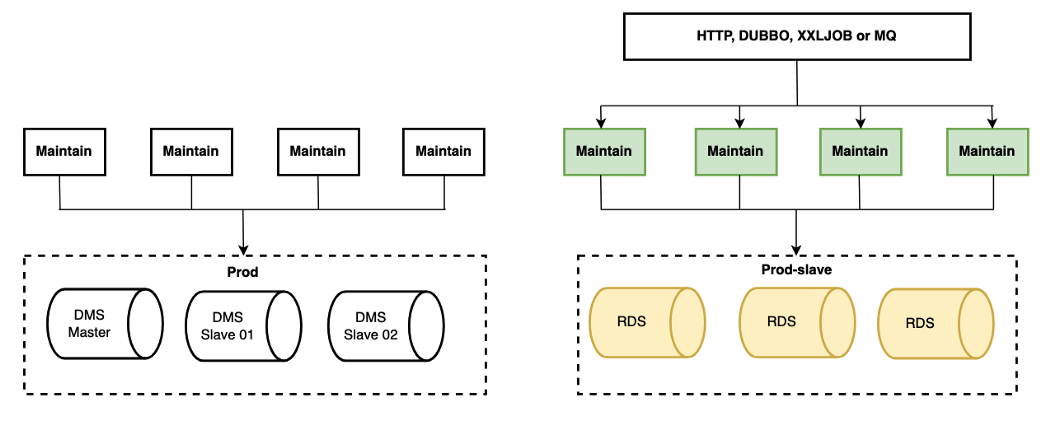
**Step 4:** switch the master database into rds, and rds data will be
reversely synced to dms master database to make it easier for the quick
rollback of the data
-
+
**Step 5:** Completion
-
+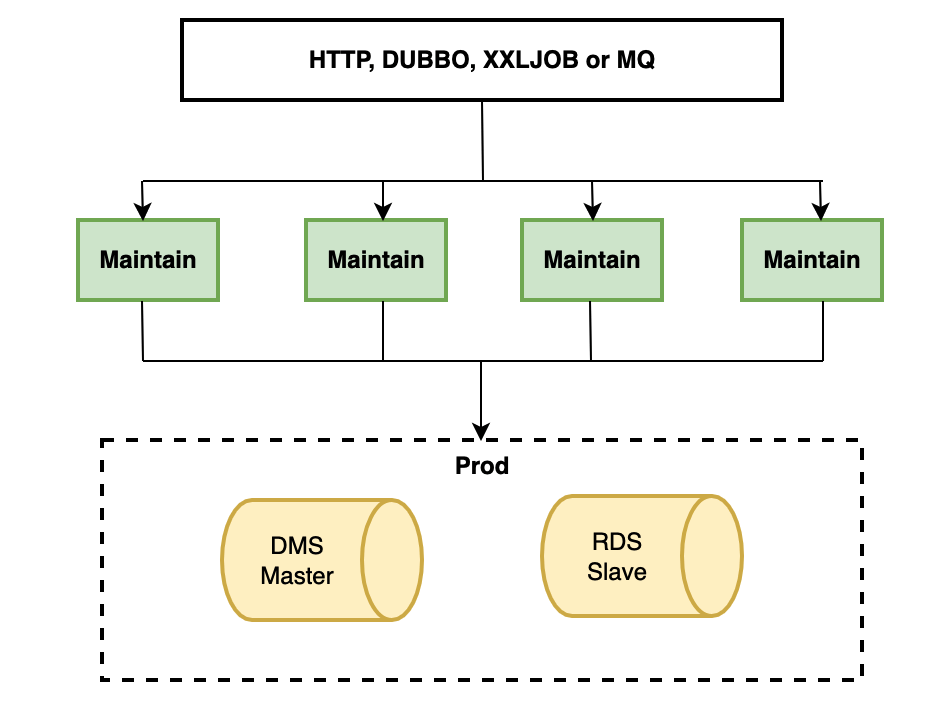
Each step mentioned above can be quickly rolled back through traffic switching
so as to ensure the availability and stability of system.
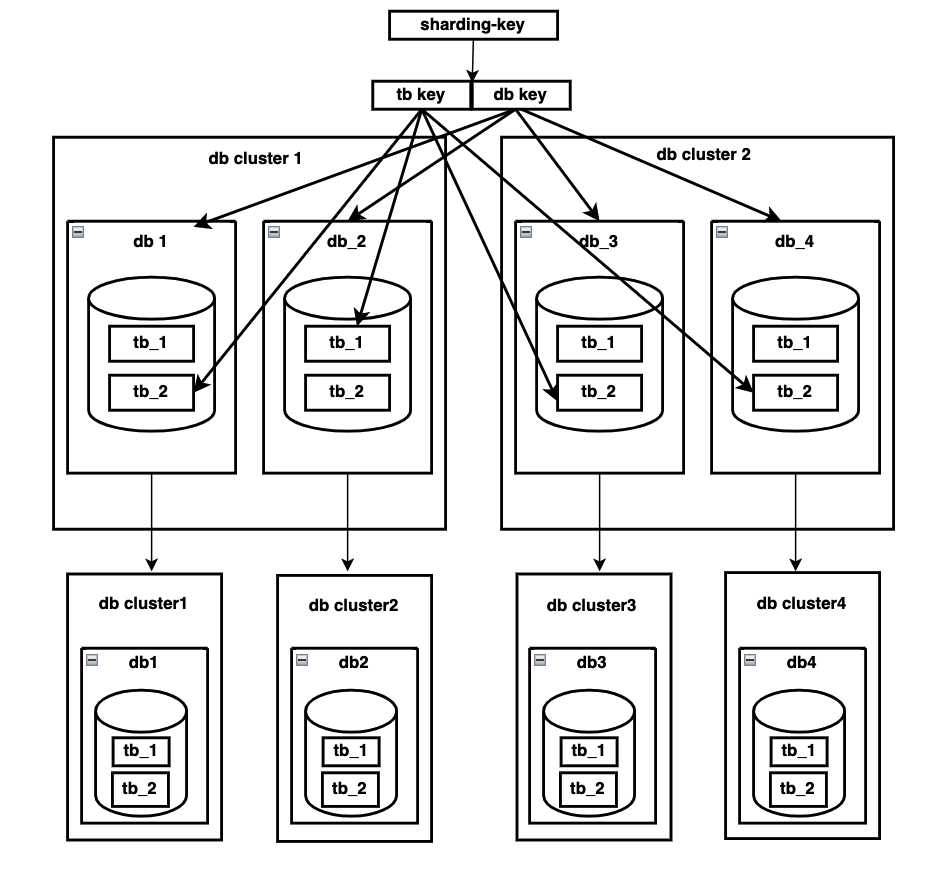
@@ -248,11 +248,11 @@ Each step mentioned above can be quickly rolled back
through traffic switching s
When the performance of a single database reaches a plateau, we can scale out
the database by modifying sharding database routing algorithms and migrating
data.
-
+
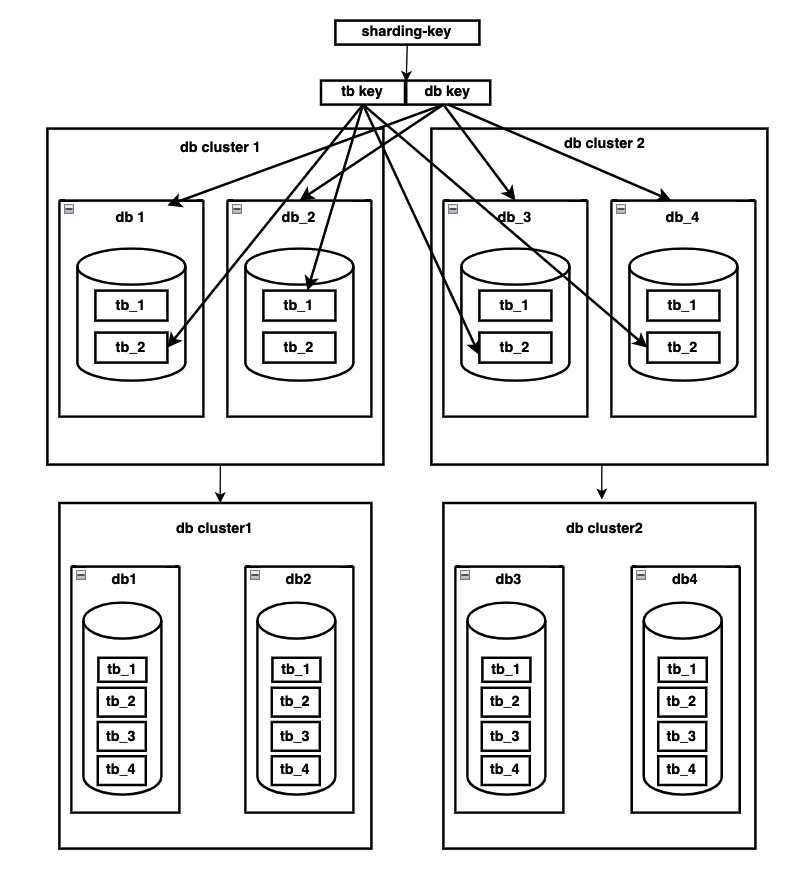
When the capacity of a single table reaches its maximum size, we can scale out
the table by modifying sharding table routing algorithms and migrating data.
-
+
**FAQ**
@@ -315,7 +315,7 @@ Apache ShardingSphere Contributor
Passionate about technology and innovation, Yacine moved to Beijing to pursue
his Ph.D. in Business Administration, and fell in awe of the local startup and
tech scene. His career path has so far been shaped by opportunities at the
intersection of technology and business. Recently he took on a keen interest in
the development of the ShardingSphere database middleware ecosystem and
Open-Source community building.
-
+
diff --git
a/docs/blog/content/material/Jan_28_Full_Link_Online_Stress_Testing_for_Production_Database_Apache_ShardingSphere_Shadow_Database_Feature_Upgrade.en.md
b/docs/blog/content/material/Jan_28_Full_Link_Online_Stress_Testing_for_Production_Database_Apache_ShardingSphere_Shadow_Database_Feature_Upgrade.en.md
index 96adafe..402ef7b 100644
---
a/docs/blog/content/material/Jan_28_Full_Link_Online_Stress_Testing_for_Production_Database_Apache_ShardingSphere_Shadow_Database_Feature_Upgrade.en.md
+++
b/docs/blog/content/material/Jan_28_Full_Link_Online_Stress_Testing_for_Production_Database_Apache_ShardingSphere_Shadow_Database_Feature_Upgrade.en.md
@@ -35,17 +35,17 @@ Shadow database function was initially realized in version
4.1.0 by adding a log
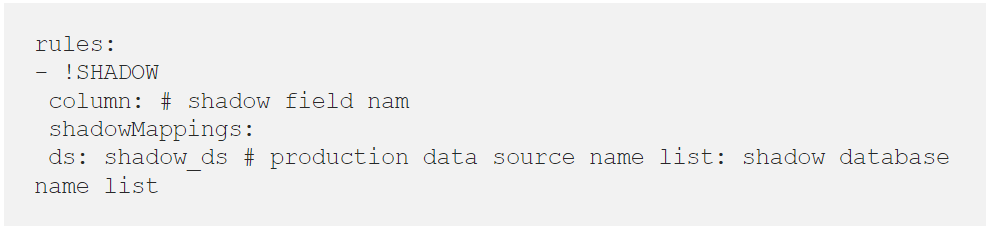
1. Before performing stress testings, users need to modify test-related SQL
according to actual business needs.
2. SQL modification will increase implementation damage and reduce the
accuracy of stress testing results. After discussion in the ShardingSphere
community, we decided to upgrade shadow database functions. Apache
ShardingSphere 4.1.1 GA shadow database API had relatively simple
functionaloity. Whether to open shadow database is determined by corresponding
values of the logicColumn.
-
+
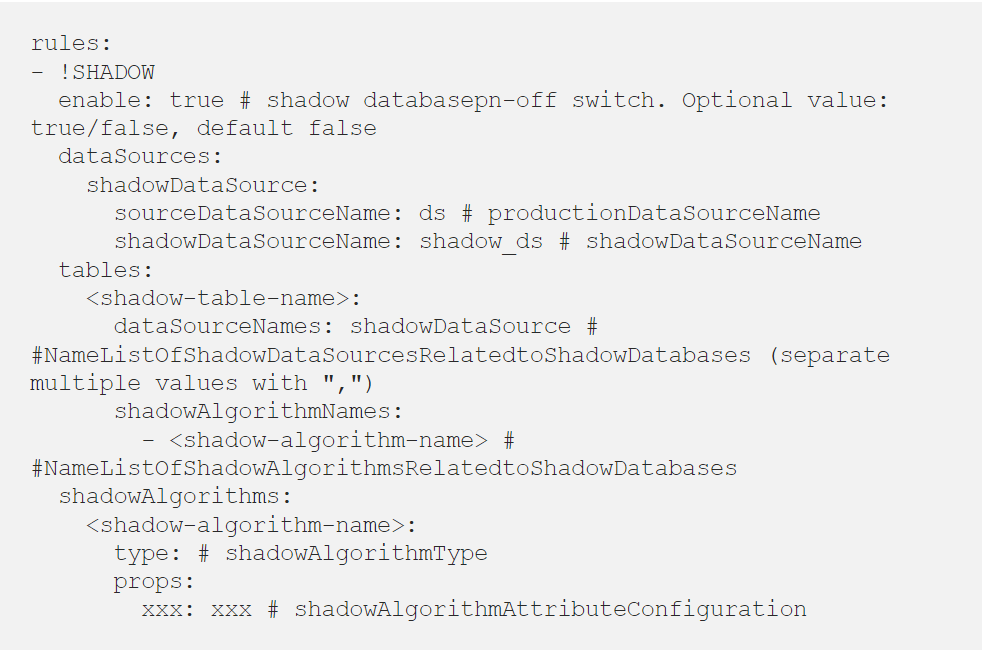
The upgraded shadow database API of 5.0.0 GA is more powerful. Users can
determine whether the shadow database function is enabled through the “enable”
attribute. Configurable shadow table can determine what needs to be stress
tested by means of a table, and supports multiple shadow algorithms. For
example, column value matching algorithm, regular expression matching and SQL
comment matching algorithm.
-
+
## Shadow Database in Practice
Online full-link stress testing diagram:
-
+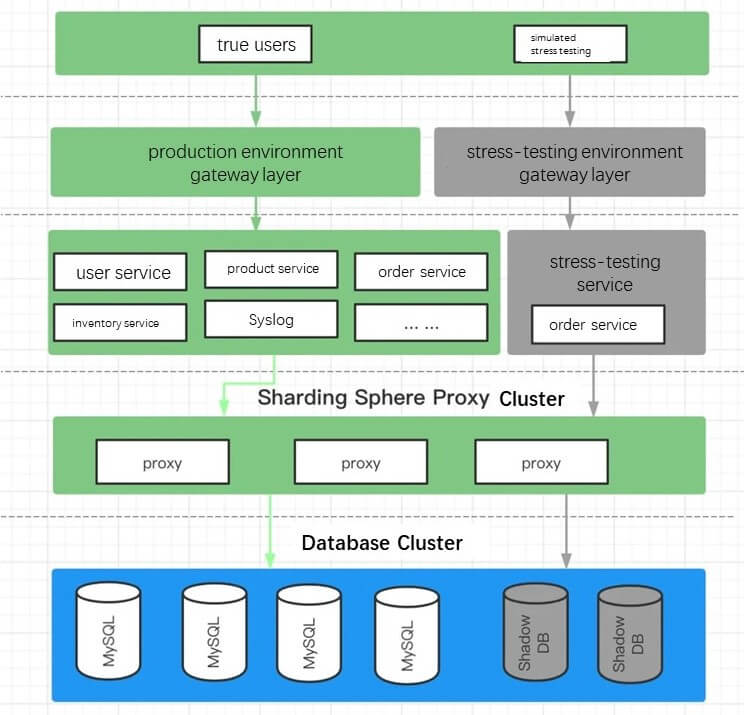
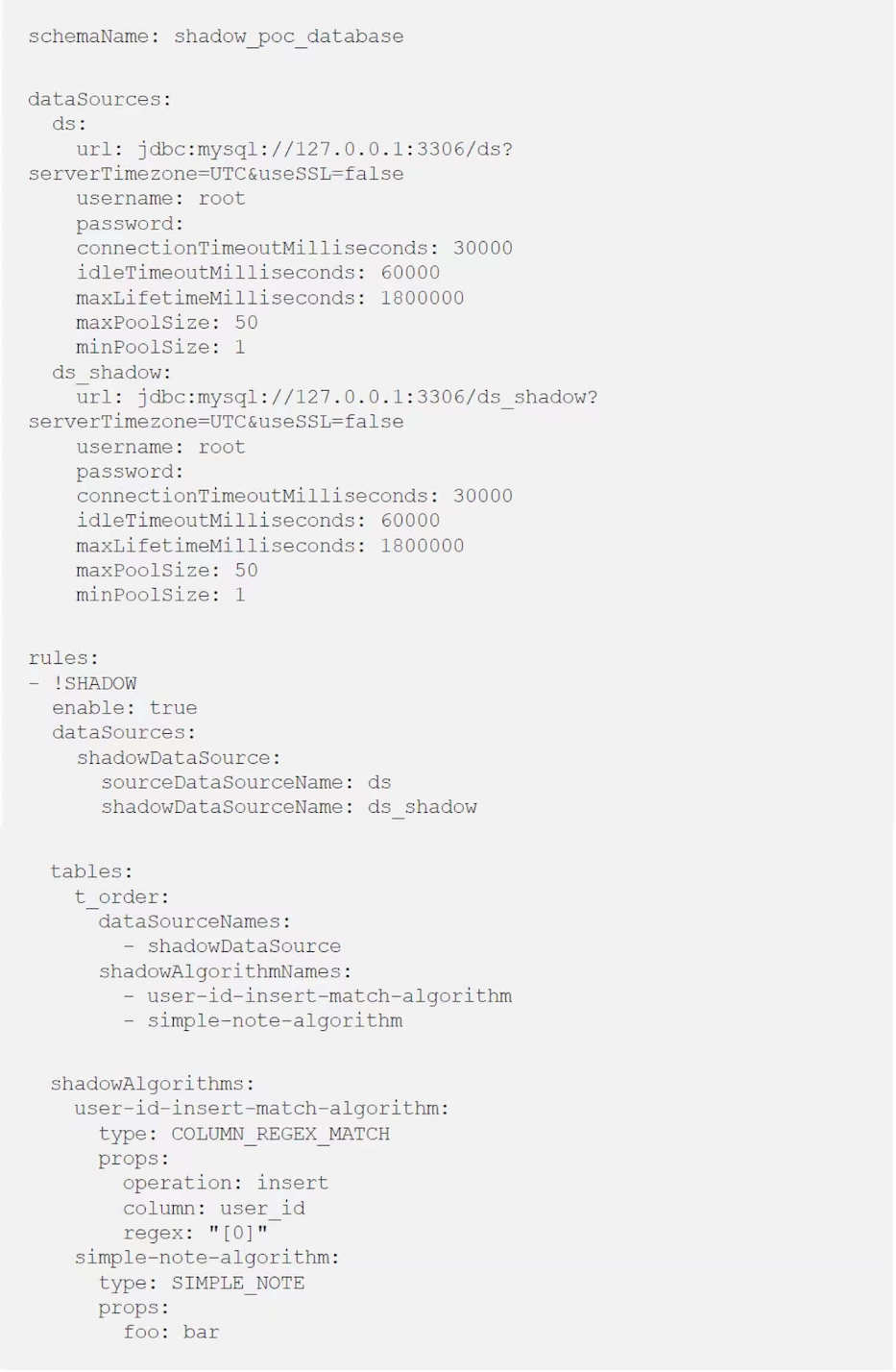
### Prepare stress testing environment:
Suppose an e-commerce website needs to perform online stress testing for an
order (demonstrating how to use stand-alone deployment). Suppose stress testing
table `t_order` is an order table, and the ID of the test user is 0.
@@ -59,11 +59,11 @@ The data generated by test user order is executed on
ds_shadow shadow database,
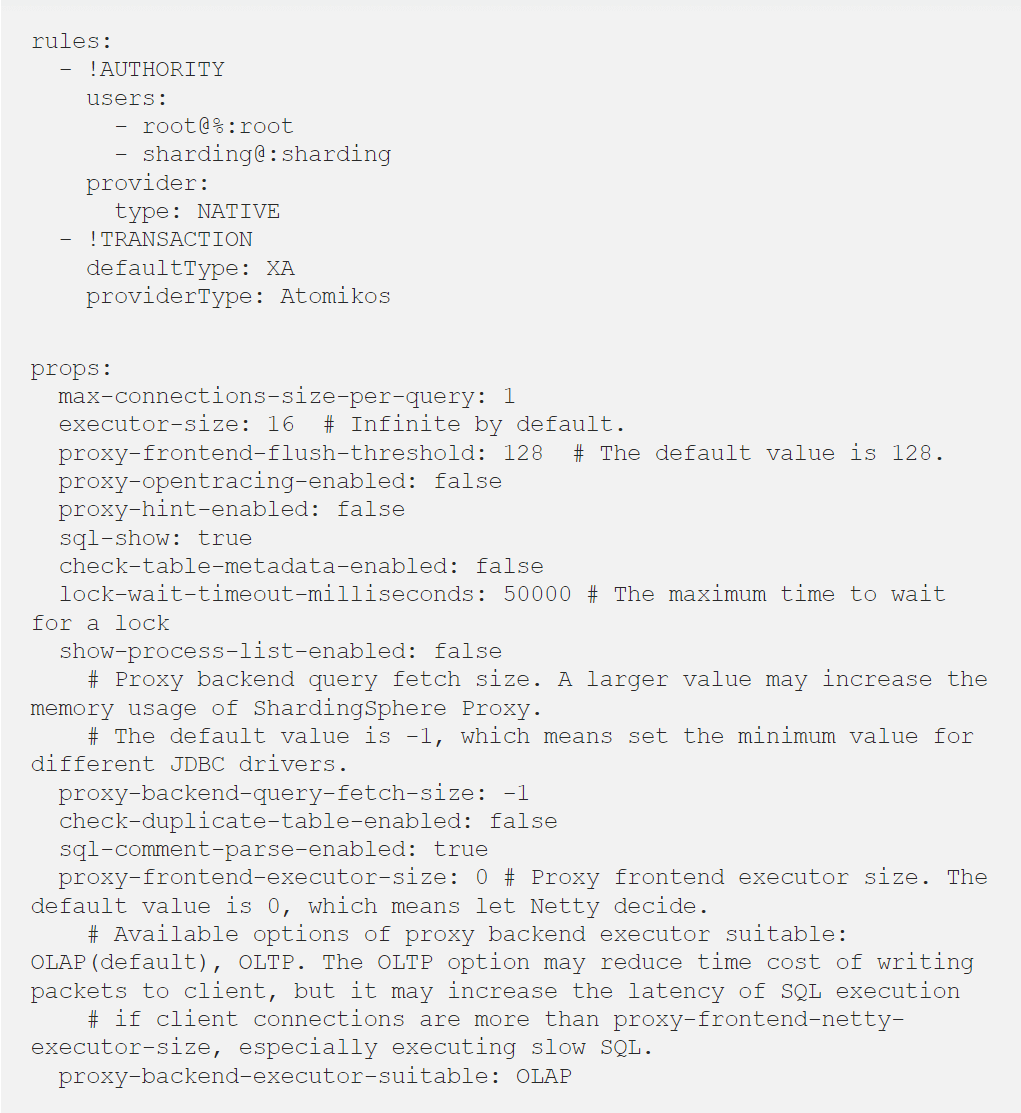
**server.yaml**
-
+
**config-shadow.yaml**
-
+
3. Order service
@@ -71,16 +71,16 @@ Order-related businesses are not discussed here.
Considering the simplest reques
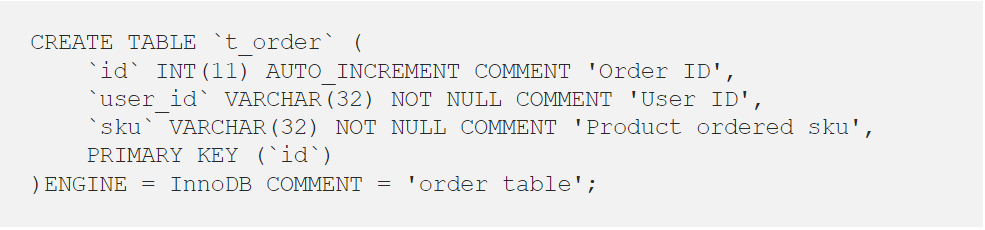
- Order Table Structure
-
+
### Stress Testing Process Simulation
- Use `postman` to simulate the order created by test user, which is as
follows:
-
+
- SQL executor being routed to and executed in shadow database can be seen in
ShardingSphere-Proxy execution log:
-
+
### Verify Stress Testing Results :
@@ -88,13 +88,13 @@ Order-related businesses are not discussed here.
Considering the simplest reques
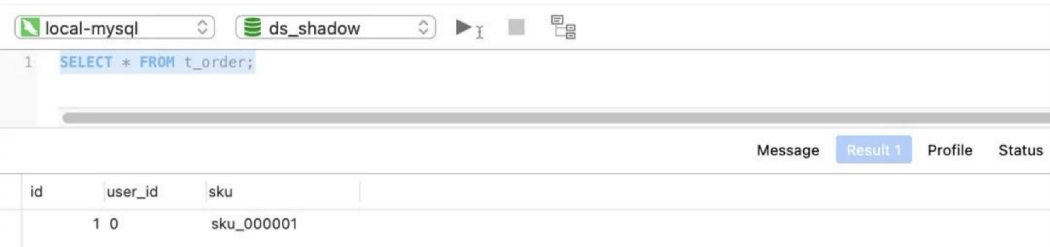
Query result:
-
+
- Production database ds executes query sentence `SELECT * FROM t_order;`
Query result:
-
+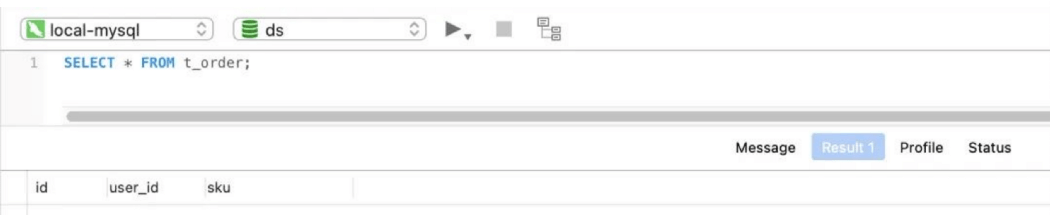
The data generated from test user order creation will be routed to shadow
database. For more complicated configurations, please refer to Shadow Database
Stress Testing in the [ShardingSphere official
document](https://shardingsphere.apache.org/document/5.0.0/cn/features/shadow/).
@@ -125,7 +125,7 @@ HouYang
>
> Currently he focuses on the design and development of ShadowDB and full-link
> stress testing.
-
+
diff --git
"a/docs/blog/content/material/Jan_28_YOUR_DETAILED_GUIDE_TO_APACHE_SHARDINGSPHERE\342\200\231S_OPERATING_MODES.en.md"
"b/docs/blog/content/material/Jan_28_YOUR_DETAILED_GUIDE_TO_APACHE_SHARDINGSPHERE\342\200\231S_OPERATING_MODES.en.md"
index ac7f87f..b35b26b 100644
---
"a/docs/blog/content/material/Jan_28_YOUR_DETAILED_GUIDE_TO_APACHE_SHARDINGSPHERE\342\200\231S_OPERATING_MODES.en.md"
+++
"b/docs/blog/content/material/Jan_28_YOUR_DETAILED_GUIDE_TO_APACHE_SHARDINGSPHERE\342\200\231S_OPERATING_MODES.en.md"
@@ -14,7 +14,7 @@ This article is a guide for you to better understand
ShardingSphere’s new oper
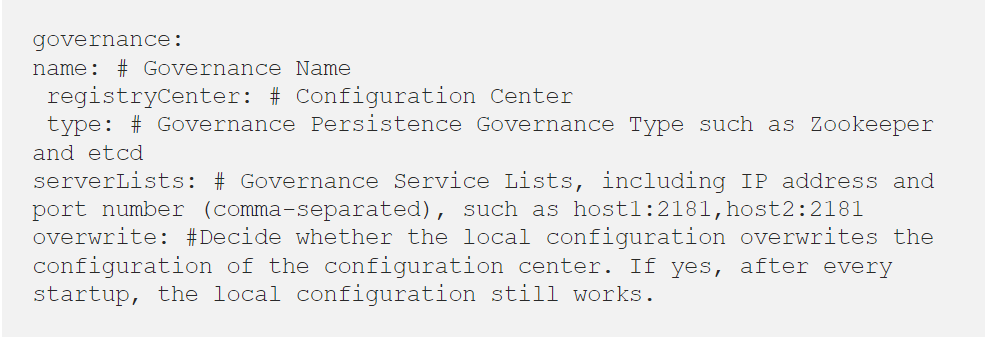
Distributed governance is the foundation of cluster deployment in
ShardingSphere. In previous versions, users needed to configure the governance
tag in the configuration file to enable distributed governance:
-
+
The most important features of distributed governance include persistent user
configuration and
[metadata](https://dzone.com/articles/shardingshpheres-metadata-loading-process).
@@ -27,7 +27,7 @@ Like other standard SQLs, DistSQL, known as the operating
language of the distri
In previous versions, only when you enabled distributed governance could the
feature be implemented. That’s the reason why DistSQL was only available in the
distributed governance scenario in its early development stage.
-
+
## Why We Created Operating Modes
@@ -49,7 +49,7 @@ So far ShardingSphere has three modes, i.e. Memory,
Standalone, and Cluster. The
The `governance` configuration method is removed from the 5.0.0 version, and
instead, we start to use the different operating modes.
-
+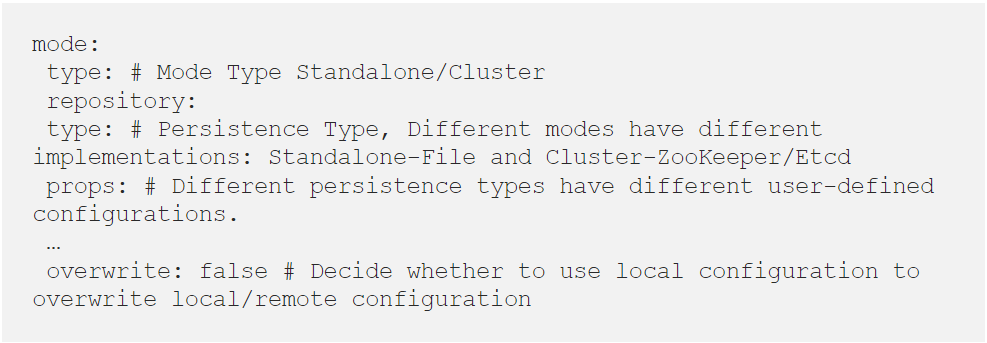
Next, I’d like to explain the basic concepts of the three operating modes in
detail, and show you how to choose the right operating mode when you use
ShardingSphere for development.
@@ -69,7 +69,7 @@ The Standalone mode makes it convenient for development
engineers to quickly bui
The mode’s configuration is shown as follows:
-
+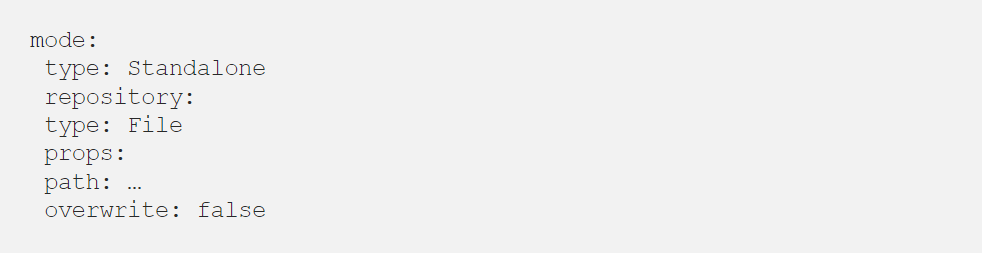
The Standalone mode can persist local files by default. Configurations are
persisted in the user directory `.shardingsphere` by default, but you can also
customize your storage path by configuring `path`.
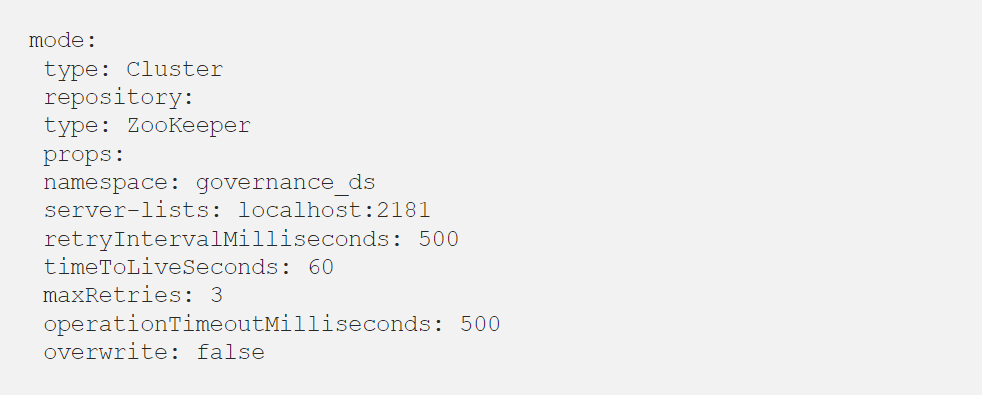
@@ -81,11 +81,11 @@ The mode can provide distributed governance capability. By
integrating an indepe
We take Zookeeper as the example, to demonstrate mode configuration:
-
+
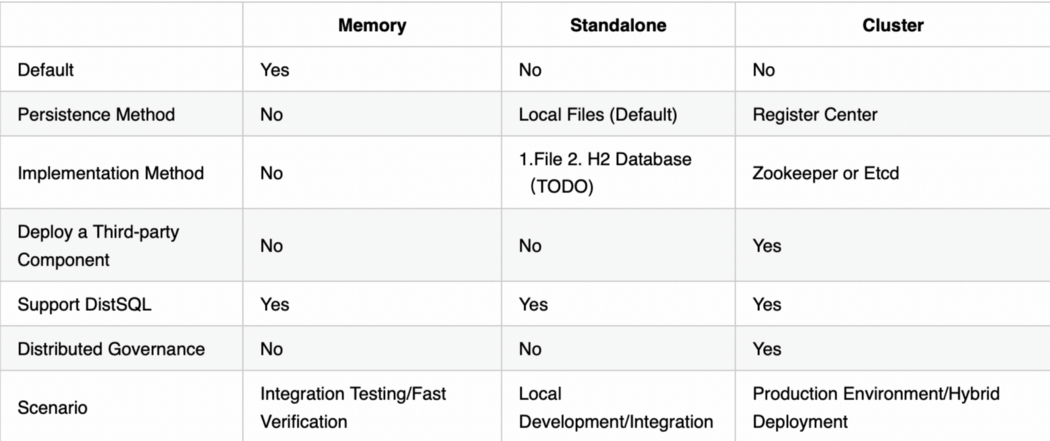
We also compare the differences between the three modes (shown in the table
below). Our suggestion is that you consider your needs first and then choose
the right mode.
-
+
## Summary
ShardingSphere’s three operating modes can meet virtually all user needs in
various environments from testing, to development, to deployment.
@@ -109,7 +109,7 @@ Meng Haoran
>
> Previously responsible for the database products R&D at JingDong Technology,
> he is passionate about Open-Source and database ecosystems. Currently, he
> focuses on the development of the ShardingSphere database ecosystem and open
> source community building.
-
+
diff --git a/docs/blog/content/material/Nov_22_5.0.0_New.en.md
b/docs/blog/content/material/Nov_22_5.0.0_New.en.md
index 12b4c3e..e4c2f56 100644
--- a/docs/blog/content/material/Nov_22_5.0.0_New.en.md
+++ b/docs/blog/content/material/Nov_22_5.0.0_New.en.md
@@ -29,7 +29,7 @@ Database Plus sets out to build a standard layer and an
ecosystem layer above th
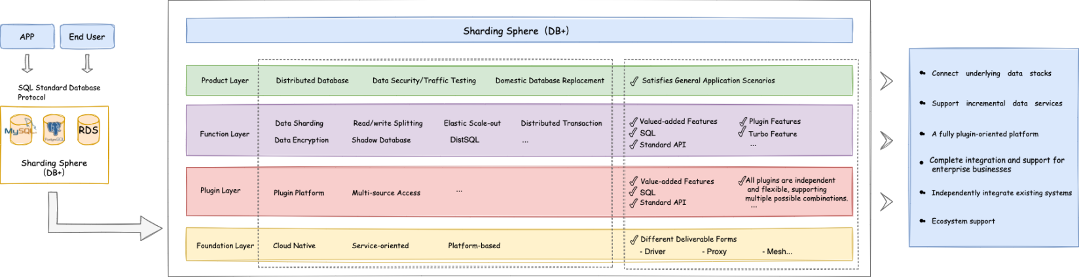
**Product Layer:** End users are provided with industry-oriented and specific
scenario-oriented standard product solutions.
-
+
_Multi-Access terminal mixed mode production available_
@@ -39,37 +39,37 @@ Additionally, SphereEx leverages the ShardingSphere
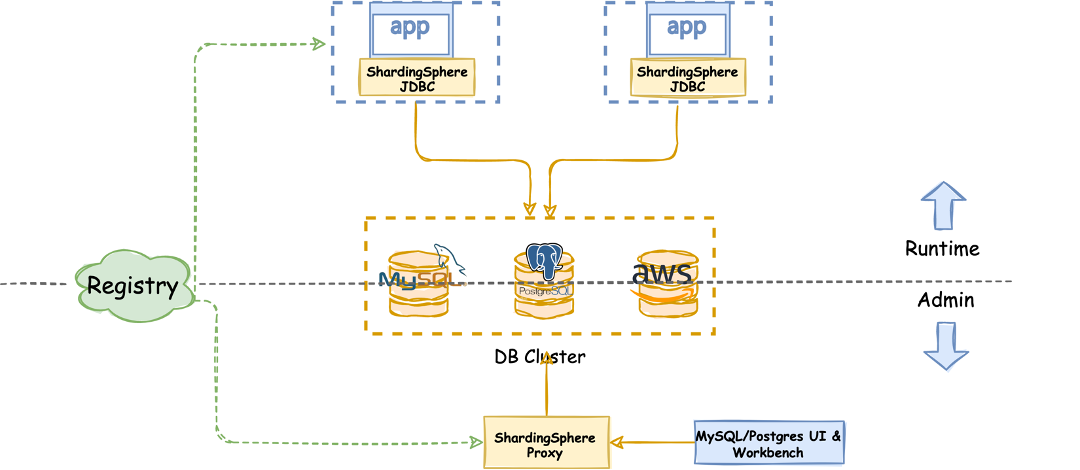
ecosystem and will provide t
With the shared core architecture and different ShardingSphere adapters, users
can also choose hybrid adapter deployment if their production environment
requires them to do so (shown in the figure below).
-
+
_Standardized cluster management with DistSQL_
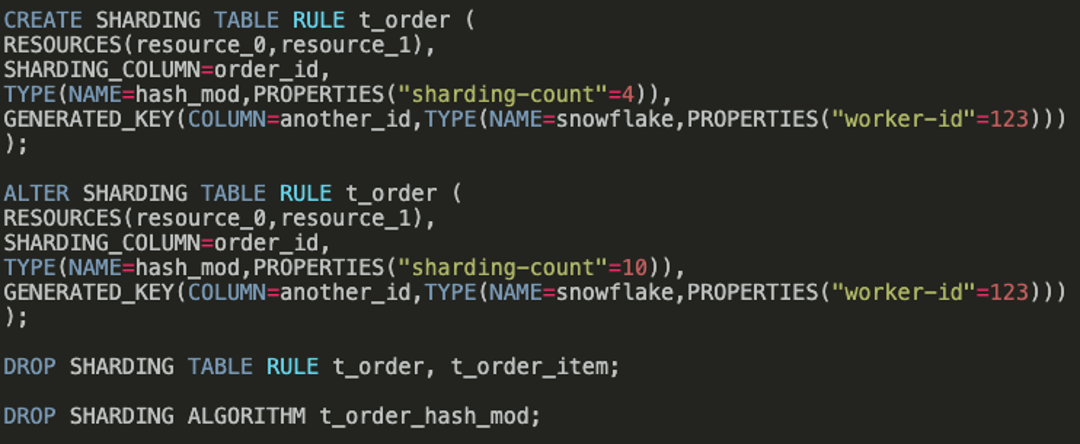
Apache ShardingSphere first proposed the unique SQL dialect of DistSQL
(distributed SQL) to connect all elements of the ShardingSphere ecosystem
together. As the standard interaction language of the ShardingSphere
distributed database ecosystem, DistSQL allows users to use one SQL command to
create, modify or delete a distributed database table, or to encrypt or decrypt
it. DistSQL also supports distributed scheduling management.
-
+
_Significantly improved distributed governance capabilities_
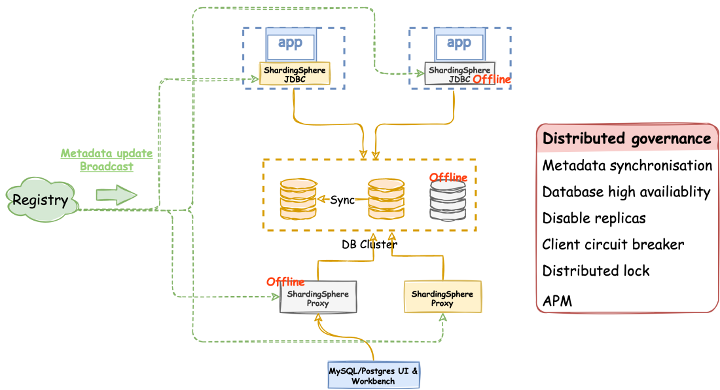
In the ShardingSphere ecosystem where computing and storage are separated,
features are greatly enhanced in the new version including: the distributed
governance of databases (i.e., storage nodes) and Proxy/JDBC (i.e. computing
nodes), online user metadata DDL change, on/off running storage nodes and
computing nodes, circuit breaker and disabling, and high availability.
Additionally, the new feature distributed lock is scheduled to be released soon.
-
+
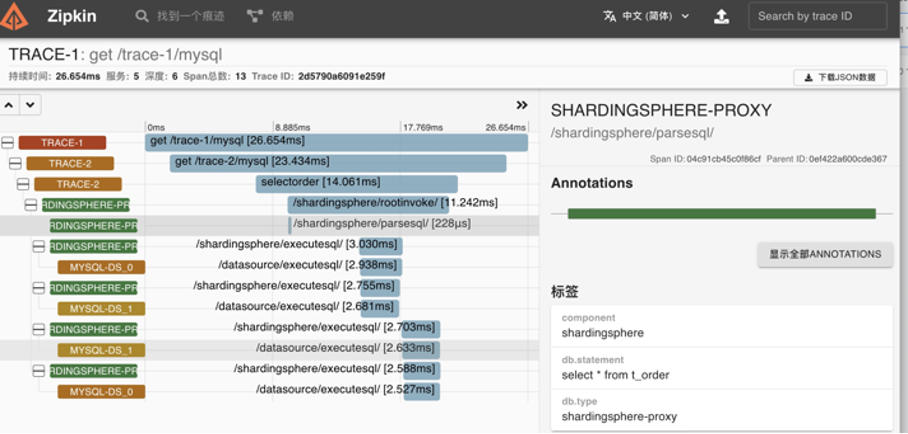
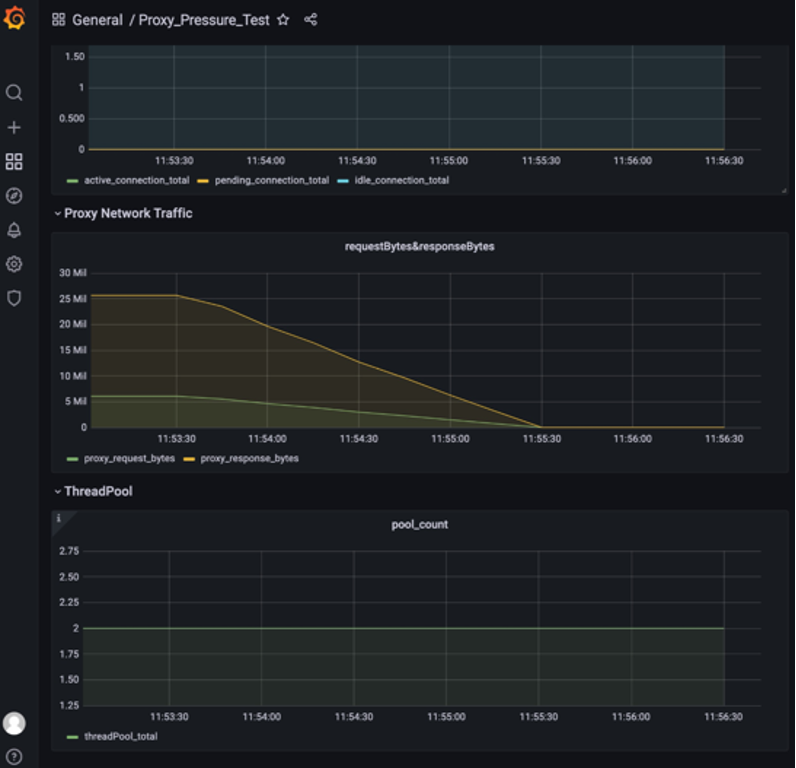
_Fully upgraded APM and monitoring display capabilities_
In the new version, we optimize and add more runtime status indicators to
monitor ShardingSphere. Through the agent dynamic loading mechanism, we provide
users with various indicators for metrics and tracing, making it convenient to
integrate the APM system with the Grafana dashboard.
-
+
-
+
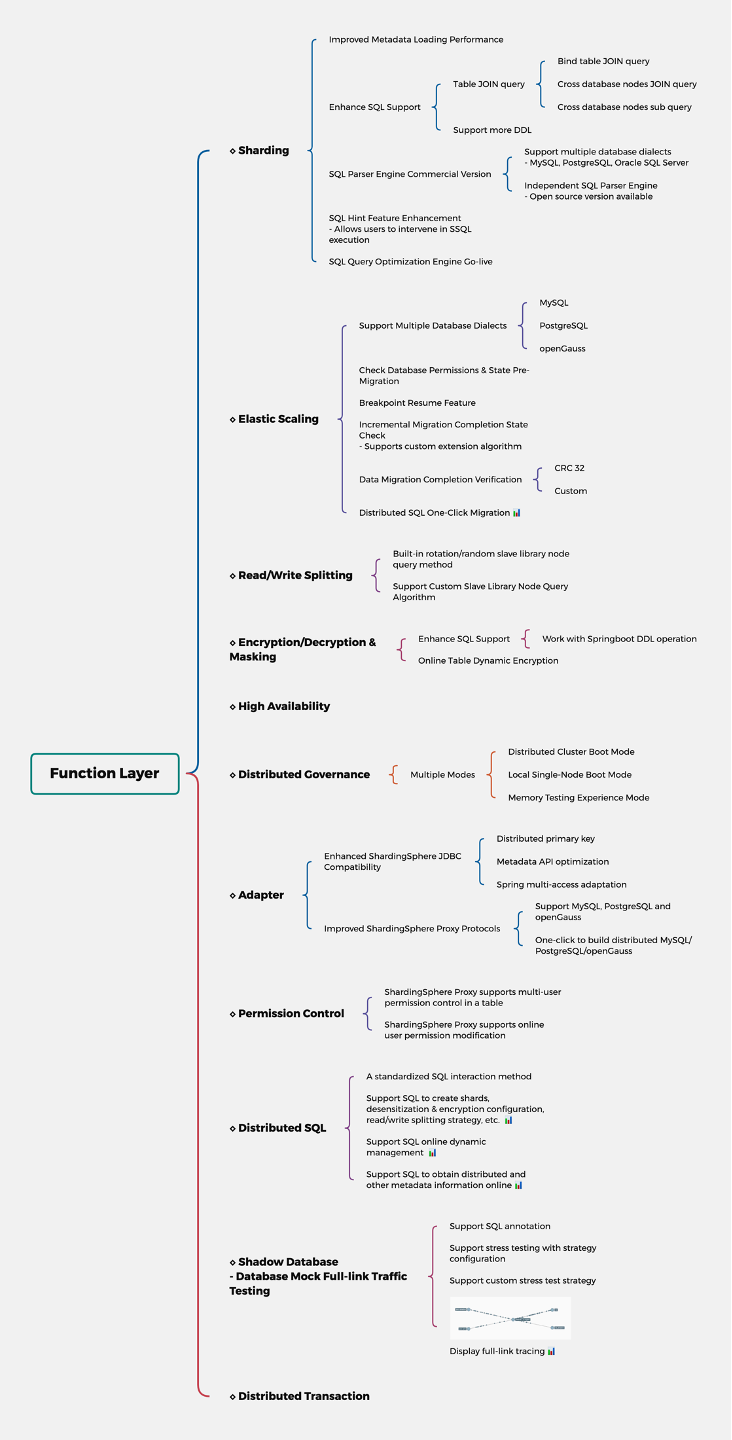
##Function Layer
-
+
In the future, the community will continue to optimize ShardingSphere and
integrate new ideas and industry scenarios, while always listening to users’
feedback. Meanwhile, the core team members of the ShardingSphere community are
willing to mentor anyone interested in open source and to provide more practice
“ISSUES” to students interested in open source. We also hope that new friends
or contributors will join the community, to promote ideas exchange and create a
truly global developer c [...]
##Author
-)
+)
Sphere Ex Co-Founder & CTO; Apache Member; Apache ShardingSphere PMC, Apache
brpc (Incubating) & Apache AGE (Incubating) Mentor; China Mulan Open Source
Community Mentor.
She used to be responsible for the design and development of the intelligent
database platform of JD Digital Science and Technology.
diff --git a/docs/blog/content/material/Nov_23_1_Integrate_SCTL_into_RAL.en.md
b/docs/blog/content/material/Nov_23_1_Integrate_SCTL_into_RAL.en.md
index 2a8658b..7ecae2b 100644
--- a/docs/blog/content/material/Nov_23_1_Integrate_SCTL_into_RAL.en.md
+++ b/docs/blog/content/material/Nov_23_1_Integrate_SCTL_into_RAL.en.md
@@ -248,7 +248,7 @@ Input command
Output
The initial status output is :
-
+
Verify the hint and input the command:
@@ -257,7 +257,7 @@ Verify the hint and input the command:
Output
No hint value now. Query is fully dependent on the hint.
-
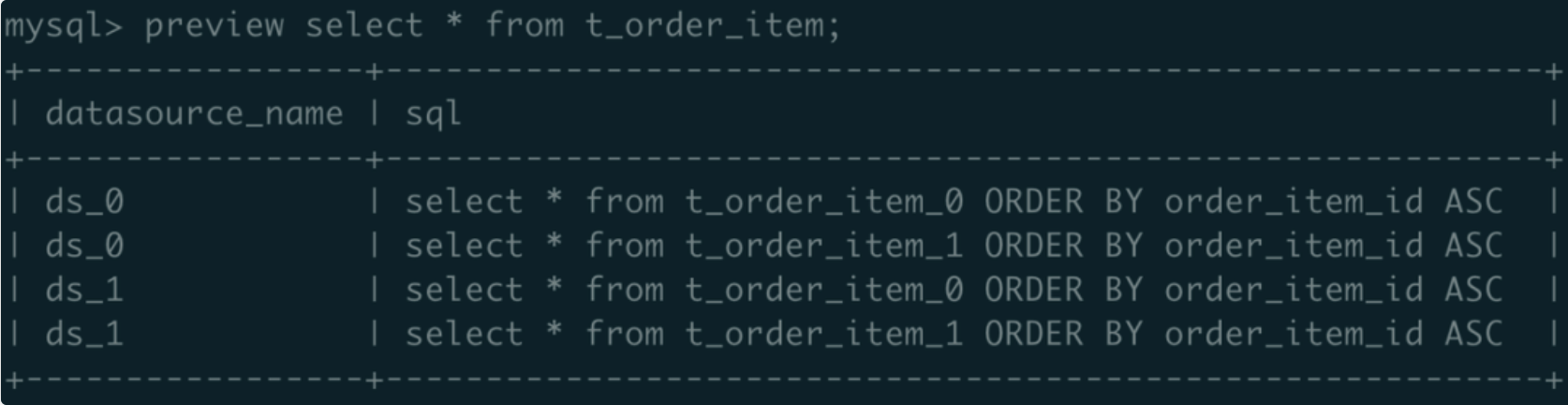
+
-`set sharding hint database_value;`
@@ -272,11 +272,11 @@ Output
a. If successful, show "Query OK, 0 rows affected";
b. Execute `show sharding hint status`; show `t_order_item`'s
`database_sharding_values` as 1. Update `sharding_type value` as
`databases_only`.
-
+
c. Execute `preview select * from t_order_item`; SQL all hinted to ds_1:
-
+
***Note: According to the sharding rules of YAML configuration, when
database_value is an odd number, hint at ds_1; when database_value is an even
number, hint at ds_0.**
@@ -293,11 +293,11 @@ Output
a. If successful,show "Query OK, 0 rows affected";
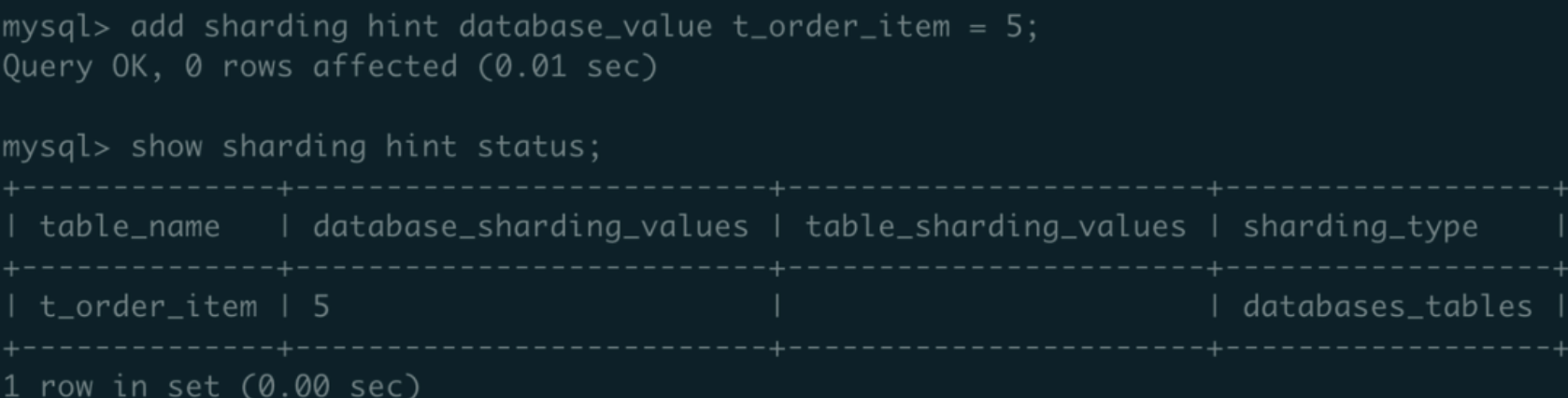
b. Execute `show sharding hint status`; Show `t_order_item`'s
`database_sharding_values` as 5; update `sharding_type value` as
`databases_tables`;
-
+
c. Execute `preview select * from t_order_item`; SQL commands are all hinted
to ds_1:
-
+
Enter the add command again to add an even value.
@@ -308,11 +308,11 @@ Output:
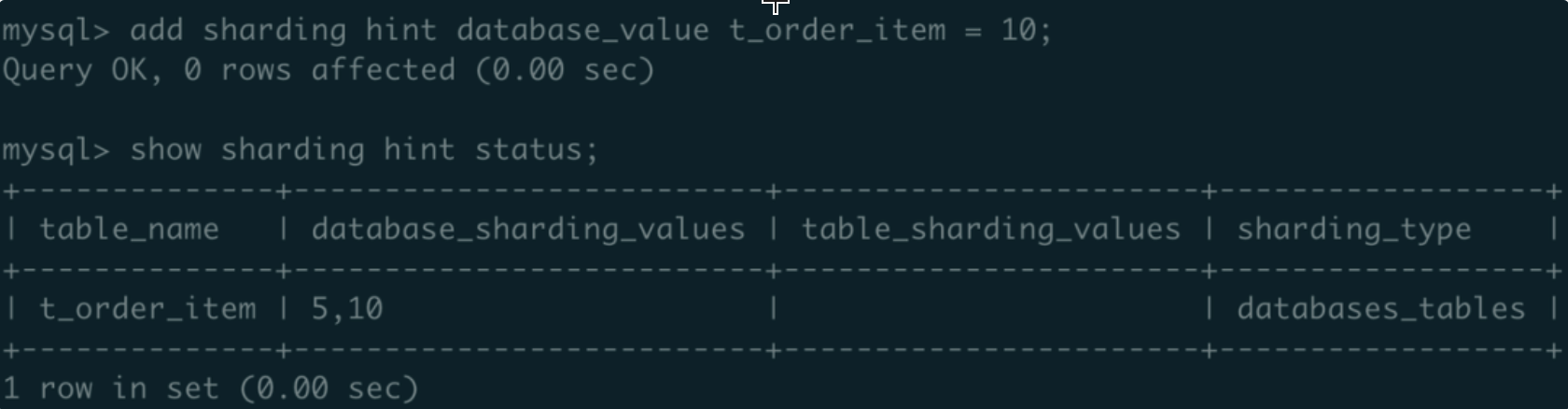
a. If successful,show "Query OK, 0 rows affected";
b. Execute `show sharding hint status`; show `t_order_item`'s
`database_sharding_values` = '5,10':
-
+
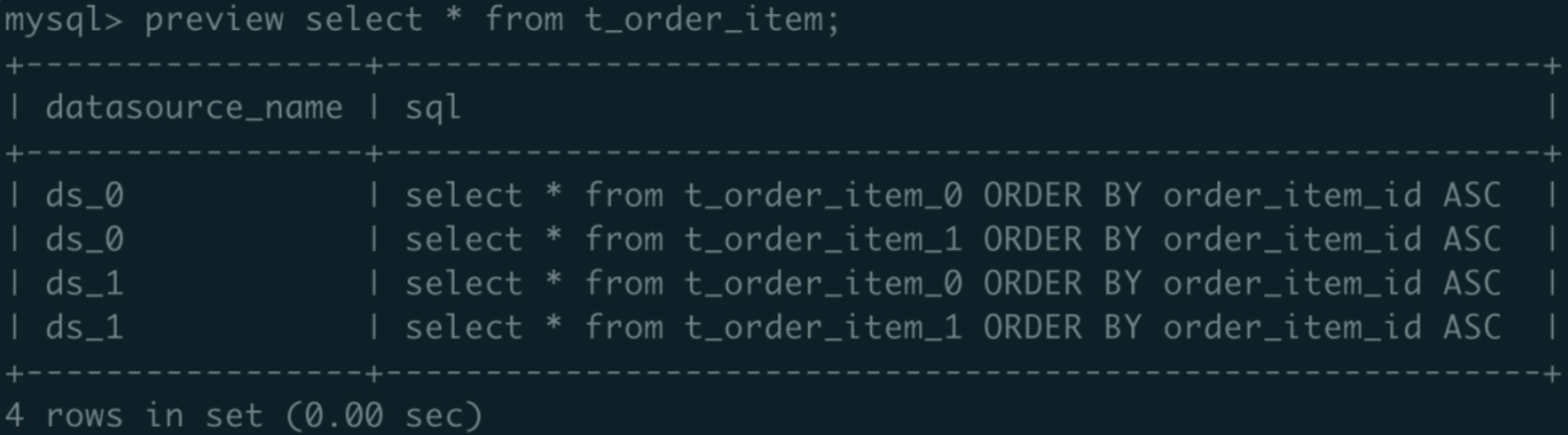
c. Execute `preview select * from t_order_item`; SQL hint contains ds_0 and
ds_1:( Because the hint values include both odd and even number so it contains
all target data sources)
-
+
-`add sharding hint table_value;`
@@ -327,11 +327,11 @@ Output
a. If successful,show "Query OK, 0 rows affected";
b. Execute `show sharding hint status`; show `t_order_item`'s
`database_sharding_values` as '5,10' while `table_sharding_values` is '0':
-
+
c. Execute `preview select * from t_order_item`; the Hint condition is shown
in the figure below; Every database only queries `t_order_item_0`:
-
+
**Note: According to the sharding rules of YAML configuration, when
`table_value` is an odd number, hint `t_order_item_1`; when `database_value` is
an even number, hint `t_order_item_0`.
It's quite similar to `add sharding hint database_value`; you can set more
than one hint values in `add sharding hint database_value`, to cover more
shards.**
@@ -348,7 +348,7 @@ Output
a. If successful, show "Query OK, 0 rows affected";
b. Clear sharding hint and recover default; use `show sharding hint status`;
to see the result. The initial status is:
-
+
`clear hint`
@@ -401,13 +401,13 @@ That's all folks. If you have any questions or
suggestions, feel free to comment
Jiang Longtao
-
+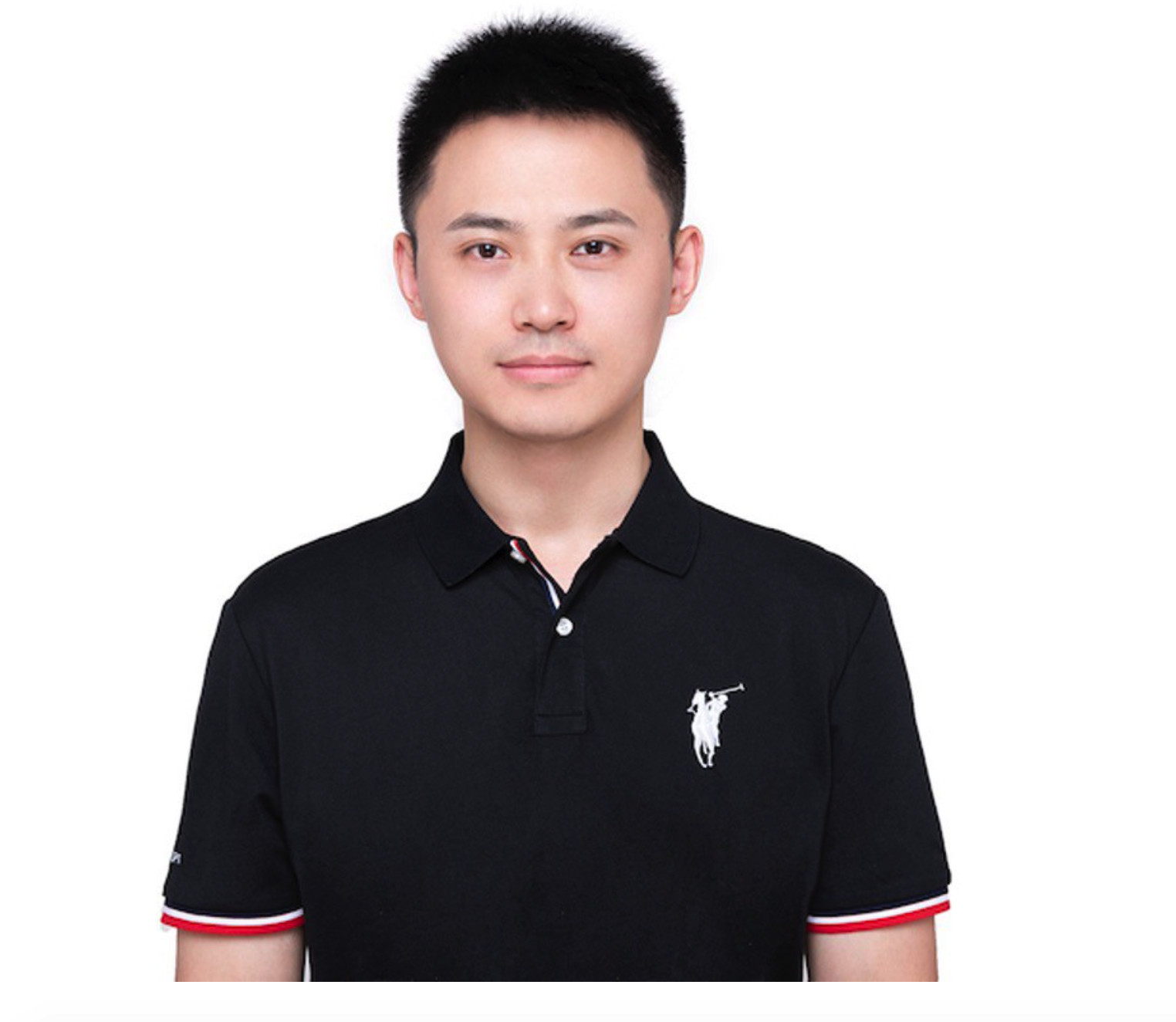
>SphereEx Middleware Development Engineer & Apache ShardingSphere Committer.
>Currently, he is in charge of DistSQL and permission control development.
Lan Chengxiang
-
+
>SphereEx Middleware Development Engineer & Apache ShardingSphere Contributor.
>He focuses on DisSQL design and development.
diff --git
"a/docs/blog/content/material/Oct_12_1_ShardingSphere\342\200\231s_Metadata_Loading_Process.cn.md"
"b/docs/blog/content/material/Oct_12_1_ShardingSphere\342\200\231s_Metadata_Loading_Process.cn.md"
index 76560b6..cb98c00 100644
---
"a/docs/blog/content/material/Oct_12_1_ShardingSphere\342\200\231s_Metadata_Loading_Process.cn.md"
+++
"b/docs/blog/content/material/Oct_12_1_ShardingSphere\342\200\231s_Metadata_Loading_Process.cn.md"
@@ -10,7 +10,7 @@ chapter = true
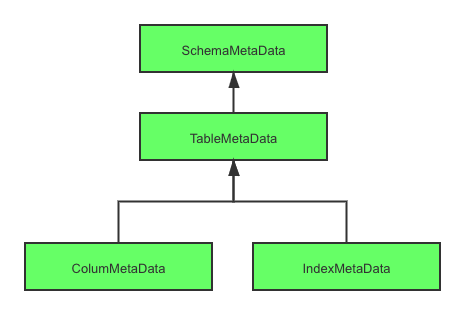
而对于 ShardingSphere 元数据的加载过程,首先需要弄清楚在 ShardingSphere 中元数据的类型以及分级。在
ShardingSphere 中元数据主要围绕着 `ShardingSphereMetaData` 来进行展开,其中较为核心的是
`ShardingSphereSchema`。该结构是数据库的元数据,同时也为数据源元数据的顶层对象,在 ShardingSphere
中数据库元数据的结构如下图。对于每一层来说,上层数据来源于下层数据的组装,所以下面我们采用从下往上的分层方式进行逐一剖析。
-
+
**二、ColumMetaData 和 IndexMetaData**
diff --git
"a/docs/blog/content/material/Oct_12_1_ShardingSphere\342\200\231s_Metadata_Loading_Process.en.md"
"b/docs/blog/content/material/Oct_12_1_ShardingSphere\342\200\231s_Metadata_Loading_Process.en.md"
index b5cee93..b5db091 100644
---
"a/docs/blog/content/material/Oct_12_1_ShardingSphere\342\200\231s_Metadata_Loading_Process.en.md"
+++
"b/docs/blog/content/material/Oct_12_1_ShardingSphere\342\200\231s_Metadata_Loading_Process.en.md"
@@ -13,7 +13,7 @@ chapter = true
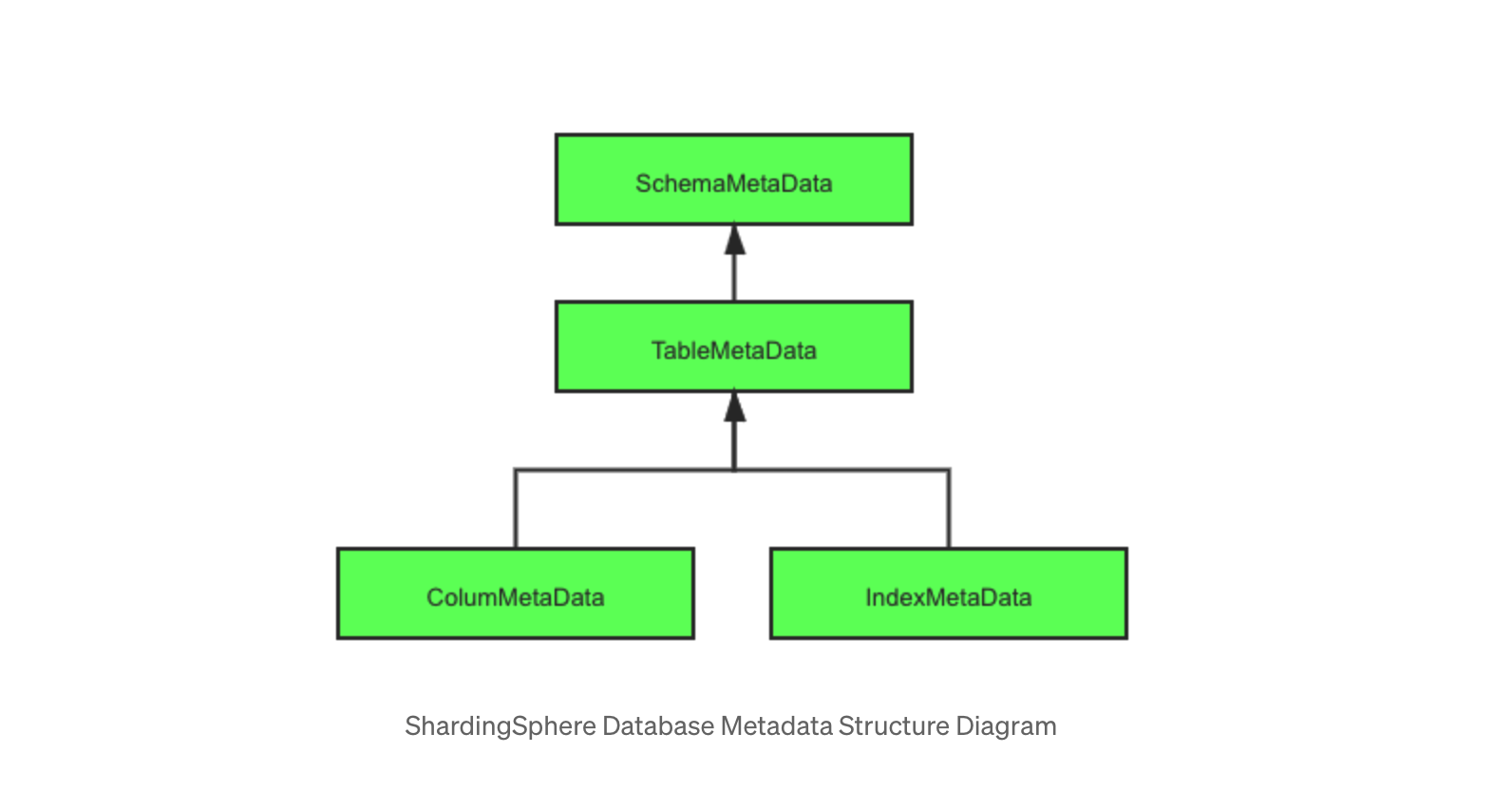
For the ShardingSphere metadata loading process, it is first necessary to
clarify the type and hierarchy of metadata in ShardingSphere. The metadata in
ShardingSphere is mainly based around the `ShardingSphereMetaData`, the core of
which is the `ShardingSphereSchema`, which is the metadata of the database and
is also the top-level object of the data source metadata. The structure of the
database metadata in ShardingSphere is shown as below, for each layer, the
upper layer data comes fr [...]
-
+
**2. ColumMetaData and IndexMetaData**
@@ -261,7 +261,7 @@ For the loading of resources common to the system, we
follow the concept of “o
**About The Author**
-
+
Tang Guocheng, a software engineer at Xiaomi, is mainly responsible for the
development of the MIUI browser server side. He is a technology and Open-Source
enthusiast, loves to explore and is keen on researching and learning about
Open-Source middleware solutions. He is a proud member of the ShardingSphere
community and is working hard to improve his skills with the support of the
community, and to contribute to the development of the ShardingSphere community.
diff --git
a/docs/blog/content/material/Oct_12_3_How_Can_Students_Participate_in_Open_Source_Communities.en.md
b/docs/blog/content/material/Oct_12_3_How_Can_Students_Participate_in_Open_Source_Communities.en.md
index d43725d..f0006f3 100644
---
a/docs/blog/content/material/Oct_12_3_How_Can_Students_Participate_in_Open_Source_Communities.en.md
+++
b/docs/blog/content/material/Oct_12_3_How_Can_Students_Participate_in_Open_Source_Communities.en.md
@@ -4,7 +4,7 @@ weight = 19
chapter = true
+++
-
+
Having some experience in Open-Source projects or communities is quite common
for developers nowadays. Actually, not only adults but students should, and are
increasingly likely to get involved in Open-Source projects.
@@ -74,7 +74,7 @@ After mentoring countless local and international students,
this is the perspect
**Juan Pan | Trista**
-
+
SphereEx Co-Founder, Apache Member, Apache ShardingSphere PMC, Apache
brpc(Incubating) & Apache AGE(Incubating) mentor.
diff --git
a/docs/blog/content/material/Oct_12_4_Updates_and_FAQ_Your_1_Minute_Quick_Start_Guide_to_ShardingSphere.cn.md
b/docs/blog/content/material/Oct_12_4_Updates_and_FAQ_Your_1_Minute_Quick_Start_Guide_to_ShardingSphere.cn.md
index e92d084..1c15445 100644
---
a/docs/blog/content/material/Oct_12_4_Updates_and_FAQ_Your_1_Minute_Quick_Start_Guide_to_ShardingSphere.cn.md
+++
b/docs/blog/content/material/Oct_12_4_Updates_and_FAQ_Your_1_Minute_Quick_Start_Guide_to_ShardingSphere.cn.md
@@ -167,7 +167,7 @@ ShardingSphere-Proxy 示例模块,包含了分库分表、读写分离和强
在以 Java 作为主要语言的专业开发者中,Java 8 LTS(长期支持版本)仍然是最受欢迎的版本。
-
+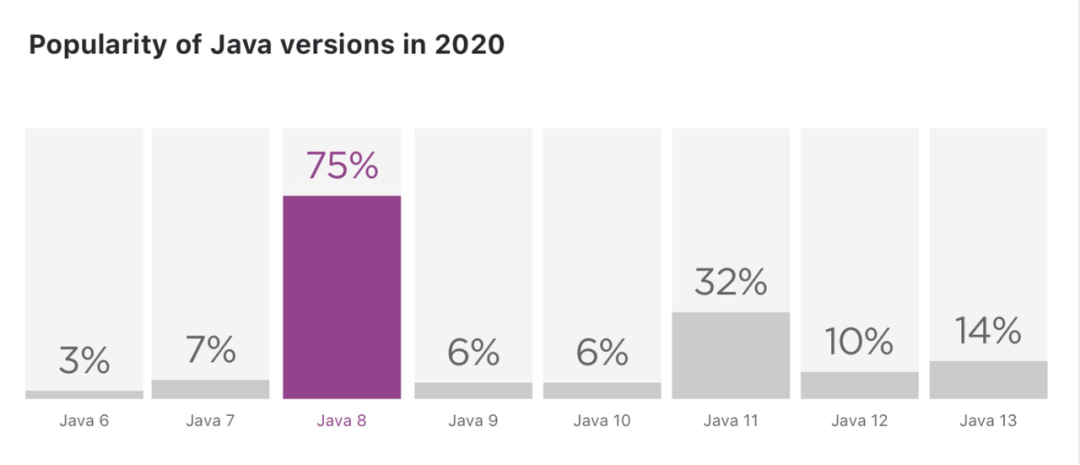
来源《JetBrains 公司 2020 关于 Java 的报告》:
https://blog.jetbrains.com/zh-hans/idea/2020/10/java-2020/
@@ -332,4 +332,4 @@
https://shardingsphere.apache.org/document/current/cn/user-manual/shardingsphere
https://github.com/apache/shardingsphere/issues
**贡献指南:**
-https://shardingsphere.apache.org/community/cn/contribute/
\ No newline at end of file
+https://shardingsphere.apache.org/community/cn/contribute/
diff --git
a/docs/blog/content/material/Oct_12_4_Updates_and_FAQ_Your_1_Minute_Quick_Start_Guide_to_ShardingSphere.en.md
b/docs/blog/content/material/Oct_12_4_Updates_and_FAQ_Your_1_Minute_Quick_Start_Guide_to_ShardingSphere.en.md
index c5ea59b..a58d3e7 100644
---
a/docs/blog/content/material/Oct_12_4_Updates_and_FAQ_Your_1_Minute_Quick_Start_Guide_to_ShardingSphere.en.md
+++
b/docs/blog/content/material/Oct_12_4_Updates_and_FAQ_Your_1_Minute_Quick_Start_Guide_to_ShardingSphere.en.md
@@ -158,7 +158,7 @@ Related details are as follows:
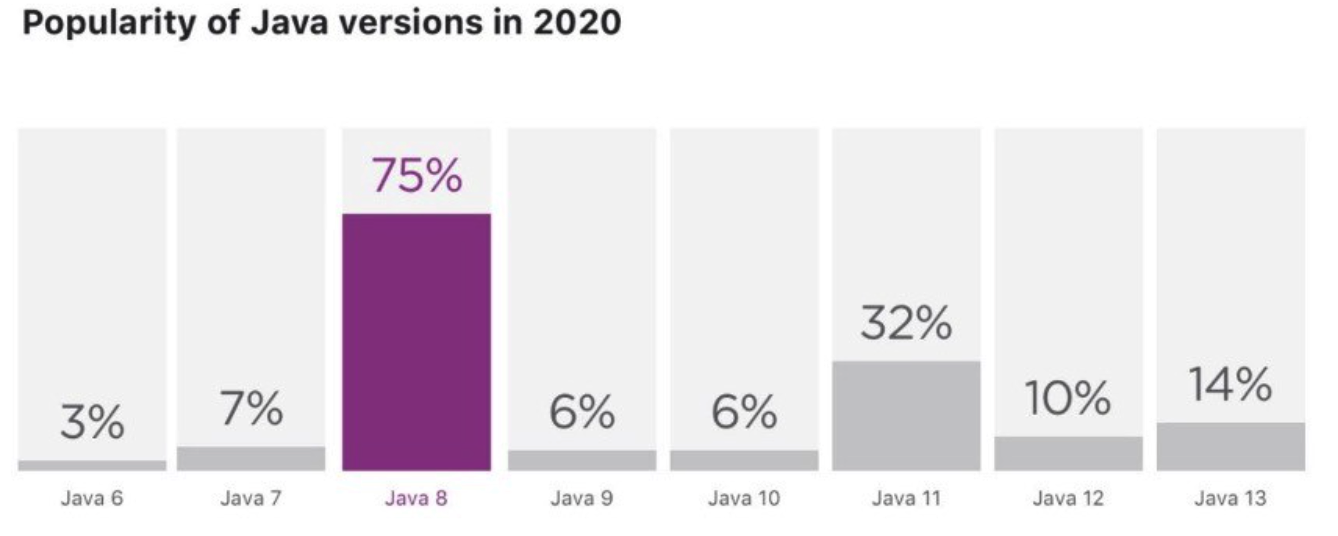
According to JetBrains’s “A Picture of Java in 2020”, Java8 LTS is the most
popular version among Java developers.
-
+
Following this update, shardingsphere-example uses Java 8 and newer versions.
If you use Java 7 or earlier versions, please update your JDK version first.
@@ -320,11 +320,11 @@ If you have any questions or have found any issues, we
are looking forward to yo
**Authors**
-
+
I’m Jiang Longtao, SphereEx middleware engineer & Apache ShardingSphere
contributor. At present, I focus on ShardingSphere database middleware and its
open source community.
-
+
I’m Hou Yang, and I am a middleware enigneer at SphereEx. I love open source
and I want to contribute to building a better community with everyone.
diff --git
a/docs/blog/content/material/Oct_12_5_E-Hualu_ShardingSphere_Hulu_Story_Data_Processing_Shortcut.cn.md
b/docs/blog/content/material/Oct_12_5_E-Hualu_ShardingSphere_Hulu_Story_Data_Processing_Shortcut.cn.md
index 733a489..f9e5e95 100644
---
a/docs/blog/content/material/Oct_12_5_E-Hualu_ShardingSphere_Hulu_Story_Data_Processing_Shortcut.cn.md
+++
b/docs/blog/content/material/Oct_12_5_E-Hualu_ShardingSphere_Hulu_Story_Data_Processing_Shortcut.cn.md
@@ -42,7 +42,7 @@ chapter = true
围绕上述的一些诉求,葫芦团队用了 2 周左右时间对 ShardingSphere
及同类解决方案进行了全面评估,综合考虑了如产品功能、成熟度、稳定性、性能等多方面评估指标,最终 ShardingSphere
凭借完善的功能支持程度以及高成熟度,充分满足了葫芦团队的业务诉求。
-
+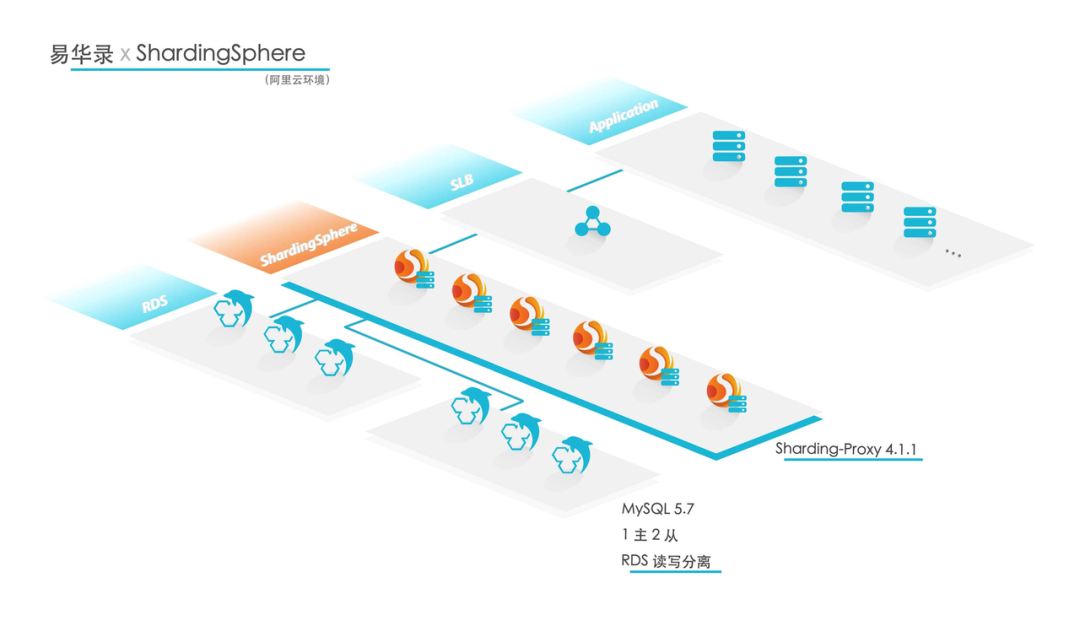
从上图中可以看出,葫芦团队将 ShardingSphere 部署在了阿里云的 RDS
之上,相较于对本体数据库做调整,葫芦团队更倾向于在数据库之上来进行数据治理。而 ShardingSphere
能够从可插拔架构所带来高扩展性、距离业务更紧密的贴合性以及对于业务架构的零侵入性这三个层面对葫芦的后台数据架构进行有效改进,并带来了明显的效果提升:
diff --git
a/docs/blog/content/material/Oct_12_6_AutoTable_Your_Butler-Like_Sharding_Configuration_Tool.cn.md
b/docs/blog/content/material/Oct_12_6_AutoTable_Your_Butler-Like_Sharding_Configuration_Tool.cn.md
index e4a9aea..4e55ea9 100644
---
a/docs/blog/content/material/Oct_12_6_AutoTable_Your_Butler-Like_Sharding_Configuration_Tool.cn.md
+++
b/docs/blog/content/material/Oct_12_6_AutoTable_Your_Butler-Like_Sharding_Configuration_Tool.cn.md
@@ -16,7 +16,7 @@ SphereEx 中间件研发工程师,Apache ShardingSphere contributor。目前
**Sharding**是 Apache ShardingSphere 的核心特性,也是 ShardingSphere
最被人们熟知的一项能力。在过去,用户若需要进行分库分表,一种典型的实施流程(不含数据迁移)如下:
-
+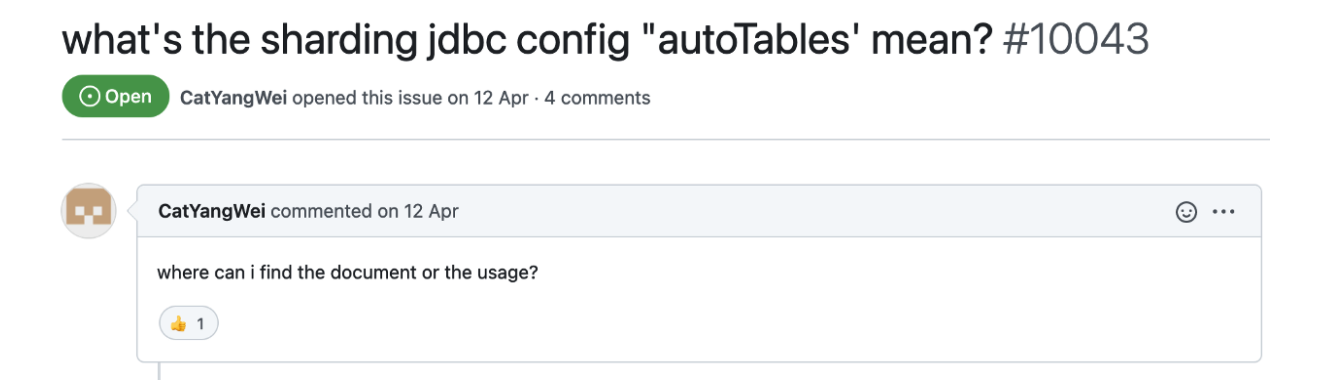
图1 Sharding 实施流程示意图
@@ -24,7 +24,7 @@ SphereEx 中间件研发工程师,Apache ShardingSphere contributor。目前
以上述分库分表场景为例,实际的数据表分布情况可能如下:
-
+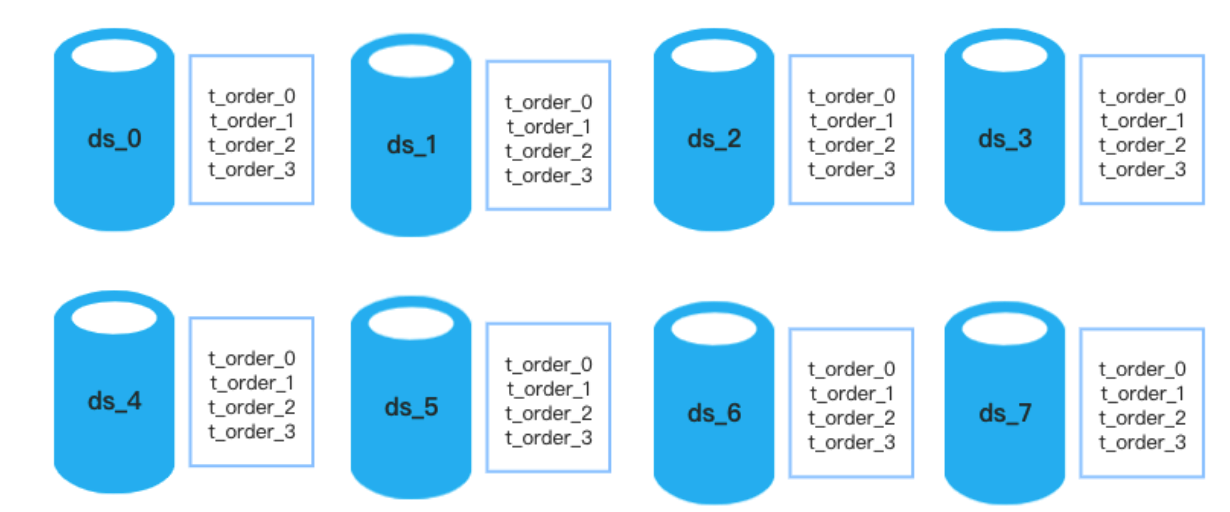
图2 8 库 * 4 表分布示意图
@@ -66,7 +66,7 @@ shardingAlgorithms:
如这位用户提出的 issue:
-
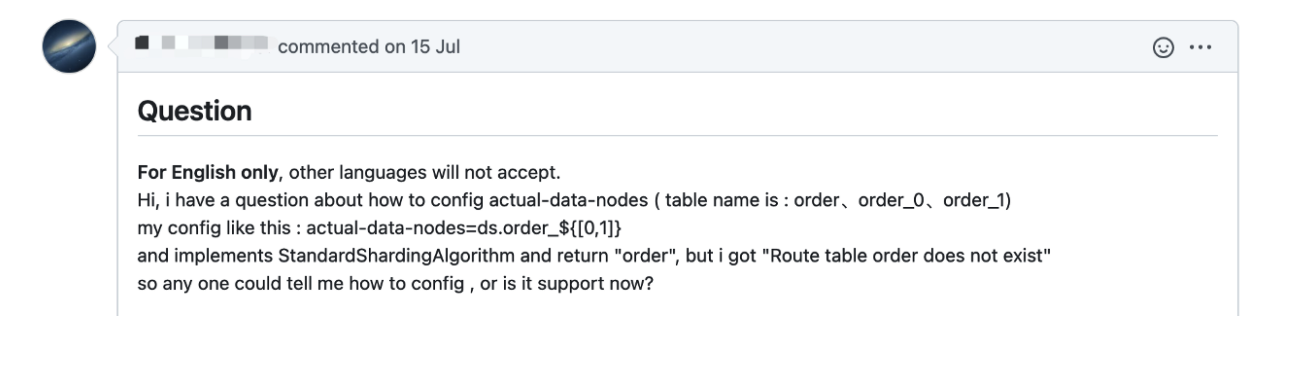
+
## AutoTable 横空出世
@@ -196,4 +196,4 @@ https://github.com/apache/shardingsphere/issues
**贡献指南:**
-https://shardingsphere.apache.org/community/cn/contribute/
\ No newline at end of file
+https://shardingsphere.apache.org/community/cn/contribute/
diff --git
a/docs/blog/content/material/Oct_12_6_AutoTable_Your_Butler_Like_Sharding_Configuration_Tool.en.md
b/docs/blog/content/material/Oct_12_6_AutoTable_Your_Butler_Like_Sharding_Configuration_Tool.en.md
index 8a9172b..13fe28e 100644
---
a/docs/blog/content/material/Oct_12_6_AutoTable_Your_Butler_Like_Sharding_Configuration_Tool.en.md
+++
b/docs/blog/content/material/Oct_12_6_AutoTable_Your_Butler_Like_Sharding_Configuration_Tool.en.md
@@ -18,7 +18,7 @@ Following the article’s publication, we received many
messages from our reader
**Figure 1:** Sharding Workflow
-
+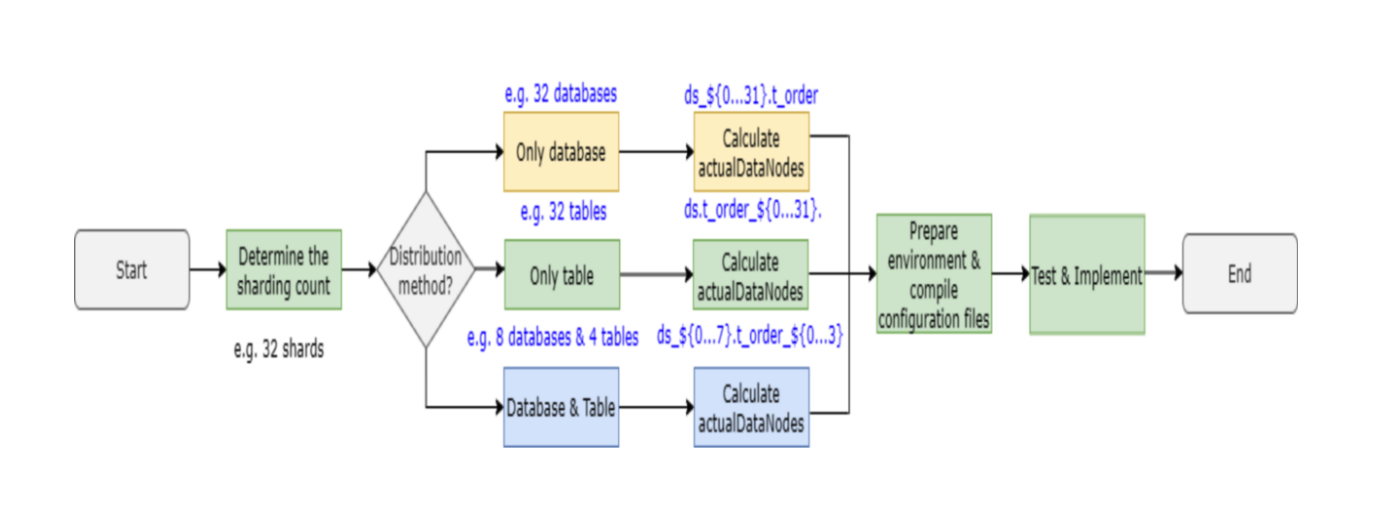
In such workflow, you have to clearly know your sharding strategies, and the
actual table names and their datasources. Then, you base your sharding rules on
such information.
@@ -26,7 +26,7 @@ One of the table distribution results may be 8 sharding
databases each containin
**Figure 2:** 8 Databases * 4 Tables Distribution
-
+
## Problem
@@ -65,7 +65,7 @@ ShardingSphere actually has very user-friendly configuration
rules. However, use
*We always pay attention to user issues. For example, we have noticed one of
our users found the following issue:*
-
+
## Why You Need AutoTable?
@@ -176,7 +176,7 @@ For more information, please read:
[https://github.com/apache/shardingsphere/blo
@CatYangWei was the first GitHub user to ask about `AutoTable`.
-
+
We’d like to thank him for helping us find the problem. We do appreciate that.
In order to express our gratitude, we will contact you later and send you a
gift. as a token of appreciation from the community👏👏👏
@@ -196,6 +196,6 @@ Contributor
Guide:[https://shardingsphere.apache.org/community/en/contribute/]
Longtao Jiang
-
+
> SphereEx Middleware Development Engineer & Apache ShardingSphere Contributor.
diff --git
a/docs/blog/content/material/Oct_12_7_openGauss_ShardingSphere_One_of_the_Top_Distribution_Solutions.cn.md
b/docs/blog/content/material/Oct_12_7_openGauss_ShardingSphere_One_of_the_Top_Distribution_Solutions.cn.md
index ba6237f1..8fb0d65 100644
---
a/docs/blog/content/material/Oct_12_7_openGauss_ShardingSphere_One_of_the_Top_Distribution_Solutions.cn.md
+++
b/docs/blog/content/material/Oct_12_7_openGauss_ShardingSphere_One_of_the_Top_Distribution_Solutions.cn.md
@@ -7,7 +7,7 @@ chapter = true
Apache ShardingSphere 持续助力于 openGauss 分布式数据库能力的构建。openGauss 数据库自 2020 年 6
月开源以来,受到了业界的广泛关注,现已吸引众多伙伴、开发者参与其中,共建繁荣的数据库生态。面对如今海量数据,超高并发等诸多场景,openGauss
将目光转向于分布式解决方案,专注于解决海量数据存储、超高并发吞吐、大表瓶颈等众多难题,与 **ShardingSphere**
一起构建全栈开源分布式解决方案,实现 **openGauss** 的又一大突破。
## 分布式解决方案
-
+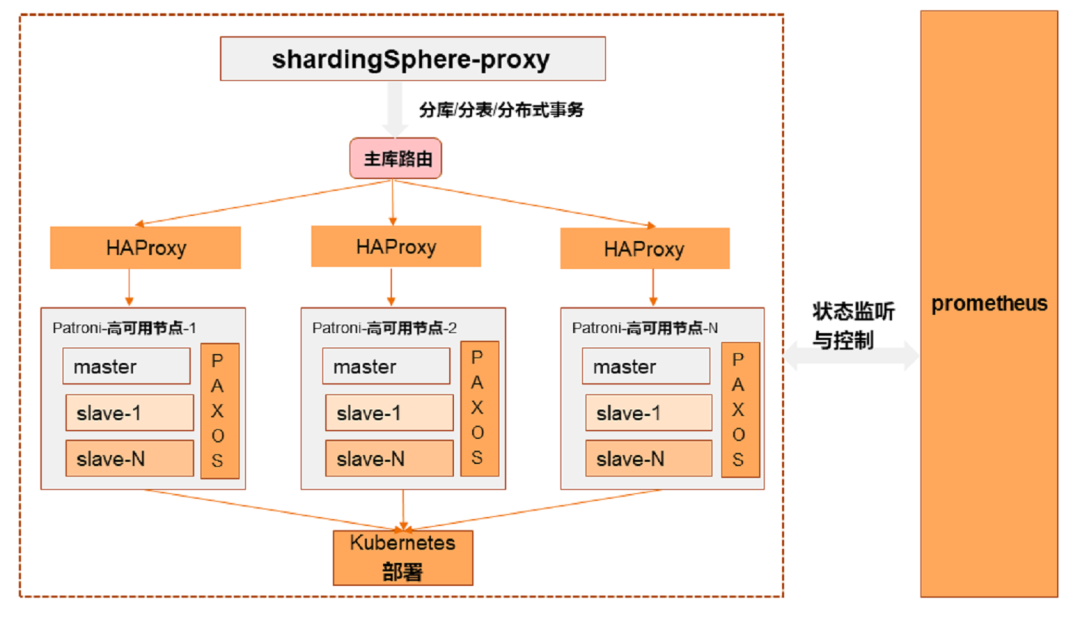
图1 分布式解决方案整体框图
@@ -56,4 +56,4 @@ openGauss 融合了众多开源组件,用以构建集数据水平扩展、分
支持同城、异地、多地多中心灵活部署,根据业务的潮汐特点灵活扩缩容,助力智慧电网。
-**欢迎更多技术团队与我们一同分享使用 ShardingSphere 的经验思考。**
\ No newline at end of file
+**欢迎更多技术团队与我们一同分享使用 ShardingSphere 的经验思考。**
diff --git
a/docs/blog/content/material/Oct_12_7_openGauss_ShardingSphere_One_of_the_Top_Distribution_Solutions.en.md
b/docs/blog/content/material/Oct_12_7_openGauss_ShardingSphere_One_of_the_Top_Distribution_Solutions.en.md
index 3e4c973..75c5e27 100644
---
a/docs/blog/content/material/Oct_12_7_openGauss_ShardingSphere_One_of_the_Top_Distribution_Solutions.en.md
+++
b/docs/blog/content/material/Oct_12_7_openGauss_ShardingSphere_One_of_the_Top_Distribution_Solutions.en.md
@@ -18,7 +18,7 @@ Apache ShardingSphere facilitates the distributed feature
development of openGau
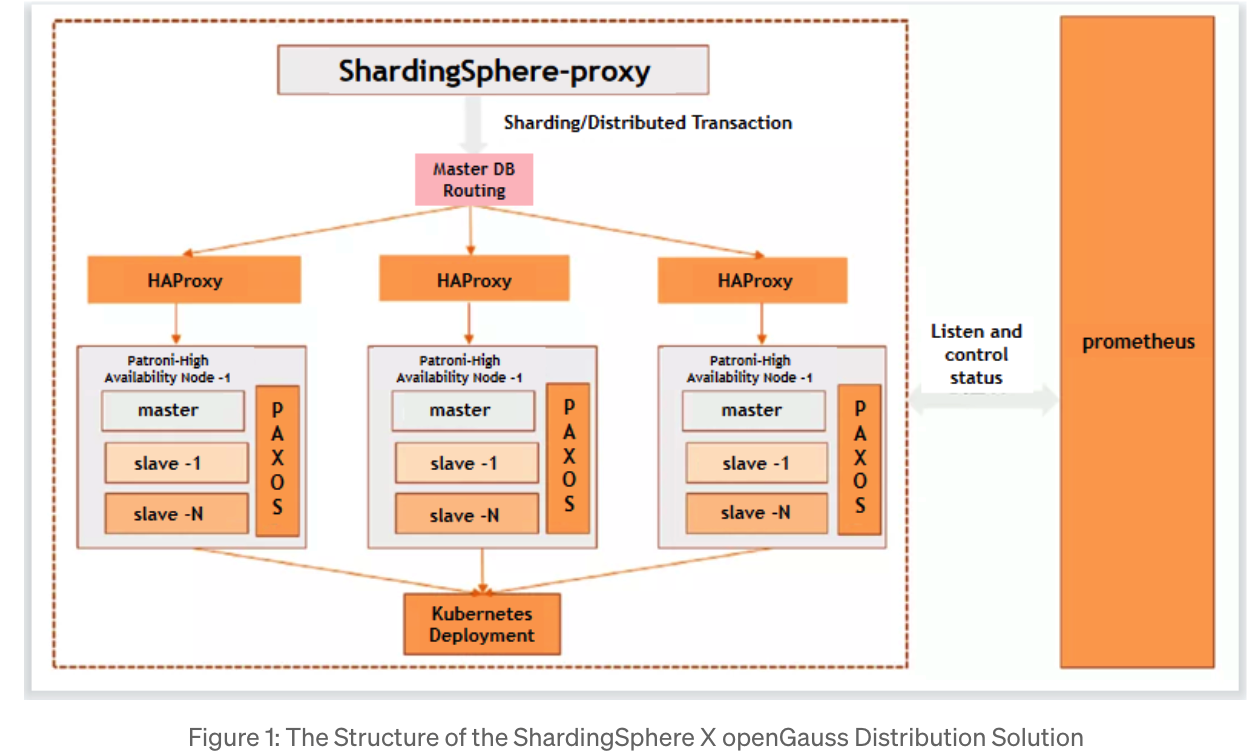
openGauss integrates many open source components to optimize its full stack &
open source distributed solution for horizontal scaling, distributed
transactions, and distributed governance. Its framework is shown in Fig.1
-
+
ShardingSphere-Proxy is the open source distributed database solution.
ShardingSphere’s well-known features include but are not limited to data
sharding, distributed transaction, elastic scaling, and read-write splitting.
diff --git
a/docs/blog/content/material/Oct_12_8_ShardingSphere_Google_Summer_of_Code_Students_How_Was_Your_Open_Source_Experience.cn.md
b/docs/blog/content/material/Oct_12_8_ShardingSphere_Google_Summer_of_Code_Students_How_Was_Your_Open_Source_Experience.cn.md
index ee9605e..b1e9883 100644
---
a/docs/blog/content/material/Oct_12_8_ShardingSphere_Google_Summer_of_Code_Students_How_Was_Your_Open_Source_Experience.cn.md
+++
b/docs/blog/content/material/Oct_12_8_ShardingSphere_Google_Summer_of_Code_Students_How_Was_Your_Open_Source_Experience.cn.md
@@ -4,7 +4,7 @@ weight = 24
chapter = true
+++
-
+
Apache ShardingSphere 社区有幸参与 Google 编程之夏(Google Summer of Code, 以下简称
GSoC),指导年轻一代参与开源程序代码设计。GSoC 是 Google 公司主办的年度开源程序设计项目,第一届从 2005
年开始,主要目的是鼓励世界各地的学生参与开放源代码的程序设计。而 Apache ShardingSphere 项目也被选中成为 GSoC
一部分,为学生带来开源软件开发的有趣体验。
@@ -13,7 +13,7 @@ Apache ShardingSphere 社区有幸参与 Google 编程之夏(Google Summer of
<个人简介>
-
+
**Thanoshan**
@@ -21,7 +21,7 @@ Apache ShardingSphere 社区有幸参与 Google 编程之夏(Google Summer of
院校:斯里兰卡萨巴拉加穆瓦大学
专业:计算机与信息系统
-
+
**Liangda**
@@ -126,4 +126,4 @@ Apache ShardingSphere 社区欢迎大家的加入,无论你会不会编程,
**ShardingSphere Twitter:**https://twitter.com/ShardingSphere
-**ShardingSphere Slack Channel:**apacheshardingsphere.slack.com
\ No newline at end of file
+**ShardingSphere Slack Channel:**apacheshardingsphere.slack.com
diff --git
a/docs/blog/content/material/Oct_12_8_ShardingSphere_Google_Summer_of_Code_Students_How_Was_Your_Open_Source_Experience.en.md
b/docs/blog/content/material/Oct_12_8_ShardingSphere_Google_Summer_of_Code_Students_How_Was_Your_Open_Source_Experience.en.md
index 1a0d02c..a88f1d1 100644
---
a/docs/blog/content/material/Oct_12_8_ShardingSphere_Google_Summer_of_Code_Students_How_Was_Your_Open_Source_Experience.en.md
+++
b/docs/blog/content/material/Oct_12_8_ShardingSphere_Google_Summer_of_Code_Students_How_Was_Your_Open_Source_Experience.en.md
@@ -4,19 +4,19 @@ weight = 24
chapter = true
+++
-
+
Recently the ShardingSphere community had the pleasure of contributing to the
Google Summer of Code (GSoC), and mentoring the next generation of open source
innovators. Our project was select to be part of this brilliant and long
running program, to provide students from all over the world with an experience
in open source software.
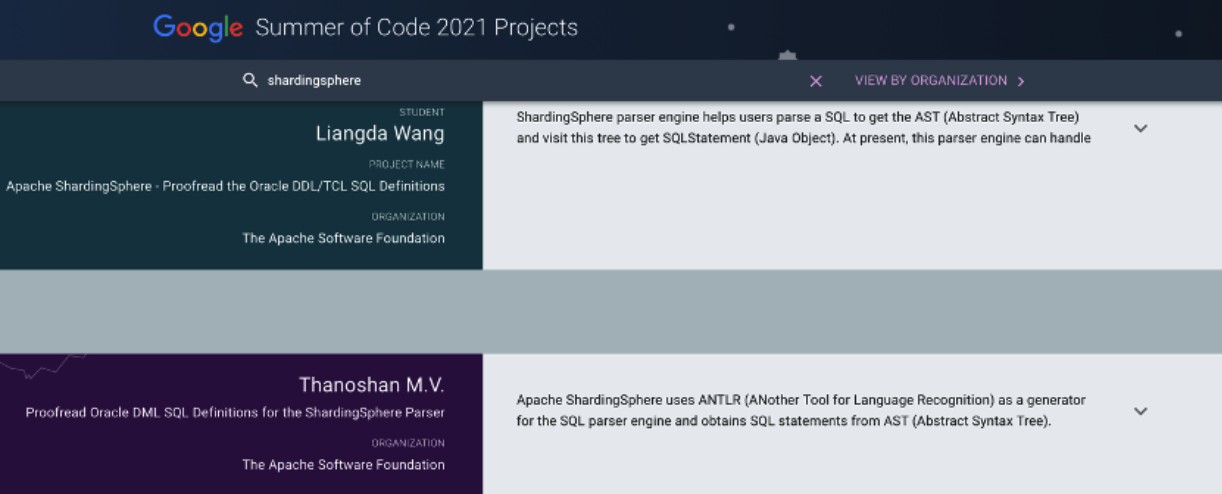
Thanoshan and Liangda are the students that worked with Apache ShardingSphere
mentors during the latest GSoC, and continue contributing to the project ever
since.
-
+
They were kind enough to agree to a phone interview with Yacine, one of the
ShardingSphere committers and community managers — to share their opinions and
experience with the GSoC application process, joining the Apache ShardingSphere
project, and their future plans.
## Students Intro:
-
+
Name: Thanoshan
@@ -26,7 +26,7 @@ University: Sabaragamuwa University
Major: Computing & Information Systems
-
+
Name:Liangda
@@ -156,7 +156,7 @@ ShardingSphere Slack Channel:
[apacheshardingsphere.slack.com]()
## Author
-
+
> **Yacine Si Tayeb**
diff --git a/docs/blog/content/material/Oct_12_9_ShardingSphere_JD
Baitiao_Story_of_an_Implementation_Journey.cn.md
b/docs/blog/content/material/Oct_12_9_ShardingSphere_JD
Baitiao_Story_of_an_Implementation_Journey.cn.md
index 5aa8681..439af5d 100644
--- a/docs/blog/content/material/Oct_12_9_ShardingSphere_JD
Baitiao_Story_of_an_Implementation_Journey.cn.md
+++ b/docs/blog/content/material/Oct_12_9_ShardingSphere_JD
Baitiao_Story_of_an_Implementation_Journey.cn.md
@@ -95,7 +95,7 @@ ShardingSphere-JDBC 的以下特点能够很好地满足白条业务场景:
* **扩展灵活:**搭配使用迁移同步组件轻松实现数据扩展。
-
+
经内部大量系统性验证之后,Apache ShardingSphere 成为了京东白条数据分片中间件的首选方案,2018 年底正式开始对接。
@@ -132,7 +132,7 @@ Apache ShardingSphere 提供了内置的分布式主键生成器,例如 UUID
经两团队通力合作,京东白条业务与 Apache ShardingSphere 相结合的各项指标满足预期,性能与原生 JDBC 几乎一致。
-
+
关于对接过程中的问题详情及方案,请通过[《Apache ShardingSphere
对接京东白条实战》](https://mp.weixin.qq.com/s/4ehcDu6L_iNbxVtg4zyKSg)一文来了解。
@@ -174,4 +174,4 @@ DBRep 是 ShardingSphere-Scaling 产品设计的基石,Scaling 具备的自动
-
ShardingSphere 作为 Apache 基金会下的顶级开源项目,在 GitHub 上获得了超 14K Star
的关注,已成为行业内受欢迎的开源项目,全球有超过 170 家企业用户登记使用,覆盖金融、电子商务、云服务、旅游、物流、教育、文娱等多个领域。
-* 欢迎更多技术团队约稿投稿,和大家分享使用 ShardingSphere
的经验思考。如需转载请后台私信留言,对案例感兴趣的伙伴可联系社区经理(**ss_assistant_1**)回复“**加群**”进入技术交流群,我们也会不定期为社区发展做贡献的热心伙伴送上精美周边噢。
\ No newline at end of file
+* 欢迎更多技术团队约稿投稿,和大家分享使用 ShardingSphere
的经验思考。如需转载请后台私信留言,对案例感兴趣的伙伴可联系社区经理(**ss_assistant_1**)回复“**加群**”进入技术交流群,我们也会不定期为社区发展做贡献的热心伙伴送上精美周边噢。
diff --git a/docs/blog/content/material/Oct_12_9_ShardingSphere_JD
Baitiao_Story_of_an_Implementation_Journey.en.md
b/docs/blog/content/material/Oct_12_9_ShardingSphere_JD
Baitiao_Story_of_an_Implementation_Journey.en.md
index 6f7f7e6..ae4671a 100644
--- a/docs/blog/content/material/Oct_12_9_ShardingSphere_JD
Baitiao_Story_of_an_Implementation_Journey.en.md
+++ b/docs/blog/content/material/Oct_12_9_ShardingSphere_JD
Baitiao_Story_of_an_Implementation_Journey.en.md
@@ -50,7 +50,7 @@ The product continuously developed but the early solution had
now become one of
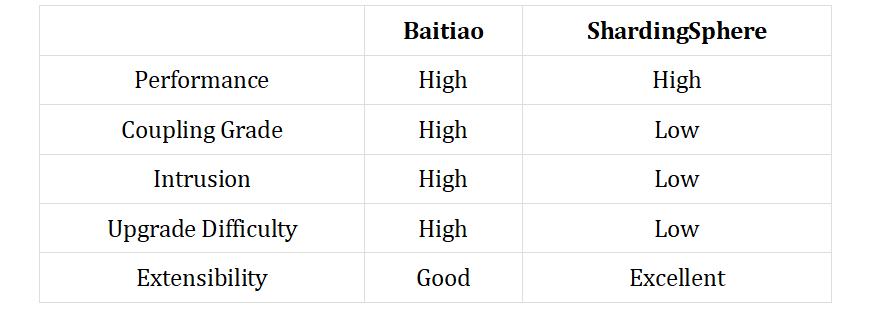
Therefore, the team decided to use a mature sharding component that simplifies
system upgrades and architecture changes. To compare Baitiao's shard and
ShardingSphere shard, their differences are shown in the following table.
-
+
For Baitiao, decoupling was the next task.
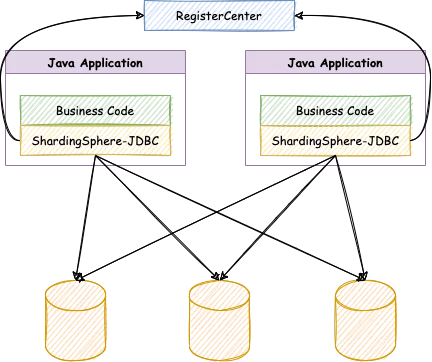
@@ -86,7 +86,7 @@ ShardingSphere - JDBC provides the following features, making
it the best soluti
**Extensibility:** users can combine with the migration sync component to
easily extend data.
-
+
After being systematically tested for several times, Apache ShardingSphere
became JD Baitiao's first choice of data sharding middleware. The cooperation
started at the end of 2018.
@@ -122,7 +122,7 @@ Additionally, Apache ShardingSphere continues to optimize
its other features in
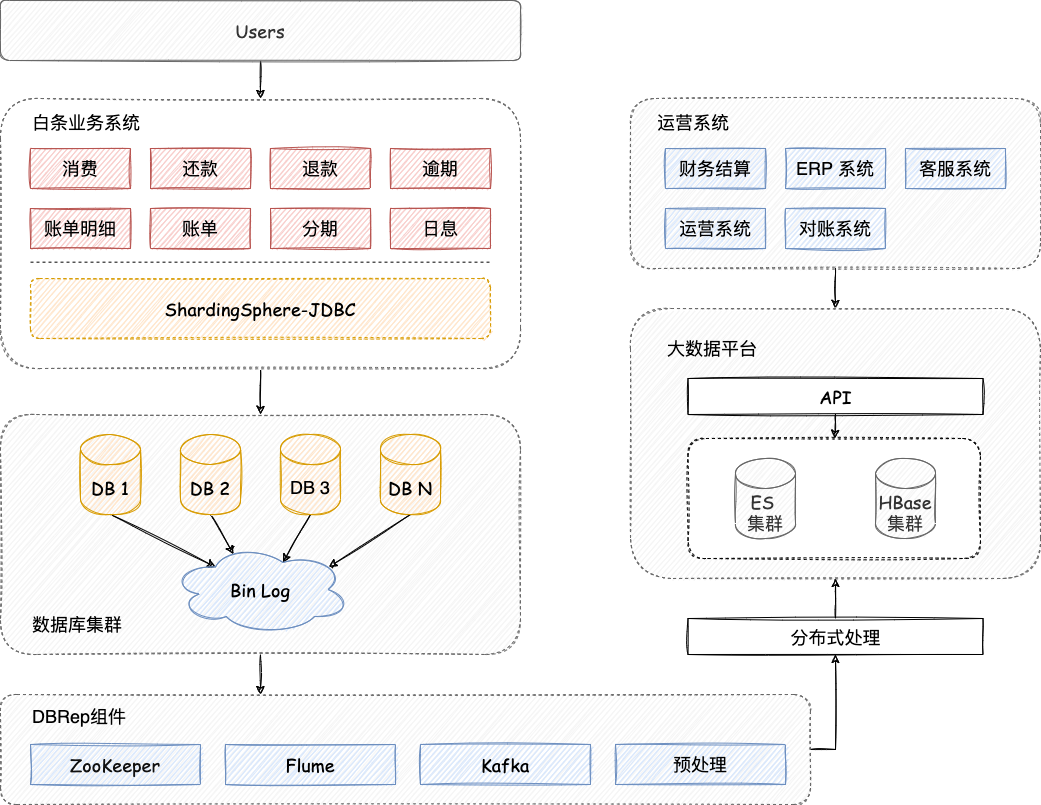
JD Baitiao & ShardingSphere teams joint efforts amde all indicators of the
product live up to their expectation. The resulting final performance is almost
the same as that of a native JDBC.
-
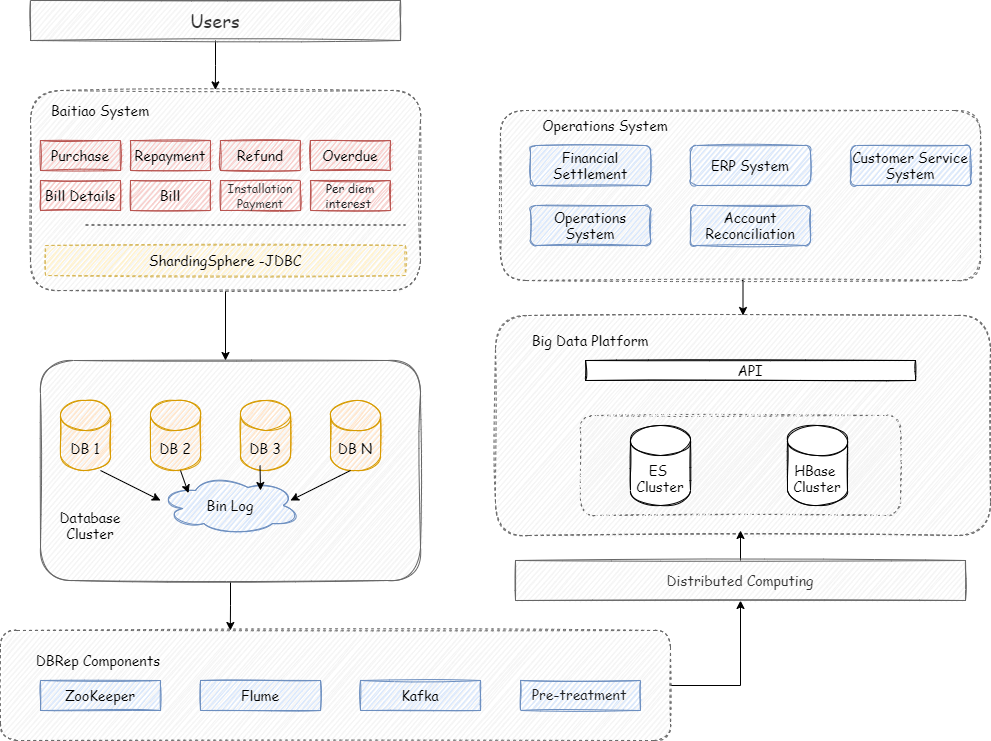
+
##Cutover






















































































































