I've had similar questions from students, though I don't remember if any have
specifically addressed it as `home`. What if we added the word "home" to the
description of the root path that is included (and commented out) by default
after `rails new`? If students don't read or ctrl-f for "home" in the default
routes file, changing the name generated wouldn't help anyway.
Adding aliases could be a can of worms, why not 'welcome' or 'core' or 'main'
etc. This is a relatively trivial in the grand scheme of things to discuss,
open up a PR (i would prefer documentation for now) and we can talk about it
there.

--
Richard Schneeman
http://heroku.com

@schneems (http://twitter.com/schneems)


On Monday, March 11, 2013 at 11:11 AM, Ryan Bigg wrote:

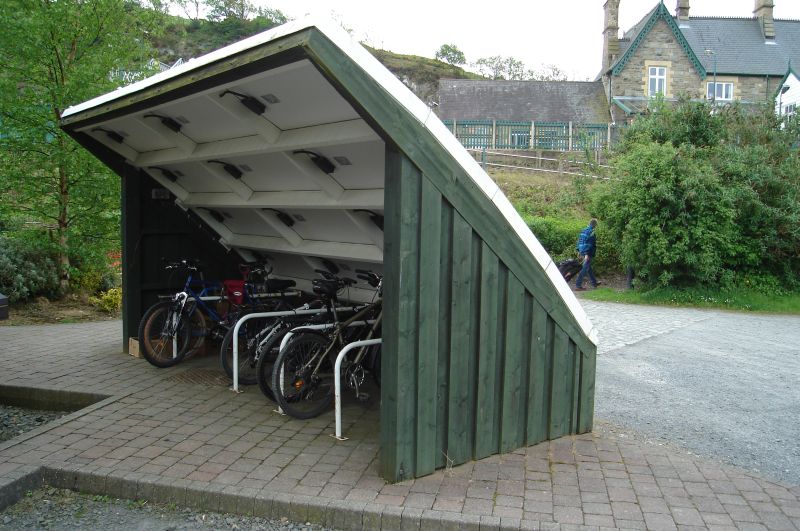
> http://transitionculture.org/wp-content/uploads/bikeshed2.jpg
>
>
> On 11 March 2013 07:23, Apoorv Parijat <[email protected]
> (mailto:[email protected])> wrote:
> > For a domain, say "example.org (http://example.org)", you would call
> > "example.org/ (http://example.org/)" as the "root" domain. The "root"
> > domain points to the "home" page
> > of the website. The idea of "root" should be made clear to students from
> > the beginning.
> >
> > I think, since "root" is not that obscure, we can just let it be ?
> >
> >
> > On Monday, 11 March 2013 04:12:38 UTC+5:30, Jeff Cohen wrote:
> > > Maybe it's just me, but I think "home" might be a better description than
> > > "root".  Students ask me "how do I indicate which action is my home
> > > page," not "how do I indicate which action is my root page."  If this
> > > sounds appealing I can try to dig through the router code and see if I
> > > can submit a PR in time for Rails 4, and make "home" an alias for "root".
> > >
> > > But if there's actually a good reason for keeping it as "root," let me
> > > know and save me the effort :-)
> > >
> > > Thanks!
> > > Jeff
> > >
> > --
> > You received this message because you are subscribed to the Google Groups
> > "Ruby on Rails: Core" group.
> > To unsubscribe from this group and stop receiving emails from it, send an
> > email to [email protected]
> > (mailto:rubyonrails-core%[email protected]).
> > To post to this group, send email to [email protected]
> > (mailto:[email protected]).
> > Visit this group at http://groups.google.com/group/rubyonrails-core?hl=en.
> > For more options, visit https://groups.google.com/groups/opt_out.
> >
> >
>
> --
> You received this message because you are subscribed to the Google Groups
> "Ruby on Rails: Core" group.
> To unsubscribe from this group and stop receiving emails from it, send an
> email to [email protected]
> (mailto:[email protected]).
> To post to this group, send email to [email protected]
> (mailto:[email protected]).
> Visit this group at http://groups.google.com/group/rubyonrails-core?hl=en.
> For more options, visit https://groups.google.com/groups/opt_out.
>
>

--
You received this message because you are subscribed to the Google Groups "Ruby
on Rails: Core" group.
To unsubscribe from this group and stop receiving emails from it, send an email
to [email protected].
To post to this group, send email to [email protected].
Visit this group at http://groups.google.com/group/rubyonrails-core?hl=en.
For more options, visit https://groups.google.com/groups/opt_out.