---------- Forwarded message ----------
From: "Eric Reeves" <[email protected]>
Date: 27 Dec 2016 00:15
Subject: December 19 in Context: Incentives and challenges facing those who
would oust the Khartoum regime
To: "Eric Reeves" <[email protected]>
Cc:
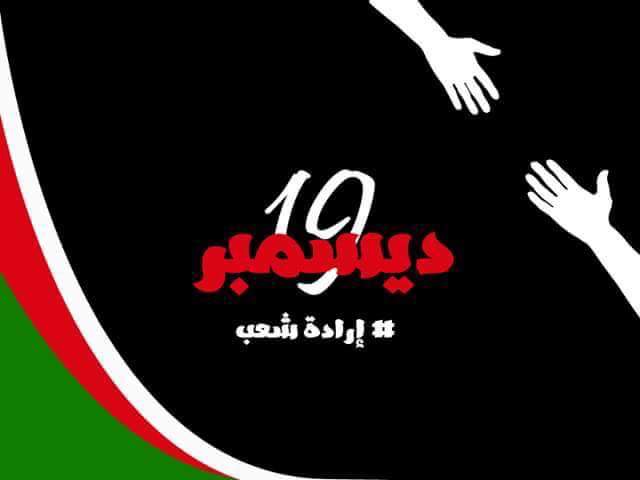
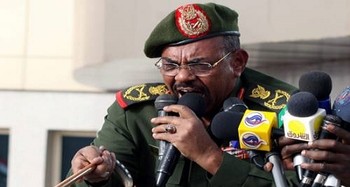
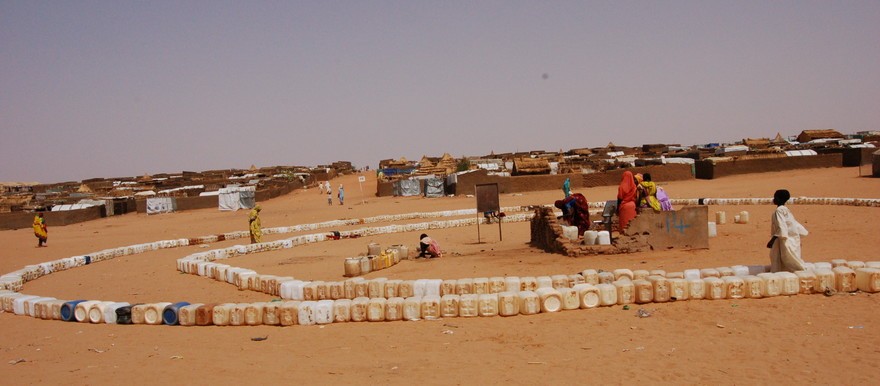
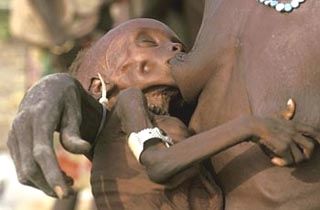
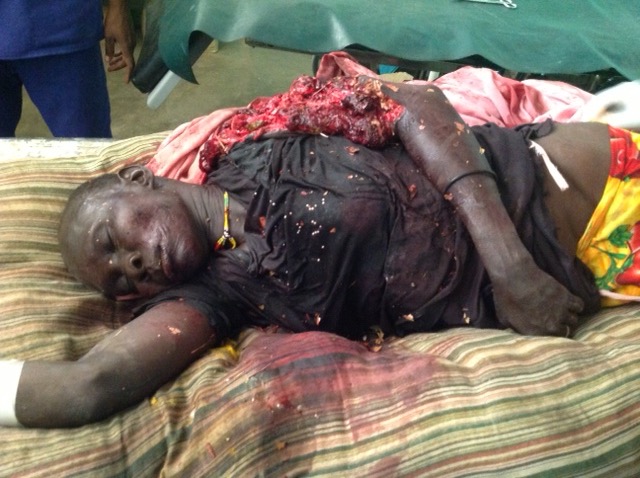
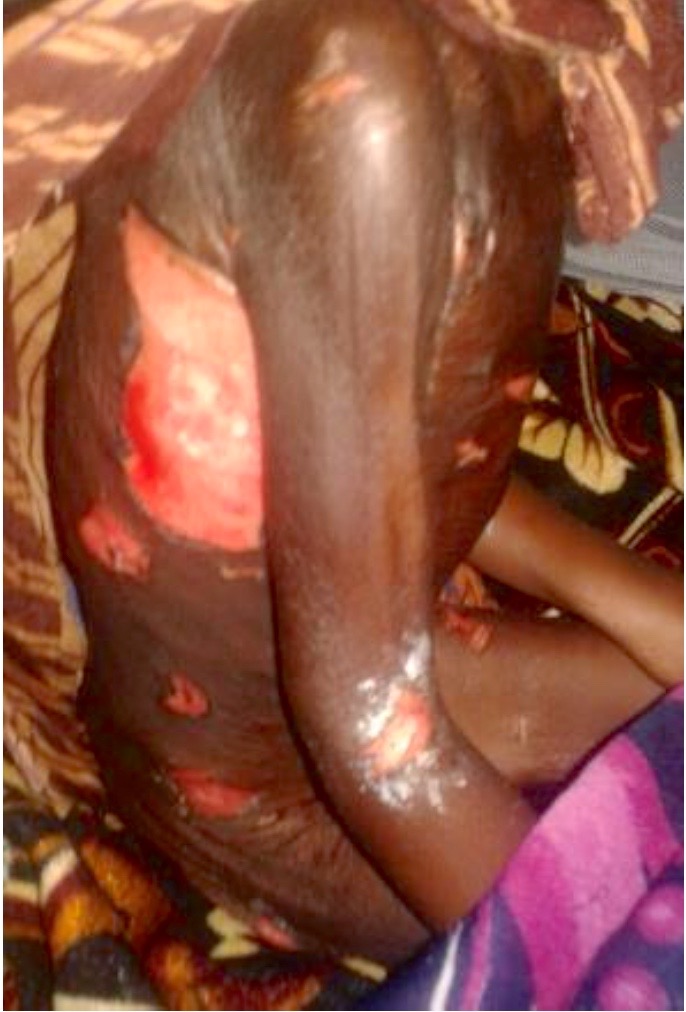
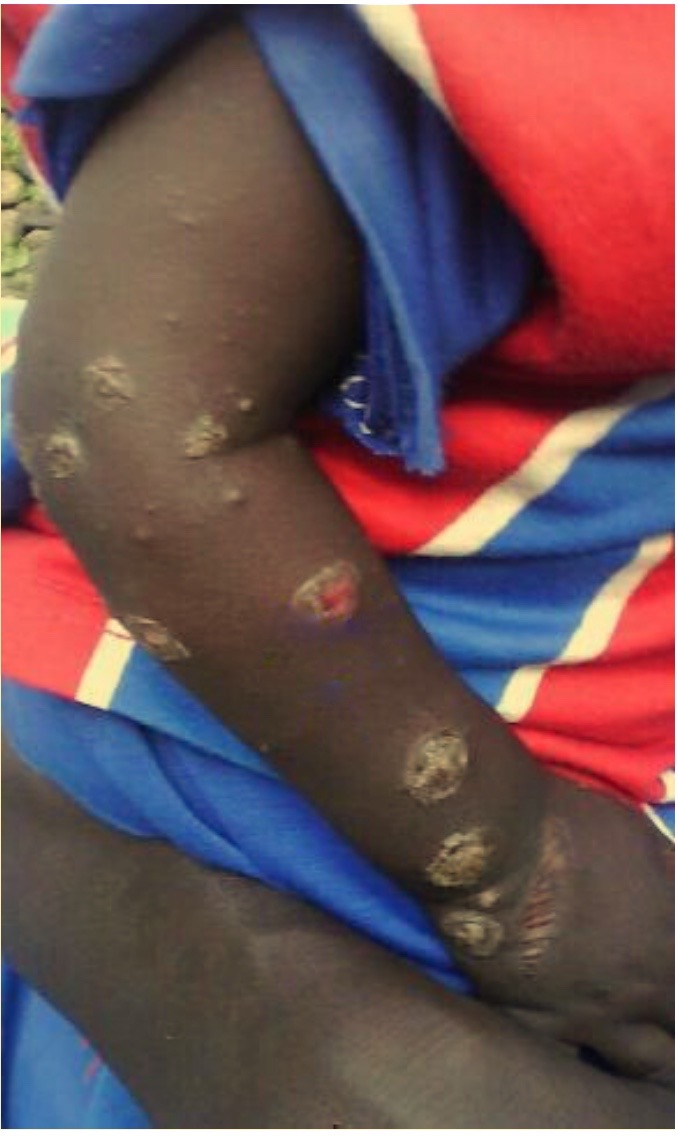
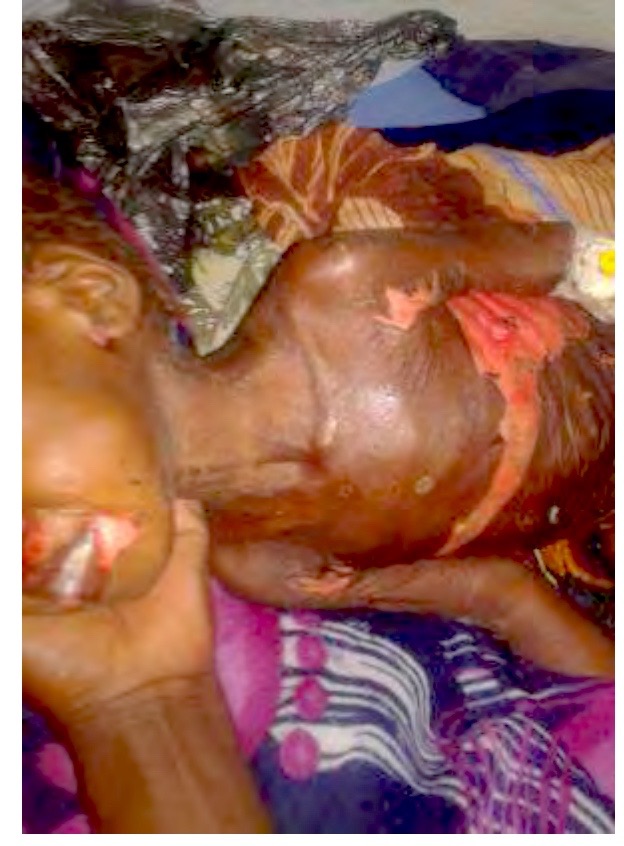
*December 19 in Context: Incentives and challenges facing those who would oust the Khartoum regime* Eric Reeves | December 26, 2016 | http://wp.me/s45rOG-7697 Reporting on the campaign of civil disobedience that culminated with large-scale “stay at home protests” a week ago suggest that while there was very significant participation, the day was not a catalytic event. It remains unclear what comes next, and how the partial success of *December 19* can be built upon. [image: CzU6W6VW8AEQBtu] <http://sudanreeves.org/wp-content/uploads/2016/12/CzU6W6VW8AEQBtu1.jpg> *What we know about December 19* Photographs from deserted streets in Khartoum, Omdurman, Port Sudan, el-Fasher and elsewhere give clear signs that huge numbers of people stayed home, at least initially on this day. See albums at: http://wp.me/p45rOG-1Zx http://wp.me/p45rOG-1ZR [image: IMG-20161219-WA0078] <http://sudanreeves.org/wp-content/uploads/2016/12/IMG-20161219-WA0078.jpg> *Sent from Khartoum, December 19, 2016* At the same time, the National Islamic Front/National Congress Party regime went to considerable lengths to obscure or prevent participation in the civil obedience campaign of *December 19*: *[1]* The day was preceded by mass preemptive arrests of human rights and civil society activists—arrests that were only the culmination of months of detentions and arrests; the effort was clearly to silence those most likely to be leaders [see | http://wp.me/p45rOG-1Zl/]; *[2]* The regime has in recent weeks and months engaged in unprecedented newspaper closings, confiscations, and harassment; these efforts to suppress news continue to the present [see | http://wp.me/p45rOG-1Zj/]; *[3]* Many shop owners were threatened with crushingly punitive fines if they did not open their shops at the usual time; there can be little doubt that many faced a choice between participation in the civil disobedience day and financial hardship or ruin; [see | https://www.dabangasudan. org/en/all-news/article/employees-shop-owners-threatened-on-sudan-s-strike- day ] *[4]* With much time to plan, the regime resorted to a variety of stratagems to suggest normalcy on the streets; I found most telling the campaign to put fleets of busses on the streets, despite a near or total lack of passengers; some observers were evidently taken in by the ruse, despite the large and telling number of passenger vehicles not in use well into the working day. But as effective as these measures alone may have been, the defining regime response to the prospect of success on December 19 was the unambiguous threat by regime president Omar al-Bashir to re-issue the “shoot to kill” orders that were given at the time of mass civil protests in September 2013 (both Amnesty International <https://www.amnesty.org/en/press-releases/2013/09/sudan-security-forces-fatally-shoot-dozens-protesters-demonstrations-grow-2/> and African Centre for Justice and Peace Studies <https://www.theguardian.com/world/2013/sep/27/sudanese-protesters-attacked-march-fuel-subsidies> concluded that such orders had been issued): “You hear about those who seek to defeat you through the keyboard and the WhatsApp. I won’t hand over the country to them, and I say to them: If you want to topple the regime, meet us on the streets; *however, we are certain that you won’t take to the streets because you are aware of what had occurred in the past,” [al-Bashir] said. *(*Sudan Tribune, *December 12, 2016 | http://www.sudantribune.com/spip.php?article61093 ) [image: 54f109848b172] <http://sudanreeves.org/wp-content/uploads/2015/08/54f109848b172.jpeg> *Omar al-Bashir, President of the Khartoum regime and a seasoned survivalist---he is more than willing to re-issue "shoot to kill" orders against those who threaten his tyranny* There can be little doubt in the minds of ordinary Sudanese that al-Bashir was prepared to make good on this threat—and that if the “stay at home” campaign had been even more successful, police and security forces would have been fully prepared to act as storm troopers—breaking into homes and forcing people onto the streets. Radio Dabanga reported (December 23, 2016 <https://www.dabangasudan.org/en/all-news/article/militiamen-assault-central-darfur-prayers>) from East Jebel Marra: *An assault in a mosque in in East Jebel Marra today resulted in the wounding of several worshipers and the abduction of a man. The attackers reportedly accused them of talking about demonstrations in Sudan.* Members of a paramilitary group, reportedly Rapid Support Forces, arrived in Dubbo El Omda in three vehicles, a witness told Radio Dabanga. They surrounded the Falluja mosque during Friday prayers and beat the prayers with rifle butts. “The attackers accused them of talking about the civil disobedience actions. Then they abducted Abdelrazek Ibrahim Harun and turned their vehicles towards Malam.” For those who may still regard police/security invasion as unwarranted speculation, a brief analysis of the regime military and security spending—and the avowed justification for such extraordinarily profligate spending—would seem in order. *What is the regime prepared to do to stay in power?* A recent dispatch from the *Sudan Tribune* concludes with an astonishing and deeply revealing statement by al-Bashir about military and security spending (the line is sometimes difficult to draw, as (for example) with the budgetary appropriation for that part of the security apparatus known as “Military Intelligence”): *Sudan allocates $1.8 billion for defense in 2017 <http://www.sudantribune.com/spip.php?article61201> *| December 23, 2016 (KHARTOUM) - Sudan has appropriated more than 29 billion pounds (SDG) (about $1.8 billion) to defense and security, which represents the largest single spending item in the 2017 budget. According to Sudan’s 2017 budgetary estimates seen by *Sudan Tribune*, 5bn pounds have been allocated to the sovereign sector while 2.3bn was appropriated for agriculture and forests spending. Other budget spending items includes 1,9bn for the economic sector, 5.5million for culture and information, 5.3million for health, 828million for education, 1.7bn for minerals and 1.7bn for transport, roads and bridges. *It is noteworthy that the combined education and health spending represents about 3% of spending on defence and security.* The Sudanese army has been fighting Sudan People’s Liberation Movement/North (SPLM-N) rebels in Blue Nile and South Kordofan since 2011 and a group of armed movements in Darfur since 2003. Sudan’s security apparatus has expanded vastly and military expenditure continued to rise as the government relies increasingly on militias such as the Popular Defense Forces (PDF) and the Rapid Support Forces (SRF) in military operations. Last year, Sudan’s President Omer al-Bashir said, “If 100% of the state’s budget was allocated to the army to secure the country, then that is still not enough.” Although *Sudan Tribune* doesn’t indicate how they came to see these budgetary estimates, this news source long ago established its authority and reliability in such matters. Moreover, what is most notable about the figures is that they comport with all other evidence we have about spending priorities, aptly if tersely summarized by al-Bashir:* “If 100% of the state’s budget was allocated to the army to secure the country, then that is still not enough.” *And indeed, the current budget includes a *deficit of over 6 billion SDG*, which will further contribute to skyrocketing inflation, as will the lack of adequate Forex for imports. There is an extraordinary amount of evidence that the current economic collapse in Sudan is directly related to this view of how Sudanese national wealth should be expended. Of course, al-Bashir conveniently ignores the fact that the regime is a giant kleptocracy, one that over the past 27 years has produced obscene self-enrichment for members of his regime and its vast network of cronies who govern virtually all significant economic investment, procurement, and even hiring decisions. I have analyzed in considerable detail the evidence for the nature and extent of this kleptocracy and its devastating consequences for the economic lives of all Sudanese who are not beneficiaries of the regime’s corruption, graft, theft, and deceptions: see | "Kleptocracy in Khartoum: Self-Enrichment by the National Islamic Front/National Congress Party, 2011 – 2015” | http://www.enoughproject.org/blogs/enough-forum-release-kleptocracy-khartoum /). Such a kleptocracy, bleeding Sudan dry, coupled with exorbitant military and security spending, has brought about the current economic collapse, which is proceeding in slow motion rather than precipitously only because of cash infusions from Saudi Arabia and the Gulf States—this as a reward for Khartoum’s abandonment of long-time “strategic ally” Iran. Even so, the signs of economic collapse are overwhelming. Again, I have on several occasions detailed this collapse, most recently in connection with the run-up to December 19 (see | http://sudanreeves.org/2016/ 12/18/v-the-shambles-that-passes-for-the-sudanese- economy-continues-its-free-fall/). The Sudanese Pound continues its rapid and inexorable decline against the dollar, a sure sign that the Central Bank of Sudan has virtually no Foreign Exchange Currency (Forex) with which to purchase essential imports, including critical medicines, wheat (for flour and bread), and refined petroleum products (including cooking oil). The consequences have been chronic shortages and long lines for what commodities are available. Inflation for ordinary Sudanese is far above the 30 percent reported by the Central Bureau of Statistics <http://www.sudantribune.com/spip.php?article61121>, which is merely an extension of the regime’s vast propaganda apparatus. [image: 56b9e49d26e19] <http://sudanreeves.org/wp-content/uploads/2016/12/56b9e49d26e19.jpeg>*Even during the years of considerable "petrodollar" earnings the Khartoum regime refused to invest in adequate refining capacity; today, many refined petroleum products must be imported...including cooking fuel, for which people in this photo are lined up during an acute shortage.* But the most shocking consequence of the view that even if “100% of the state’s budget was allocated to the army to secure the country” it would be justified, the one that most directly affects Sudanese lives, is the failure of the regime—now in its 28th year in power—to provide humanitarian assistance to desperately needy Sudanese civilians, as well as the infrastructure necessary to make clean and healthy water available to all. As European countries and the U.S. seek and expedient *rapprochement *with Khartoum <http://wp.me/p45rOG-1Z9>, they never mention this despicable feature of the regime with which they are so keen to do business—whether of the commercial sort, stanching the flow of African refugees to the European continent, or the acquisition of counter-terrorism intelligence…the driving force in the Sudan policy of the Obama administration. It goes almost without saying that the African Union, the Arab League, the Organization of Islamic Conference, and nearly all members of the UN simply ignore this fundamental reality, despite the human suffering and destruction that proceeds directly from a refusal by the Khartoum regime to help its own people. *The threats to humanitarian assistance for the people of Sudan: water* For several years there have been a steadily increasing number of reports—from all over Sudan—of consequential shortages of clean water, or indeed even adequate supplies of water. Among the consequences are rapid increases in various locations of water-borne disease, a problem that has been pandemic in Darfur since the start if the genocide 14 years ago. A search of my website (www.SudanReeves.org <http://www.sudanreeves.org/>) will reveal many scores of articles referring to water shortages in Darfur and the diseases that proceed inevitably from such shortages. We have no idea how many people have died from a lack of clean water—whether fleeing from their destroyed villages into the often desert-like surrounding land or suffering in the camps where populations vastly exceed the capacity of those international humanitarian organizations that remain—remain despite Khartoum’s many expulsions and its creation of a security environment that is intolerable. More than 30 organizations have withdrawn because of insecurity or been forced out of Darfur by the regime (thirteen alone in March 2009). [image: 5582816bf1e12] <http://sudanreeves.org/wp-content/uploads/2015/06/5582816bf1e12.jpeg> *Water shortages in Darfur are acute and unrelenting* People in Port Sudan have reported especially acute, chronic water shortages, but eastern Sudan generally suffers disproportionately. Notably, Khartoum neither provides clean water resources or improvement in water supply infrastructure, nor does it allow international humanitarian organizations a significant presence. Although much less reported than the expulsion of thirteen INGOs in March 2009, Khartoum also expelled (2010) all key INGOs working in eastern Sudan (see | http://reliefweb.int/report/ sudan/government-suspends-seven-aid-groups-eastern-sudan/). What are concrete consequences of water shortages unaddressed by a regime that is willing to spend so grossly on military and security budgets? An overview can be found at | http://wp.me/p45rOG-1Lg. Here I will note only those from the past month via Radio Dabanga <http://www.radiodabanga.org/>: *• More students stricken with diarrhoea in Sudan <https://www.dabangasudan.org/en/all-news/article/more-students-stricken-with-diarrhoea-in-sudan> | *December 25, 2016 | WAD MADANI *Twelve students of the University of the Holy Koran and Abu Baker Osman College in Sudan’s El Gezira State have been stricken with acute watery diarrhoea. They have transferred to Wad Madani hospital.* One of the students told Radio Dabanga that the students were infected as a result of contamination of drinking water in the students’ boarding house during this week. *• Deteriorating environment cause of diseases: Sudan’s Health Ministry <https://www.dabangasudan.org/en/all-news/article/deteriorating-environment-cause-of-diseases-sudan-s-health-ministry> | * December 21, 2016 | ATBARA *The Sudanese Health Ministry has said that 19 per cent of cancer cases and 80 per cent of common disease infections are due to the deteriorating health of the environment in Sudan.* Addressing a health conference in Atbara in Sudan's River Nile State, Ismail El Kamish, the Director of Environmental Health at the Federal Ministry of Health, said that 5,000 people have been infected with watery diarrhoea across six states in Sudan recently. *• Medical source: 16 diarrhoea deaths this week in El Gedaref <https://www.dabangasudan.org/en/all-news/article/medical-source-16-diarrhoea-deaths-this-week-in-el-gedaref> *| December 16, 2016 | EL GEDAREF • D*iarrhoea kills two Sudanese students* <https://www.dabangasudan.org/en/all-news/article/diarrhoea-kills-two-sudanese-students> | December 15, 2016 | WAD MEDANI • *Watery diarrhoea claims two lives in Sudan’s El Gedaref <https://www.dabangasudan.org/en/all-news/article/watery-diarrhoea-claims-two-lives-in-sudan-s-el-gedaref>* | December 12, 2016 | EL GEDAREF • *Baby dies of diarrhoea infection in Port Sudan <https://www.dabangasudan.org/en/all-news/article/baby-dies-of-diarrhoea-infection-in-port-sudan> *| November 30, 2016 | PORT SUDAN • * One dead, infections by diarrhoea in Sudan's White Nile <https://www.dabangasudan.org/en/all-news/article/one-death-infections-by-diarrhoea-in-sudan-s-white-nile>* | November 15, 2016 | ED DUEIM Reporting on the consequences of contaminated water can prompt a reaction from the regime, one reason we don’t hear more about the constant reports of disease and death. • *Port Sudan: Spread of 'deadly diarrhoea', journalist summoned <https://www.dabangasudan.org/en/all-news/article/port-sudan-spread-of-deadly-diarrhoea-journalist-summoned> *| November 21, 2016 | PORT SUDAN The regime’s contempt for the environmental contamination of water supplies is also something that, while sometimes reported, is much more pervasive than is generally recognized, especially in connection with mining enterprises by which the regime hopes to generate hard currency: • *Chemist: Cyanide, mercury ‘catastrophic environmental risk’ in South Kordofan <https://www.dabangasudan.org/en/all-news/article/chemist-cyanide-mercury-catastrophic-environmental-risk-in-south-kordofan> *| December 7, 2016 | SOUTH KORDOFAN *• ‘Most mining companies in Sudan violate environmental law’: expert <https://www.dabangasudan.org/en/all-news/article/most-mining-companies-in-sudan-violate-environmental-law-expert> *| December 5, 2016 | KHARTOUM Even agriculture is compromised by the regime’s failure to expend resources to provide critical water assistance: *• Water depletion in Sudan's agricultural scheme <https://www.dabangasudan.org/en/all-news/article/water-depletion-in-sudan-s-agricultural-scheme>* | December 13, 2016 | EL GEZIRA / EL GEDAREF • *Sudan: El Gezira Scheme mortgaged for millions of pounds <https://www.dabangasudan.org/en/all-news/article/sudan-el-gezira-scheme-mortgaged-for-millions-of-pounds>* | December 5, 2016 | WAD MADANI And finally, there is the pervasive use of denial or destruction of water sources as a weapon of war, particularly in Darfur and South Kordofan. Sometimes the denial is by military means: • *Drinking water crisis as militiamen bar access to North Darfur wells <https://www.dabangasudan.org/en/all-news/article/drinking-water-crisis-as-militiamen-bar-access-to-north-darfur-wells>* | November 23, 2016 | KABKABIYA More often, the shortages of clean water and sanitation in Darfur are a result of the regime’s denial of humanitarian access and its relentless war of attrition against INGOs. *The threats to humanitarian assistance for the people of Sudan: food* Malnutrition is rampant in all parts of Sudan, where more than half the population lives below the international poverty line. In a UNICEF report never officially released by the UN agency—but leaked to Nicholas Kristof of the *New York Times* <http://kristof.blogs.nytimes.com/2014/09/05/malnutrition-crisis-in-sudan/?module=BlogPost-Title&version=Blog%20Main&contentCollection=Opinion&action=Click&pgtype=Blogs®ion=Body&module=Search&mabReward=relbias%3As%2C%7B%221%22%3A%22RI%3A11%22%7D>—we have perhaps our best overview of malnutrition among children, and the population generally. It must be said that it is disgraceful that UNICEF has been so feckless as to be intimidated by the regime into refusing to release these critical data (see my analysis of the data at | http://wp.me/p45rOG-1pL). We learn from the UNICEF document, made available by Kristof two years ago, that: *Acute malnutrition rates for children in Sudan among the highest in the world:* North Darfur: 28 percent acute malnutrition among children South Darfur: 18 percent acute malnutrition among children East Darfur: 15 percent acute malnutrition among children South Darfur: 13 percent acute malnutrition among children West Darfur: 8 percent acute malnutrition among children *Other notable acute malnutrition rates among children:* Red Sea State: 20 percent Blue Nile: 19 percent Kassala: 15 percent South Kordofan: 10 percent *Source: S3m Survey, 2013* *[This date suggests that much of the malnutrition that has developed since the violence began in South Kordofan and Blue Nile is not reflected in these numbers—ER]* Another graph in the UNICEF reports indicates the following for* chronic malnutrition **[also known as “stunting”—ER]** among children in Sudan*: Central Darfur: 45 percent East Darfur: 40 percent West Darfur: 35 percent North Darfur: 35 percent South Darfur: 26 percent *A third chart indicates:* *“Percentage of under-fives* *[children under the age of five—ER]** moderately or severely wasted in the 10 most affected countries"* *[Sudan ranked 4th from the bottom in this category in 2010*—*ER] [All emphases in italics and bold in the UNICEF text have been added]:* *Wasting prevalence for country population under five [in Sudan]:* Moderate or severe wasting: 16 percent *Severe wasting: 5 percent* *[T**wo percent** is the "emergency" threshold for Severe Acute Malnutrition (SAM) among children; in developing countries, even in hospital settings, **some 20 – 30 percent of all children suffering from SAM die* <http://www.chnri.org/resources/4.%20Research%20Articles/Nutrition/management%20of%20acute%20malnutrition.pdf> *—ER]* Number of wasted children, 2011 (moderate and severe): *817,000* *Source: UNICEF Global Nutrition Database, 2012,** based on MICS, DHS, and other national surveys 2007 – 2011 (except for India)]* *The next graph shows**Sudan as far "off track for meeting the MDG1 target" **[the first phase of the Millennium Development Goals has as its Target 1.C: "Halve, between 1990 and 2015, the proportion of people who suffer from hunger"—ER]. * The MDG1 benchmark is 10 percent;* various surveys included in the report show Sudan* at 32 percent, 33 percent, 43 percent, 35 percent, and 35 percent; *A final chart represents: "Total number [of] malnourished [children].” *[This total is represented in the form: “Total number malnourished children over a year = prevalence x incidence, where ‘Prevalence’ = measure at a single point in time and ‘Incidence’ = expected new cases over a year (2.6%)”]: *2013 S3M:* prevalence of malnourished children: Total malnourished annually: *2,010,939* Moderate Acute Malnutrition: *1,455,735* *Severe Acute Malnutrition:* *555,203* Global total: *2,010,939* *[Again, **two percent** is the "emergency" threshold for Severe Acute Malnutrition (SAM) among children; in developing countries, even in hospital settings, **some 20 – 30 percent of all children suffering from SAM die* <http://www.chnri.org/resources/4.%20Research%20Articles/Nutrition/management%20of%20acute%20malnutrition.pdf> *—ER]* [image: Malnourished mother and child at a supplementary feeding station run by the UN WFP (World Food Programme). The 1998 famine in Southern Sudan affected around 2.6 million people. In the worst-hit region of Bahr el Ghazal, most of the people at risk of starvation were from the Dinka tribe.] <http://sudanreeves.org/wp-content/uploads/2015/06/4a.jpg>* A child suffering from Severe Acute Malnutrition * Although unavailable in global form, malnutrition data from among the adult and child populations in South Kordofan and Blue Nile has been reported at catastrophic levels in some locations by hit-and-run humanitarian assessments. <http://sudanreeves.org/2015/01/18/the-people-and-children-of-the-nuba-mountains-under-intensifying-assault-their-voices-must-be-heard-18-january-2015/> Food shortages, and consequent malnutrition, have been badly exacerbated by soaring inflation in bread prices—a direct result of the lack of flour, which in turn reflects the regime’s inability to pay for sufficient imports of wheat. The expense for imported wheat runs to some $1 billion per year, and subsidies on bread prices have been steadily removed over the past three years, one of the sparks of civil society outrage. *The threats to humanitarian assistance for the people of Sudan: medical care* In addition to the regime’s refusing to assist in the provision of clean water and adequate food supplies to many millions of Sudanese—diverting funds that might be used for these purposes to military and security spending—there is not nearly enough medicine for the people of Sudan. This has nothing to do with U.S. sanctions, which specifically exempt medical supplies. It is purely and simply a function of the regime refusing to commit the resources to buying medicines and medical care essential to millions of Sudanese. The strike by doctors over the past few months has focused on poor, indeed terrible, working conditions, inadequate compensation, and lack of critical supplies. Several polls of the Sudanese medical community indicate that more than half these people wish to emigrate from Sudan. The emigration of doctors has already been dramatic and it is not an accident that those in the regime who can afford it get their medical care outside Sudan. Moreover, the further one gets from Khartoum/Omdurman, the more inadequate health care becomes. By the time we’ve reached Darfur, South Kordofan, and Blue Nile—which suffer under humanitarian embargoes that prevent *all *medical care from reaching populations in the large rebel-controlled areas—the health crises are innumerable. And despite the willingness of the international community to provide health services, Khartoum refuses them access, or makes their presence in Darfur intolerably insecure and the focus of constant regime harassment. In the most perverse situation imaginable, the regime spends money on security, bureaucratic, and military resources designed to block medical care. The most egregious example of the military obstruction of medical care is the bombing of hospitals, a tactic the regime has used as a weapon of war for over two decades (see | http://wp.me/s45rOG-7566 <http://wp.me/s45rOG-7566>/). Most notably, the hospital of Doctors Without Borders/Médecins Sans Frontières (MSF) in Frandala, South Kordofan has *twice* been deliberately attacked my military aircraft <http://wp.me/p45rOG-1zw> of the Sudan Armed Forces (SAF)—the second time by means of an advanced Russian-built Sukhoi-25 air-to-ground attack jet. Just as outrageous are the attacks on the Mother of Mercy Hospital near Kauda, in the heart of the Nuba Mountains <http://sudanreeves.org/2015/01/18/the-people-and-children-of-the-nuba-mountains-under-intensifying-assault-their-voices-must-be-heard-18-january-2015/>. American physician Tom Catena is the only surgeon working in the Nuba, and he is tasked constantly with trying to save or put back together bodies torn apart by Khartoum’s unrelenting and indiscriminate aerial assaults on the people of the Nuba. *[image: 28KRISTOF1-facebookJumbo] <http://sudanreeves.org/wp-content/uploads/2016/04/28KRISTOF1-facebookJumbo.jpg>* *Dr. Tom Catena, the only surgeon working in the Nuba Mountains of South Kordofan* [image: photo] <http://sudanreeves.org/wp-content/uploads/2016/04/photo.jpg> *He sees a constant caseload of people wounded as this person is; his hospital near Kauda, in the center of the Nuba Mountains, has been bombed by Khartoum's military aircraft on a number of occasions.* *The Future of “December 19”* The people of Sudan are sorely, terribly aggrieved, and rightly feel that the world cares little for the justice of their cause or the suffering that has been inflicted upon them by the National Islamic Front/National Congress Party regime, which came to power by *military coup on June 30, 1989*. Disgracefully, international news organizations failed to report meaningfully on all that defined and preceded December 19; this is sadly consistent with the failure to report effectively on Darfur, even when highly authoritative reports are issued by Human Rights Watch and Amnesty International: *• “Sudan: Mass Rape by Army in Darfur: UN, AU Should Press for Protection, International Investigation”* | Human Rights Watch, February 11, 2015 <https://www.hrw.org/news/2015/02/11/sudan-mass-rape-army-darfur> *• “Men With No Mercy: Rapid Support Forces Attacks against Civilians in Darfur, Sudan”* | Human Rights Watch, September 9, 2015 <https://www.hrw.org/report/2015/09/09/men-no-mercy/rapid-support-forces-attacks-against-civilians-darfur-sudan> *• “Sudan: Scorched Earth, Poisoned Air: Sudanese Government Forces Ravage Jebel Marra”* | Amnesty International, September 29, 2016 <https://www.amnesty.org/en/documents/afr54/4877/2016/en/> The September 2016 report by Amnesty International received slight attention only because it established authoritatively that Khartoum had repeatedly used chemical weapons against civilians in the Jebel Marra region in the center of Darfur—and that attention has completely disappeared. [*UNAMID—the UN/African Union force in Darfur—*characteristically declared it had neither received nor was aware of evidence indicating the use of chemical weapons in Jebel Marra, making clear the utter incompetence of the force or its over-riding fear of offending Khartoum with such a finding. The regime is, of course, eager for a UNAMID exit and has been responsible for numerous military assaults on UNAMID personnel. See | http://wp.me/p45rOG-11S ] [image: Screen Shot 2016-09-27 at 4.31.13 PM] <http://sudanreeves.org/wp-content/uploads/2016/09/Screen-Shot-2016-09-27-at-4.31.13-PM.jpg> [image: Screen Shot 2016-09-27 at 4.29.25 PM] <http://sudanreeves.org/wp-content/uploads/2016/09/Screen-Shot-2016-09-27-at-4.29.25-PM1.jpg> *[image: Screen Shot 2016-10-11 at 3.26.05 PM] <http://sudanreeves.org/wp-content/uploads/2016/10/Screen-Shot-2016-10-11-at-3.26.05-PM.jpg>* [image: Screen Shot 2016-09-27 at 4.30.37 PM] <http://sudanreeves.org/wp-content/uploads/2016/09/Screen-Shot-2016-09-27-at-4.30.37-PM.jpg> *UNAMID claims to have seen no evidence of chemical weapons use in the Jebel Marra region of Darfur* December 19 may be the first step in growing civil unrest, given the scale of Sudanese grievances; or it may be simply another sign along the road of just how angry—if futilely—the people of Sudan are. What we must not forget are the wide and deep expressions of support for the day of civil disobedience: see | http://wp.me/p45rOG-1Zh/. There can be no doubt that the overwhelming majority of Sudanese are eager to remove the NIF/NCP regime. My own reading of the day is that it reveals yet again the basic truth about how the people of Sudan will rid themselves of this cruel oppression: anger must somehow come to outweigh fear. For it is the exceptionally brave man or woman who leads a charge in the streets when there is a clear possibility that “shoot to kill” orders have been given. But demonstrations have increased in the more than three years since September 2013; whether this will continue in the wake of December 19 is unclear, but Sudanese women <http://www.sudantribune.com/spip.php?article60905> and students <https://www.dabangasudan.org/en/all-news/article/police-quell-student-protest-khartoum-university> in the Khartoum/Omdurman area in particular have shown themselves to be willing to speak out on the streets. [image: 723d04a695b8fa50df_a6m6b5az6] <http://sudanreeves.org/wp-content/uploads/2016/12/723d04a695b8fa50df_a6m6b5az6.jpg> *Women protesting in Khartoum* The have been dispersed with heavy use of non-lethal force and tear-gas, but they keep re-appearing. If their actions grow, if they are joined by others groups and coalitions, and al-Bashir and his military/security cohort decide in fact to issue “shoot to kill” orders, the consequences are unpredictable. It is not at all clear that the middle ranks of the army (especially colonels and majors) will unanimously support that regime’s actions (they did not in September 2013 <https://www.dabangasudan.org/en/all-news/article/army-major-resigns-thousands-arrested-across-sudan>). Disaffection with the war policies of the regime goes deep in these ranks, and if they turn against the police and security forces who are implementing “shoot to kill” orders, the tide will quickly turn. These middle ranks are the ones that actually lead men into war and see the carnage of the front lines, especially in South Kordofan (and previously in Darfur). Many have already made clear to the regime their own unhappiness with the state of affairs in the country. These middle ranks are thoroughly infiltrated by Military Intelligence and other security operatives, but this in itself will not determine officers’ actions in the face of the outrage of “shoot to kill” orders. *December 19:* a starting point, a building block, or a significant setback? We don’t have enough evidence a week afterwards, but we are likely to have it soon. -- Eric Reeves, Senior Fellow at Harvard University’s François-Xavier Bagnoud Center for Health and Human Rights [email protected] www.sudanreeves.org Twitter@SudanReeves About Eric Reeves: http://sudanreeves.org/about-eric-reeves Philanthropy: goo.gl/Ii4buw -- To post to this group, send email to [email protected] To unsubscribe from this group, send email to [email protected] Visit this group at https://groups.google.com/d/forum/southsudankob View this message at https://groups.google.com/d/msg/southsudankob/topic-id/message-id For more options, visit https://groups.google.com/d/optout --- You received this message because you are subscribed to the Google Groups "South Sudan Info - The Kob" group. To unsubscribe from this group and stop receiving emails from it, send an email to [email protected]. To post to this group, send email to [email protected]. Visit this group at https://groups.google.com/group/SouthSudanKob. To view this discussion on the web visit https://groups.google.com/d/msgid/SouthSudanKob/CAJb14orFgrXJDrZGh27sPgQ5FaGZUkJ1WMJnpO_vZR4ZFhEAJA%40mail.gmail.com. For more options, visit https://groups.google.com/d/optout.