---------- Forwarded message ----------
From: "Eric Reeves" <[email protected]>
Date: 19 Jan 2017 12:26
Subject: “Did Sudan use chemical weapons in Darfur last year?” from the
Bulletin of the Atomic Scientists,
To: "Eric Reeves" <[email protected]>
Cc:
*“Did Sudan use chemical weapons in Darfur last year?” Bulletin of the
Atomic Scientists, *January 17, 2017

http://thebulletin.org/did-sudan-use-chemical-weapons-darfur-last-year10402

*by Jonathan Loeb* (Jonathan Loeb is senior crisis adviser with Amnesty
International. He has been researching conflict in Darfur and supporting
conflict-resolution efforts for the past decade.

*[Note: many of the chemical weapons attacks in the nine-month assault on
Jebel Marra occurred during the six-month "look-back period" that the Obama
administration has used in speaking of "positive actions" by the Khartoum
regime. A bipartisan group of U.S. Congressmen has directed a request to
Secretary of State John Kerry, asking that he demand an inquiry by the
Organization for the Prohibition of Chemical Weapons. Kerry, who had
previously characterized the use of chemical weapons in Syria as a "moral
obscenity," has done nothing---ER]*

After nearly 14 years of war, the most recent violence to ravage the
western Sudanese region of Darfur came in the form of a large-scale
military offensive last year in the area of Jebel Marra, a
5,000-square-kilometer volcanic massif that’s home to about 1,500 villages.
Ostensibly aimed at members of an armed opposition group, the nine-month
operation mostly victimized civilians, and the government in Khartoum has
been very successful in hiding these violations. Journalists, human rights
investigators, humanitarian actors, and even international peacekeepers
have been denied all meaningful access to the area.

Yet starting last February, a month after the offensive began, Amnesty
International conducted a remote investigation and found overwhelming
evidence <https://www.amnesty.org/en/documents/afr54/4877/2016/en/> of war
crimes and possibly crimes against humanity—of indiscriminate bombings, the
unlawful killing of civilians, the abduction and rape of women, the looting
and destruction of entire villages, and the forced displacement of an
estimated quarter-million civilians. The probe also unearthed credible
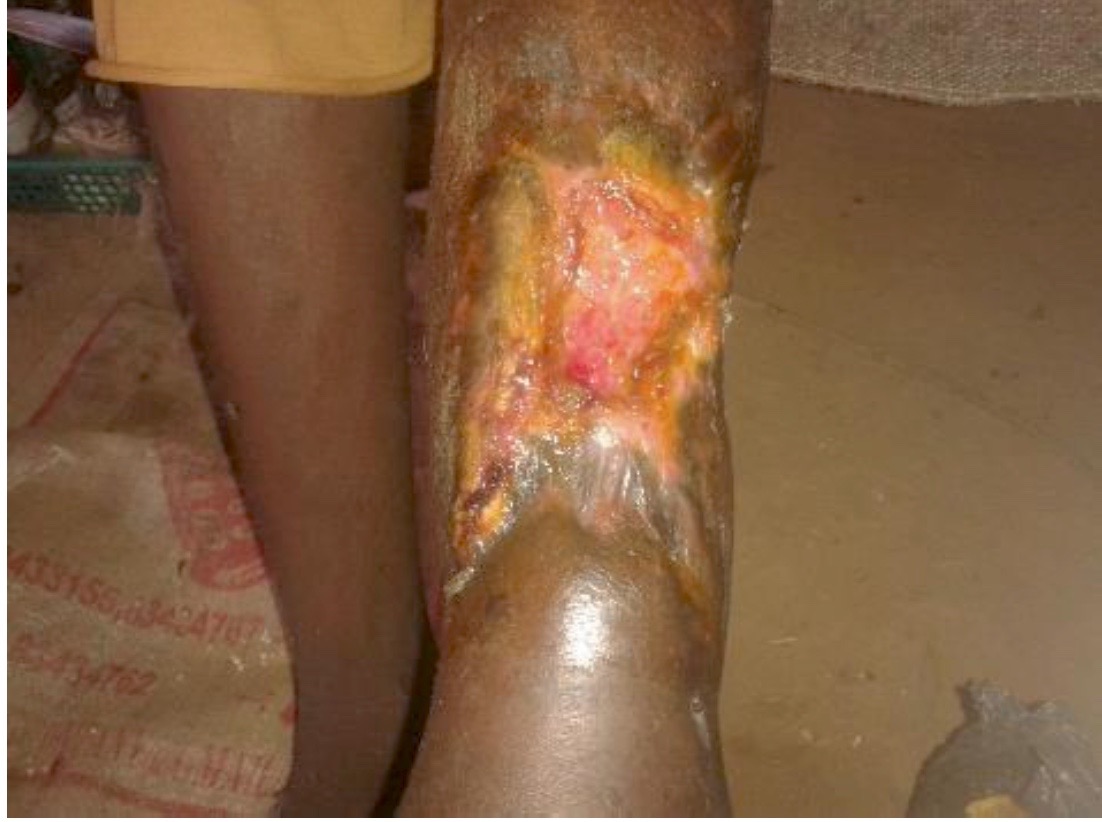
evidence that strongly suggests Sudanese government forces used chemical
weapons during their campaign.

<http://sudanreeves.org/wp-content/uploads/2016/09/Screen-Shot-2016-09-27-at-4.30.37-PM.jpg>

*From Amnesty International report on the use of chemical weapons in Jebel
Marra (2016)*

Since we published our report in September, Amnesty has gone on to advocate
that members of the Chemical Weapons Convention take action regarding the
chemical-warfare allegations. This is, after all, why the treaty exists.
But while a number of nations have expressed interest in the findings, none
has taken formal steps to press for more information. This is mainly
because the existing evidence has been gathered from afar and, as a result,
no physical samples could be collected, which is admittedly not ideal. But
given how the Sudanese government has blocked access to the affected area,
the lack of an on-site investigation should be no excuse for doing nothing.
Amnesty International’s detailed information was credible enough that two
separate experts, independently of each other, have concluded that chemical
weapons were likely used in Jebel Marra. Inaction in the face of these
findings sends a terrible signal to the government of Sudan and threatens
the standing of the chemical convention itself.

*Parsing the evidence. *Amnesty International interviewed, by phone, 57
residents of Jebel Marra—47 civilians and 10 members of the armed
opposition group, the Abdul Wahid faction of the Sudan Liberation Army—who
provided firsthand accounts of exposure to alleged chemical-weapons agents.
Amnesty also interviewed several caregivers who, in total, looked after
several hundred survivors of the alleged chemical attacks. These caregivers
described signs they observed on the bodies of their patients and, often,
what they observed to be the proximate cause of death. Both the survivors
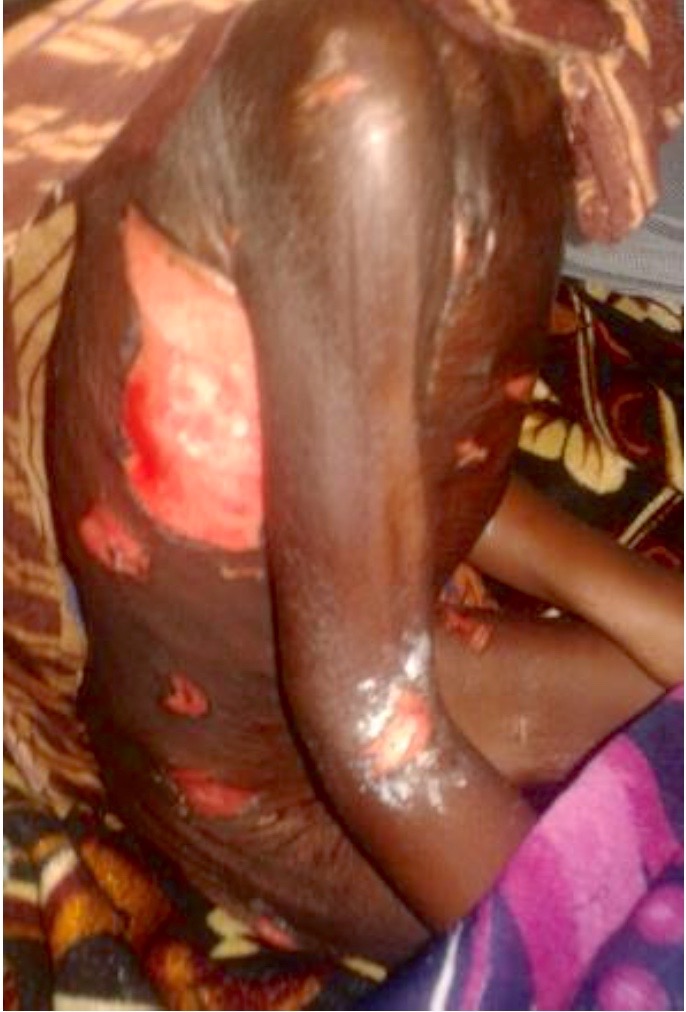
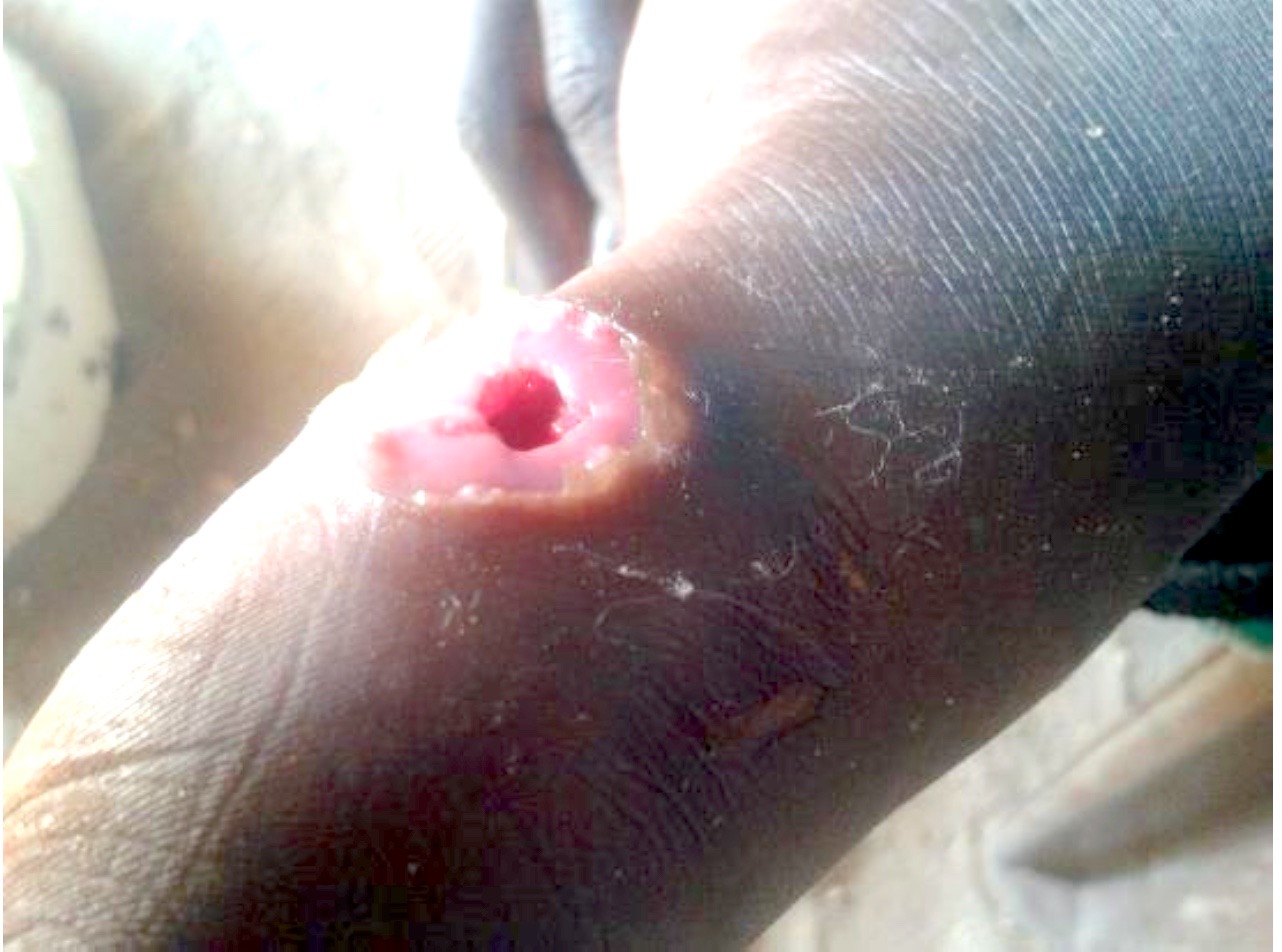
and the caregivers also provided substantial photographic evidence of
visible injuries.

<http://sudanreeves.org/wp-content/uploads/2016/09/Screen-Shot-2016-09-27-at-4.29.25-PM1.jpg>

*From Amnesty International report on the use of chemical weapons in Jebel
Marra (2016)*

According to these witnesses, the suspected chemical-weapons agents were
delivered by bombs and rockets, which released a noxious smoke or gas that
often changed color after it was discharged. Survivors and caregivers
described a wide variety of ailments that victims experienced during the
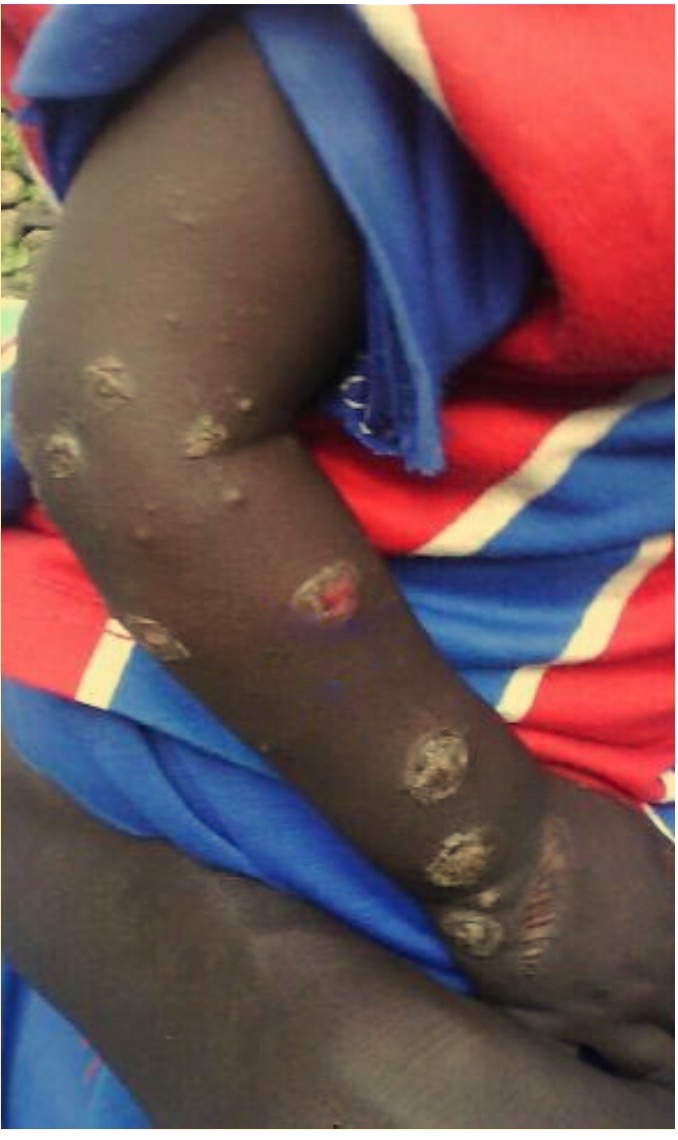
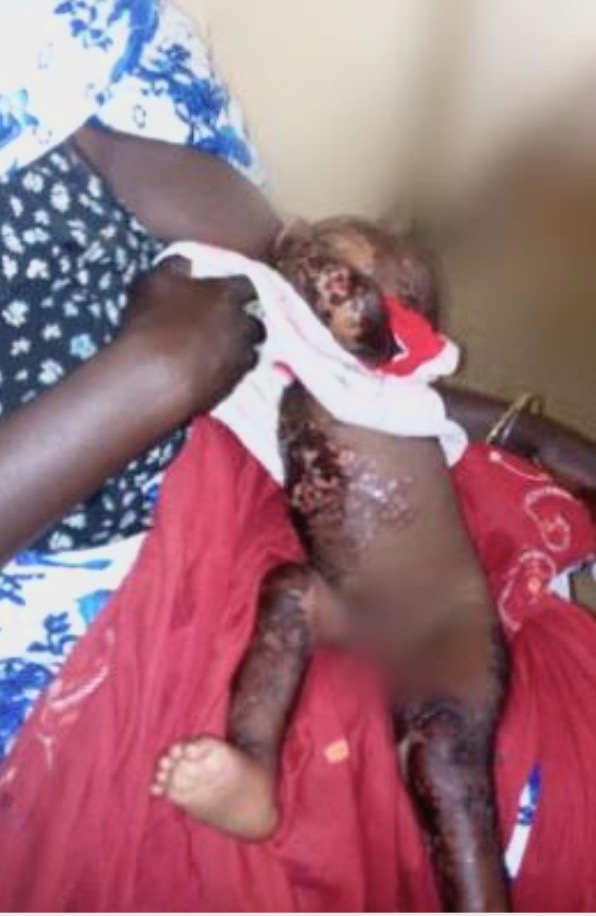
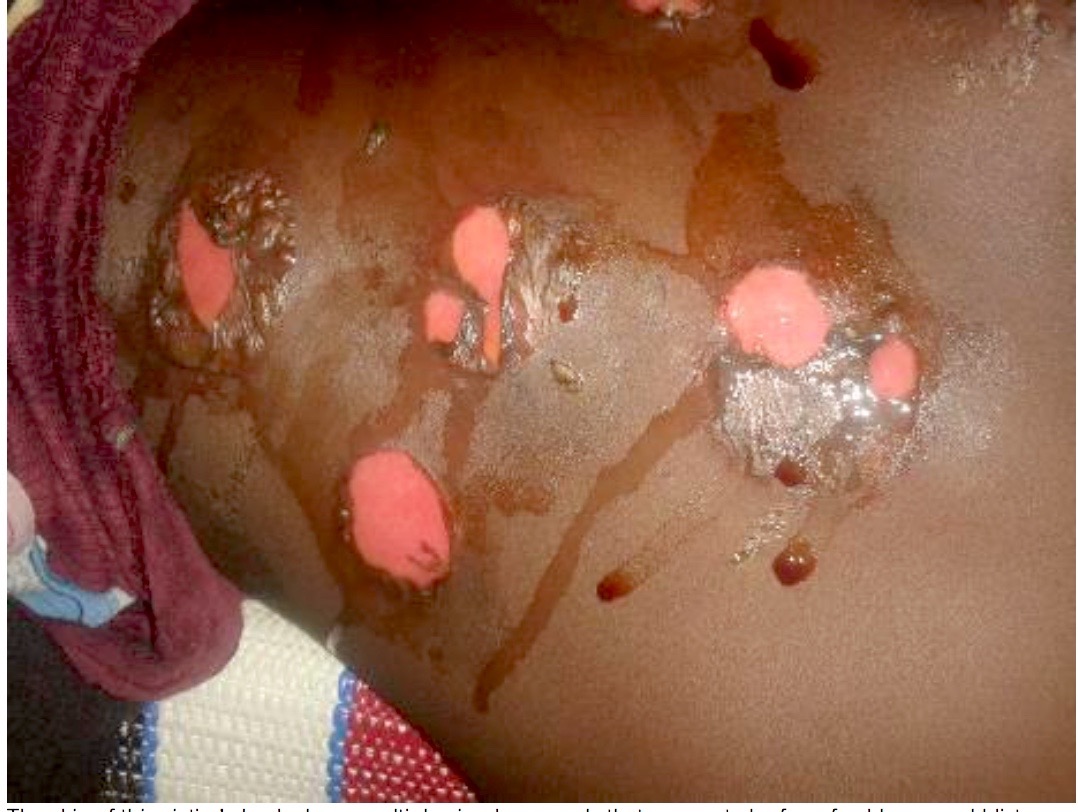
hours and days after exposure. These included: severe, often bloody,
vomiting and diarrhea; severe dermatological problems such as blisters,
rashes, and skin falling off; ocular problems such as changes to eye color,
bulging eyes, constant discharge of liquid, and a reduction or total loss
in vision; and severe coughing and difficulty breathing, which often
resulted in suffocation. Extraordinarily bloody miscarriages were also
commonly reported, and numerous victims were said to be rendered
unconscious by exposure to agents. Witnesses mentioned dramatic changes to
the smell of breath as well, and to the color and smell of urine and stool,
and many victims experienced involuntary muscle contractions and seizures,
which were often fatal.

<http://sudanreeves.org/wp-content/uploads/2016/09/Screen-Shot-2016-09-27-at-4.30.03-PM.jpg>

*From Amnesty International report on the use of chemical weapons in Jebel
Marra (2016); infant dying from chemical weapons assault (children were
much more vulnerable to these terrible and indiscriminate weapons)*

Two chemical-weapons experts, Keith Ward
<https://www.linkedin.com/in/keith-ward-981a6214?trk=hp-identity-name> of
George Mason University and Jennifer Knaack
<https://pharmacy.mercer.edu/faculty/directory/knaack-j.cfm> of Mercer
University, separately evaluated this evidence for Amnesty International.
Their analysis had certain obvious constraints brought on by the remote
nature of the investigation, which did not permit a direct examination of
victims by medical professionals with access to modern medical technology.
They had no soil samples, weapons remnants samples, or physiological
specimens like blood or urine, which would be required to obtain definitive
proof of exposure to a chemical agent. Instead they based their conclusions
on what was available from detailed interviews with survivors and
caregivers and a small sample of photographs—often taken days or weeks
after the attack—of the visible wounds, which frequently had been left
untreated.

<http://sudanreeves.org/wp-content/uploads/2016/09/Screen-Shot-2016-09-27-at-4.30.26-PM.jpg>

*From Amnesty International report on the use of chemical weapons in Jebel
Marra (2016)*

After analyzing environmental descriptions of the attacks, along with
photographic evidence and reported symptoms and clinical signs, and after
extensive discussions with medical doctors familiar with the effects of
chemical and biological warfare agents, both experts determined that the
wounds of these victims were not due simply to the effects of conventional
explosive or incendiary weapons of war, and that many victims suffered
injuries that can only be explained by exposure to chemical agents
delivered by weapons used in the attacks.

Some of the most telling evidence came from the testimony of the many
victims who had escaped bomb, rocket, and gun attacks without any injuries,
only to develop wounds hours or days later. These wounds often developed on
areas that were covered by clothing during the attacks, indicating that
chemical exposure occurred and that toxicity could have come from chemicals
that entered the bloodstream. Conventional weapon injuries will not be
present on clothed regions of the body without destroying the clothing,
which was not described in any testimony.

<http://sudanreeves.org/wp-content/uploads/2016/09/Screen-Shot-2016-09-27-at-4.31.13-PM.jpg>

*From Amnesty International report on the use of chemical weapons in Jebel
Marra (2016)*

The experts also analyzed specific details in photographs, as well as
descriptions of signs and symptoms, to determine which chemicals, or
classes of chemicals, were used in the attacks. The absence of physical
evidence made firm conclusions impossible, but both experts independently
came to the same conclusion: that clinical signs and symptoms of many of
the victims were most consistent with exposure to a class of
chemical-warfare agents called vesicants or blister agents, which include
lewisite, sulfur mustard, nitrogen mustard, and phosgene oxime.

It is worth noting as well that both experts said many of the observations
reported were *not* those normally associated with exposure to vesicants.
So it is possible that victims of these attacks had been exposed to other
chemicals instead of, or in addition to, blister agents. In addition to
vesicants, for example, which might account for long-term effects like
blistering that doesn’t heal and persistent coughs, victims could have also
encountered vomiting agents, which could account for immediate symptoms
such as nausea and vomiting. The experts considered a variety of other
common chemical-warfare agents—as well as things like white phosphorus,
tear gas, and biological toxins—but could not conclude that any of them
were used.

<http://sudanreeves.org/wp-content/uploads/2016/09/Screen-Shot-2016-09-27-at-4.30.56-PM.jpg>

*From Amnesty International report on the use of chemical weapons in Jebel
Marra (2016)*

*Demanding action. *In response to these findings, Amnesty International
has called on members of the Chemical Weapons Convention to press Sudan for
answers. Specifically, we have asked members of the convention to formally
request the Executive Council of the Organisation for the Prohibition of
Chemical Weapons, the body that polices the chemical treaty, to obtain
“clarification” from Khartoum about the allegations. Such a request is a
recommended (though not mandatory) first step, under Article IX of the
convention, that allows any nations who have signed the treaty to request
an on-site “challenge inspection” into alleged violations by any other
party nation—a request that can only be denied if three-quarters of the
40-member Executive Council votes to overrule it.

While the government of Sudan, a signatory to the convention, has denied
the allegations and dismissed Amnesty’s report, responses by other members
has been relatively tepid. The United States and France have publicly
stated they are taking the report seriously and are examining the evidence;
other countries have made similar statements in private. Elected officials
from several countries have taken a more forceful stance, including 32 US
lawmakers who wrote to Secretary of State John Kerry calling for Washington
to request an investigation. Still, no country has yet made the formal
request.

>From a historical perspective, the reluctance to initiate an investigation
is not surprising. The standard for triggering a challenge inspection,
although technically left up to the discretion of individual treaty
members, appears to be set quite high. Since the convention came into force
in 1997, there has not once been a call for such an inspection. For
example, in response to the recent allegations of chemical-weapons use in
Syria, member states did not trigger the investigative mechanism; rather,
they launched a Joint Investigative Mechanism between the United Nations
and the Organisation for the Prohibition of Chemical Weapons—an act that
required a Security Council resolution.

Based on discussions between Amnesty International and treaty members who
claim to find the report credible and are seriously examining the
possibility of asking for “clarification,” the reason for deciding not to
take any formal steps under Article IX is the absence of physical evidence.
Yet while physical evidence is undeniably necessary to conclusively prove
the use of chemical weapons, its absence is no excuse for the lack of an
investigation, especially considering the reality of the situation
unfolding in Sudan and the credibility of the evidence already documented.

For example, the international peacekeeping mission in Darfur is jointly
mandated by the UN Security Council and the African Union Peace and
Security Council to use force to protect civilians and to report on
violations of human rights. The mission has a status-of-forces military
agreement with Khartoum entitling it to full and unrestricted movement
throughout Darfur, including the areas where the alleged chemical-weapons
attacks occurred. Yet the mission has been unable to fulfill its mandate to
protect civilians in Jebel Marra or report on human rights violations that
have taken place in the area, including the alleged use of chemical
weapons, because the government has denied all access. Local residents who
attempt to enter or leave certain parts of Jebel Marra face grave, often
fatal, risks, as do those who attempt to report information to
investigators. By refusing to trigger the Article IX investigative
mechanism, the nations of the world are essentially rewarding the
government of Sudan for creating an environment that makes gathering
physical evidence nearly impossible.

There already exists substantial, credible evidence suggesting widespread
use of chemical weapons by Sudanese government forces during its military
offensive in Jebel Marra. This evidence should, at the very least, prompt
other nations to request that Sudan provide formal clarification. If it
does not, the international community not only encourages the government of
Sudan to violate the chemical convention with impunity but also calls into
question the credibility of the treaty itself.
--

Eric Reeves, Senior Fellow at Harvard University’s François-Xavier Bagnoud
Center for Health and Human Rights


[email protected]

www.sudanreeves.org

Twitter@SudanReeves

About Eric Reeves: http://sudanreeves.org/about-eric-reeves

Philanthropy:
*http://ericreeves-woodturner.com/woodturnings-available-for-purchase-dire
<http://ericreeves-woodturner.com/woodturnings-available-for-purchase-dire>*

--
To post to this group, send email to [email protected]
To unsubscribe from this group, send email to
[email protected]
Visit this group at https://groups.google.com/d/forum/southsudankob
View this message at
https://groups.google.com/d/msg/southsudankob/topic-id/message-id
For more options, visit https://groups.google.com/d/optout
---
You received this message because you are subscribed to the Google Groups
"South Sudan Info - The Kob" group.
To unsubscribe from this group and stop receiving emails from it, send an email
to [email protected].
To post to this group, send email to [email protected].
Visit this group at https://groups.google.com/group/SouthSudanKob.
To view this discussion on the web visit
https://groups.google.com/d/msgid/SouthSudanKob/CAJb14opmrXzGO30qTMV-y%3DV0uGdMz8Rda1qoVxMKK%2Bv4jHV6gQ%40mail.gmail.com.
For more options, visit https://groups.google.com/d/optout.