I subscribed to the list, thanks.

I guess security is something people “want to look into later”… and then
somehow never get to it.
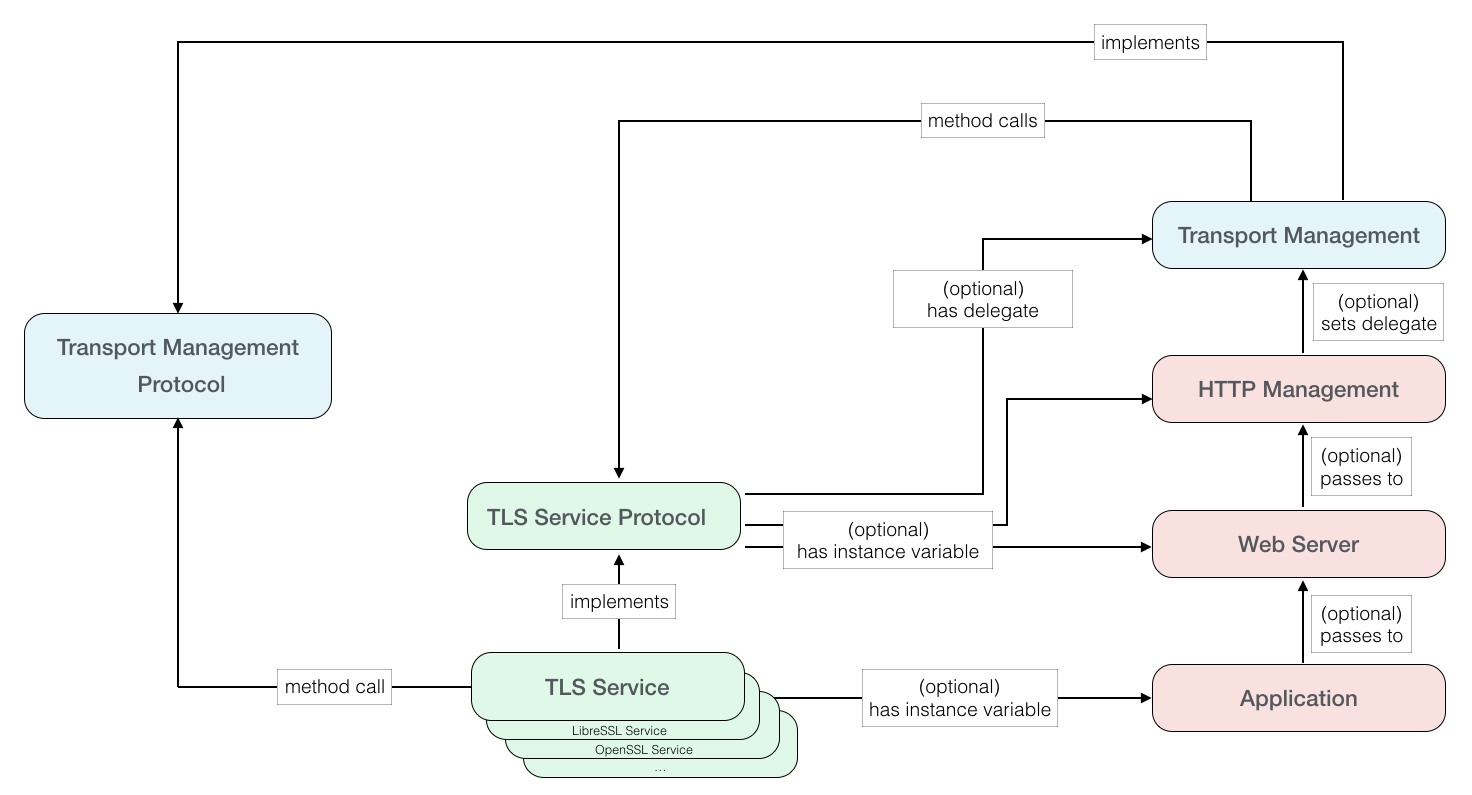
Regards, Rien Site: http://balancingrock.nl Blog: http://swiftrien.blogspot.com Github: http://github.com/Balancingrock Project: http://swiftfire.nl - A server for websites build in Swift > On 06 Apr 2017, at 23:04, Gelareh Taban <[email protected]> wrote: > > Hi Rien, > > This is great, thanks for referencing your blogs/repo. I'll go through them. > (An unfortunate issue I have found with security is that, we need it, we > expect it, but we don't want to worry about it :-) > > The basic structure of what we are considering right now would to a large > extent follow that of > https://github.com/IBM-Swift/BlueSSLService/ > which invokes SecureTransport on Apple and OpenSSL on Linux. > > For more details of some of the discussions, just follow this thread. > https://lists.swift.org/pipermail/swift-server-dev/Week-of-Mon-20170320/000298.html > > Would love to have your contributions here! :-D > > gelareh > > > > > <graycol.gif>Rien ---04/06/2017 11:54:57 AM---Having just finished a > client/server framework that builds on openSSL I sympathise with this proposa > > From: Rien <[email protected]> > To: Gelareh Taban/Austin/IBM@IBMUS > Cc: [email protected] > Date: 04/06/2017 11:54 AM > Subject: Re: [swift-evolution] [Pitch] Cross-platform Swift TLS library > > > > > Having just finished a client/server framework that builds on openSSL I > sympathise with this proposal. > > However, I wrote a few blogposts about my experiences with openSSL. And those > leads me to believe that there is not much interest in secure networking. The > number of hits on those posts are quite low (anaemic even) when compared to > -for example- posts on socket programming. > > While the sketch you made below does not sound too bad, I am afraid that the > API will become complex so fast, that it will not be much easier to use than > openSSL/LibreSSL etc. But don’t let that stop you ;-) > > Regards, > Rien > > PS: https://github.com/Balancingrock/SecureSockets > > > Site: http://balancingrock.nl > Blog: http://swiftrien.blogspot.com > Github: http://github.com/Balancingrock > Project: http://swiftfire.nl - A server for websites build in Swift > > > > > > > > On 06 Apr 2017, at 18:16, Gelareh Taban via swift-evolution > > <[email protected]> wrote: > > > > Hi all, > > > > I’d like to pitch some of the ideas that have been discussed in the server > > working group around security. > > > > To get more information on the server API group and its goals, see > > https://swift.org/server-apis/. (TL;DR version is to come up with a set of > > foundational APIs that work cross-platform, on all platforms supported by > > Swift, including Linux.) > > > > For security, we have divided the scope into SSL/TLS support and crypto > > support. Our first goal and the subject of this pitch is TLS. This current > > pitch is the result of various discussions that have taken place over the > > past several months over the server working group mailing list and several > > projects by groups such as Vapor, IBM, Zewo, etc. > > > > Our plan is to start with the main ideas presented here and work on a Swift > > library that we prototype and iterate on before finalizing on a specific > > interface. Hopefully the ideas in this pitch are non-controversial, aside > > from the naming of the method and protocols (which is widely accepted as a > > `hard` problem). > > > > # Problem > > > > Since there is currently no standard Swift SSL/TLS library that is > > compatible on both Apple and Linux, Swift projects use their TLS library of > > choice (such as OpenSSL, LibreSSL, Security framework, etc). This results > > in: > > - fragmentation of the space as well as incompatibility of project > > dependencies if more than one security package is needed by different > > modules (a project cannot have both OpenSSL and LibreSSL in its dependency > > graph) > > - insecurity (using an unpatched or deprecated library such as OpenSSL on > > macOS) > > - unmaintainablity (using non-standard or non-native libraries) > > - more complex code (using different APIs or code paths for each platform). > > > > So we want to propose a standard set of protocols that define the behavior > > of the TLS service and how the application and the server and networking > > layers beneath it interact with the TLS service. What complicates this > > pitch is that the Swift in server space is new and none of the interfaces > > have yet been defined, so this is really a work in iteration. > > > > # Design goals > > > > We came up with the following design goals for a solution: > > > > - Provide a consistent and unified Swift interface so that the developer > > can write simple, cross-platform applications; > > - Don't implement new crypto functionality and instead use existing > > functions in underlying libraries; > > - Plug-n-play architecture which allows the developer to decide on > > underlying security library of choice, e.g., OpenSSL vs LibreSSL; > > - Library should be agnostic of the transport mechanism (e.g., socket, > > etc), whilst allowing for both blocking and non-blocking connections; > > - Developers should be able to use the same TLS library for both client and > > server applications. > > > > > > # Proposal > > > > The proposed solution basically defines a number of protocols for each > > interface: > > - Transport management > > - TLS management > > > > A basic diagram that shows the relationship between the proposed protocols > > is shown below: > > > > (See attached file: TLSServiceArchitecture.png) > > > >  > > > > > > The transport management protocol essentially would be a combination of a > > connection object (e.g., a socket pointer, a file descriptor, etc) and a > > connection type. > > > > This is the connection object that gets passed to the implementation of the > > TLS service protocol, which also handles the read and write callbacks to > > the connection object. > > > > The TLS service protocol would define a sets of methods that deal with TLS > > setup (certificates, server/client, etc), and TLS events (such as receiving > > data, encrypting and writing to connection object or reading from a > > connection object, decrypting and returning the data). > > These methods are implemented by the TLS service which in turn uses its > > choice of underlying security library. As an example, the TLS service uses > > SecureTransport library on Apple platform and OpenSSL on Linux. > > > > ## How this would work > > > > If an application requires TLS for its use case, it creates a TLS service > > object and configures it based on its requirements. > > > > The application then passes the TLS service object to its lower level > > frameworks that deal with networking and communication. Each lower level > > framework maintains an optional instance variable of type TLS service > > protocol. If the optional variable exists, it is further passed down until > > it gets to the lowest level that deals with the Swift transport layer APIs > > (in the diagram above, this is the HTTP Management layer). When this layer > > creates the connection using the transport layer APIs, it assigns the TLS > > service object to the transport layer delegate. The Swift socket layer is > > then responsible for calling the TLS service protocol methods that handle > > the TLS functionality at the appropriate times. > > > > > > # Source Compatibility: > > > > As mentioned, the Swift in server space is still new and the interfaces are > > currently under discussion. Although the proposed protocols are designed to > > be as non-breaking as possible, they do place several assumptions on the > > rest of the transport/application stack. > > > > - The application layer must import and instantiate a TLS service object > > which implements the TLS service protocol if it wants to enable TLS service. > > - Every framework layer above the transport management layer but below the > > application layer (which includes HTTP and server frameworks) has an > > optional object that implements the TLS service protocol. If the TLS object > > exists, it is passed down to each layer below. > > - The HTTP layer which sets up the transport management layer assigns the > > TLS object to the transport management delegate if the object exists. > > - The transport management layer which sets up the I/O communication > > implements the transport management protocol. > > - The transport management layer which sets up the I/O communication and > > deals with the low level C system I/O, calls the appropriate TLS service > > protocol methods whenever I/O data needs to be secured. > > - The long term goal for the location of the TLS service protocol is within > > the Foundation framework. In the short term, the protocol can live within > > the transport management framework. > > > > <TLSServiceArchitecture.png>_______________________________________________ > > swift-evolution mailing list > > [email protected] > > https://lists.swift.org/mailman/listinfo/swift-evolution > > > > _______________________________________________ swift-evolution mailing list [email protected] https://lists.swift.org/mailman/listinfo/swift-evolution