texascavers Digest 9 Jun 2009 16:43:36 -0000 Issue 773

Topics (messages 10886 through 10904):
more cheap LED headlamps
        10886 by: David

the death of carbide - opinions
        10887 by: David
        10895 by: Stefan Creaser
        10902 by: Diana Tomchick

Re: Honeycreek Cave air and related topics
        10888 by: Minton, Mark
        10896 by: S S
        10897 by: George-Paul Richmann
        10899 by: Diana Tomchick
        10900 by: Mallory Mayeux
        10901 by: ellie :)
        10903 by: Louise Power
        10904 by: Mallory Mayeux

Re: Prassel Ranch Cave
        10889 by: Minton, Mark

PA Orders all Rescued Bats to be Destroyed
        10890 by: Minton, Mark

Re: bat houses
        10891 by: Minton, Mark
        10893 by: Jim Kennedy

Paging Keith Goggin
        10892 by: speleosteele.tx.rr.com

WNS questions - mostly opinions
        10894 by: David
        10898 by: Jim Kennedy

Administrivia:

To subscribe to the digest, e-mail:
        <[email protected]>

To unsubscribe from the digest, e-mail:
        <[email protected]>

To post to the list, e-mail:
        <[email protected]>


----------------------------------------------------------------------
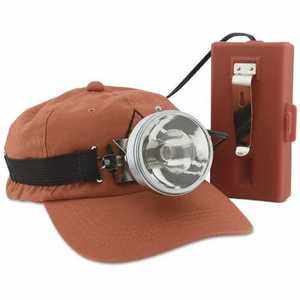
--- Begin Message ---Home Depot has 2 new LED headlamps that are under $ 20 and improvements over other their previous headlamps as they now include the brighter Cree LED's. One is by Energizer, and the other by Husky. The Energizer looked better, but I did not open the packages. These kind of headlamps are better suited for newbies going to Whirlpool Cave, or for your back-up light. However, I bet they work better than the old electric Justrites. http://www.forestry-suppliers.com/images/500/6193_w5.jpg Remember those days ? That was my 2nd electric headlamp and worked good for many trips. My first I called a "twinklite." It was something I paid a lot of money for at Whole Earth in 1984. It lasted one trip. Then I had a Wheatlamp that I liked because it was so rugged. My 4th was the one that was integrated into the Petzl Ceiling-burner. It was a twinklite also. In those days, we talked alot about which bulbs to use on certain cave trips. Some cavers kept a dimmer or brighter bulb inside the lens housing or in their cave pack somewhere. I have had bulbs break, but I haven't heard yet of an LED module failing. So even these new cheap headlights should work well for caving. David Locklear caver in Fort Bend County
--- End Message ---
--- Begin Message ---What I meant by carbide is now dead, is that a newbie getting into caving, should just be loaned a rock-solid LED headlamp for their first trip, like the new Energizer, or something certainly under $ 40. Pelican sells an excellent LED headlamp that is very water-resistant for $ 25. And Gander Mountain has an excellent LED headlamp that is water-resistant for $ 20. Any new caving book, should mention the most recent models of LED headlamps, and discuss the advantages and disadvantages of each, such as the crappy that plastic many are constructed in. Carbide lamps still work well for cold caves as they provide warmth. They work well for cavers who have easy access to carbide. They work best on expedition trips where water is plentiful. Who wants to run out of batteries at 1 or 2 kilometers underground. I believe alpine cavers in high altitudes prefer carbide. Right ? Many caves require scuba to push them. Carbide does not work underwater. Many of the newest LED lights are now water-proof. I don't believe newbies need to be taught about carbide on their first trip. Many of them may never go caving again. If we could give a date to the death of carbide, I would propose having a Carbide Death party very soon and having lots of margaritas. I wonder where we could find an event soon with hundreds of cavers to celebrate the occasion ?? Carbide smells and is not a naturally occurring gas in the cave. If 5 of 6 cavers are electric, why should one be still using carbide ? It would be better if everybody had interchangeable batteries, meaning if 6 cavers are on a trip, and one is using a lithium-ion Stenlight, then he or she won't be able to loan someone some AA's. There have been carbide related accidents in caving. Have there been in LED related accidents in caving ? I propose a motion that we have an official "Carbide is Dead Party." Attendees will be encouraged to come wearing a helmet with a functioning carbide headlamp. At the striking of a gong or some other symbolic instrument, we would all simultaneously blow out the flame. And then have toast with a margarita in semi-total darkness. Then we would put on our LED headlamp, turn on the light, cheer and finish the Margarita. Then we would dance and listen to a caver rock band, and have lots of Shiner Beer. Anybody 2nd the motion ? David Locklear caver in Fort Bend County
--- End Message ---
--- Begin Message ---Hi David, When was the last time you used a carbide light? Have you ever used an LED light in a passage over, say, 30meters wide and high? Cheers, Stefan -----Original Message----- From: David [mailto:[email protected]] Sent: Monday, June 08, 2009 8:44 PM To: [email protected] Subject: [Texascavers] the death of carbide - opinions What I meant by carbide is now dead, is that a newbie getting into caving, should just be loaned a rock-solid LED headlamp for their first trip, like the new Energizer, or something certainly under $ 40. -- IMPORTANT NOTICE: The contents of this email and any attachments are confidential and may also be privileged. If you are not the intended recipient, please notify the sender immediately and do not disclose the contents to any other person, use it for any purpose, or store or copy the information in any medium. Thank you.
--- End Message ---
--- Begin Message --- Yes, in fact Bill Steele, Emily Zuber and I did just that in a cave in Guerrero in April. I talked about it at the TSA Convention. I'm sure that Bill would agree that his carbide lamp wouldn't have worked well at all in such a passage. In fact, his favorite multi-LED light was also barely up to the task, but he was glad he had it rather than his old carbide lamps.Diana On Jun 9, 2009, at 1:16 AM, Stefan Creaser wrote:Hi David, When was the last time you used a carbide light? Have you ever used an LED light in a passage over, say, 30meters wide and high? Cheers, Stefan -----Original Message----- From: David [mailto:[email protected]] Sent: Monday, June 08, 2009 8:44 PM To: [email protected] Subject: [Texascavers] the death of carbide - opinions What I meant by carbide is now dead, is that a newbie getting into caving, should just be loaned a rock-solid LED headlamp for their first trip, like the new Energizer, or something certainly under $ 40. --IMPORTANT NOTICE: The contents of this email and any attachments are confidential and may also be privileged. If you are not the intended recipient, please notify the sender immediately and do not disclose the contents to any other person, use it for any purpose, or store or copy the information in any medium. Thank you.--------------------------------------------------------------------- Visit our website: http://texascavers.com To unsubscribe, e-mail: [email protected] For additional commands, e-mail: [email protected]* * * * * * * * * * * * * * * * * * * * * * * * * * * * Diana R. Tomchick Associate Professor University of Texas Southwestern Medical Center Department of Biochemistry 5323 Harry Hines Blvd. Rm. ND10.214B Dallas, TX 75390-8816, U.S.A. Email: [email protected] 214-645-6383 (phone) 214-645-6353 (fax)
--- End Message ---
--- Begin Message ---David Locklear said: >If you have 20 something cavers in a small passage with bad air breathing >heavily for 9 hours, do expect the oxygen level to improve or get worse ? >I propose future trips take precautionary measures and release some oxygen >into the passage. Of course the oxygen level would get worse with people breathing and no air flow. However it's now a moot point since there will not likely be any more dives from that location in the foreseeable future. >A tiny air shaft could be drilled, that could also be used to lower the diving >gear into the room where the divers suit up at. It couldn't be too tiny if you want to lower diving gear! But drilling even a small shaft to provide air would be way too expensive. It would be simpler to just bring an extra tank for the sherpas to take an occasional breath from. If you did drill a shaft, you wouldn't have to pump air in, because the shaft itself would cause airflow that would keep the air fresh. Mark Minton
--- End Message ---
--- Begin Message ---I think you might want to install a CO detector in your home. This may be this issue. From: [email protected] To: [email protected] List-Post: [email protected] Date: Mon, 8 Jun 2009 21:44:17 -0400 Subject: [Texascavers] RE: Honeycreek Cave air and related topics David Locklear said: >If you have 20 something cavers in a small passage with bad air breathing >heavily for 9 hours, do expect the oxygen level to improve or get worse ? >I propose future trips take precautionary measures and release some oxygen >into the passage. Of course the oxygen level would get worse with people breathing and no air flow. However it's now a moot point since there will not likely be any more dives from that location in the foreseeable future. >A tiny air shaft could be drilled, that could also be used to lower the diving >gear into the room where the divers suit up at. It couldn't be too tiny if you want to lower diving gear! But drilling even a small shaft to provide air would be way too expensive. It would be simpler to just bring an extra tank for the sherpas to take an occasional breath from. If you did drill a shaft, you wouldn't have to pump air in, because the shaft itself would cause airflow that would keep the air fresh. Mark Minton _________________________________________________________________ Windows Live™: Keep your life in sync. http://windowslive.com/explore?ocid=TXT_TAGLM_WL_BR_life_in_synch_062009
--- End Message ---
--- Begin Message ---While we are clearing the bats from the cave, and poking holes to ventilate it lets also add ramps for people confined to wheel chairs. I also hate stoop walking, so lets increase the height of the cave to 7ft or so (so we can accommodate the tallest cavers...comfortably). We can also equip them with cheap but historically impressive off brand LED's in case the track lighting fails. ....GP On Tue, Jun 9, 2009 at 8:40 AM, S S<[email protected]> wrote: > I think you might want to install a CO detector in your home. This may be > this issue. > > > > ________________________________ > From: [email protected] > To: [email protected] > Date: Mon, 8 Jun 2009 21:44:17 -0400 > Subject: [Texascavers] RE: Honeycreek Cave air and related topics > > David Locklear said: > >>If you have 20 something cavers in a small passage with bad air breathing >> heavily for 9 hours, do expect the oxygen level to improve or get worse ? >>I propose future trips take precautionary measures and release some oxygen >> into the passage. > Of course the oxygen level would get worse with people breathing and > no air flow. However it's now a moot point since there will not likely be > any more dives from that location in the foreseeable future. > >>A tiny air shaft could be drilled, that could also be used to lower the >> diving gear into the room where the divers suit up at. > It couldn't be too tiny if you want to lower diving gear! But > drilling even a small shaft to provide air would be way too expensive. It > would be simpler to just bring an extra tank for the sherpas to take an > occasional breath from. If you did drill a shaft, you wouldn't have to pump > air in, because the shaft itself would cause airflow that would keep the air > fresh. > > Mark Minton > ________________________________ > Windows Live™: Keep your life in sync. Check it out. -- George-Paul Richmann (513) 490-3100 [email protected]
--- End Message ---
--- Begin Message --- Ha ha ha, the best part of this discussion is that while we waited for 9 hours for the divers, we burned just about every scented candle that Mallory had purchased at a Bath and Body Works blowout sale! Not only did we have stale air from nasty smelling wet suits and heavily breathing sherpas, it was intermingled with the enticing aromas of "Butterfly Garden" and "Sweet Pea." In addition to adding heat to our trash sacks to keep us warm, the candles also did an OK job of letting us know that there really wasn't that much CO2 in the passage.Mallory packed up most of the candle stubs before we left; on the way out of the cave, every time we'd come to a low spot in the ceiling, I could smell those frickin' candles again. I suppose that those scents will always remind me of this particular tank haul trip.Diana On Jun 8, 2009, at 7:08 PM, David wrote:If you have 20 something cavers in a small passage with bad air breathing heavily for 9 hours, do expect the oxygen level to improve or get worse ?I propose future trips take precautionary measures and release some oxygeninto the passage. It would be little use to install a big fan and flexible conduit to force some air into the shaft entrance because the air would distribute evenly throughout the whole cave and it would also block the entrance from easy in and out trips. Also, A tiny air shaft could be drilled, that could also be used to lower the diving gear into the room where the divers suit up at. Even a 3 inch diameter shaft would be helpful, because you could lower a telephone cable, or pump oxygen into the room, lower emergency food and water, etc. I propose a 3 inch shaft be drilled to confirm the exact location of the 1st sump, and then use the diver's survey to mark the surface where the cave is going. I would also like to propose that the TSA, TCMA, and every Texas caver unite behind a single goal, and I believe that goal should be to finish the map of Honeycreek. ( after ICS of course ) I hope I live long enough to see the TCMA acquire the Shaft Entrance and at least some sort of permanent access agreement to the Natural Entrance, like an easement. David Locklear caver in Fort Bend County --------------------------------------------------------------------- Visit our website: http://texascavers.com To unsubscribe, e-mail: [email protected] For additional commands, e-mail: [email protected]* * * * * * * * * * * * * * * * * * * * * * * * * * * * Diana R. Tomchick Associate Professor University of Texas Southwestern Medical Center Department of Biochemistry 5323 Harry Hines Blvd. Rm. ND10.214B Dallas, TX 75390-8816, U.S.A. Email: [email protected] 214-645-6383 (phone) 214-645-6353 (fax)
--- End Message ---
--- Begin Message ---LOL! For those who weren't on the tank haul I feel like I need to explain myself: On the January tank haul, I was told to bring a candle to keep warm, along w/ a trash bag. The only candle I happened to have lying around the house was a Bath & Body works "Moonlight Path" candle, which I brought and was the subject of many jokes and much laughter. Truthfully, it seemed other cavers loved it or hated it. I was going to get regular candles this go-round, but Bill loved the scented candle concept so much I packed a nalgene full of various scented candles to amuse him, and was going to offer him a choice of scents and light ONE candle in the passage. However, we ended up waiting almost 9 hours, so we ended up burning all six! In addition to "sweet pea" and "Butterfly garden" we also had "Fresh Bamboo", "Warm Vanilla Sugar", "Raspberry Citrus," and another one I can't recall...seemed most cavers would rather put up w/ a supersweet stench than get too cold.... If/When we ever do a tank haul again, I'll have to bring plain candles for variety. :) On the other hand...if I ever "pull a Puppy" and pass up the shaft, Diana & co. can track me & my scented candles down fairly easily.... Mallory On Tue, Jun 9, 2009 at 9:49 AM, Diana Tomchick < [email protected]> wrote: > Ha ha ha, the best part of this discussion is that while we waited for 9 > hours for the divers, we burned just about every scented candle that Mallory > had purchased at a Bath and Body Works blowout sale! Not only did we have > stale air from nasty smelling wet suits and heavily breathing sherpas, it > was intermingled with the enticing aromas of "Butterfly Garden" and "Sweet > Pea." In addition to adding heat to our trash sacks to keep us warm, the > candles also did an OK job of letting us know that there really wasn't that > much CO2 in the passage. > > Mallory packed up most of the candle stubs before we left; on the way out > of the cave, every time we'd come to a low spot in the ceiling, I could > smell those frickin' candles again. I suppose that those scents will always > remind me of this particular tank haul trip. > > Diana > > > On Jun 8, 2009, at 7:08 PM, David wrote: > > If you have 20 something cavers in a small passage with bad air >> breathing heavily >> for 9 hours, do expect the oxygen level to improve or get worse ? >> >> I propose future trips take precautionary measures and release some oxygen >> into the passage. >> >> It would be little use to install a big fan and flexible conduit to >> force some air into the shaft entrance >> because the air would distribute evenly throughout the whole cave and >> it would also block the entrance >> from easy in and out trips. >> >> Also, >> >> A tiny air shaft could be drilled, that could also be used to lower >> the diving gear into the room where >> the divers suit up at. >> >> Even a 3 inch diameter shaft would be helpful, because you could lower >> a telephone cable, or pump >> oxygen into the room, lower emergency food and water, etc. >> >> I propose a 3 inch shaft be drilled to confirm the exact location of >> the 1st sump, and then use the >> diver's survey to mark the surface where the cave is going. >> >> >> I would also like to propose that the TSA, TCMA, and every Texas caver >> unite behind a single goal, and >> I believe that goal should be to finish the map of Honeycreek. ( >> after ICS of course ) >> >> I hope I live long enough to see the TCMA acquire the Shaft Entrance >> and at least some sort of permanent >> access agreement to the Natural Entrance, like an easement. >> >> David Locklear >> caver in Fort Bend County >> >> --------------------------------------------------------------------- >> Visit our website: http://texascavers.com >> To unsubscribe, e-mail: [email protected] >> For additional commands, e-mail: [email protected] >> > > * * * * * * * * * * * * * * * * * * * * * * * * * * * * > Diana R. Tomchick > Associate Professor > University of Texas Southwestern Medical Center > Department of Biochemistry > 5323 Harry Hines Blvd. > Rm. ND10.214B > Dallas, TX 75390-8816, U.S.A. > Email: [email protected] > 214-645-6383 (phone) > 214-645-6353 (fax) > > > > --------------------------------------------------------------------- > Visit our website: http://texascavers.com > To unsubscribe, e-mail: [email protected] > For additional commands, e-mail: [email protected] > >
--- End Message ---
--- Begin Message ---Yeah, it really pissed me off when the track lighting failed. The disco ball at the shower stall wasn't working this time, can someone see about getting that replaced? Also, we need to replace the freon in the beer fridge at the sump as well as restock, there are only cans left and I need bottles. On Tue, Jun 9, 2009 at 10:03 AM, Mallory Mayeux<[email protected]> wrote: > LOL! For those who weren't on the tank haul I feel like I need to explain > myself: > > On the January tank haul, I was told to bring a candle to keep warm, along > w/ a trash bag. The only candle I happened to have lying around the house > was a Bath & Body works "Moonlight Path" candle, which I brought and was the > subject of many jokes and much laughter. Truthfully, it seemed other cavers > loved it or hated it. > > I was going to get regular candles this go-round, but Bill loved the scented > candle concept so much I packed a nalgene full of various scented candles to > amuse him, and was going to offer him a choice of scents and light ONE > candle in the passage. However, we ended up waiting almost 9 hours, so we > ended up burning all six! In addition to "sweet pea" and "Butterfly garden" > we also had "Fresh Bamboo", "Warm Vanilla Sugar", "Raspberry Citrus," and > another one I can't recall...seemed most cavers would rather put up w/ a > supersweet stench than get too cold.... > > If/When we ever do a tank haul again, I'll have to bring plain candles for > variety. :) > > On the other hand...if I ever "pull a Puppy" and pass up the shaft, Diana & > co. can track me & my scented candles down fairly easily.... > > Mallory > > On Tue, Jun 9, 2009 at 9:49 AM, Diana Tomchick > <[email protected]> wrote: >> >> Ha ha ha, the best part of this discussion is that while we waited for 9 >> hours for the divers, we burned just about every scented candle that Mallory >> had purchased at a Bath and Body Works blowout sale! Not only did we have >> stale air from nasty smelling wet suits and heavily breathing sherpas, it >> was intermingled with the enticing aromas of "Butterfly Garden" and "Sweet >> Pea." In addition to adding heat to our trash sacks to keep us warm, the >> candles also did an OK job of letting us know that there really wasn't that >> much CO2 in the passage. >> >> Mallory packed up most of the candle stubs before we left; on the way out >> of the cave, every time we'd come to a low spot in the ceiling, I could >> smell those frickin' candles again. I suppose that those scents will always >> remind me of this particular tank haul trip. >> >> Diana >> >> On Jun 8, 2009, at 7:08 PM, David wrote: >> >>> If you have 20 something cavers in a small passage with bad air >>> breathing heavily >>> for 9 hours, do expect the oxygen level to improve or get worse ? >>> >>> I propose future trips take precautionary measures and release some >>> oxygen >>> into the passage. >>> >>> It would be little use to install a big fan and flexible conduit to >>> force some air into the shaft entrance >>> because the air would distribute evenly throughout the whole cave and >>> it would also block the entrance >>> from easy in and out trips. >>> >>> Also, >>> >>> A tiny air shaft could be drilled, that could also be used to lower >>> the diving gear into the room where >>> the divers suit up at. >>> >>> Even a 3 inch diameter shaft would be helpful, because you could lower >>> a telephone cable, or pump >>> oxygen into the room, lower emergency food and water, etc. >>> >>> I propose a 3 inch shaft be drilled to confirm the exact location of >>> the 1st sump, and then use the >>> diver's survey to mark the surface where the cave is going. >>> >>> >>> I would also like to propose that the TSA, TCMA, and every Texas caver >>> unite behind a single goal, and >>> I believe that goal should be to finish the map of Honeycreek. ( >>> after ICS of course ) >>> >>> I hope I live long enough to see the TCMA acquire the Shaft Entrance >>> and at least some sort of permanent >>> access agreement to the Natural Entrance, like an easement. >>> >>> David Locklear >>> caver in Fort Bend County >>> >>> --------------------------------------------------------------------- >>> Visit our website: http://texascavers.com >>> To unsubscribe, e-mail: [email protected] >>> For additional commands, e-mail: [email protected] >> >> * * * * * * * * * * * * * * * * * * * * * * * * * * * * >> Diana R. Tomchick >> Associate Professor >> University of Texas Southwestern Medical Center >> Department of Biochemistry >> 5323 Harry Hines Blvd. >> Rm. ND10.214B >> Dallas, TX 75390-8816, U.S.A. >> Email: [email protected] >> 214-645-6383 (phone) >> 214-645-6353 (fax) >> >> >> --------------------------------------------------------------------- >> Visit our website: http://texascavers.com >> To unsubscribe, e-mail: [email protected] >> For additional commands, e-mail: [email protected] >> > >
--- End Message ---
--- Begin Message ---Before you consider something like this, you might want to look into Carlsbad Caverns findings on their various shafts like the elevator shaft. I know 3" doesn't sound like much, but it will change the dynamics of the cave. Maybe this situation simply means 20 plus cavers shouldn't be in this bad-air passage at the same time. > Date: Mon, 8 Jun 2009 19:08:24 -0500 > From: [email protected] > To: [email protected] > Subject: [Texascavers] Honeycreek Cave air and related topics > > If you have 20 something cavers in a small passage with bad air > breathing heavily > for 9 hours, do expect the oxygen level to improve or get worse ? > > I propose future trips take precautionary measures and release some oxygen > into the passage. > > It would be little use to install a big fan and flexible conduit to > force some air into the shaft entrance > because the air would distribute evenly throughout the whole cave and > it would also block the entrance > from easy in and out trips. > > Also, > > A tiny air shaft could be drilled, that could also be used to lower > the diving gear into the room where > the divers suit up at. > > Even a 3 inch diameter shaft would be helpful, because you could lower > a telephone cable, or pump > oxygen into the room, lower emergency food and water, etc. > > I propose a 3 inch shaft be drilled to confirm the exact location of > the 1st sump, and then use the > diver's survey to mark the surface where the cave is going. > > > I would also like to propose that the TSA, TCMA, and every Texas caver > unite behind a single goal, and > I believe that goal should be to finish the map of Honeycreek. ( > after ICS of course ) > > I hope I live long enough to see the TCMA acquire the Shaft Entrance > and at least some sort of permanent > access agreement to the Natural Entrance, like an easement. > > David Locklear > caver in Fort Bend County > > --------------------------------------------------------------------- > Visit our website: http://texascavers.com > To unsubscribe, e-mail: [email protected] > For additional commands, e-mail: [email protected] >
--- End Message ---
--- Begin Message ---I think this is a great discussion to be having for a different situation, and it's definitely been proven that man-made entrances in caves change airflow, dynamics, etc. and is not the best solution to bad-air problems. However, I really think it's unnecessary to be having this discussion about Honey Creek this weekend, as those of us who were down there will agree that the air there REALLY wasn't that bad...a little thin at worst. Calling the sump a "bad air passage" makes it sound like we did something dangerous or unsafe, when everyone down there was 100% OK the entire time. It's discussions like this, taken out of context, that give cavers a bad name and causes unnecessary worry. Mallory Mayeux On Tue, Jun 9, 2009 at 11:34 AM, Louise Power <[email protected]>wrote: > Before you consider something like this, you might want to look into > Carlsbad Caverns findings on their various shafts like the elevator shaft. I > know 3" doesn't sound like much, but it will change the dynamics of the > cave. Maybe this situation simply means 20 plus cavers shouldn't be in > this bad-air passage at the same time. > > > Date: Mon, 8 Jun 2009 19:08:24 -0500 > > From: [email protected] > > To: [email protected] > > Subject: [Texascavers] Honeycreek Cave air and related topics > > > > > If you have 20 something cavers in a small passage with bad air > > breathing heavily > > for 9 hours, do expect the oxygen level to improve or get worse ? > > > > I propose future trips take precautionary measures and release some > oxygen > > into the passage. > > > > It would be little use to install a big fan and flexible conduit to > > force some air into the shaft entrance > > because the air would distribute evenly throughout the whole cave and > > it would also block the entrance > > from easy in and out trips. > > > > Also, > > > > A tiny air shaft could be drilled, that could also be used to lower > > the diving gear into the room where > > the divers suit up at. > > > > Even a 3 inch diameter shaft would be helpful, because you could lower > > a telephone cable, or pump > > oxygen into the room, lower emergency food and water, etc. > > > > I propose a 3 inch shaft be drilled to confirm the exact location of > > the 1st sump, and then use the > > diver's survey to mark the surface where the cave is going. > > > > > > I would also like to propose that the TSA, TCMA, and every Texas caver > > unite behind a single goal, and > > I believe that goal should be to finish the map of Honeycreek. ( > > after ICS of course ) > > > > I hope I live long enough to see the TCMA acquire the Shaft Entrance > > and at least some sort of permanent > > access agreement to the Natural Entrance, like an easement. > > > > David Locklear > > caver in Fort Bend County > > > > --------------------------------------------------------------------- > > Visit our website: http://texascavers.com > > To unsubscribe, e-mail: [email protected] > > For additional commands, e-mail: [email protected] > > >
--- End Message ---
--- Begin Message ---David Locklear said: >ICS attendees would have some muddy fun at Prassel Ranch Cave. >You have fun "salamandering" for hours only to turn around and repeat the same >to get out of the cave. As I remember it, there was often too little water to salamander in Prassell Ranch Cave. Salamandering only works if there is enough water to float your body above the mud, and the mud and water together are shallow enough to reach through to the solid floor with your hands. That's a pretty limited range that just happens to occur relatively frequently in Honey Creek. I don't know how likely those conditions would be in general, but I suspect it's not that common. There are plenty of places in Honey Creek where it doesn't work. What I remember being especially insidious in Prassell Ranch Cave is that there was often a false floor of flowstone under the mud that was sometimes strong enough to support body weight, and sometimes not. One would be crawling along through the mud and then suddenly fall through, doing a face plant in the process. >And this cave has had a going lead for 30 something years. Right ? There is no open lead as far as I know, although I think there is a dig at a low airspace or sump at the back. I haven't seen it though. Mark Minton
--- End Message ---
--- Begin Message ---
Pa. orders all rescued bats to be destroyed
Seeking to halt the spread of a disease ravaging bat populations in the Northeast, the Pennsylvania Game Commission laid down the law: All bats collected by wildlife rescuers - regardless of whether they were sick or injured - would have to be euthanized.The order, issued in response to white-nose syndrome, a highly contagious fungal disease, came just before the busy spring season when baby bats take flight. It has angered bat advocates, who consider the Game Commission's response extreme.
"It's a draconian approach," said Laura Flandreau, a volunteer from Chestnut Hill who launched a petition drive urging Gov. Rendell to persuade the commission to lift the ban. She says none of the other eight states where the disease has been found has banned rescue and release efforts. In New Jersey, she said, efforts are under way to treat infected bats in a research facility.
But Game Commission officials say they issued the bat-release ban to protect thousands of bats from the fatal and, so far, untreatable disorder.
"Given that white-nose syndrome has claimed thousands of bats, if a sick or injured bat is released, it would be adding to the problem," commission spokesman Jerry Feaser said.
Concern about the economic and health costs of this fast-spreading disease prompted congressional hearings Thursday to explore the public-health, environmental, and economic implications of white-nose syndrome. The disease, which so far is found only in cave bats, has turned up in states from New Hampshire to West Virginia, decimating colonies in some areas.
Delegate Madeleine Z. Bordallo (D., Guam), a member of the House subcommittee on national parks, forests and public lands, said Thursday that, left unchecked, white-nose syndrome could bring economic and ecological disaster, given the vital role hungry bats play in curbing disease-carrying insects.
"Bats are nature's best control of insect populations, as a single bat can eat its entire weight in insects in one night," Bordallo said in a statement. "Their decline will likely have far-reaching ramifications for both agriculture and public health."
Lisa Williams, a Game Commission biologist, said the reasons for the Pennsylvania order were many: The disease is difficult to recognize; there are no test, no treatment, and no cure; and it has spread from one bat species to another.
"We are trying to slow the spreading of a disease that has been leapfrogging down the Appalachian range," she said.
The disease is still confined in Pennsylvania to four counties: Lackawanna, Luzerne, Centre, and Mifflin.
In New Jersey, volunteers are being sought to count the state's bats this summer. The Conserve Wildlife Foundation of New Jersey, which is organizing the census, says the count is crucial to determine how many bats have died from the disease.
Pennsylvania and New Jersey are among 12 states that will share in $1.4 million from the U.S. Fish and Wildlife Service to study the disease, which has killed record numbers of bats in New England since 2006, in some cases wiping out 90 percent of the population colonies. The first bats tested positive for white-nose syndrome in Pennsylvania in January, and a month later dead bats were turning up by the hundreds in Lackawanna County. The goal of the research, say Game Commission officials, is to find the cause, and determine how it spreads and whether it can be contained.
Members of the small bat rehabilitation community - eight people in all, licensed through the Game Commission - say the commission's euthanasia order does not consider differences in species or the threat that killing the animals could pose. Tree bats, for instance, are not known to have the disease, and other species, such as the Indiana bat, are endangered.
"I don't think it's a good idea," said Deb Welter, a licensed bat rehabilitator who runs the Diamond Rock Wildlife Rehabilitation Clinic in Malvern. "We are the bats' best chance, and the bats we take in are not implicated in white-nose."
Game Commission officials, who have instructed the rehabilitators to euthanize the bats and ship them to Harrisburg for study, say some bats will have to be sacrificed to help find a cure.
Contact staff writer Amy Worden at 717-783-2584 or [email protected].
--- End Message ---
--- Begin Message ---David Locklear said: >After all, bat guano poisons caves and cave water, It does? Since when? >And what evidence do we have that bats have been using caves before man scared >them away from their natural habitats ? >Bats are perfectly happy living in the crevices of bridges and trees. Right ? What makes you think caves are not bats' natural habitat? I think they are. Crevices in bridges certainly aren't! The types of bats that live in trees are not the same ones that live in caves. >Many people put their animals in outdoor structures. Why not do the same >for bats. Bats need a home that is warm enough in winter. Unless you built a complex structure like the Chiroptorium, a simple concrete shelter would get too cold. Please stick with testing LED flashlights, and leave the bats alone! Mark Minton
--- End Message ---
--- Begin Message ---Mark Minton said: Please stick with testing LED flashlights, and leave the bats alone! ----------------------------------------------------------- I could not agree more! David, you are way off base with your bat posting. Well meaning ideas are one thing, but your posting was done with obviously no prior research or discussion with anyone even approaching expert status. I was going to write a lengthy rebuttal, but decided to save my energy for someplace where it might do some good, like trying to find a solution to the WNS problem. Jim Kennedy, certified bat expert
--- End Message ---
--- Begin Message ---Keith, The e-mail address I have for you is an old one and e-mail bounces back. Please e-mail me. Bill Steele
--- End Message ---
--- Begin Message ---I have not had a chance to find out the facts or details of WNS. Could each infected bat have visited a source of the fungus such as a plant or tree or soil? or are they certain that one sick bat brings it to the cave infecting all the other bats ? Are they certain it is a fungus ? Are they certain it is only Fusarium? http://en.wikipedia.org/wiki/Fusarium Is it just on the hair, or is it also on the skin? Or stuck under their tiny claws ? I doubt that humans are carriers of the fungus. But in an effort to not rule anything out yet, why could it not be transmitted in our lungs. I guess I am saying decon would not do any good if that were the case, so why take a chance on caving until we are certain ? Other animals may use the cave and visit nearby caves. Possums, etc. So it could not be contained easily if that were the case. I propose putting some sick bats in a cage with a possum. Are they certain the fungus gets transmitted simply by touching it ? Meaning does it require fluid transmission ( saliva, etc ). Are we maybe looking at a rare troglobitic fungus ? ( I think I read somewhere it had been cultured in a lab ? ) Have the bats lungs been autopsyied ? I bet the fungus is also in their lungs. In that case, they are dying of pneumonia like symptoms. Otherwise, it has entered their bloodstream and effected their nervous system. Do these bats have to hibernate to survive ? Can they be transported south for the winter ? ( Wouldn't it be ironic if that method brought WNS to the south ? ) It would seem logical that the bats have put their nose inside of something that had the fungus. Such as a new flower imported from some exotic place where bats don't live. Like any contagious disease, the sick bats should be isolated from the non-sick ones. How to practically do that is a difficult question. Should the bats be captured and moved to try to save them ? If we only visit the same cave on a regular basis, then we could not spread WNS. Right ? Meaning, a caver could still visit a bat cave, as long as he doesn't visit any other caves. Right ? Another thought is that some animals have symbiotic relationships with other animals like the whale and the fish that attaches to them. Possibly bats up north have lost their symbiotic host, such as something that lived in their fur that fed on the fungus and kept it under control? I doubt that. It is no surprise that some environmentalist are claiming this is proof of global warming. I am not yet a believer in global warming caused by humans, but I do firmly support the goals of lessening pollution. ( I am more concerned about population growths affect on the environment, but that is another topic ). I bet there has been a sudden increase in this fungus on the surface in the vicinity of the 1st cave in the area where the bats spend the night flying around. How far do these bats normally go from New York? I guess they have ruled out that the 1st cave was visited by a caver who had travelled outside of New York, or from outside the country in the same clothes he wore to some environment that had high concentrations of this fungus ? I would not believe that theory. Maybe any mammal can catch it by eating an infected mosquito ? My guess, is that the fungus is NOT the symptom of an illness. My hunch is the fungus is causing the illness. So we must first get the bats away from the fungus. Can the sick bats be sanitized to remove the fungus ? David Locklear caver in Fort Bend County
--- End Message ---
--- Begin Message ---David, I suggest reading up on the topic before further postings. www.caves.com/wns "It is better to keep your mouth closed and let people think you are a fool than to open it and remove all doubt." --- Mark Twain -- Jim
--- End Message ---