Top 9 Most Inhospitable Places in the World
We tend to take our surroundings for granted. You're probably reading this
in relative comfort - you don't need to wear breathing apparatus, you're
within a few steps of a cold drink and you aren't at the beck and call of a
totalitarian regime bent on oppressing its population. The Tripbase team have
drawn up a list of the most horrendous places to live, in order from
dreadful to impossible. We have nothing but respect for the hardy human
beings who make their homes in the most brutal places on Earth.
*9. Yakutsk, Russia*

<http://2.bp.blogspot.com/-izaidUIopc4/TqgngC7xoKI/AAAAAAAABTs/9ovFHyTr7eU/s1600/1278493+%25282%2529.jpg>
 *Yakutsk,
February (temperature about -20-(-30))*  *Where is it?* Siberia.
*What can I see there?* The Lena River.
*What's so bad about it?* The climate. It's the coldest city on the planet,
with temperatures regularly plunging to *-50°c*. Winters are long and cold,
with just fifteen hours of sunshine reaching the city in the whole of
December.
*History.* The settlement began life as a fort in *1632*, but didn't become
a proper city until Stalin's forced labour camps precipitated rapid
extraction of minerals from nearby deposits.

<http://3.bp.blogspot.com/-VjuoYqsI3J0/Tqgqoeq0zTI/AAAAAAAABT0/Pk4_J9CIqXA/s1600/r_15285370_200901151527292415100.jpg>
 *A
Yakutsk woman stands at a local market, her eyelashes frosted by the winter
cold. Yakutsk is said to be one of the coldest cities on earth, with
January temperatures averaging at -40.9C (-42F). It is located about 450
kilometres below the Arctic Circle.*
*Population.* The city has over a quarter of a million inhabitants.
*How do I get there?* By plane. There are two airports which service the
city. You can also use the railway network and, if it's the right time of
year, drive a car over the frozen Lena River.

*8. Grozny, Russia*

<http://2.bp.blogspot.com/-6QPODK_TEC8/Tqgwyfp7M0I/AAAAAAAABT8/UrSWlIHmwXk/s1600/pb-110307-grozny-jb.photoblog900.jpg>
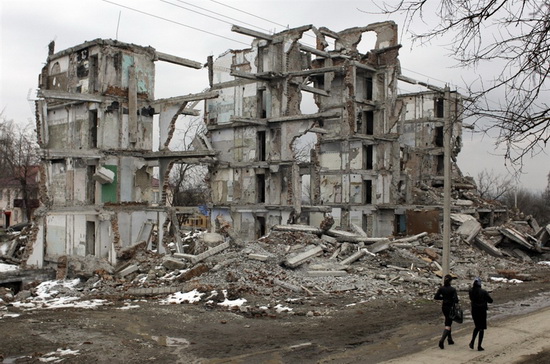
 *Chechen
women pass by a destroyed building in the Zavodskoi district of Grozny,
Chechnya on Monday, March 7, 2011*.
*Where is it?* Chechen Republic, Russia
*What can I see there?* A crater, and one of Europe's largest mosques which
opened a few years ago.
*What's so bad about it?* It has been effectively obliterated by several
waves of bombing and violence. Thousands of people died and many still live
in shelled-out derelict buildings without water, heating or electricity.
Illegal oil drilling takes place in parts of the city, which the United
Nations calls *the most destroyed city on earth.

<http://2.bp.blogspot.com/-g6QcqaiIWHs/TqgyjaHxAPI/AAAAAAAABUE/KGqmR-C8vZI/s1600/road_fc-terec.ru_view.jpg>
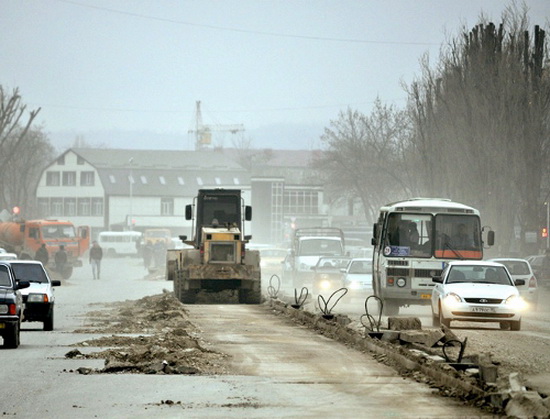
 *Road
construction in Grozny, 2011  *
*History.* Cossacks built this town as a military outpost in *1818*. Grozny
is actually Russian for "terrible".
*Population.* *271,000*, some of them in squalor and some of them in
rejuvenated parts of the city.
*How do I get there?* With difficulty. Transport networks to and from the
city are weak. The first plane to fly from Grozny left in 2009.

*7. Baghdad, Iraq*

<http://1.bp.blogspot.com/-cZuHaK1NSBM/Tqg6PI8qGSI/AAAAAAAABUM/QBWcYryDOBQ/s1600/suicide-car-bombers-kill-11-at-baghdad-police-stations-2011-10-12_l.jpg>
 *
<http://www.hurriyetdailynews.com/n.php?n=suicide-car-bombers-kill-11-at-baghdad-police-stations-2011-10-12>*
*What can I see there?* Baghdad Tower, Baghdad Zoo... there are plenty of
reminders that this hasn't always been a warzone.
*What's so bad about it?* It's in the middle of a conflict-ravaged country,
where Westerners are prime targets for all sorts of unpleasantness. If the
locals don't get you, the Americans will - in 2003, a US tank shelled a
hotel where journalists were staying, killing three of them.

<http://2.bp.blogspot.com/-nobV6_noT0E/Tqg8n9SbDVI/AAAAAAAABUU/Hff3RbCvYjU/s1600/2011-02-23__buis06.jpg>
 *An
Iraqi woman sells fruit at the Friday market in Baghdad's impoverished
district of Sadr City.*
*History.*  It was founded in the 8th Century and was the largest city in
the world throughout the middle ages.
*Population.*  It has a population of around *6.5m people.*
*How do I get there?* It's very difficult to get a visa to Iraq. It's also
fairly suicidal - the only safe area is the International Zone and you
won't be able to get in there without the right papers. Don't expect
hoteliers to be seen supporting you either, and remember that restaurants
are often targeted by suicide bombers.

*6. Chernobyl, Ukraine*

<http://3.bp.blogspot.com/-3Oi8AlacFA0/TqhOz4ZRKDI/AAAAAAAABUc/EAnHl8fy8WM/s1600/article-1339099-0C810695000005DC-885_468x342.jpg>

<http://www.dailymail.co.uk/travel/article-1339099/Chernobyls-Reactor-4-Exclusion-Zone-open-tourists-2011.html>
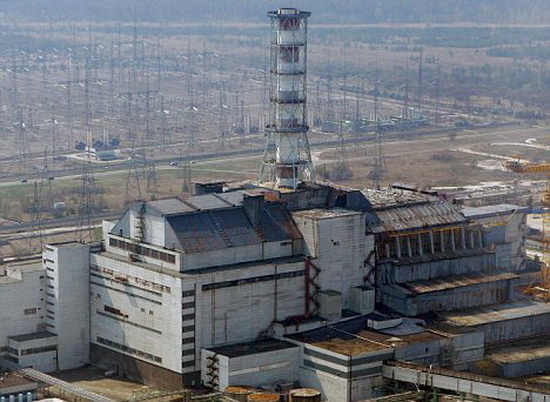
*What can I see there?* An abandoned nuclear power station and some very
interesting wildlife.
*What's so bad about it?* he radioactivity, the spiralling cancer rates,
the deformed children, the sense of decay and the lingering reminders that
some of the city's inhabitants didn't get out in time. The whole place is a
grim reminder of the consequences of human error.
*History.*  The city of Chernobyl had a rich religious history, and started
life as a hunting lodge in *1193*.
*Population.* Around five hundred people never evacuated after the disaster.
*How do I get there?* Travel to the Ukraine and go on a carefully
supervised tour of the vicinity. Visitors have been able to get quite close
to Chernobyl and the nearby abandoned city of Pripyat, but it's only this
year that the trips have been legitimate.

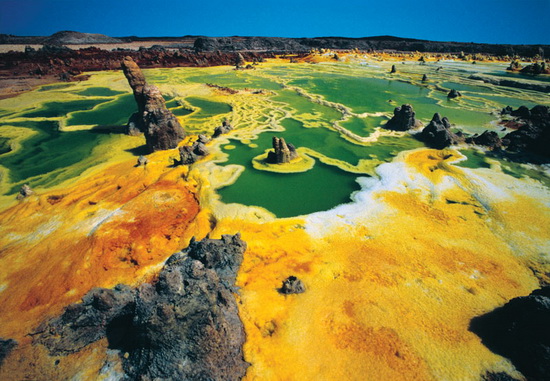
*5. Dallol, Ethiopia*

<http://3.bp.blogspot.com/-fUdpqWaIWjM/TqhZqy5ZzsI/AAAAAAAABVE/WLZNsoLiIPg/s1600/ETH08_1225.JPG>
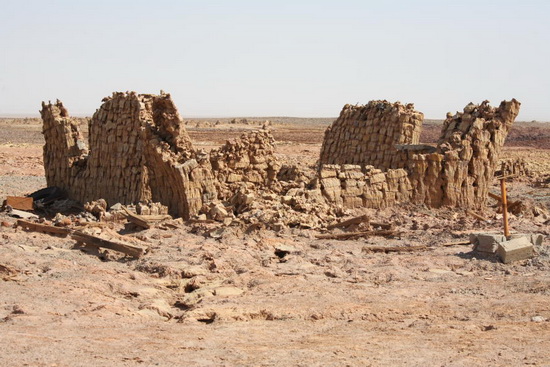
 *Walls
of house made of salt blocks*.
*Where is it?* The Afar region of Ethiopia
*What's so bad about it?* The perishing heat. Dallol holds the record for
the highest average temperature ever recorded at an inhabited part of the
globe (34°c over the course of a year).
*History.* A railway ran from Dallol to Eritrea in *1918* and potash was
mined in the area. Now, the area is mined for table salt instead.

<http://4.bp.blogspot.com/-nqcZiHRcyQo/TqhUBjQIuvI/AAAAAAAABUk/xUYRFki1m3M/s1600/POST.jpg>

<http://www.travelshackblog.com/2010/07/hottest-place-on-earth-dallol-ethiopia.html>
*Population.* A handful remain to hunt for salt, but most have abandoned
Dallol for good.
*How do I get there?* Dallol is one of the most remote places on Earth. Fly
to Ethiopia, drive as far as you can into the desert, and then take a camel
for the remainder of the long, arduous journey.

*4. Norilsk, Russia*

<http://4.bp.blogspot.com/-xJZFOJlMwsc/TqhcJFUP_HI/AAAAAAAABVM/huL9_QE4uOY/s1600/arbeit30772.gif>
 <http://www.payer.de/arbeitkapital/arbeitkapital0307011.htm>
*Where is it?* The northernmost city in Siberia.
*What can I see there?* An absence of trees due to relentless pollution.
*What's so bad about it?* The pollution. The area is home to nickel ore
smelting, and produces *1%* of the whole planet's sulphur dioxide
emissions. There are no trees living within *48km* of one of the main
smelters, due partly to toxic rain from the four million tons of metals and
poisons released into the air every year.
*History.* Founded in 1920, but rose to prominence as the centre of the
Norillag labour camp in 1935. It was host to the Norilsk uprising, the
first significant revolt in a gulag.
*Population.* *175,300* people call Norilsk home.
*How do I get there?* Get a visa from the Russian embassy and fly to
Moscow. From there, travel across land.

*3. Darfur, Sudan*
*What can I see there?* A vast, geologically diverse landscape about the
size of Spain.
*What's so bad about it?* Relentless conflict spanning more than half a
century has resulted in enormous loss of life and millions of refugees.
Since 2003 alone, more than *300,000 civilians* have been killed and nearly
3m people have been 'displaced' - that is, their homes burned down by the
Janjaweed. The refugee camps are among the most dangerous places on Earth
in terms of rape and physical violence.

<http://1.bp.blogspot.com/-tR31bIDewHc/TqhfUIsh-NI/AAAAAAAABVc/U-Be_zvsX4Q/s1600/darfur-01.jpg>
 *
<http://www.blackagendareport.com/?q=category/africa/darfur>*
*History.* It's an ancient land but has never supported a very large
population. During the First World War, the British Empire incorporated it
into Sudan. That's probably where the problems started.
*Population.* There were *6m people* living in Darfur in 2004 - how many
are still alive is unknown.
*How do I get there?* You'll need to be working for an NGO of some sort, or
possibly the UN. Travel in this region is dangerous, time-consuming and
uncomfortable.

*2. Baku, Azerbijan*

<http://3.bp.blogspot.com/-AOMWTRsyaEo/TqhlVvb_7TI/AAAAAAAABVk/NFv7gEtqcG8/s1600/2316862585_dcdb807a15_z.jpg>
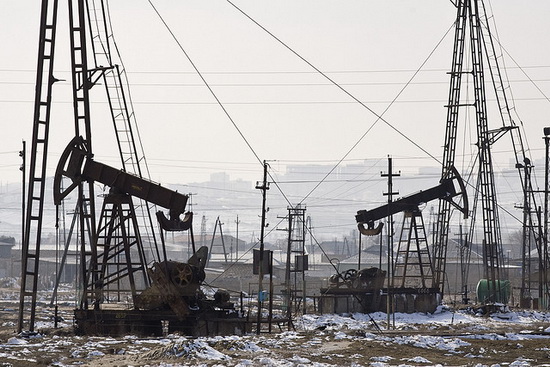
 *Baku,
Azerbaijan -  Since 1872, the area in and around Baku has been dominated by
the oil industry, as evident by the countless oil pumps and drilling rigs
that crowd the landscape.*
*What can I see there?* There are some memorials to people who lost their
lives in the race riots here.
*What's so bad about it?* It's one of the most polluted places on Earth. It
was the hub of Soviet industry and petrochemical research, and has the
health problems to prove it - cancer rates are *50%* higher than average
here, and birth defects are commonplace. In the last two decades, the
government of Azerbaijan has made many efforts to *solve environmental
problems*.

<http://1.bp.blogspot.com/-FvL-J0g0g6U/TqhmKSIujcI/AAAAAAAABVs/UQMEvmCFDik/s1600/2.jpg>
 *A
gloss of oil and chemicals sheens standing water in an oil field near Baku.
Runoff from the fields has rendered local streams, lakes and ponds
biologically dead.*
*History.* The Soviets started building industry here in *1935*.
*Population. 2.000.000*
*How do I get there?* It is possible to travel there by plane.

*1. Vozrozhdeniya Island, Kazakhstan/Uzbekistan*

<http://2.bp.blogspot.com/-B00xDYvUHrk/TqhwHhYHKKI/AAAAAAAABWM/2W5JsFX8eXg/s1600/5710622154_f663bf1d1b_z.jpg>
 *
<http://www.rockhoundstation1.com/EARTHWATCH04.html>*
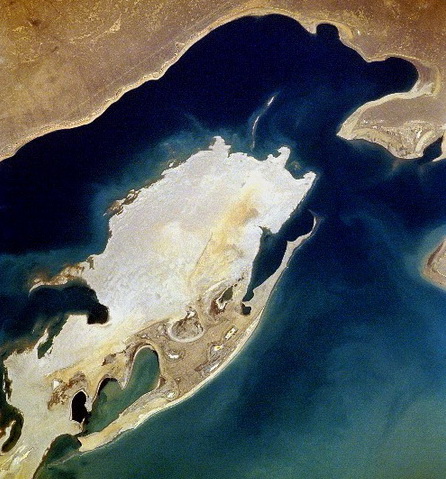
*Where is it?* In the Aral Sea, an area drained by mismanaged Soviet
irrigation plans. The island is now a sort of peninsular, shared by
Kazakhstan and Uzbekistan.
*What can I see there?* An abandoned settlement in an arid, lifeless
landscape. The drying of the Aral Sea (arguably the worst environmental
disaster in the history of humankind) left countless boats high and dry.
Their skeletal remains are visible in the middle of what is now a desert.

<http://3.bp.blogspot.com/-fwZO9B61o_M/Tqhr5JpMBJI/AAAAAAAABWE/XWjVO6TwlEI/s1600/Vozrozhdeniya-Island-3.jpg>
 <http://www.sleazemag.de/2011/09/vozrozhdeniya-island/vozrozhdeniya-island-3/>
*What's so bad about it?* It was the site of Soviet biowarfare experiments.
The whole area is contaminated with anthrax, smallpox and bubonic plague.
Local rodents are thought to have picked up some super-resilient strains of
these diseases.
*History.* The laboratory was established in *1948*. At its height, the
facility housed *1,500 people*.
*Population.* *Uninhabited*. The site was completely abandoned in *1992*.
*How do I get there?* *Don't ever go there.*

--
You received this message because you are subscribed to the Google Groups
"Thatha_Patty" group.
To unsubscribe from this group and stop receiving emails from it, send an email
to [email protected].
For more options, visit https://groups.google.com/groups/opt_out.