*Click on the images to see them in full size*

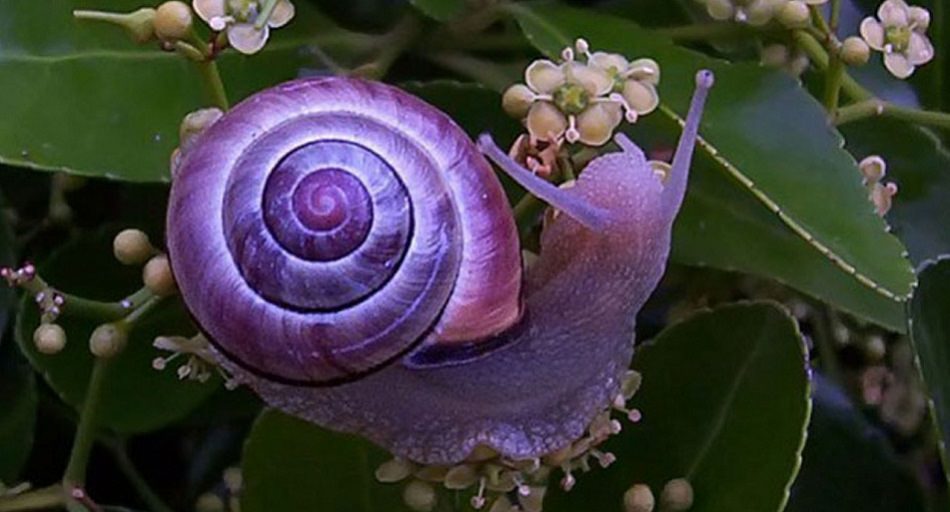
*1. The Violet Snail (Janthina Janthina)*
[image: amazing photos of beautiful animals]
<http://en.bcdn.biz/Images/2016/5/18/22ebafa1-dfb6-4de3-95ef-516c4a1f0cb7.jpg>The
violet snail spends its life drifting on the ocean surface in warm seas,
feeding on jelly fish. Surprisingly it starts its life as a male and
changes to a female over time. Its shell is smooth and violaceous, with a
paler upper surface. The height of its shell measures up to 1.5 inches in
height and 1.6 inches in width.
*2. Pink Orchid Mantis *
[image: amazing photos of beautiful animals]
<http://en.bcdn.biz/Images/2016/5/18/a0c9f72a-b845-46a9-9830-866e7e489714.jpg>The
pink orchid mantis resides in the rainforests of Southeast Asia.
Characteristically colorful, the mantis alters between pink and brown,
depending on the color of its background. And as its name implies, it
expertly duplicates parts of the orchid flower.
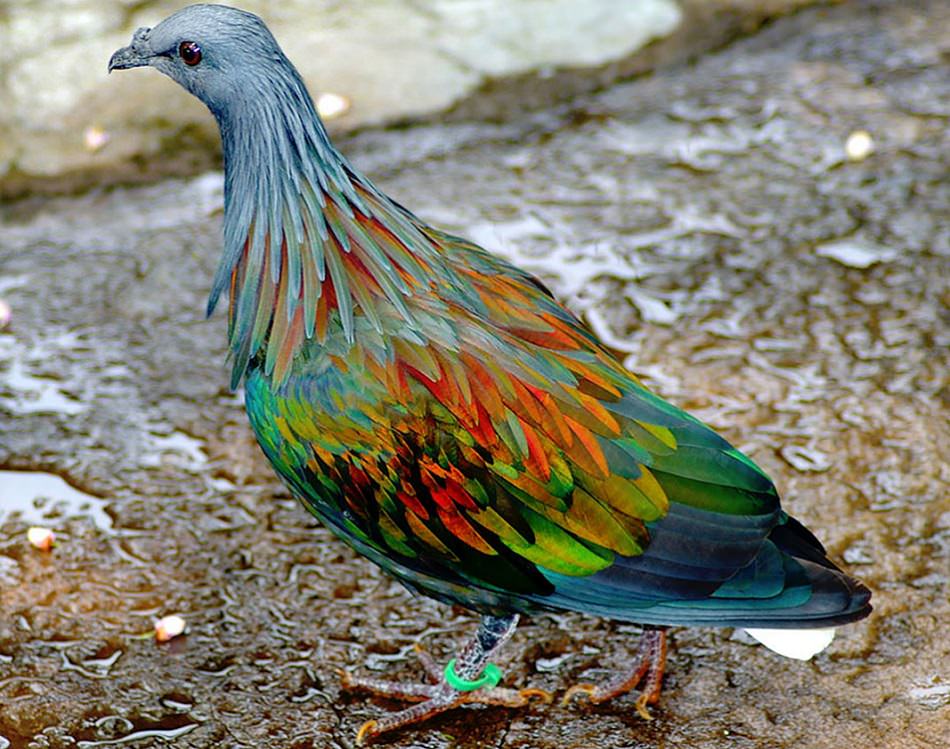
*3. Nicobar Pigeon*
[image: amazing photos of beautiful animals]
<http://en.bcdn.biz/Images/2016/5/18/64a3711e-2148-4784-864b-1822fb4d6020.jpg>The
Nicobar Pigeon is the closest living relative of the extinct dodo. The
pigeon is relatively large, measuring 16 inches in length. Females tend to
be slightly smaller than the males.
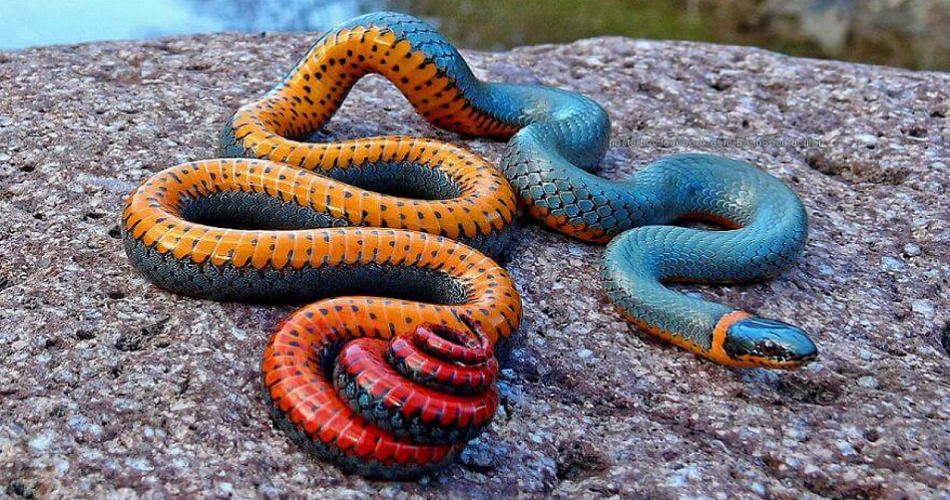
*4. Regal Ringneck Snake*
[image: amazing photos of beautiful animals]
<http://en.bcdn.biz/Images/2016/5/18/7c1deb18-df98-4a97-83fa-db4a036fdce4.jpg>This
snake is found in south-western United States and northern Mexico. Like
most brightly-colored animals, this snake is the most venomous of all
ringneck snakes. Its venom is incredibly potent, and works within a matter
of minutes, paralyzing victims, to make them easier to consume. It usually
feeds on lizards.
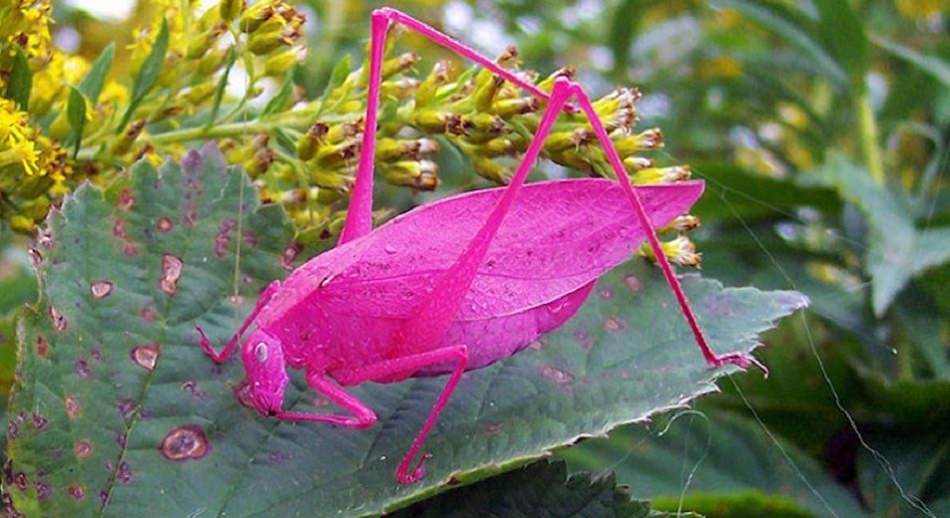
*5. Pink Katydid*
[image: amazing photos of beautiful animals]
<http://en.bcdn.biz/Images/2016/5/18/58193a89-31ab-4610-8e47-58586c5a36f1.jpg>You're
probably wondering where the Pink Katydid got its unusual name from. While
it may sound like a scientific designation, its name is actually due to the
noise that the insect makes, forming a song of sorts: 'katy did katy didn't
katy did'. There are many species, some look like leaves or other
shrubbery, while others have evolved to look like slime mold. Surprisingly,
the pink katydids do not stand out quite as much as you would expect. It is
often camouflaged among pink flowers.
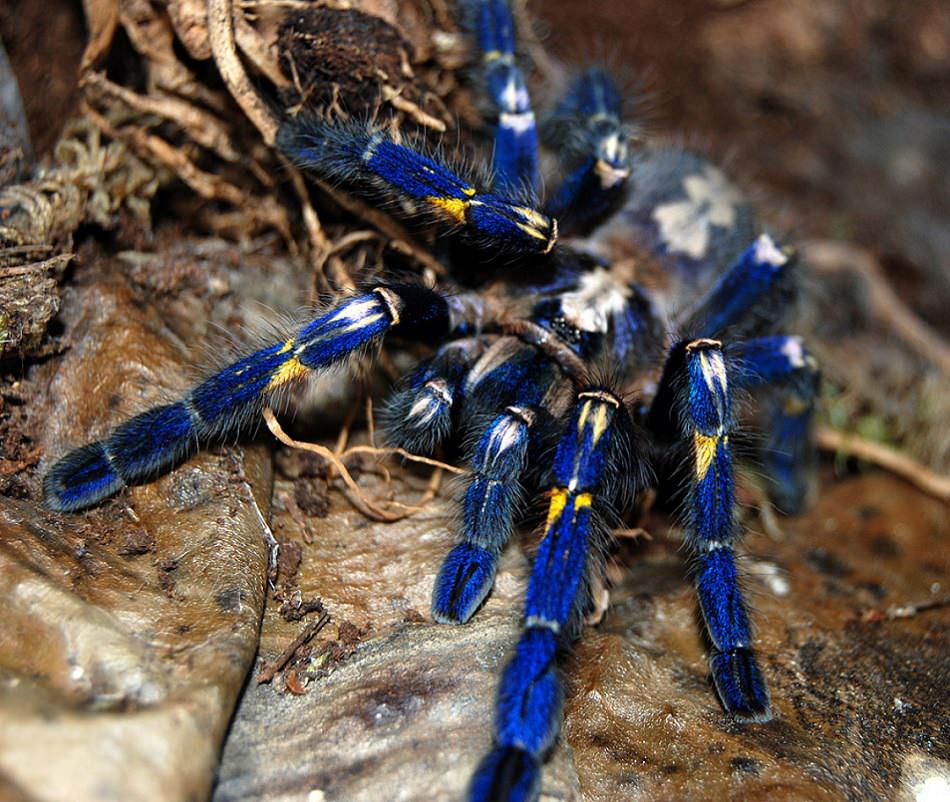
*6. Cobalt Blue Tarantula*
[image: amazing photos of beautiful animals]
<http://en.bcdn.biz/Images/2016/5/18/ca4a9bbb-bd20-4199-9de4-379375a47fd4.jpg>Though
named cobalt blue, this tarantula actually appears black to the naked eye.
Only upon closer inspection or under red light does its stunning bright
blue color become apparent. Most other tarantula species are armed with
stinging hairs on their abdomens which they flick at their enemies. Yet the
cobalt blue relies solely on vertical fangs, which can inflict a painful
bite.
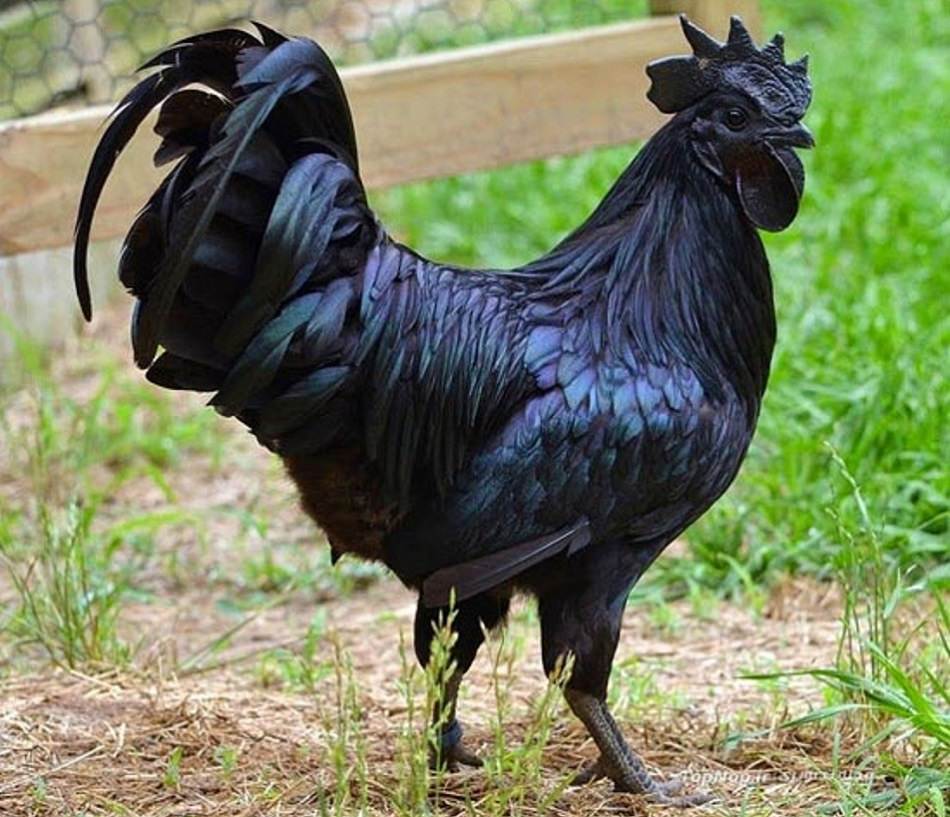
*7. Ayam Cemani Rooster*
[image: amazing photos of beautiful animals]
<http://en.bcdn.biz/Images/2016/5/18/ebf7f3ef-d905-4a7c-9834-1422f2ce092b.jpg>This
rare breed is completely black, from head to toe. Incredibly, its meat,
bones, and organs are also black. In fact its considered a luxury breed.
Just one chicken fetches between $2000 to $2500.
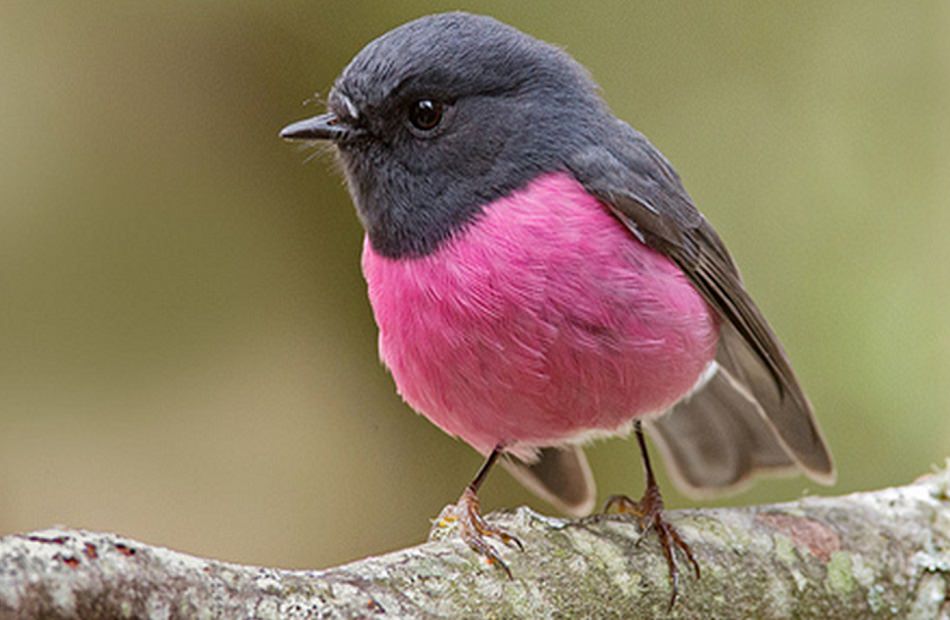
*8. Pink Robin*
[image: amazing photos of beautiful animals]
<http://en.bcdn.biz/Images/2016/5/18/f1f7dada-b365-41cd-801f-b5c1631bb206.jpg>This
small tubby bird, found in south-eastern Australia, is known to be quieter
than other robins. Weighing just 0.35 oz, this robin species displays
striking sexual dimorphism, where only the males are decorated in pink,
framed by a smoky black throat, head, and back. The females are far more
subdued.
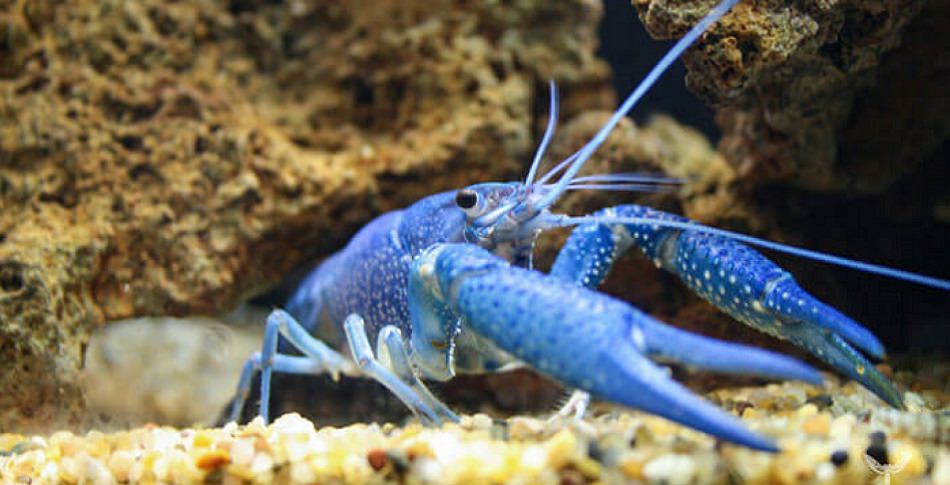
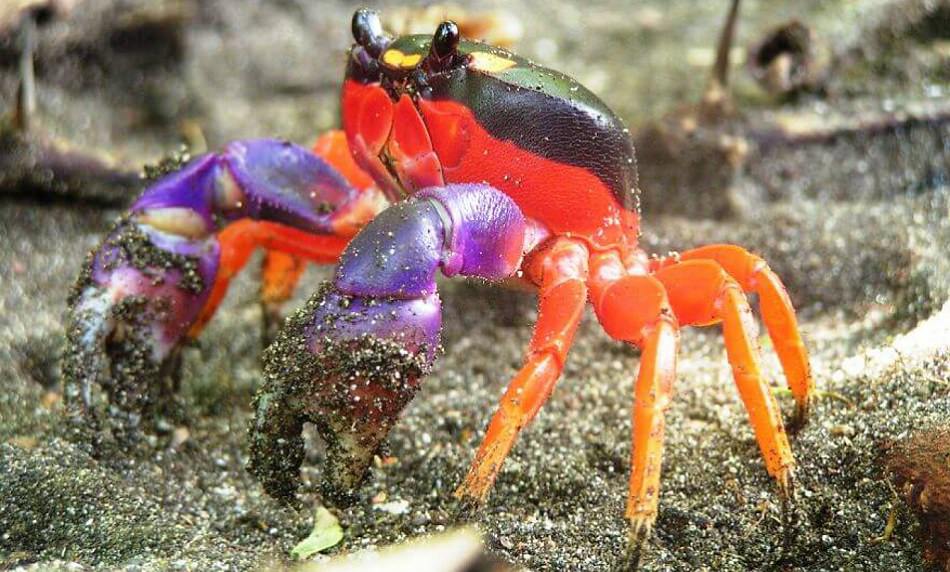
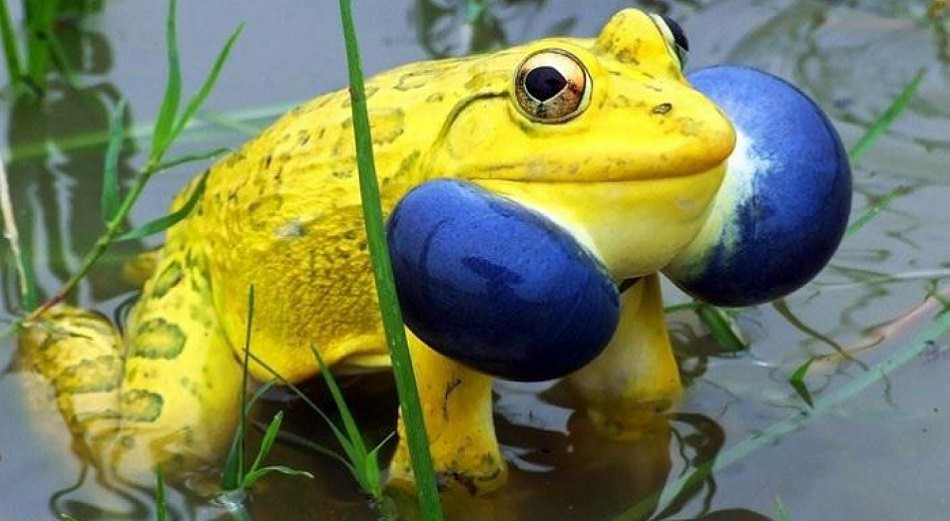
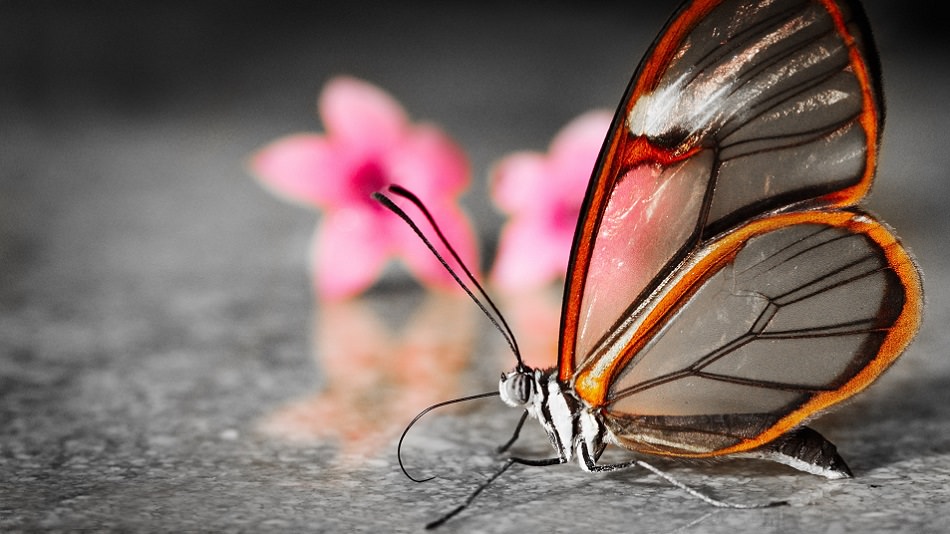
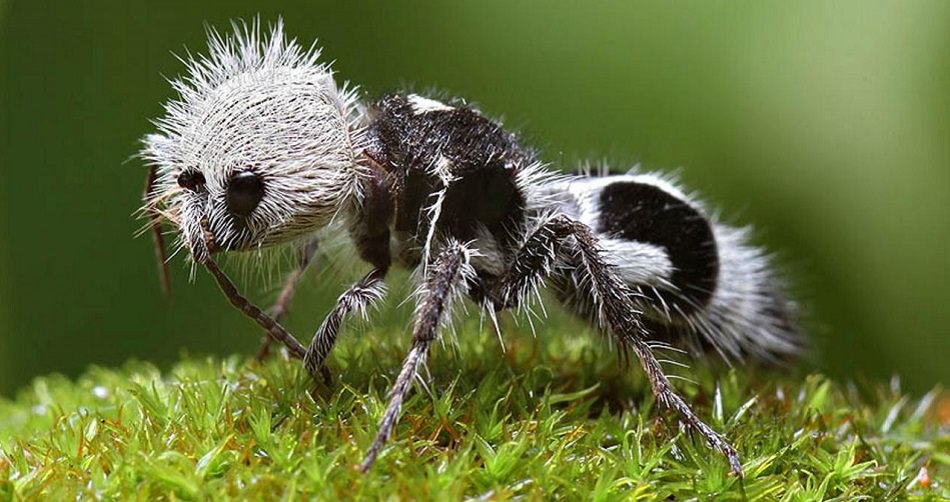
*9. American Lobster* [image: amazing photos of beautiful animals] <http://en.bcdn.biz/Images/2016/5/18/15790bb1-9bbd-448e-9687-7b9cd75c250b.jpg>This species of lobster is found on the Atlantic coast of North America. It can reach a body length of 25 inches and has a body mass of over 40 lbs, making it one of the heaviest crustaceans in the world. They are usually bluish green to brown with red spines. Other color variations have also been observed. *10. The Halloween Moon Crab* [image: amazing photos of beautiful animals] <http://en.bcdn.biz/Images/2016/5/18/39f699fa-ef2f-4ee6-9446-0534cdb3c362.jpg>This crab sports a brilliant mask that has inspired other nicknames, including Moon Crab, Mexican land Crab, and Mouthless Crab. They occupy coastal Mexico and Central America regions and can be found as far south as Peru. Halloween crabs spend most of their time on land, returning to the water to lay their eggs. *11. The Indian Bull Frog* [image: amazing photos of beautiful animals] <http://en.bcdn.biz/Images/2016/5/18/51b83669-6f0a-45eb-a93c-aa08c56907c6.jpg> This frog has attracted much attention for one main reason - its incredible mating colors. A male Indian Bullfrog will turn bright yellow with bright blue vocal sacs. It is also believed that this frog is capable of jumping on the surface of the water, as they would on land, when they are frightened. *12. Red-Cheeked Cordon-Bleu* [image: amazing photos of beautiful animals] <http://en.bcdn.biz/Images/2016/5/18/4380df2f-39e5-4460-b1bb-ef236c17608b.jpg>These small yet attractive African finches, with bright red cheeks (hence the name) and sky-blue plumage details are typically found in the drier regions of tropical sub-Sahara Africa, where they are common and widespread. This bird is generally peaceful and quiet but can get incredibly protective of its nest. *13. A Glasswing Butterfly* [image: amazing photos of beautiful animals] <http://en.bcdn.biz/Images/2016/5/18/261f5c2c-05e6-4116-83b3-d60def13236b.jpg>As you have probably guessed, the glasswinged butterfly gets its name due to its transparent wings, which barely reflect any light. By appearing invisible, this butterfly is protected from preying birds, toads, and rats. Birds especially struggle to track the glasswing butterfly while it is in flight. *14. Poodle Moth* [image: amazing photos of beautiful animals] <http://en.bcdn.biz/Images/2016/5/18/86d346ee-5ec1-4ed0-b871-181555cd838a.jpg>While most mammals have hair to keep their body temperature stable, insects do not have hairs for this reason. Insect hairs (setae of chaeta) serve many functions: sensing the environment, for smelling, and they are also a defense mechanism against predators. *15. Panda Ant* [image: amazing photos of beautiful animals] <http://en.bcdn.biz/Images/2016/5/18/a77df78e-2e5f-433d-9c61-1aaad48a8216.jpg>Though so called, they are actually not ants, but wasps. And, as you've probably guessed, they get their panda nickname from their black and white color. The females often tend to be wingless, incredibly large (though the males are larger) and covered in fur. While they may have a charming appearance, they have a terribly nasty sting. In fact, they are often called 'cow-killer' because they are capable of knocking out a cow or other animals that are a lot larger than they are. <http://www.ba-bamail.com/content.aspx?emailid=25449#like> <http://www.ba-bamail.com/content.aspx?emailid=25449#like> *Circulated by,* *K.Raman.* __,_._,___ -- You received this message because you are subscribed to the Google Groups "Thatha_Patty" group. To unsubscribe from this group and stop receiving emails from it, send an email to [email protected]. For more options, visit https://groups.google.com/d/optout.