On Saturday, May 20, 2017 at 5:58:14 PM UTC-7, William Hermans wrote:
>
>  I do not understand why you would have "field people" playing around with
> hardware overlays though. Once your hardware is finalized, it should never
> change. Which is one small reason why I personally find Universal IO
> unnecessary for my own purposes.
>
I can explain that..

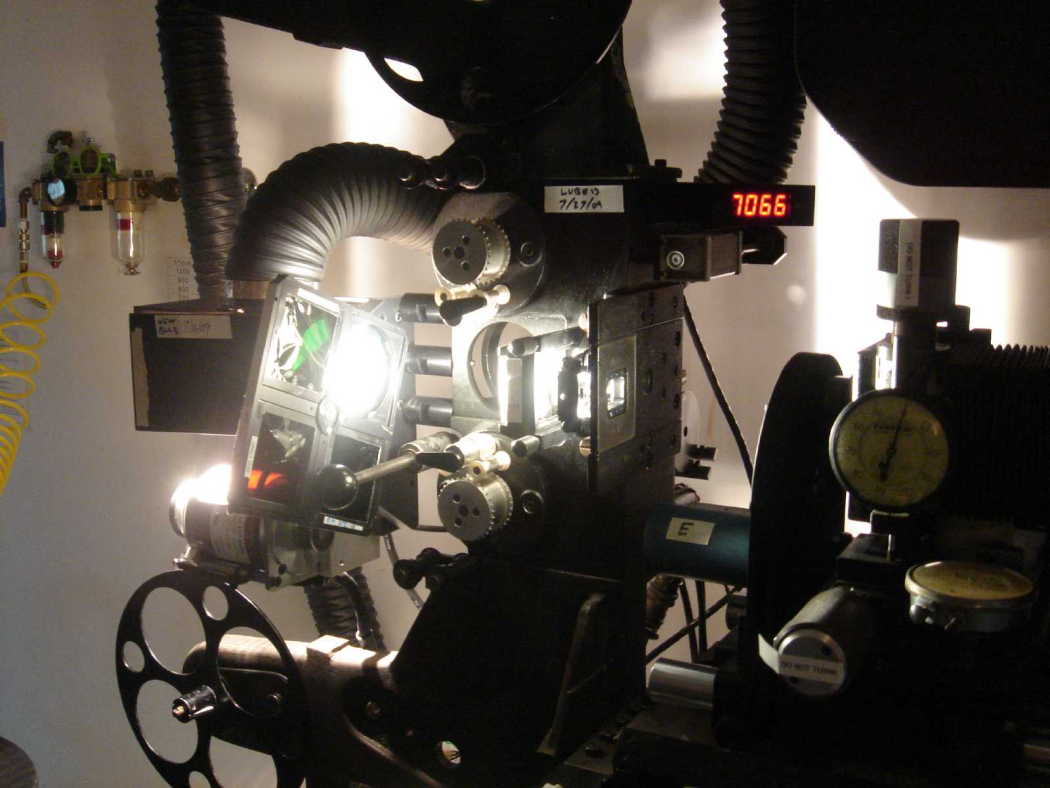
In my case I'm supplying computer software/hardware packages to control old
film equipment called optical printers
<https://en.wikipedia.org/wiki/Optical_printer>. These are heavy iron
monsters with lots of big AC running throughout. They used to be used for
special
effects <https://youtu.be/qwMLOjqPmbQ?t=60>, but are now used mainly for
film restoration, conversions, and archival. These machines used to be
manually run and used mechanical transmissions, and were slowly
computerized during the 80's when stepper motor control became popular.

The situation is my software/hardware combo is a starting point, and local
engineers usually wire it all up, as there's a lot of AC 115 and 220 being
controlled by the interface software.

They will be the ones that define whether they need to assign some of the
GPIO bits for input or output, assigning them to either monitor motor
homing sensors <http://seriss.com/opcs/install/omron.html>, or outputs to
control custom filter wheels
<http://seriss.com/opcs/disney-printer-07-31-2009/printer1-pro-head-filter-wheel.jpg>,

timing lights and film tension motors. Config files
<http://seriss.com/cgi-bin/opcs/opcs-view.cgi?docs/home> on the computer
define what are inputs and outputs my software controls. And during
shooting, they might need to add a motor. Or a motor might crap out, and so
to limp through production they'd need to disable one of the outputs on the
fly and use it for some other purpose.

That's the application, anyway.. it has to be field modifiable, it's not a
fixed design, i.e. not a "cape".

I used to (and still use) DOS machines with ISA GPIO cards
<http://www.decision-computer.de/Produkte/8255/8255-N-e.html> (usually 8255
based), and DOS software I wrote back in 1987 (mostly C, some 8086 assembly
as the DOS device driver for the stepper motors), some of my company's
custom hardware
<http://seriss.com/opcs/docs/parallel-port-interface/rev3/ReadMe.html>, and
some third party
<http://www.kupercontrols.com/Kuper/Products/Kuper2001/K2001.html>
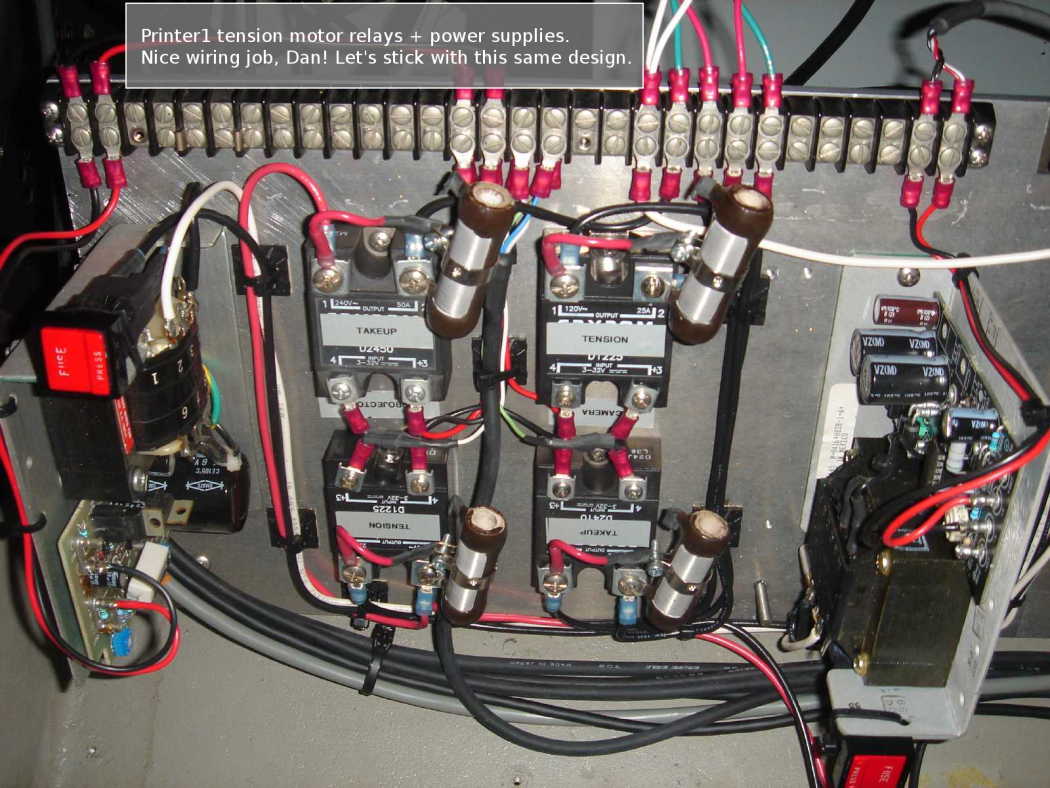
hardware. And the customer often supplies their own hardware
<http://seriss.com/opcs/disney-printer-07-31-2009/printer1-crydom-relays-leak-resistors-power-supplies.jpg>

that I help them design by supplying recommended wiring diagrams
<http://seriss.com/opcs/disney-printer-07-31-2009/> and sometimes have to
get in there with a soldering iron if their own folks aren't available
(often hired independent contractors). These are the folks that have to be
able to edit files on their own.

I do a lot of other software that pays the bills, but this particular old
school project is a bit more hardware oriented, and DOS is showing its age
(as are the ISA cards), so I'm hoping to port this whole thing to a
beaglebone black, which can replace the DOS machine and 3rd party stepper
card which is becoming hard to come by.
<http://www.kupercontrols.com/Kuper/Products/RTMC48/RTMC48_Update.htm>

--
For more options, visit http://beagleboard.org/discuss
---
You received this message because you are subscribed to the Google Groups
"BeagleBoard" group.
To unsubscribe from this group and stop receiving emails from it, send an email
to [email protected].
To view this discussion on the web visit
https://groups.google.com/d/msgid/beagleboard/a50f5bb5-13c3-430d-b01b-99e1df4dc9a9%40googlegroups.com.
For more options, visit https://groups.google.com/d/optout.