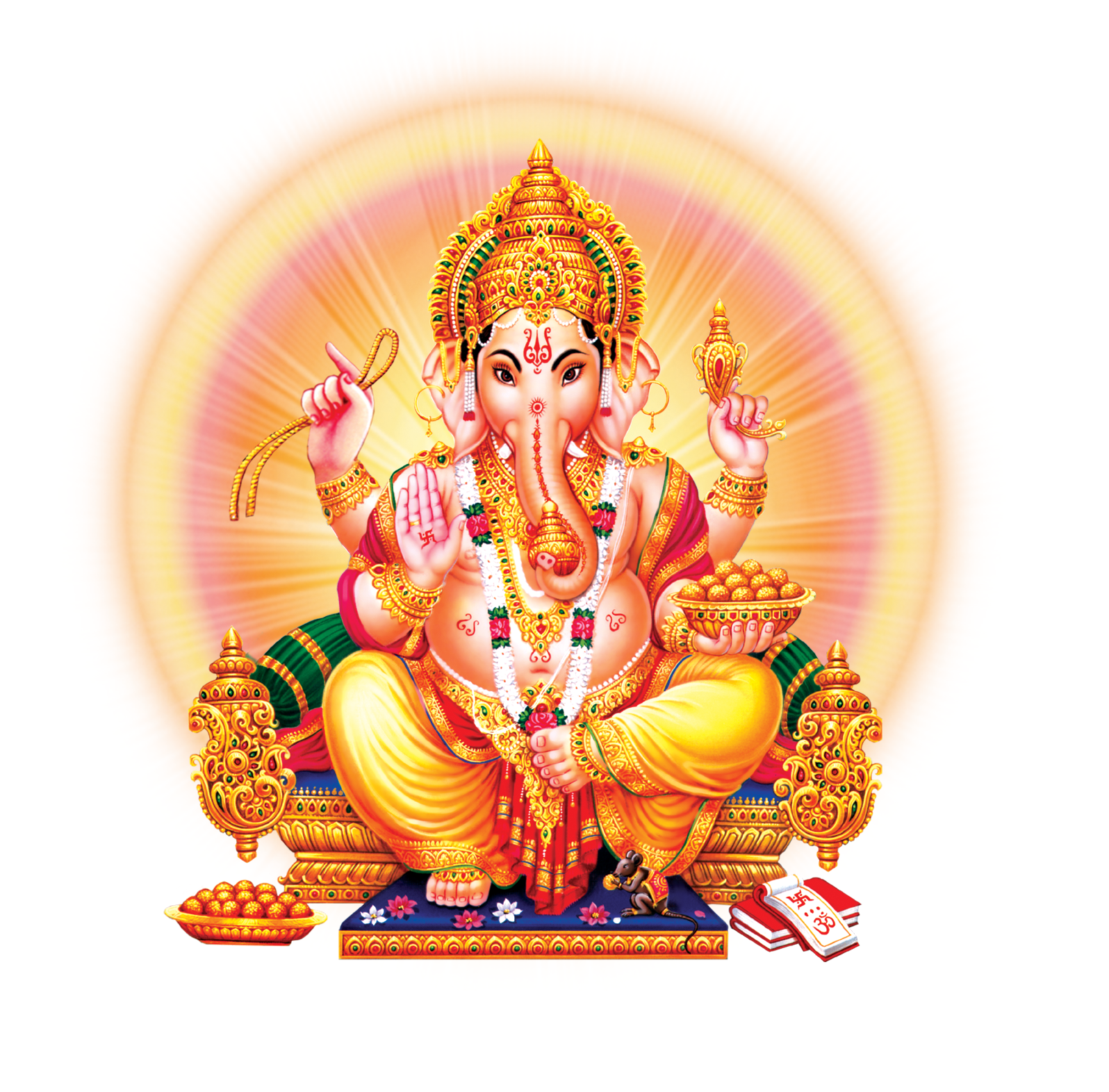
Sri Sathya Sai tells us ‘The Essence of the Vinayaka Principle’


<http://4.bp.blogspot.com/-5nHZefI2j4A/U_6Ekv0Em5I/AAAAAAAAE0s/ifsICD-zq3A/s1600/DISCOURSE.png>


The world has many exemplary leaders, but none like Vinayaka. He is also called
Vigneshwara, because he is regarded as the presiding deity for obstacles. Even
as Yama is the presiding deity for births and deaths, the grace of Ganapathi
removes all obstacles. Ganapati means the Lord of Ganas. He is the Lord of
Sound and has the form of Om (Pranava). What is the esoteric meaning of
Ganesa's elephant head? The elephant is noted for its acute intelligence.
Ganesa's elephant head symbolises sharpness of intellect and the highest power
of discrimination. Because of the purity of his intellect, Vinayaka is also
called the giver of Buddhi (intellect). He responds to the prayers of devotees
and hence he is known as Siddhi Vinayaka (the Vinayaka who grants what is
sought).


Once Vyasa embarked upon writing the Mahabharata. Because of immensity of the
task of writing down millions of verses, Vyasa sought the help of Brihaspati,
the preceptor of the Devas, for a suitable scribe. Brihaspati told Vyasa that
none but Vinayaka could carry out the work. Vyasa appealed to Vinayaka for aid.
Vyasa stipulated that everything that was written should be understood by the
scribe. Ganesha, in his turn, laid down a condition that Vyasa should not pause
in dictating the verses so that the stylus with which he would be inscribing
the verses on the palm leaves should have no rest. Vinayaka could write down
the entire Mahabharata because he was the embodiment of all knowledge. Vyasa
could accomplish his prodigious task with Ganesha's aid.


Significance of placing Vinayaka in forefront

The mouse is Ganesha's vehicle. The mouse is a clever and lively creature. As a
symbol it: means that we should be clever and diligent in our actions. There is
special significance in placing Vigneswara in the forefront before embarking on
any undertaking. In a forest, when an elephant moves through the jungle, it
clears the way for others to follow. Likewise, by invoking Ganesha, the path is
cleared for our undertakings. The elephant's foot is so large that when it
moves it can stamp out the footprints of any other animal. Here, again, the
symbolic meaning is that all obstacles in the way will be removed when Ganesha
is accorded the place of honour. The journey of life is made smoother and
happier by the grace of Ganesha.


On Vinayaka Chaturthi day, students place books in front of the Ganesha idol
and offer worship. They pray to the deity to illumine their minds. Hence
Ganesha is known as "Buddhi Pradayaka", one who grants intelligence. No one
should regard Ganesha as uncouth because of his elephant head and his immense
belly. Vinayaka is a deity who encompasses the universe within himself. He is a
deity of infinite potency. Vigneswara is described as one wearing a white
cloth. His body is ash-grey. He is depicted as having four arms and a cheerful
countenance. The white cloth signifies purity of mind and heart. By worshipping
Him, you must endeavour to achieve similar purity. Vinayaka always appears
serene and calm. By his grace, the devotee must seek to achieve similar
equanimity, whatever may be the ups and downs in life.


Divine Discourse in the Sri Sathya Sai Hostel, Prasanthi Nilayam, September 4,
1989.

--

---
You received this message because you are subscribed to the Google Groups
"saimsg" group.
To unsubscribe from this group and stop receiving emails from it, send an email
to [email protected].
For more options, visit https://groups.google.com/d/optout.