Hello Time-Nuts,
I recently acquired a stock of dead cesium beam tubes, and my
curiosity got
the best of me, so I have cut one open. After watching lots of
YouTube
video of burning and exploding cesium I was a little leery at first.
The
first step was to make a very small hole just to let a small amount of
air
in, no flames or heat so I let it sit for a while for any reactions
with
air to take their course. Next I proceeded to cut off the ends, and
after
that the bottom of the unit, finally I trimmed the top off as far as I
could. Pictures are linked below for your enjoyment. I have attached
two
of the before and after at low resolution.


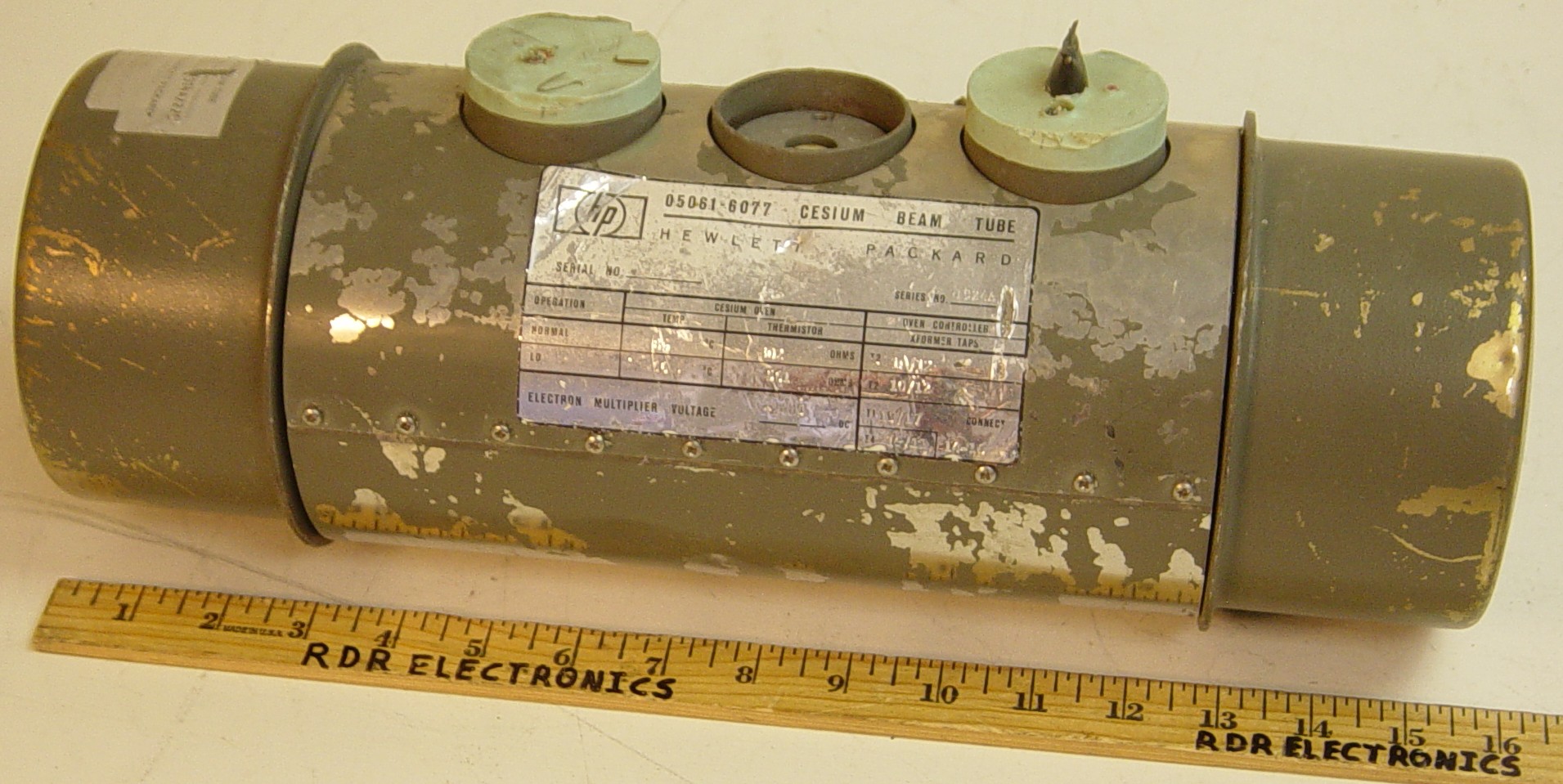
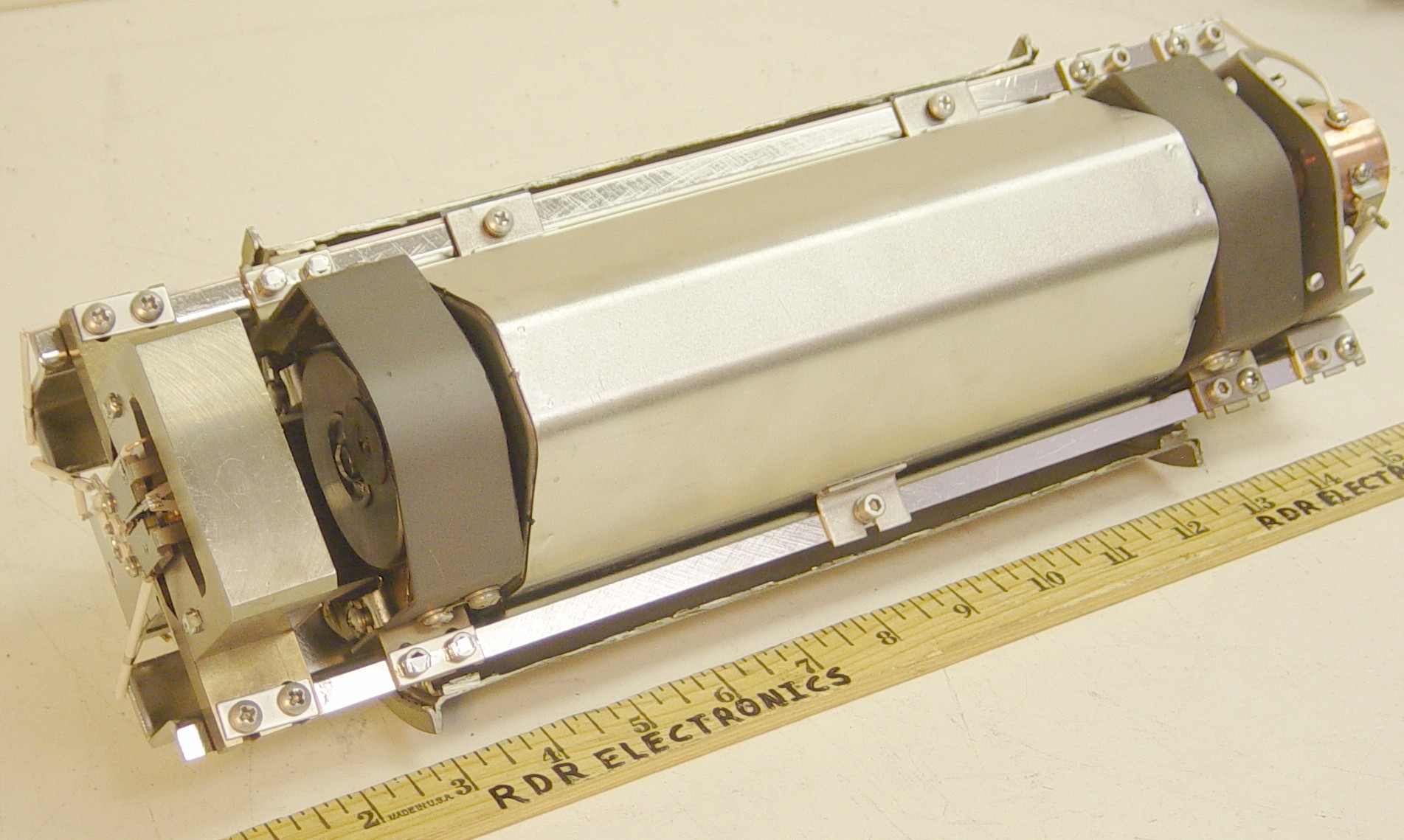
1. http://www.rdrelectronics.com/skip/CS-tube/cstube1.jpg
This is the before picture of a tube (not the actual one opened). It
is HP
part number 05061-6077. The band around the center of the tube is a
mu
metal shield that is removed by removing the screws along the seam.
Unfortunately
11 of the 14 tubes that I received had the cables cut as shown
(ouch!).
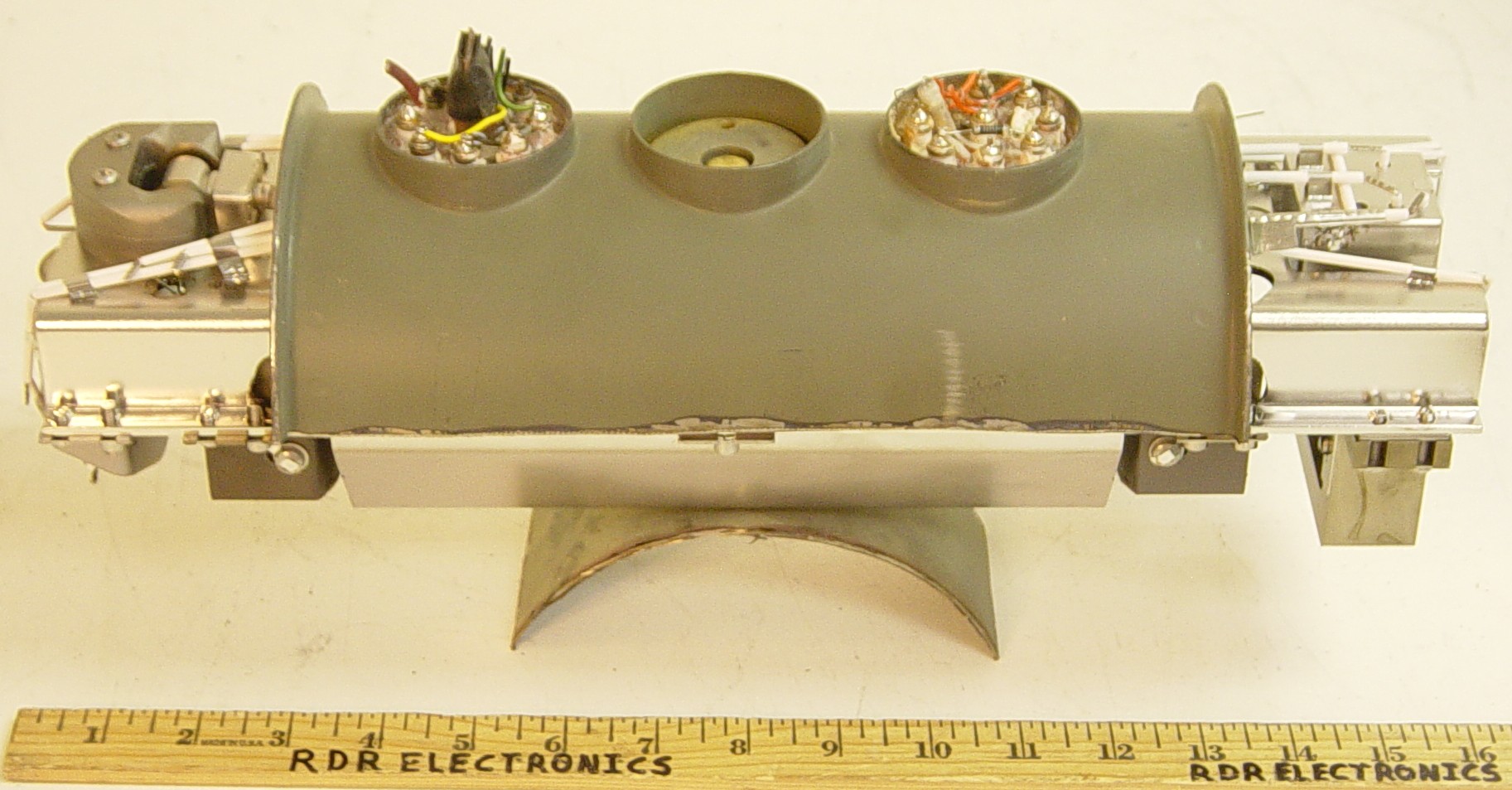
2. http://www.rdrelectronics.com/skip/CS-tube/cstube2.jpg
This is a shot of the deconstructed tube. The cesium oven is on the
left,
the microwave cavity is in the center (under a metal cover), and the
detector is on the right.


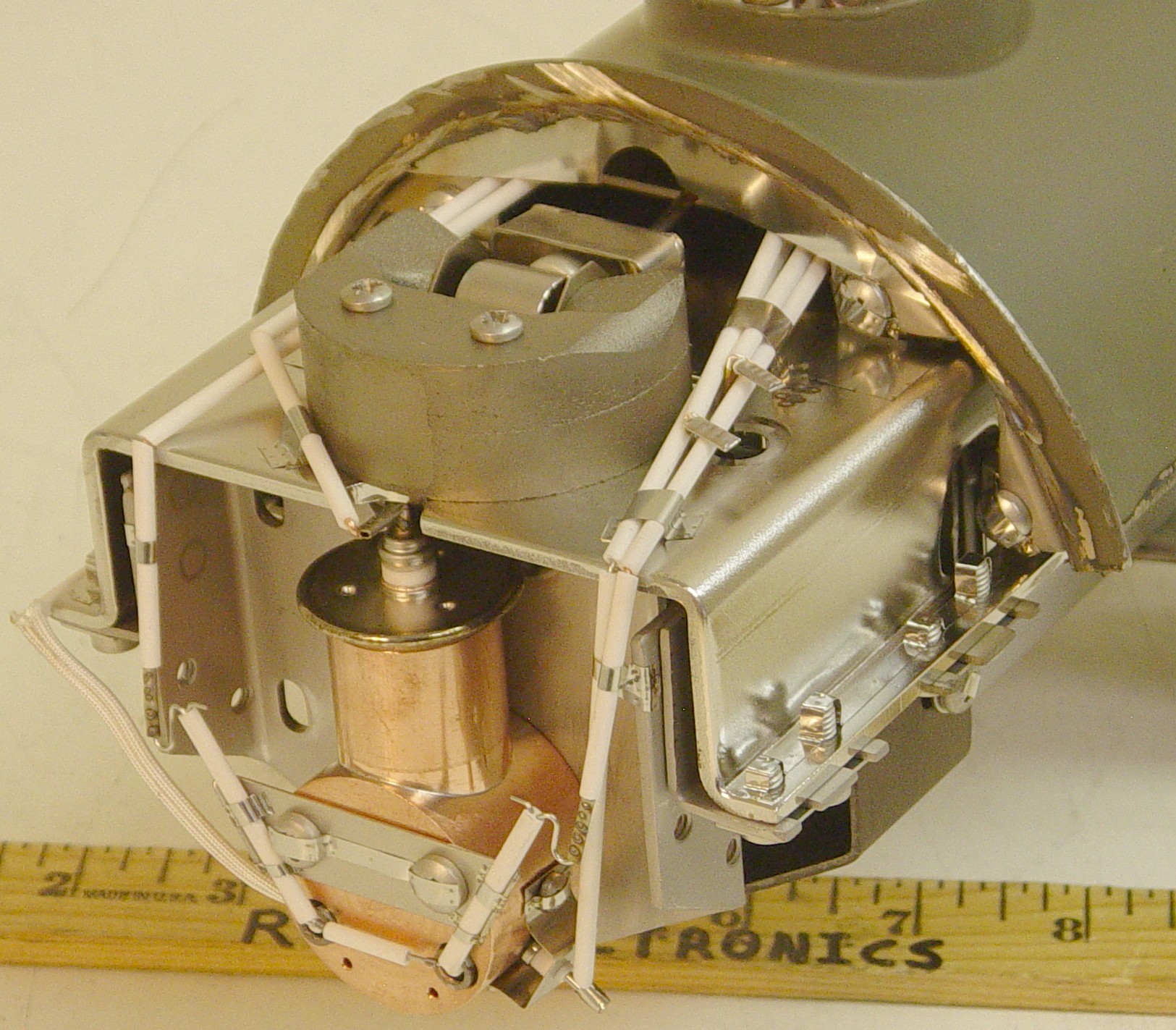
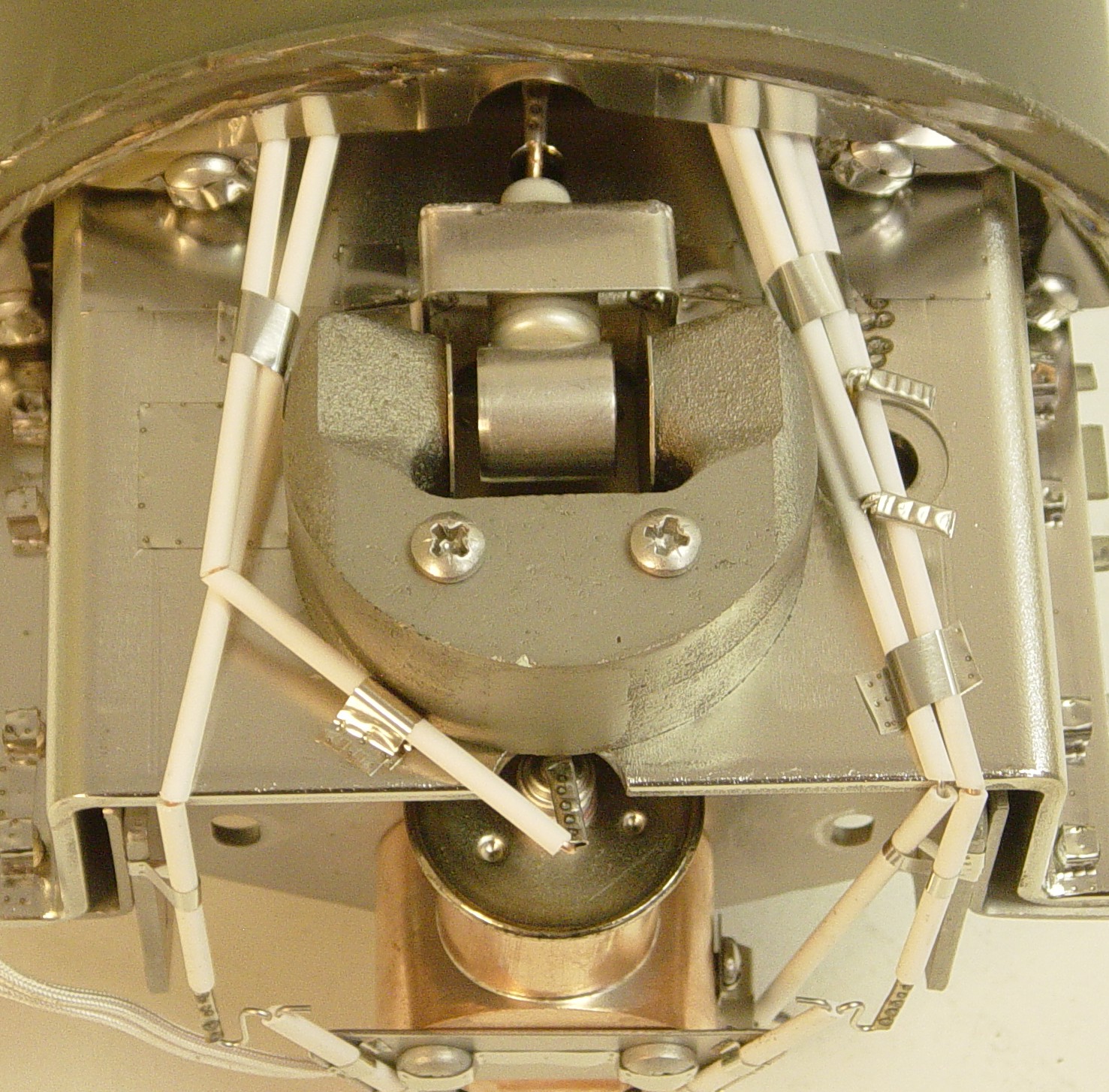
3. http://www.rdrelectronics.com/skip/CS-tube/cstube3.jpg
This is the oven end of the tube. The oven (with the cesium) is the
copper
vessel. The ion trap assembly is at the top (with magnet). The first
beam
magnet is between the oven and the microwave cavity. One thing that I
can
say is that HP brought the art of spot welding to a new level. Note
the
stainless steel strips welded over the screw heads (and lots of other
things).


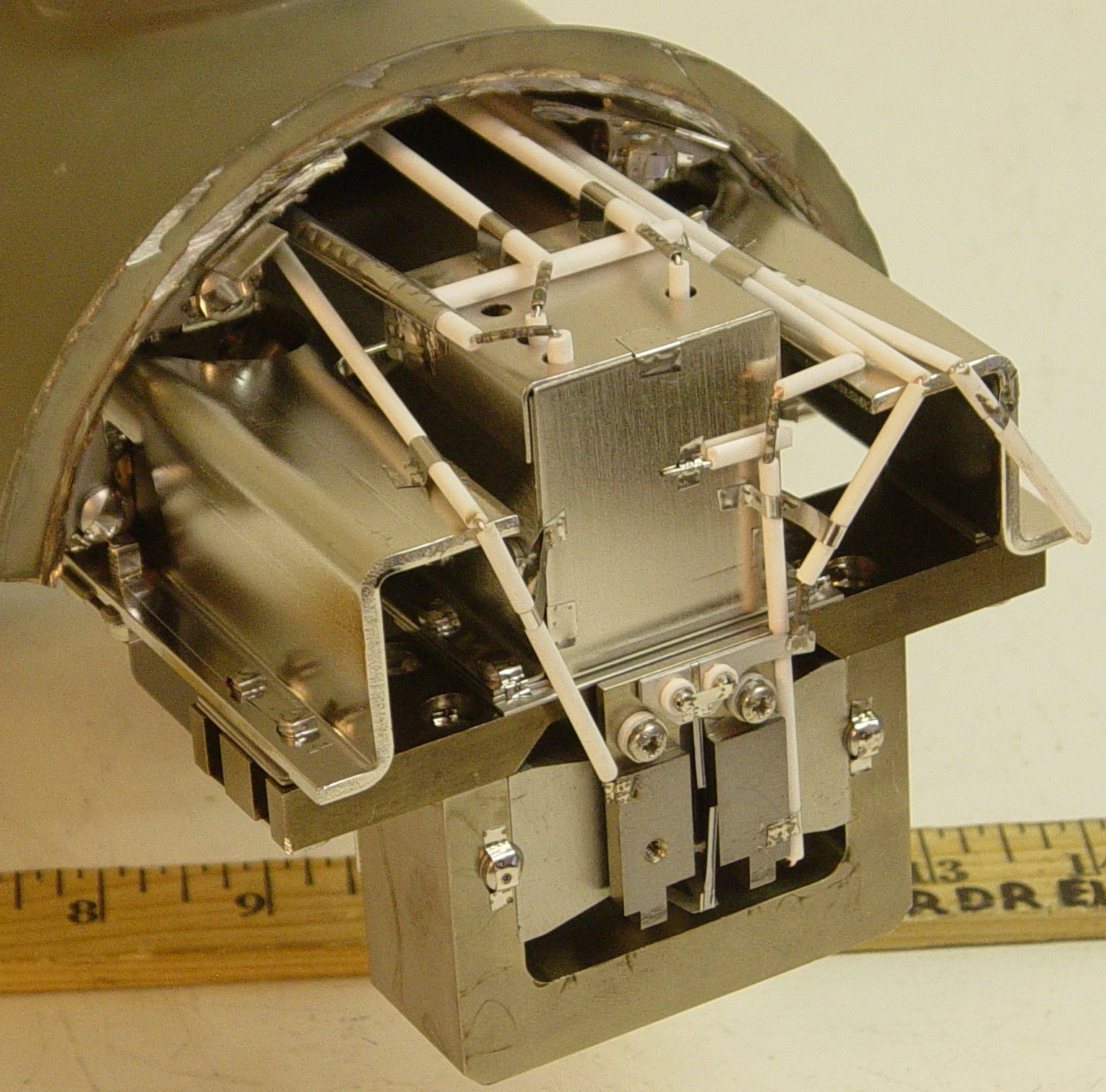
4. http://www.rdrelectronics.com/skip/CS-tube/cstube4.jpg
This is the detector end of the tube. I believe the hot wire ionizer
is
the broken metal strip. The electron multiplier/detector is in the
metal
box above it. The second beam magnet sits between the microwave
cavity and
the electronics at this end of the tube. I don’t think I broke the
filament, this was probably the failure mode of this tube. Also note
that
all the wiring insulation is ceramic tubing, since insulation that out
gasses in vacuum is a no-no.


5. http://www.rdrelectronics.com/skip/CS-tube/cstube5.jpg


This is the bottom view of the tube for completeness.  I have not yet
removed the cover that is over the microwave cavity (and has the
C-field
coil around it).


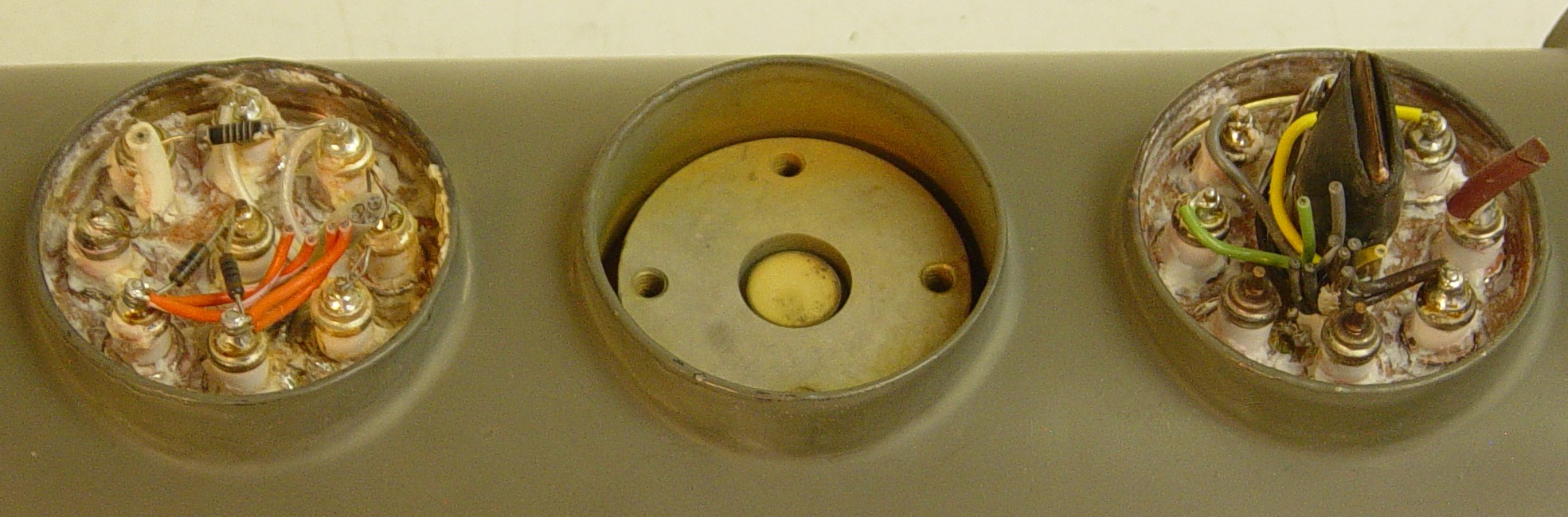
6. http://www.rdrelectronics.com/skip/CS-tube/cstube6.jpg


This is the top of the tube with the potting compound removed.  I was
surprised to find a couple of embedded resistors. I guess the good
news is
that it would be easy enough to remove the potting and solder on new
wires
if deemed useful.


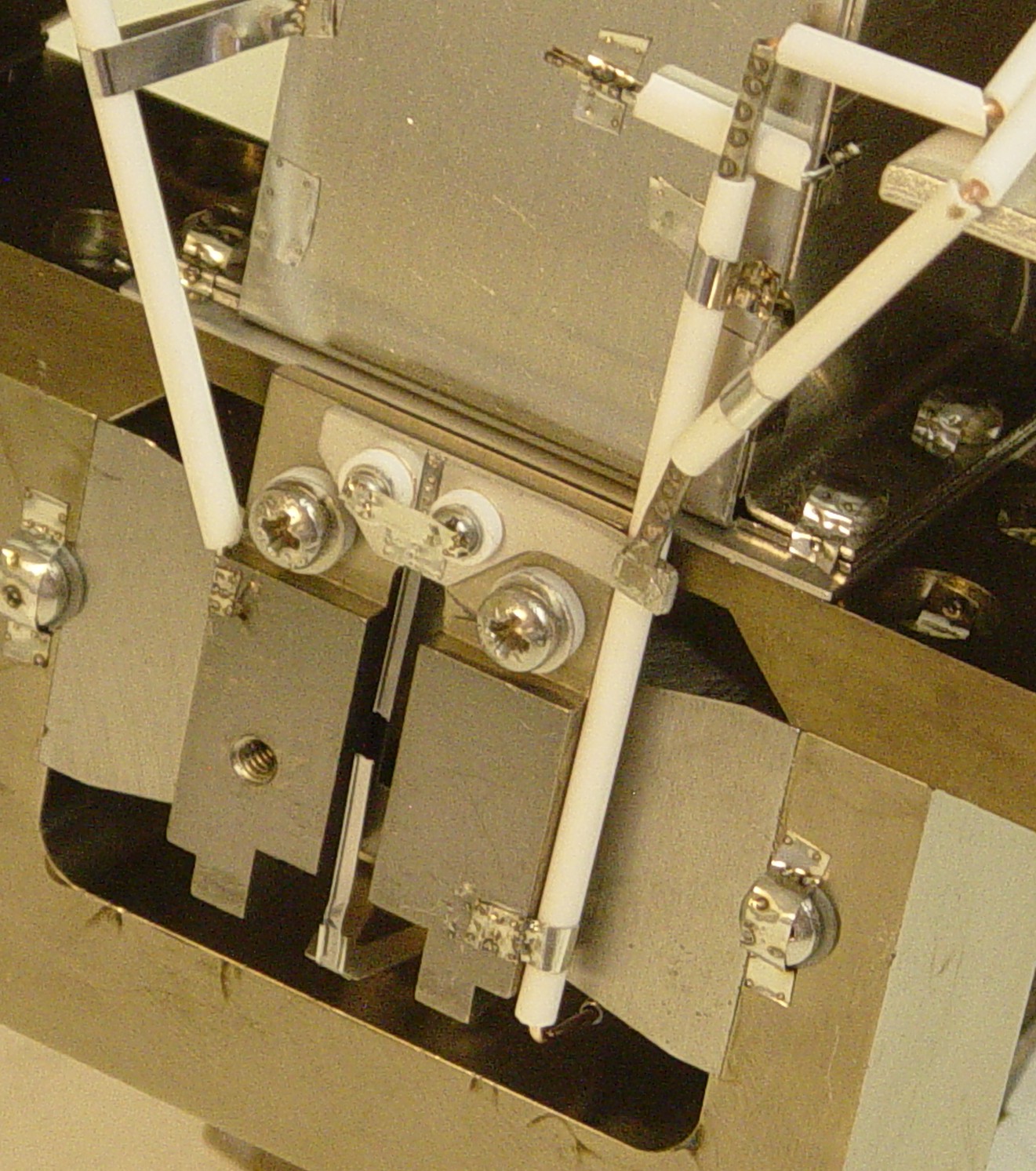
7. http://www.rdrelectronics.com/skip/CS-tube/cstube7.jpg
This is just a close-up of the broken hot wire ionizer (and all the
spot
welds).


8. http://www.rdrelectronics.com/skip/CS-tube/cstube8.jpg
This is a close-up of the ion trap where the +3500V connects. I’m not
a
physics expert, but didn’t think about a magnet being involved. I
don’t
think any of the drawings that I have seen have ever mentioned it.
So, enjoy. I will most likely be throwing the rest of the tubes up on
ebay
at some point. If there is strong interest in having them cut open
first
please let me know. I intend to cut up some wood to make an
appropriate
stand and add this one to my tube collection.


Sorry for the long post, but I hope you found it informative.

Regards,

Skip Withrow


_______________________________________________
time-nuts mailing list -- [email protected]
To unsubscribe, go to
https://www.febo.com/cgi-bin/mailman/listinfo/time-nuts
and follow the instructions there.