On 03/30/2012 01:12 PM, Andrew West wrote:
I only have a couple of Old Yi books on my bookshelves, so I am no
expert on the subject, but I think that in a way UCS Yi and "modern
Old Yi" (Old Yi texts in modern publication) do share the same
vertical writing preferences -- that is to say, in both scripts glyphs
are written in the same orientation for both horizontal and vertical
layout (i.e. there is no glyph rotation when horizontal text is laid
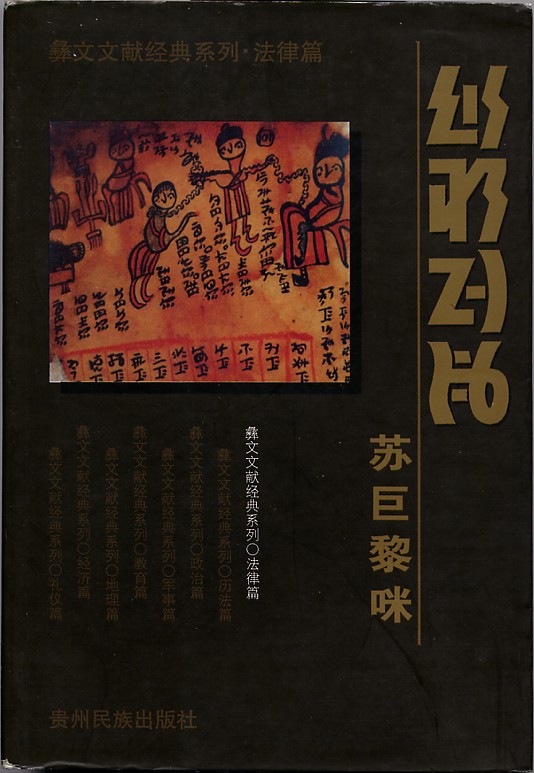
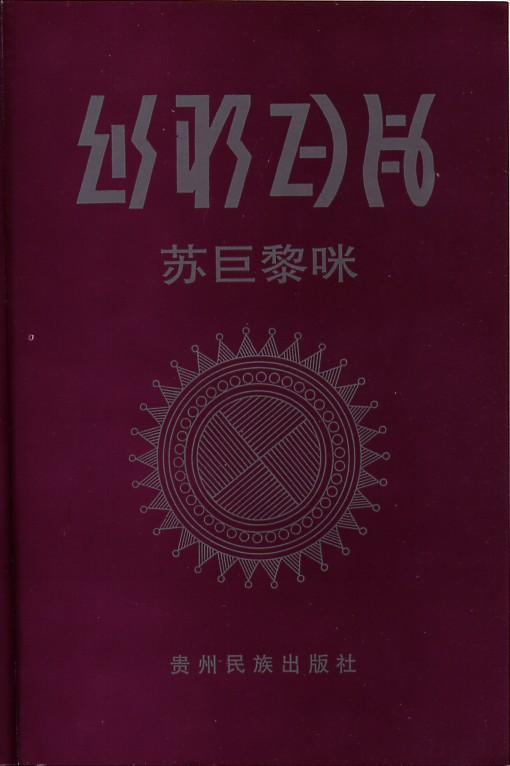
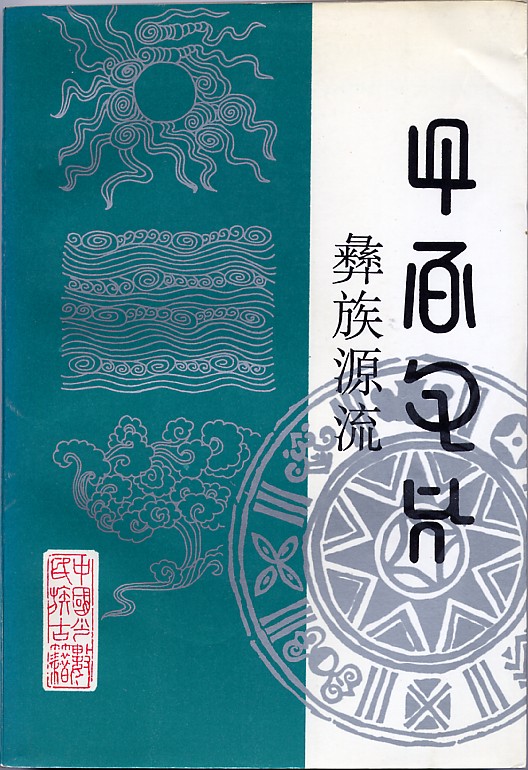
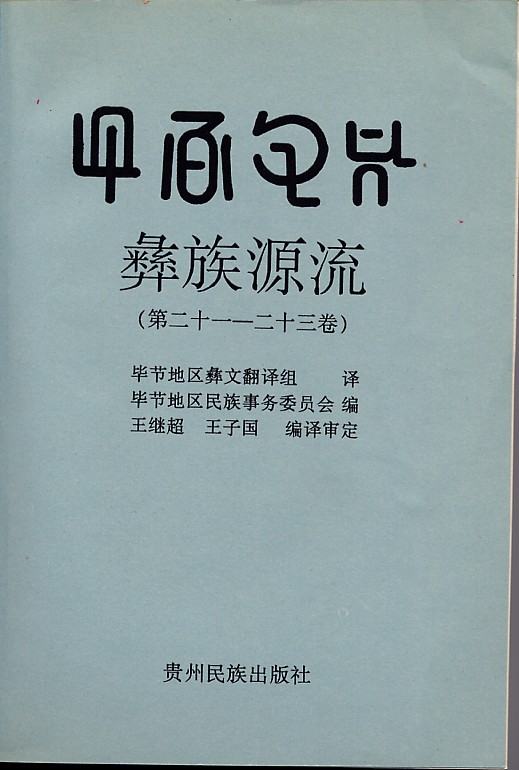
out vertically).  This can be seen in the scans from the two modern
editions of Old Yi texts from Guizhou below (ISBN 7-5412-0787-X and
7-5412-0659-8 respectively) where the book title is written
horizontally on the front cover and vertically on the title page, with
no change in glyph orientation:

<http://www.babelstone.co.uk/Yi/Images/Sujulimi2.jpg>
<http://www.babelstone.co.uk/Yi/Images/Sujulimi3.jpg>

<http://www.babelstone.co.uk/Yi/Images/YizuYuanliu2.jpg>
<http://www.babelstone.co.uk/Yi/Images/YizuYuanliu3.jpg>

The key difference between these Old Yi texts and UCS Yi is that the
glyphs are rotated 90 degrees clockwise in UCS Yi compared with Old Yi
*in both horizontal and vertical layout* (cf. the 3rd character of
Sujulimi with the corresponding Liangshan Yi character ꇖ), but they
both follow the Chinese model for vertical layout.
My theory (derived from the examples I have found, not from any historical
notes on the Yi standardization process) is that Yi's vertical text was
rotated 90deg to create UCS Yi: both the orientation of the characters
and the writing direction compass were rotated, creating a horizontal script.
And my theory is that UCS Yi is now typeset vertically with each glyph
upright in titles and captions because, being printed in China by Chinese
book publishers, it's copying the way Chinese characters behave. However,
this creates an inconsistency with old Yi.

This is only based on a loose inspection of materials, however; I haven't
done any great research on the topic, and am not very familiar with the
Yi writing system.

The question in my mind is,
  a) does the Yi community consider the Chinese style of typesetting
     vertical captions and suchlike to be the only correct way, or
  b) is it a consequence of the Chinese typesetting software that such text
     is typeset this way, and the correct orientation would match Old Yi, or
  c) would the Yi community consider either option acceptable and a matter
     of stylistic preference, similar to Latin characters, whose native text
     orientation is not vertical and thus can be found typeset both sideways
     and upright
I don't know the answer to this, but it is this question that would determine
Yi's orientation characteristics in UTR50.

The research materials I have are here:
  http://fantasai.inkedblade.net/style/scans/
Scans LoC045 through LoC099 are from the Yi books in the National Library
of China in Beijing, circa 2005.

~fantasai