On Fri, 30 Mar 2012 21:12:27 +0100
Andrew West <[email protected]> wrote:
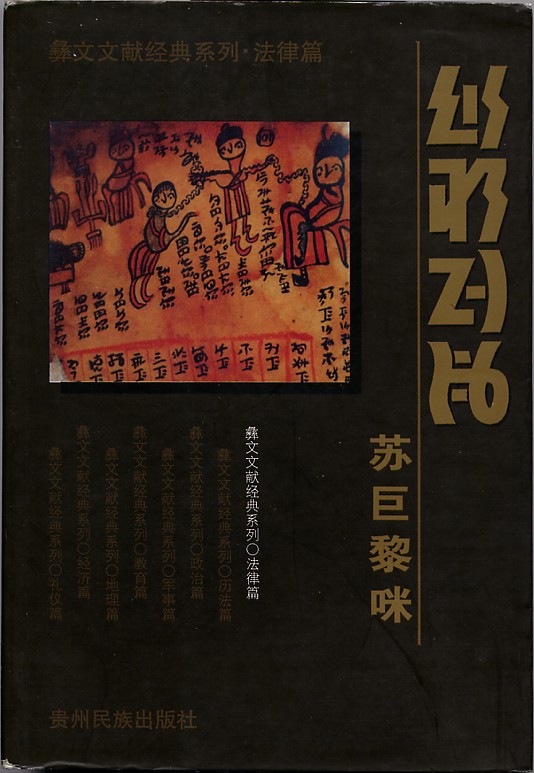
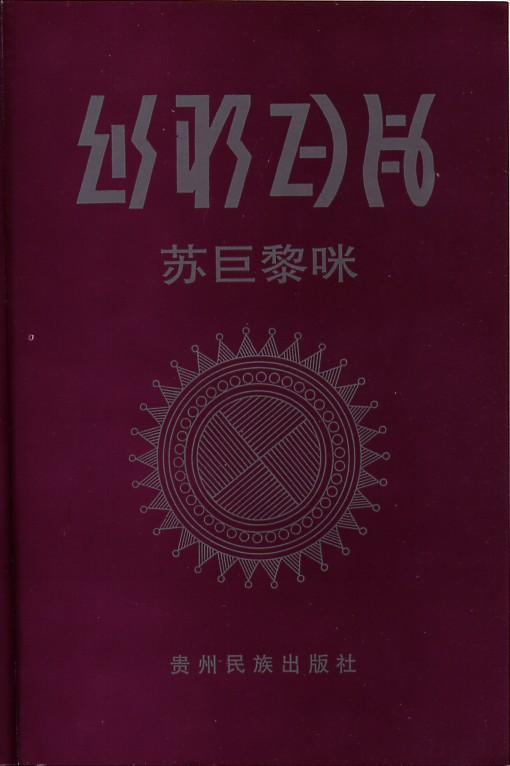
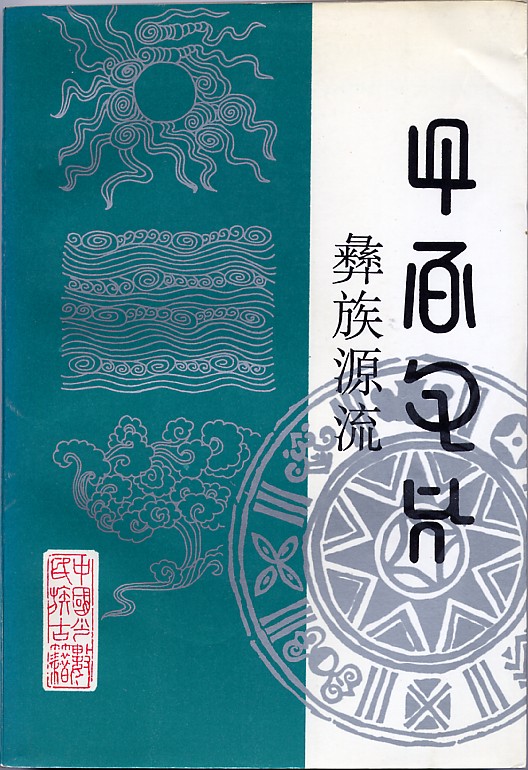
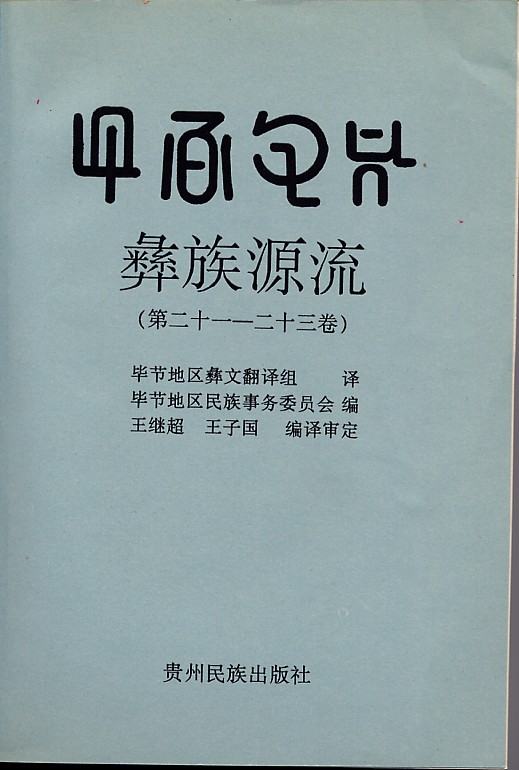
>This can be seen in the scans from the two modern
>editions of Old Yi texts from Guizhou below (ISBN 7-5412-0787-X and
>7-5412-0659-8 respectively) where the book title is written
>horizontally on the front cover and vertically on the title page, with
>no change in glyph orientation:
>
><http://www.babelstone.co.uk/Yi/Images/Sujulimi2.jpg>
><http://www.babelstone.co.uk/Yi/Images/Sujulimi3.jpg>
>
><http://www.babelstone.co.uk/Yi/Images/YizuYuanliu2.jpg>
><http://www.babelstone.co.uk/Yi/Images/YizuYuanliu3.jpg>
Thank you very much!! It is my first time to see a side-by-side
sample of digitally typed Old Yi characters (On YiWenZiDian
ISBN 7-5367-1509-9, the front cover and spine have the digital
typed Old Yi, but no horizontal title in the book).
I guess there are no widely used existing facility to typeset
Old Yi, so I think the publishers had no difficulty to make
a horizontal Old Yi text with 90 degree rotated shapes, if
they are preferred.

>> https://www.codeblog.org/blog/mpsuzuki/images/20120327_1.gif
>
>The characters on this page are written in the same orientation as UCS
>Yi (cf. the characters on the 3rd column from the left, U+A411, U+A15D,
>U+A412).

Yes. When I saw this page, I had thought this is the preferred
orientation in Sichuan Old Yi. But, in another book, the glyphs
for Sichuan Old Yi is differently oriented. Please compare:

https://www.codeblog.org/blog/mpsuzuki/images/20120327_1.gif
https://www.codeblog.org/blog/mpsuzuki/images/20120328_1.gif

I'm not sure if either of the 2 books rotates the glyphs
artificially, or both books are right.

Regards,
mpsuzuki