Hi Alan

        Awesome work.  Just want to let you know that breakdowns
        like this are not only important for other professionals who
        have this massive shared curiosity but it also incredibly
        important when it comes to our students. When we made the
        decision to move away from Maya to Softimage for our
        teaching we caught quite a bit of flak for the decision.
        However posts like these are really great because we can
        show just how Softimage is being used. We have also just set
        up our first Arnold render farm and we are very excited to
        see the results we get from two really great pieces of software.

        Kind regards

        Angus

        From: Alan Fregtman <[email protected]
        <mailto:[email protected]>>
        Reply-To: "[email protected]
        <mailto:[email protected]>"
        <[email protected]
        <mailto:[email protected]>>
        Date: Monday 15 July 2013 9:07 PM
        To: XSI Mailing List <[email protected]
        <mailto:[email protected]>>
        Subject: OT: Pacific Rim

        Hey guys,

        A lot of people say Softimage doesn't get used much in
        movies, so I personally love to hear stories when it does
        happen. Therefore, I wanted to share some details with you. :)

        I'm the lead rigger at /Rodeo FX/http://rodeofx.com and we
        did all of the interiors of the control pods (the cockpits,
        that is), including the visors, foot actuators & mechanical
        stilts, some digidoubles, etc. (except the holograms/UI
        graphics that were done by the folks at Hybride.) We also
        had the chance of doing our first organic creature, the
        brain in the lab (which involved a lot of "gross" ICE
        deformations), as well as many beautiful matte paintings and
        a couple of helicopters.

        Overall, we did over a hundred shots. CG was done in
        Softimage and as far as I know it was all rendered in our
        favourite renderer, Arnold! We'd still be rendering today if
        Mentalray had been used. :p We threw countless ~8k textures
        with displacement and stupid amounts of topology, and good
        ol' Arnie performed like a champ.

        The stilts (the leg controls in the cockpit) had anything
        from 1500 to 2500 separate meshes and on average about 150
        segments (solid groups of parts that moved as one.) Once we
        identified the "segments" by the end we had a rig of Arnold
        stand-ins with each segment saved as one ass file, and
        low-res geo representing that segment constrained to some
        part of the rig. It then became relatively "light" to have
        the standins rigged instead of the full raw geo, and it made
        it quite easy to replace parts or textures later in the
        pipeline during or after animation. (Also caching was a
        piece of cake in this scenario, as we only needed to plot
        the segment nulls instead of thousands of meshes or
        pointcaching anything.)

        On the brain there was procedural pulsing animation driven
        by ICE deformers. Globules would "breathe", a heart-like
        organ would pump its ventricles intermittently and an
        intestine-like organ flowed with bulges travelling along its
        tract. It was gross and (in my opinion) kind of awesome. lol
        Speaking of ICE, there was a kind of lettuce behind the
        brain that was also moving a bit. The modeling was done with
        strips that were procedurally curled and then if I remember
        correctly the whole thing was driven via Syflex as the brain
        gently floated. This lettuce thing was handled by another
        guy on this mailing list, my  coworker and friend Jonathan
        Laborde. Maybe if he's reading this he can give more details
        of how he used ICE in a few other shots.

        It was crazy fun project to work on. Fingers crossed that
        Pacific Rim 2 becomes a reality. :) Anyway, did you guys go
        see it? What'd you think?

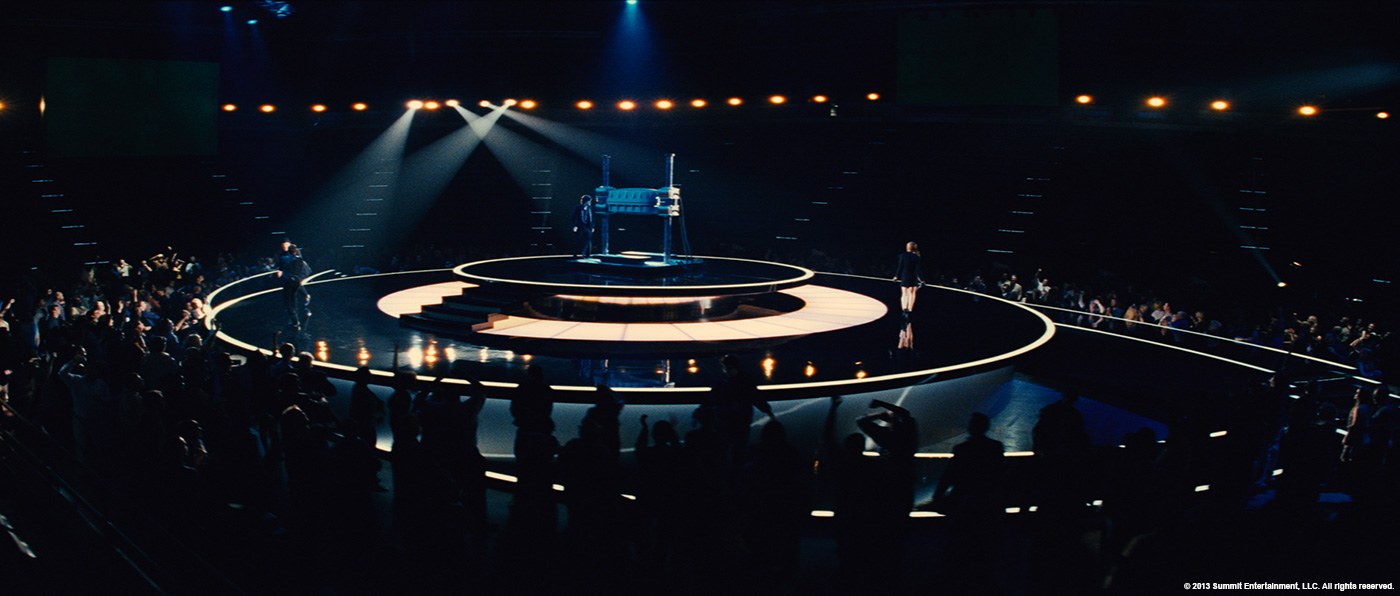
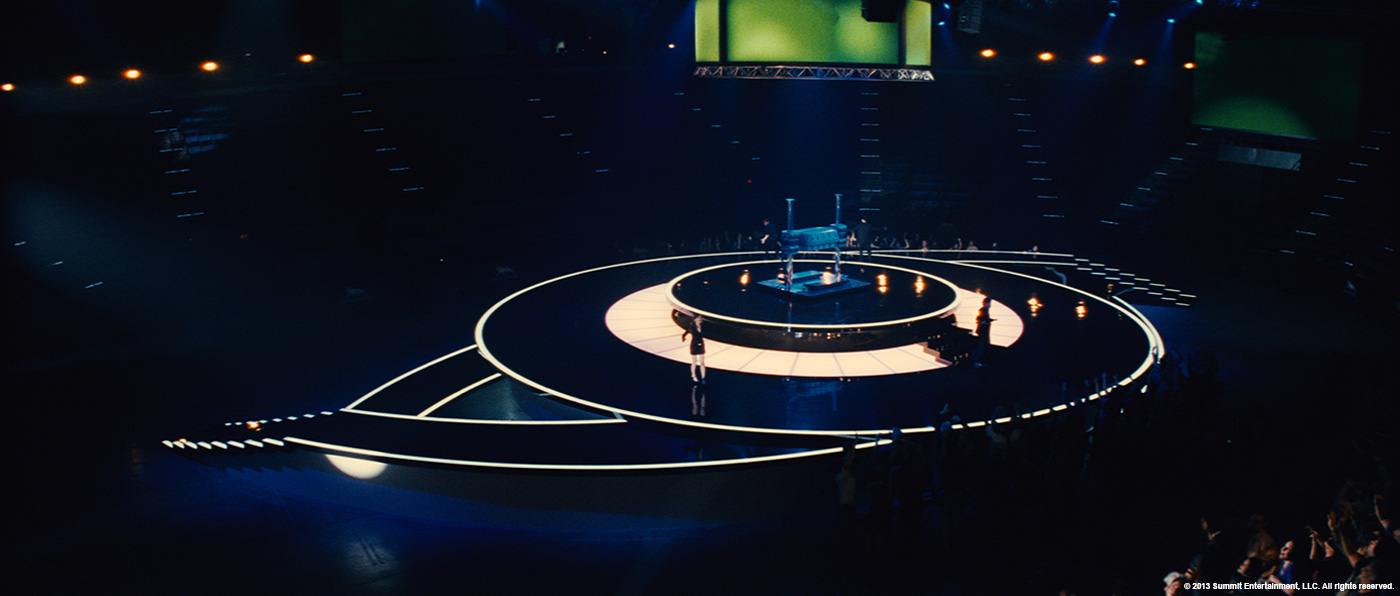
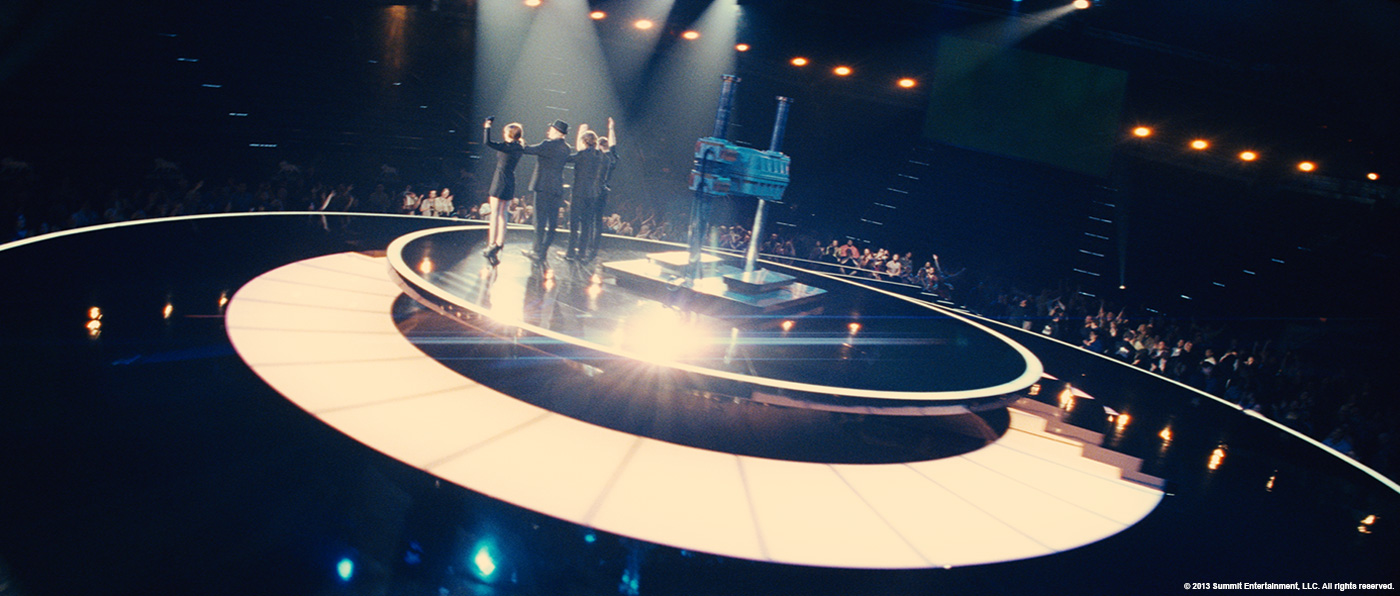
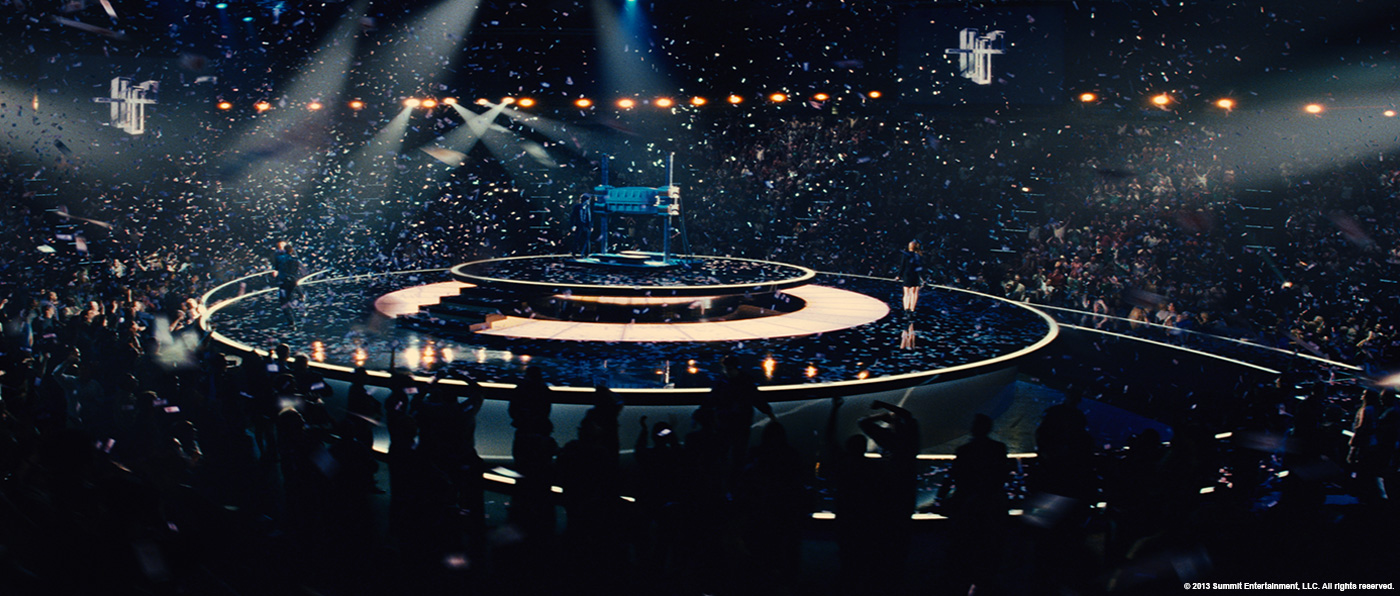
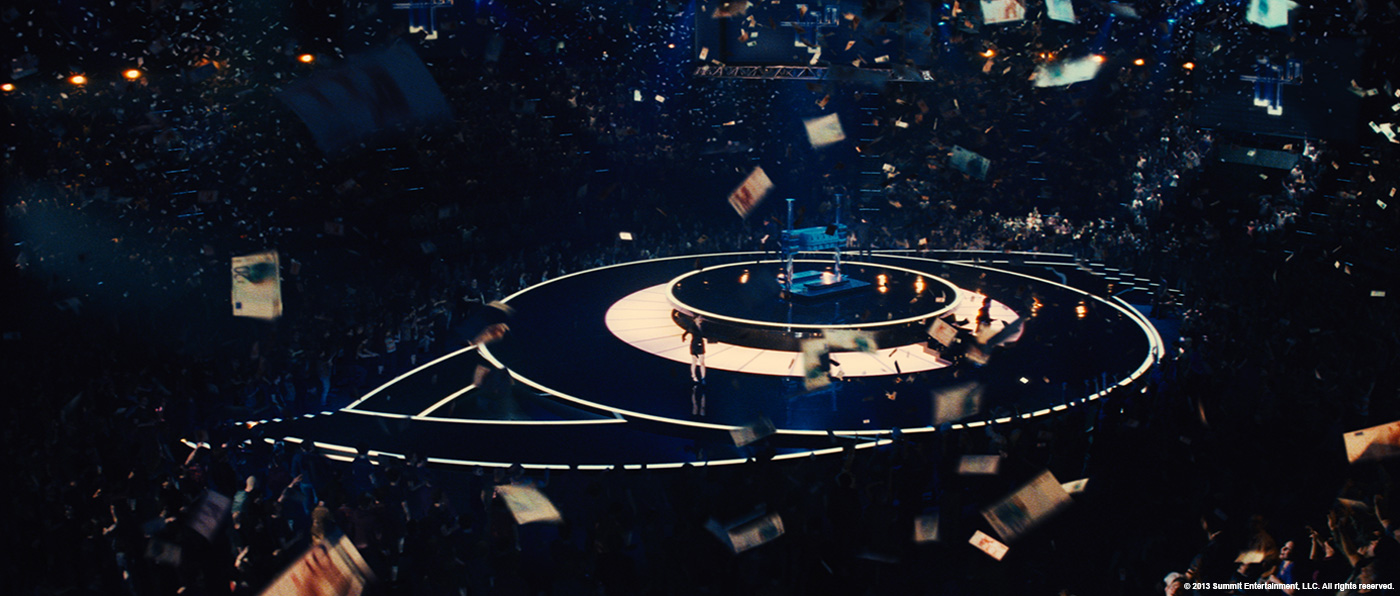
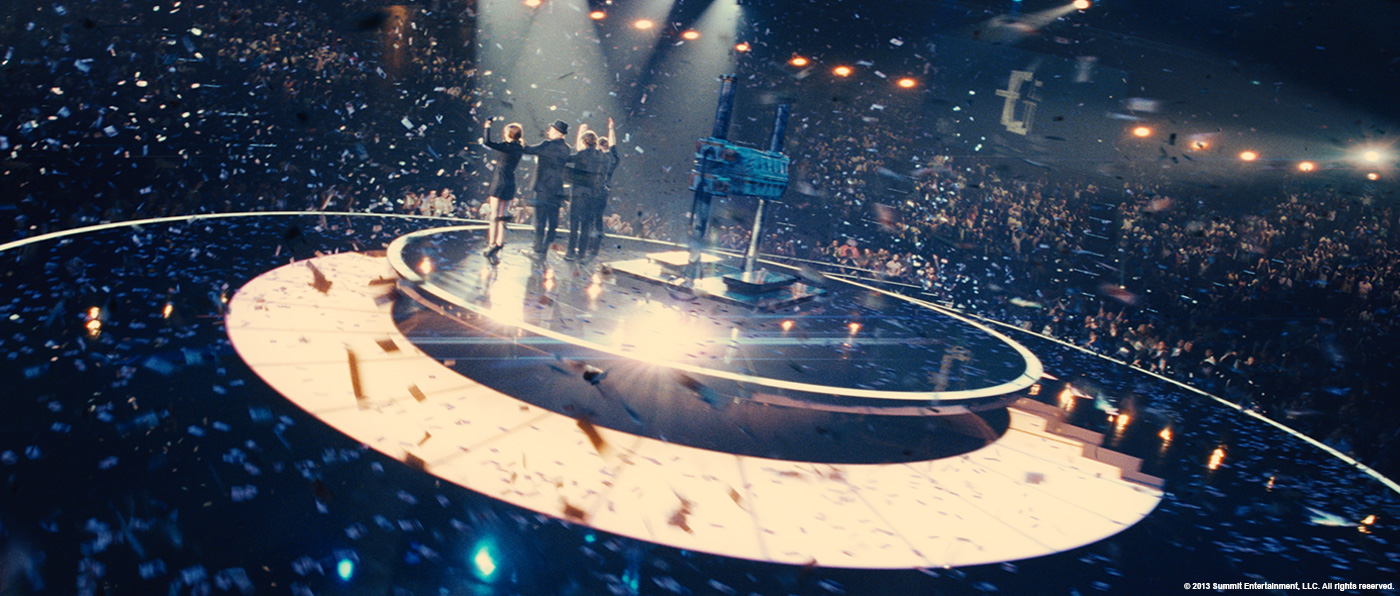
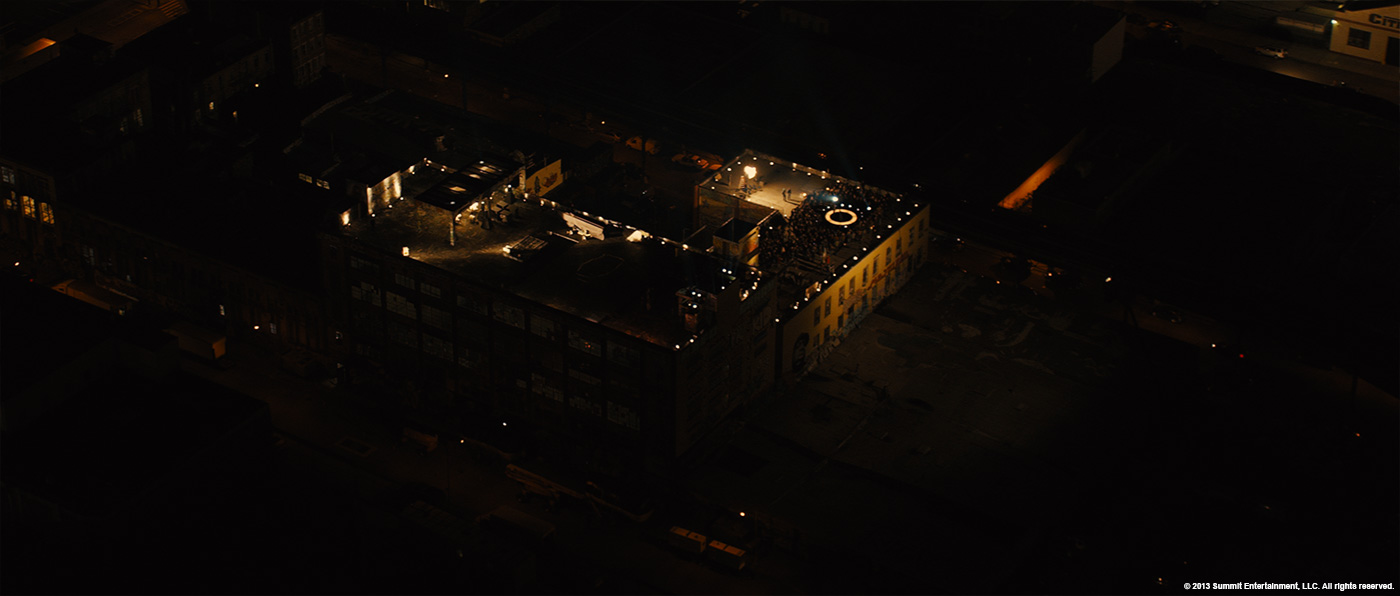
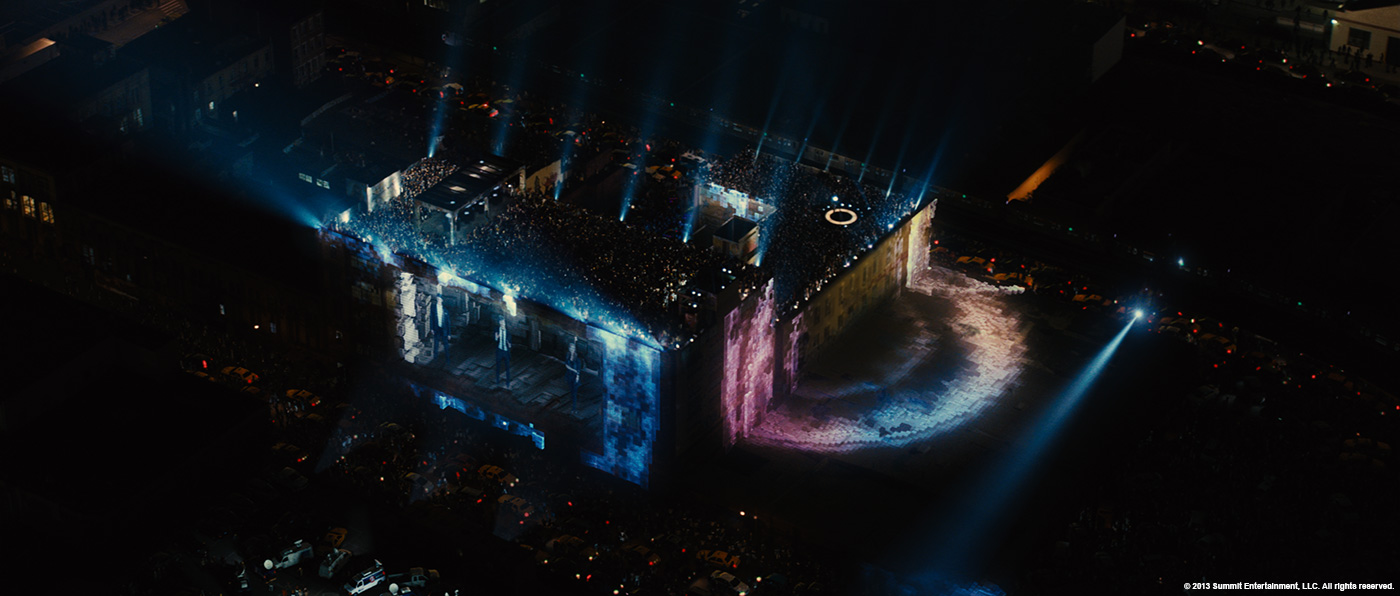
        Oh and speaking of other movies, we did a ton of work in
        "Now You See Me" as well, including hundreds of stadium
        dudes with our propietary ICE static crowd system,
        falling/flying money, cg bubbles, an art-directed liquid,
        lockpicking, flying cards, many vehicles, the projected
        motiongraphics near the end and a few invisible fx. (I feel
        like I probably missed something, but anyway, we did a lot.)
        We were the main vfx vendor on that film, delivering just
        over 20 minutes worth of vfx "magic" (pun intended.) Again,
        Soft & Arnold and lots of effects in ICE all throughout.

        Cheers,

           -- Alan

        This communication is intended for the addressee only. It is
        confidential. If you have received this communication in
        error, please notify us immediately and destroy the original
        message. You may not copy or disseminate this communication
        without the permission of the University. Only authorised
        signatories are competent to enter into agreements on behalf
        of the University and recipients are thus advised that the
        content of this message may not be legally binding on the
        University and may contain the personal views and opinions
        of the author, which are not necessarily the views and
        opinions of The University of the Witwatersrand,
        Johannesburg. All agreements between the University and
        outsiders are subject to South African Law unless the
        University agrees in writing to the contrary.