For eclipses to happen, the 'line of nodes' must be
aligned with the sun.  This happens roughly every six months
and create the 'eclipse seasons' during which eclipses
are possible.
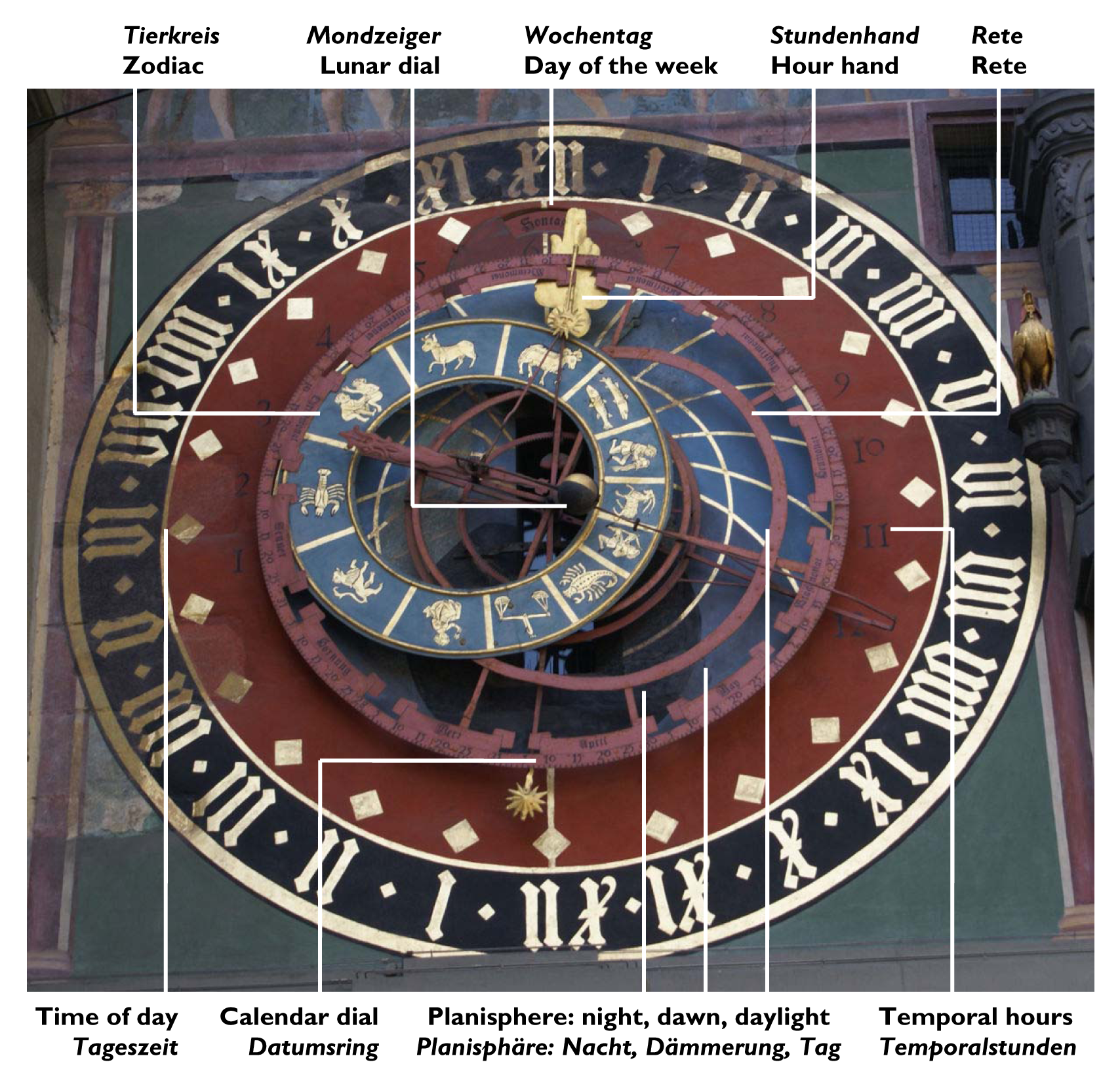
> <html><HEAD><LINK rel=stylesheet type=text/css > href="/netmail/static/deg/css/wysiwyg-3933289048.css" media=all> > <META name=GENERATOR content="MSHTML 8.00.6001.18999"></HEAD> > <BODY> > <DIV>The nodes of an orbit are the points where the orbiting body pass > through the ecliptic in either direcrion. The point where the > object's latitude changes from minus to plus is the ascending node and the > descending node is where the body goes from postive to negative > latitude. </DIV> > <DIV> </DIV> > <DIV>Some old clocks had a hand, called the "Dragon" hand that showed the > approximate position of the lunar nodes. The moon must be near > one of its nodes at full or new moon for an eclipse to occur. On the clock > face, if the moon is new or full and the moon ball is near a node (shown > by the dragon hand), an eclipse is possible. Note I say "possible" > and not "will occur". The motion of the moon on old clocks used mean > values and the true moon might be off by just enough for the ecllipse to > not happen.</DIV> > <DIV> </DIV> > <DIV>The time between passages of the moon through its nodes is called a > draconitic month or nodical month (27.2122 days). </DIV> > <DIV> </DIV> > <DIV>I do not believe either the Bern or Praugue clock have a dragon hand, > but I may be wrong. The astrolabe wrist watch from Ulysse-Nardin > does have a dragon hand. The Electric Astrolabe on my web site has a > lunar node indicator.</DIV> > <DIV> </DIV> > <DIV>Best regards,</DIV> > <DIV> </DIV> > <DIV>Jim</DIV> > <DIV><BR>James E. Morrison<BR>[email protected]<BR>Astrolabe web > site at http://astrolabes.org<BR><BR>Mar 22, 2011 09:46:46 AM, > [email protected] wrote:<BR></DIV> > <BLOCKQUOTE style="BORDER-LEFT: rgb(102,153,204) 3px solid">Further, I > want to know if those clocks, of Prague and Bern, can show when an eclipse > occurs.<BR><BR> > <DIV class=gmail_quote>---------- Forwarded message ----------<BR>From: <B > class=gmail_sendername>Marcelo</B> <SPAN dir=ltr><<A href="" > target=_blank mailto:[email protected]??? ?http: > http:>[email protected]</A>></SPAN><BR>Date: 2011/3/22<BR>Subject: > Re: Prague Clock<BR>To: Willy Leenders <<A href="" target=_blank ?http: > http: > mailto:[email protected]???>[email protected]</A>><BR><BR><BR>How > is that lunar dial? Does it show the moon's phases and in what sign it is? > <BR>And I'm intrigued by that zodiac, why are the winter signs > (Sagittarius, Capricorn, Aquarius) narrower than the summer signs, Gemini > and Cancer? > <DIV> > <DIV> > <DIV class=h5><BR><BR> > <DIV class=gmail_quote>2011/3/22 Willy Leenders <SPAN dir=ltr><<A > href="" target=_blank ?http: http: > mailto:[email protected]???>[email protected]</A>></SPAN><BR> > <BLOCKQUOTE style="BORDER-LEFT: rgb(204,204,204) 1px solid; MARGIN: 0pt > 0pt 0pt 0.8ex; PADDING-LEFT: 1ex" class=gmail_quote> > <DIV style="WORD-WRAP: break-word">More than the clock in Prague the clock > in Bern has a calendar dial built in and an indication of the day of the > week. > <DIV>The calendar in Prague is located separately under the clock.</DIV> > <DIV><BR></DIV> > <DIV>See <A > href="http://upload.wikimedia.org/wikipedia/commons/5/5e/Zytglogge_astronomical_clock_with_labels.png"; > target=_blank>http://upload.wikimedia.org/wikipedia/commons/5/5e/Zytglogge_astronomical_clock_with_labels.png</A><BR> > <DIV> > <DIV><BR> > <DIV><SPAN style="TEXT-TRANSFORM: none; TEXT-INDENT: 0px; BORDER-COLLAPSE: > separate; FONT: medium Arial; WHITE-SPACE: normal; LETTER-SPACING: normal; > COLOR: rgb(0,0,0); WORD-SPACING: 0px"><SPAN style="TEXT-TRANSFORM: none; > TEXT-INDENT: 0px; BORDER-COLLAPSE: separate; FONT: medium Arial; > WHITE-SPACE: normal; LETTER-SPACING: normal; COLOR: rgb(0,0,0); > WORD-SPACING: 0px"> > <DIV style="WORD-WRAP: break-word"><SPAN style="TEXT-TRANSFORM: none; > TEXT-INDENT: 0px; BORDER-COLLAPSE: separate; FONT: medium Arial; > WHITE-SPACE: normal; LETTER-SPACING: normal; COLOR: rgb(0,0,0); > WORD-SPACING: 0px"> > <DIV style="WORD-WRAP: break-word"><SPAN style="TEXT-TRANSFORM: none; > TEXT-INDENT: 0px; BORDER-COLLAPSE: separate; FONT: medium Arial; > WHITE-SPACE: normal; LETTER-SPACING: normal; COLOR: rgb(0,0,0); > WORD-SPACING: 0px"> > <DIV style="WORD-WRAP: break-word"> > <DIV>Willy Leenders</DIV> > <DIV>Hasselt in Flanders (Belgium)</DIV> > <DIV><BR></DIV> > <DIV><FONT color=#928f20>Visit my website about the sundials in the > province of Limburg (Flanders) with a section 'worth knowing about > sundials' (mostly in Dutch): <A href="http://www.wijzerweb.be"; > target=_blank>http://www.wijzerweb.be</A></FONT></DIV> > <DIV><BR></DIV> > <DIV><BR></DIV></DIV></SPAN><BR></DIV></SPAN><BR></DIV></SPAN><BR></SPAN><BR></DIV><BR></DIV> > <DIV> > <DIV>Op 22-mrt-2011, om 11:26 heeft Willy Leenders het volgende > geschreven:</DIV> > <DIV> > <DIV> > <DIV><BR> > <BLOCKQUOTE type="cite"> > <DIV style="WORD-WRAP: break-word">Jan, > <DIV><BR></DIV> > <DIV>A better photo of the clock in Bern is at <A > href="http://www.photographersdirect.com/buyers/stockphoto.asp?imageid=1511348"; > target=_blank>http://www.photographersdirect.com/buyers/stockphoto.asp?imageid=1511348</A></DIV> > <DIV><BR></DIV> > <DIV>This clock has at first sight a similar design as the clock in > Prague.</DIV> > <DIV>However, it has not a outer ring that moves to and fro to indicate > Italian or Bohemian hours.</DIV> > <DIV>An indication of sidereal time is also missing.</DIV> > <DIV><BR> > <DIV><SPAN style="TEXT-TRANSFORM: none; TEXT-INDENT: 0px; BORDER-COLLAPSE: > separate; FONT: medium Arial; WHITE-SPACE: normal; LETTER-SPACING: normal; > WORD-SPACING: 0px"><SPAN style="TEXT-TRANSFORM: none; TEXT-INDENT: 0px; > BORDER-COLLAPSE: separate; FONT: medium Arial; WHITE-SPACE: normal; > LETTER-SPACING: normal; WORD-SPACING: 0px"> > <DIV style="WORD-WRAP: break-word"><SPAN style="TEXT-TRANSFORM: none; > TEXT-INDENT: 0px; BORDER-COLLAPSE: separate; FONT: medium Arial; > WHITE-SPACE: normal; LETTER-SPACING: normal; WORD-SPACING: 0px"> > <DIV style="WORD-WRAP: break-word"><SPAN style="TEXT-TRANSFORM: none; > TEXT-INDENT: 0px; BORDER-COLLAPSE: separate; FONT: medium Arial; > WHITE-SPACE: normal; LETTER-SPACING: normal; WORD-SPACING: 0px"> > <DIV style="WORD-WRAP: break-word"> > <DIV>Willy Leenders</DIV> > <DIV>Hasselt in Flanders (Belgium)</DIV> > <DIV><BR></DIV> > <DIV><FONT color=#928f20>Visit my website about the sundials in the > province of Limburg (Flanders) with a section 'worth knowing about > sundials' (mostly in Dutch): <A href="http://www.wijzerweb.be/"; > target=_blank>http://www.wijzerweb.be</A></FONT></DIV> > <DIV><FONT color=#928f20><BR></FONT></DIV> > <DIV><FONT > color=#928f20><BR></FONT></DIV></DIV></SPAN><BR></DIV></SPAN><BR></DIV></SPAN><BR></SPAN><BR></DIV><BR> > <DIV> > <DIV>Op 22-mrt-2011, om 01:02 heeft Jan Bielawski het volgende > geschreven:</DIV><BR> > <BLOCKQUOTE type="cite"> > <DIV>Is the Prague clock of the same design as the one in Bern? See > e.g.<BR><A href="http://starswebworx.lc-stars.com/swiss_photo/Bern.htm"; > target=_blank>http://starswebworx.lc-stars.com/swiss_photo/Bern.htm</A> > (scroll down a<BR>bit).<BR><BR>--<BR>Jan<BR><BR>On Mon, Feb 28, 2011 at > 09:15, James E. Morrison<BR><<A href="" target=_blank ?http: http: > mailto:[email protected]???>[email protected]</A>> > wrote:<BR> > <BLOCKQUOTE type="cite">Perhaps some background would be useful to those > on the list who are not<BR></BLOCKQUOTE> > <BLOCKQUOTE type="cite">familiar with astrolabes and astrolabe > clocks.<BR></BLOCKQUOTE> > <BLOCKQUOTE type="cite"><BR></BLOCKQUOTE> > <BLOCKQUOTE type="cite">The Prague clock is based on an astrolabe with the > projection origin at the<BR></BLOCKQUOTE> > <BLOCKQUOTE type="cite">north celestial pole. This orientation > causes the horizon arc to arc in the<BR></BLOCKQUOTE> > <BLOCKQUOTE type="cite">reverse direction from a normal astrolabe, but it > gives a more intuitive<BR></BLOCKQUOTE> > <BLOCKQUOTE type="cite">representation of the Sun's > position.<BR></BLOCKQUOTE> > <BLOCKQUOTE type="cite"><BR></BLOCKQUOTE> > <BLOCKQUOTE type="cite">The clock has three moving parts. A hand > with a Sun figure rotates once in<BR></BLOCKQUOTE> > <BLOCKQUOTE type="cite">a mean solar day and the Sun's longitude is > indicated by the position of the<BR></BLOCKQUOTE> > <BLOCKQUOTE type="cite">Sun figure on the ecliptic (which is divided by > the zodiac). The astrolabe<BR></BLOCKQUOTE> > <BLOCKQUOTE type="cite">rete, which has only the projection of the > ecliptic on the clock, rotates<BR></BLOCKQUOTE> > <BLOCKQUOTE type="cite">once in a sidereal day. The difference in > the rate of the two components<BR></BLOCKQUOTE> > <BLOCKQUOTE type="cite">keeps the Sun figure on the (approximately) > correct position on the<BR></BLOCKQUOTE> > <BLOCKQUOTE type="cite">ecliptic. The third hand shows the position > and phase of the Moon.<BR></BLOCKQUOTE> > <BLOCKQUOTE type="cite"><BR></BLOCKQUOTE> > <BLOCKQUOTE type="cite">The Prague clock, and all other devices based on > the astrolabe, indicates<BR></BLOCKQUOTE> > <BLOCKQUOTE type="cite">apparent time with the Sun hand. The only > adjustment needed for it to<BR></BLOCKQUOTE> > <BLOCKQUOTE type="cite">indicate approximate civil time would be to simply > move the Sun hand to a<BR></BLOCKQUOTE> > <BLOCKQUOTE type="cite">time. No changes in gearing are > needed. But the Sun's position in the<BR></BLOCKQUOTE> > <BLOCKQUOTE type="cite">ecliptic (zodiac) would no longer be correct and > any events (sunrise/set,<BR></BLOCKQUOTE> > <BLOCKQUOTE type="cite">culmination, etc.) would no longer be valid. > That is, the Sun figure no<BR></BLOCKQUOTE> > <BLOCKQUOTE type="cite">longer represents the real Sun,<BR></BLOCKQUOTE> > <BLOCKQUOTE type="cite"><BR></BLOCKQUOTE> > <BLOCKQUOTE type="cite">It could be made to show apparent time again by > simply moving the Sun hand.<BR></BLOCKQUOTE> > <BLOCKQUOTE type="cite"><BR></BLOCKQUOTE> > <BLOCKQUOTE type="cite">Best regards,<BR></BLOCKQUOTE> > <BLOCKQUOTE type="cite"><BR></BLOCKQUOTE> > <BLOCKQUOTE type="cite">Jim<BR></BLOCKQUOTE> > <BLOCKQUOTE type="cite">James E. Morrison<BR></BLOCKQUOTE> > <BLOCKQUOTE type="cite"><A href="" target=_blank ?http: http: > mailto:[email protected]???>[email protected]</A><BR></BLOCKQUOTE> > <BLOCKQUOTE type="cite">Astrolabe web site at <A > href="http://astrolabes.org/"; > target=_blank>http://astrolabes.org</A><BR></BLOCKQUOTE> > <BLOCKQUOTE > type="cite">---------------------------------------------------<BR></BLOCKQUOTE> > <BLOCKQUOTE type="cite"><A > href="https://lists.uni-koeln.de/mailman/listinfo/sundial"; > target=_blank>https://lists.uni-koeln.de/mailman/listinfo/sundial</A><BR></BLOCKQUOTE> > <BLOCKQUOTE type="cite"><BR></BLOCKQUOTE> > <BLOCKQUOTE type="cite"><BR></BLOCKQUOTE> > <BLOCKQUOTE > type="cite"><BR></BLOCKQUOTE>---------------------------------------------------<BR><A > href="https://lists.uni-koeln.de/mailman/listinfo/sundial"; > target=_blank>https://lists.uni-koeln.de/mailman/listinfo/sundial</A><BR><BR></DIV></BLOCKQUOTE></DIV><BR></DIV></DIV>---------------------------------------------------<BR><A > href="https://lists.uni-koeln.de/mailman/listinfo/sundial"; > target=_blank>https://lists.uni-koeln.de/mailman/listinfo/sundial</A><BR><BR></BLOCKQUOTE></DIV></DIV></DIV><BR></DIV></DIV></DIV><BR>---------------------------------------------------<BR><A > href="https://lists.uni-koeln.de/mailman/listinfo/sundial"; > target=_blank>https://lists.uni-koeln.de/mailman/listinfo/sundial</A><BR><BR><BR></DIV></BLOCKQUOTE></DIV><BR></DIV></DIV></DIV><BR><BR> > <HR SIZE=1> > <BR>---------------------------------------------------<BR>https://lists.uni-koeln.de/mailman/listinfo/sundial<BR><BR></DIV></BLOCKQUOTE></BODY></html> > --------------------------------------------------- > https://lists.uni-koeln.de/mailman/listinfo/sundial > > --------------------------------------------------- https://lists.uni-koeln.de/mailman/listinfo/sundial