There are passages in pieces by Vallet where he indicates a thumb-index
alternation in diminutions on the 4th to 6th courses of the lute but this does
not mean that he was using thumb-in (since he seems to specifically to deride
the use of this in his introduction). There are no indications for the use of
the middle finger in Ballard's two books of lute tablature. His style is much
more based on 'accords brisés' so the question of what right-hand fingerings to
use for diminutions is less prevalent.
With the difficulty for many lutenists today of playing music and instruments
spanning three centuries or more it seems inevitable that one will not be able
to develop very different specific techniques for each period. With this in
mind, maybe we should be clearer about exactly what we mean when distinguishing
between thumb-in and thumb-out. For the former are we mainly referring to early
renaissance technique carrying on from the use of the plectrum and with many
passages of diminutions using alternating thumb and index in all registers of
the lute or are we being more categorical and demanding that for later music
not only one replaces the alternation of thumb-index with index-middle finger
but that the actual position of the thumb be extended out when playing, which
necessitates changing the angle of the hand in relation to the strings even to
the extent of placing the little finger behind the bridge (and which demands a
complete rethink of tonal issues)?

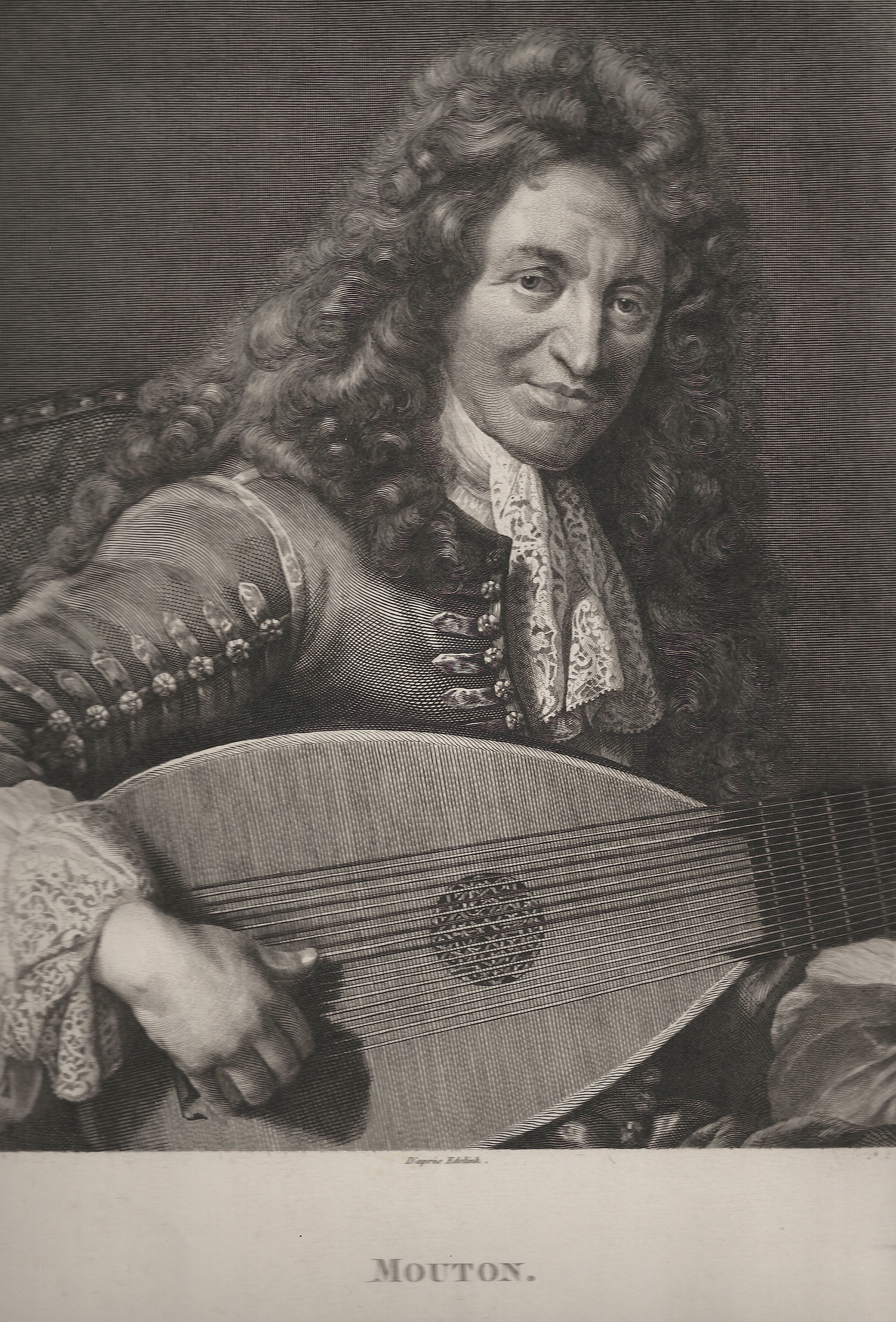
Many period depictions of lutenists playing 10-course instruments show an
almost exaggerated thumb-out right-hand position. This is far more extreme than
the nicely relaxed and natural position of Mouton's right-hand on his 11-course
lute in the famous painting and engraving thereof. (Links below.)

Surely the proof of the pudding is in the eating. To my mind the musical result
is paramount. I get no pleasure from listening to a rendition of a work by a
specific composer that uses politically correct technique but falls short
musically.

Best,

Matthew

https://en.wikipedia.org/wiki/The_Lute_Player_(Hals)#/media/File:Hendrick_ter_Brugghen_-_Lute_Player_-_WGA22182.jpg
https://i.pinimg.com/originals/2c/92/b0/2c92b0c44c25b848cc3d7ff99252d58a.jpg
https://en.wikipedia.org/wiki/Charles_Mouton#/media/File:Charles_Mouton_-_Fran%C3%A7ois_de_Troy.jpg
http://www.tabulatura.com/moutonreduc.jpg


Le 2 août 2019 à 03:26, Tristan von Neumann <[email protected]> a écrit :

> I understand, Ron. It's just that other sources use two points for
> middle finger if it's meant to be, but of course, there was probably no
> standard for that.
>
> From playing Ballard's music, a thumb-in technique feels much more
> natural for the passages in question - while other music, for example
> some Laurencini pieces feel better using index-middle strokes.
>
> I found myself to be automatically drawn to a certain playing style with
> certain music.
>
> Sometimes it doesn't seem historical. But I can't help playing many
> Borrono dances with the later technique, it just feels better.
>
>
>
> On 02.08.19 02:51, Ron Andrico wrote:
>>    Tristan, while Vallet was very specific about right-hand fingering, I'm
>>    fairly certain there are no indications for thumb-index alternation in
>>    Ballard's music, and it's a leap to think that articulation marks are
>>    specifically tied to right-hand fingering.  Yes, there are right-hand
>>    dots but I remain unconvinced that these single dots are specific to
>>    use of the right-hand index finger.  The dots could just as well simply
>>    indicate weak beats so the reader can keep track for the purpose of
>>    articulation, regardless of which digit is used on the strong beat.
>>
>>    RA
>>      __________________________________________________________________
>>
>>    From: [email protected]
>>    <[email protected]> on behalf of Tristan von
>>    Neumann <[email protected]>
>>    Sent: Thursday, August 1, 2019 9:26 PM
>>    To: [email protected] <[email protected]>
>>    Subject: [LUTE] Re: RH folk style
>>
>>    Robert Ballard seems to have used thumb in though, as the points show.
>>    And that was after Besard and Dowland.
>>    I think the music always suggests thumb-out, if it was supposed to be
>>    played that way.
>>    If you have passages in the upper part accompanied by deep bass, you
>>    automatically use index-middle-finger, because it's easier to play.
>>    Some tablatures seem to even suggest both techniques in one piece.
>>    The same pieces have different fingerings in different sources
>>    sometimes.
>>    On 01.08.19 22:03, Mathias Rösel wrote:
>>    >     Well, I've been a member on the list as well. As it seems to me,
>>    all
>>    >     authors after 1600 who deal with this subject recommend thumb
>>    out.
>>    >     Vallet even ridicules thumb in.
>>    >     We'll never know what player actually did, if they complied with
>>    the
>>    >     recommendations. Today, research on strings and soundboards
>>    points into
>>    >     the same direction: thumb out.
>>    >     Everybody is free, if course, to do what they like best.
>>    Everybody has
>>    >     been so, ever since. I don't care. And I don't want to listen to
>>    >     players who play the baroque lute thumb in, any more.
>>    >     my two cents. just an ordinary member
>>    >     Mathias
>>    >
>>    __________________________________________________________________
>>    >
>>    >     Gesendet mit der [1]Telekom Mail App
>>    >     --- Original-Nachricht ---
>>    >     Von: G. C.
>>    >     Betreff: [LUTE] Re: RH folk style
>>    >     Datum: 01.08.2019, 21:46 Uhr
>>    >     An: Lutelist
>>    >
>>    >     Eloquently said Ron, as always!
>>    >     G.
>>    >     tor. 1. aug. 2019 kl. 21.28 skrev Ron Andrico
>>    >     <[1][2][email protected]>:
>>    >     Relax, Howard. No one is on trial here. Perhaps anathema is a
>>    >     less
>>    >     apt choice to describe alternatives to a right-hand position for
>>    >     playing post-1600 repertory on proper lutes. But for all
>>    >     intents and
>>    >     purposes, thumb-under technique is certainly not an historically
>>    >     appropriate right-hand position for what we call baroque lute.
>>    >     That is
>>    >     not to say it was never used, but Besard (Dowland) and Vallet,
>>    >     said it
>>    >     in print, and there are countless pictorial representations from
>>    >     the
>>    >     period that strongly suggest the right-hand thumb was very, very
>>    >     much
>>    >     out.
>>    >     This is a difficult truth to countenance for all those notable
>>    >     soldiers
>>    >     of the famous 1970s thumb-under brigade, who fought long and
>>    >     loudly to
>>    >     distinguish themselves from lute-dabbling classical guitarists
>>    >     (even to
>>    >     the point of eschewing the wearing of the ceremonial black
>>    >     turtleneck),
>>    >     but it is a truth nonetheless. I'll say it here: Based upon the
>>    >     body
>>    >     of surviving evidence from the period, lutes with diapasons
>>    >     designed to
>>    >     be used for post-1600 music were historically intended to be
>>    >     played
>>    >     with the right-hand thumb out, not under.
>>    >     RA
>>    >
>>    __________________________________________________________________
>>    >     From: [2][3][email protected]
>>    >     <[3][4][email protected]> on behalf of
>>    howard
>>    >     posner
>>    >     <[4][5][email protected]>
>>    >     Sent: Thursday, August 1, 2019 5:18 PM
>>    >     To: Lutelist <[5][6][email protected]>
>>    >     Subject: [LUTE] Re: RH folk style
>>    >     I'm not aware of anyone on this stating categorically that
>>    >     thumb-in is
>>    >     anathema on the d-minor lute. But I could easily have missed
>>    >     it, or
>>    >     deleted it and forgotten about it. I tend not to waste time
>>    >     dealing
>>    >     with categorical statements about how every player in history
>>    >     played
>>    >     the same way. And if, by chance, I've ever written anything here
>>    >     in the
>>    >     last 25 years that sounds like a categorical statement about the
>>    >     way
>>    >     every player, ever, played the same way, chalk it up to sloppy
>>    >     writing
>>    >     (or thinking), delete it, and forget about it.
>>    >     > On Aug 1, 2019, at 9:23 AM, G. C. <[6][7][email protected]>
>>    >     wrote:
>>    >     >
>>    >     > People on this list f. ex.?
>>    >     To get on or off this list see list information at
>>    >     [1][7][8]http://www.cs.dartmouth.edu/~wbc/lute-admin/index.html
>>    >     --
>>    >     References
>>    >     1. [8][9]http://www.cs.dartmouth.edu/~wbc/lute-admin/index.html
>>    >     --
>>    >     References
>>    >     1. mailto:[10][email protected]
>>    >     2. mailto:[11][email protected]
>>    >     3. mailto:[12][email protected]
>>    >     4. mailto:[13][email protected]
>>    >     5. mailto:[14][email protected]
>>    >     6. mailto:[15][email protected]
>>    >     7. [16]http://www.cs.dartmouth.edu/~wbc/lute-admin/index.html
>>    >     8. [17]http://www.cs.dartmouth.edu/~wbc/lute-admin/index.html
>>    >     --
>>    >
>>    > References
>>    >
>>    >     1.
>>    [1]https://kommunikationsdienste.t-online.de/redirects/email_app_androi
>>    d_sendmail_footer
>>    >     2. [2]mailto:[email protected]
>>    >     3. [3]mailto:[email protected]
>>    >     4. [4]mailto:[email protected]
>>    >     5. [5]mailto:[email protected]
>>    >     6. [6]mailto:[email protected]
>>    >     7. [7]mailto:[email protected]
>>    >     8. [8]http://www.cs.dartmouth.edu/~wbc/lute-admin/index.html
>>    >     9. [9]http://www.cs.dartmouth.edu/~wbc/lute-admin/index.html
>>    >    10. [10]mailto:[email protected]
>>    >    11. [11]mailto:[email protected]
>>    >    12. [12]mailto:[email protected]
>>    >    13. [13]mailto:[email protected]
>>    >    14. [14]mailto:[email protected]
>>    >    15. [15]mailto:[email protected]
>>    >    16. [16]http://www.cs.dartmouth.edu/~wbc/lute-admin/index.html
>>    >    17. [17]http://www.cs.dartmouth.edu/~wbc/lute-admin/index.html
>>    >
>>    >
>>
>>    --
>>
>> References
>>
>>    1.
>> https://kommunikationsdienste.t-online.de/redirects/email_app_android_sendmail_footer
>>    2. mailto:[email protected]
>>    3. mailto:[email protected]
>>    4. mailto:[email protected]
>>    5. mailto:[email protected]
>>    6. mailto:[email protected]
>>    7. mailto:[email protected]
>>    8. http://www.cs.dartmouth.edu/~wbc/lute-admin/index.html
>>    9. http://www.cs.dartmouth.edu/~wbc/lute-admin/index.html
>>   10. mailto:[email protected]
>>   11. mailto:[email protected]
>>   12. mailto:[email protected]
>>   13. mailto:[email protected]
>>   14. mailto:[email protected]
>>   15. mailto:[email protected]
>>   16. http://www.cs.dartmouth.edu/~wbc/lute-admin/index.html
>>   17. http://www.cs.dartmouth.edu/~wbc/lute-admin/index.html
>>
>>
>